Made to Order

Made to Order
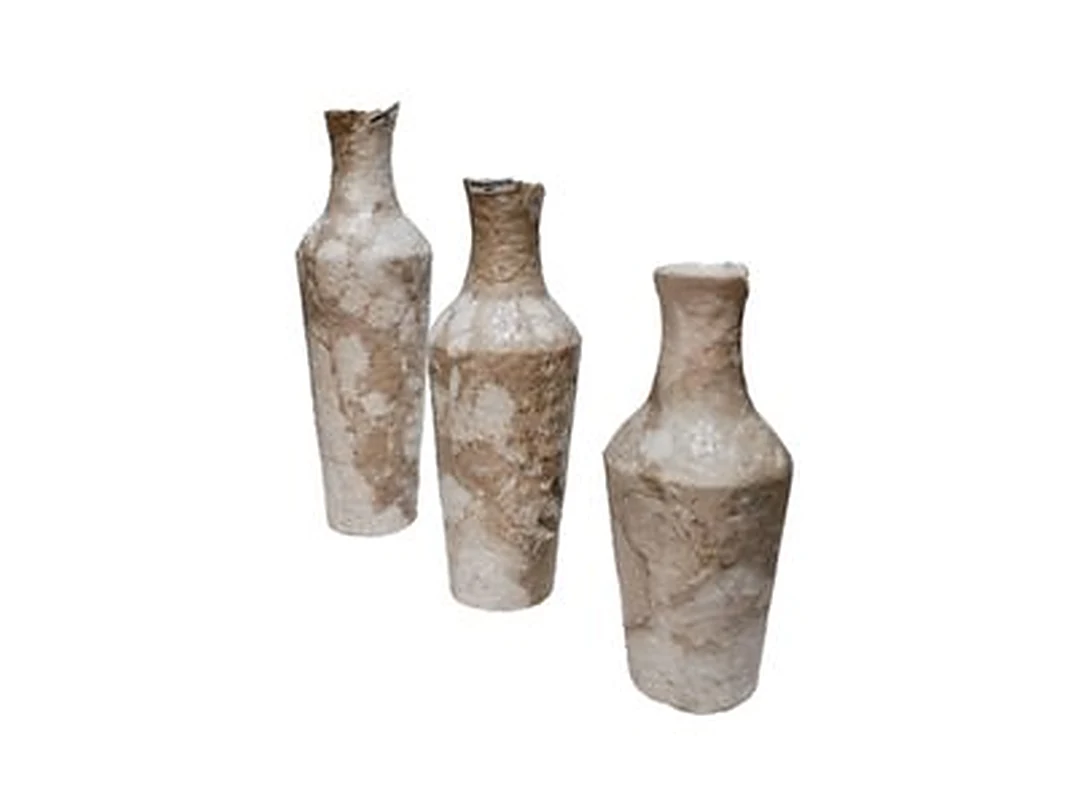
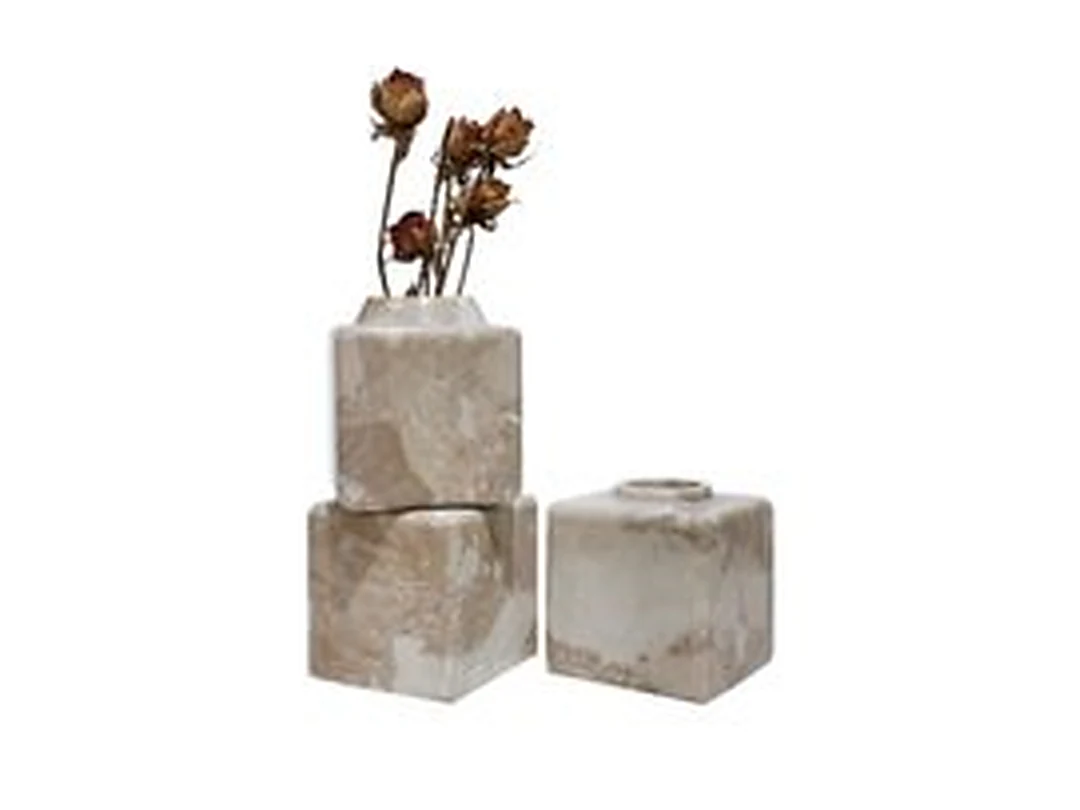
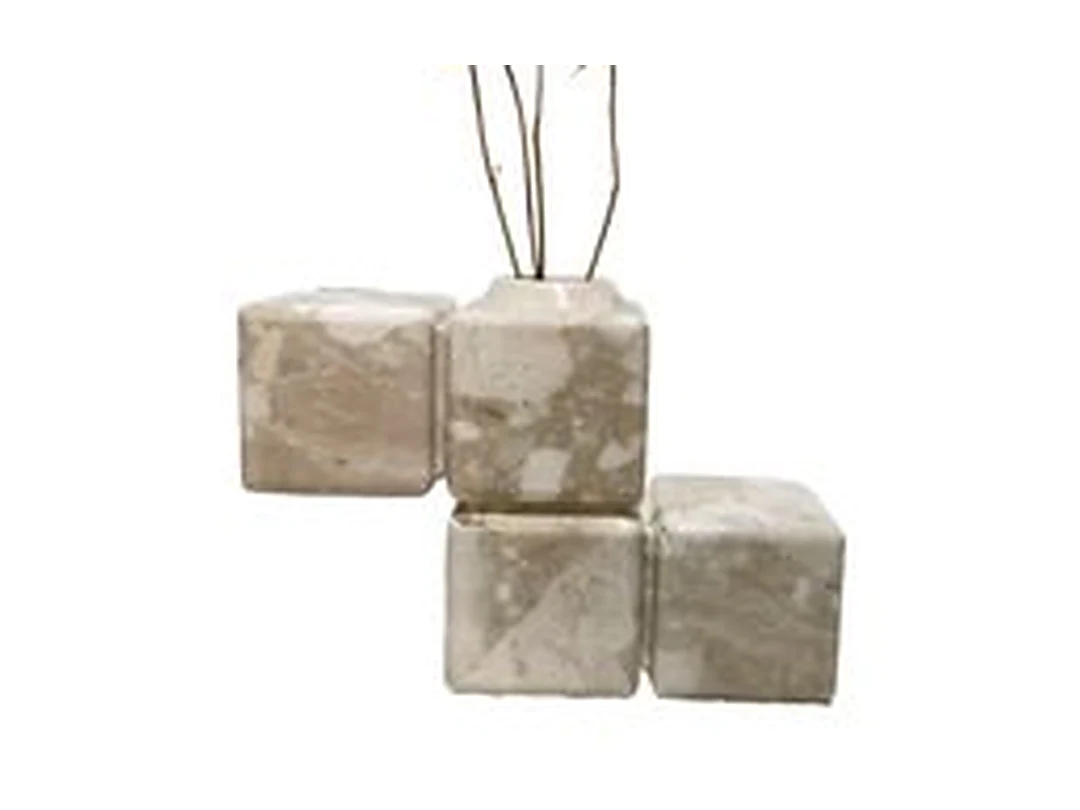
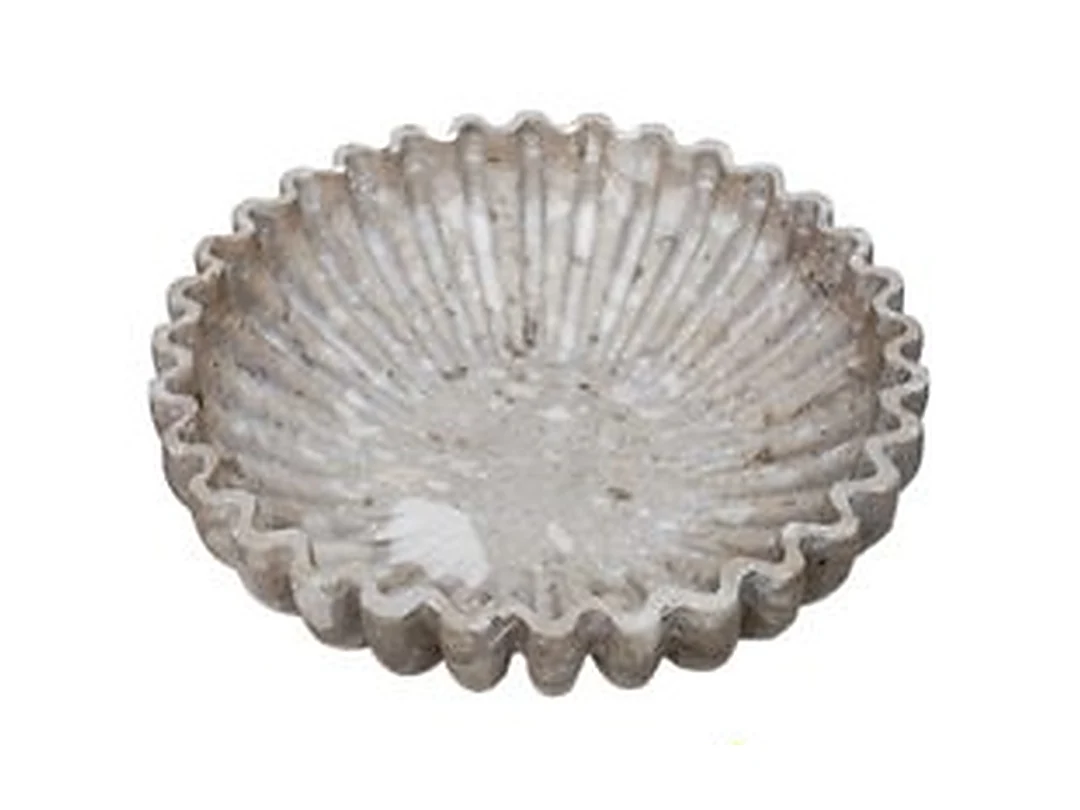
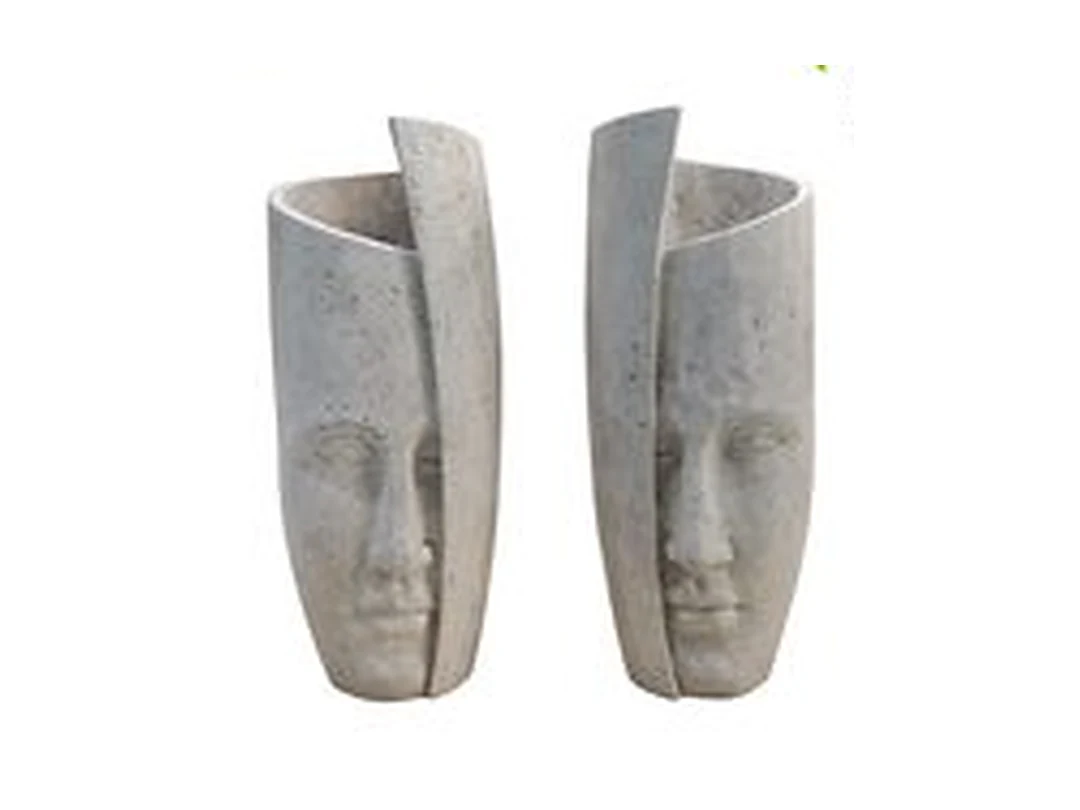
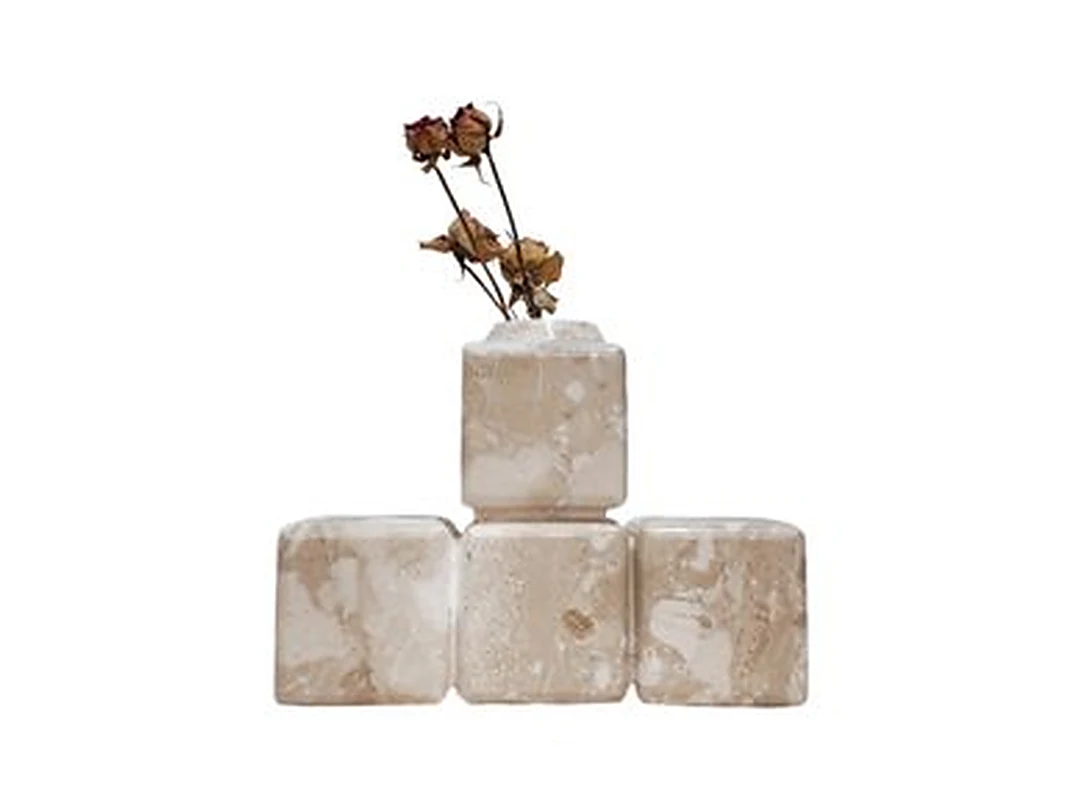
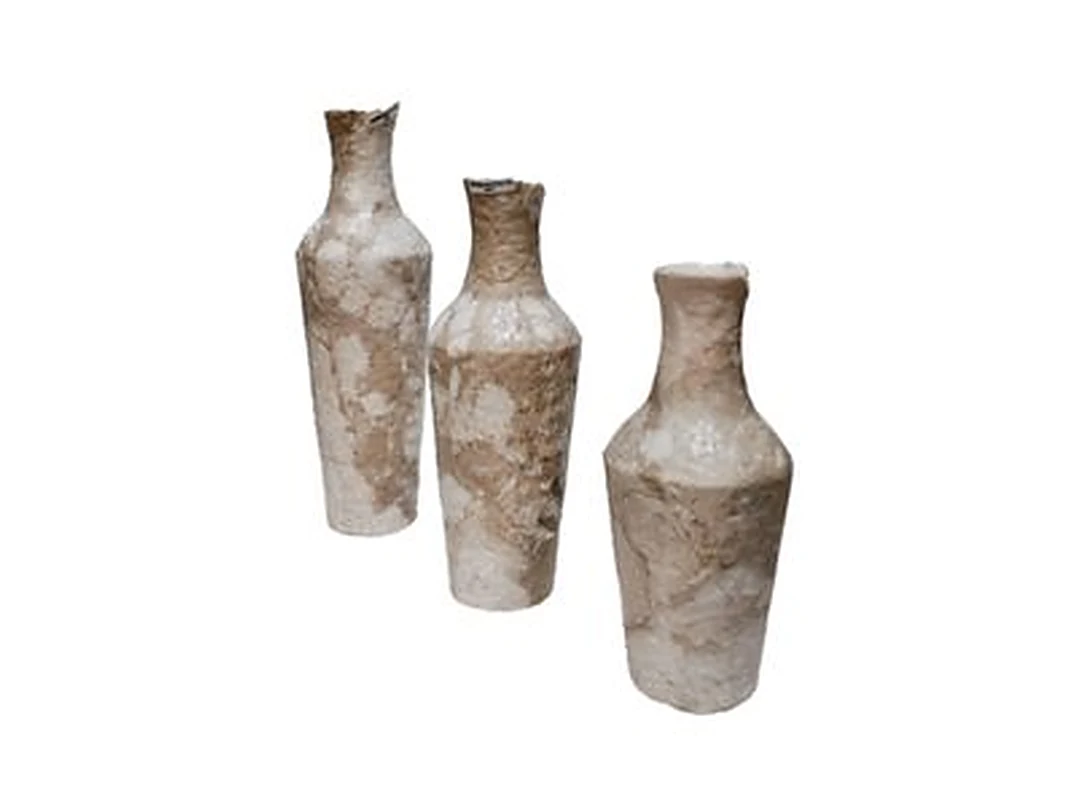
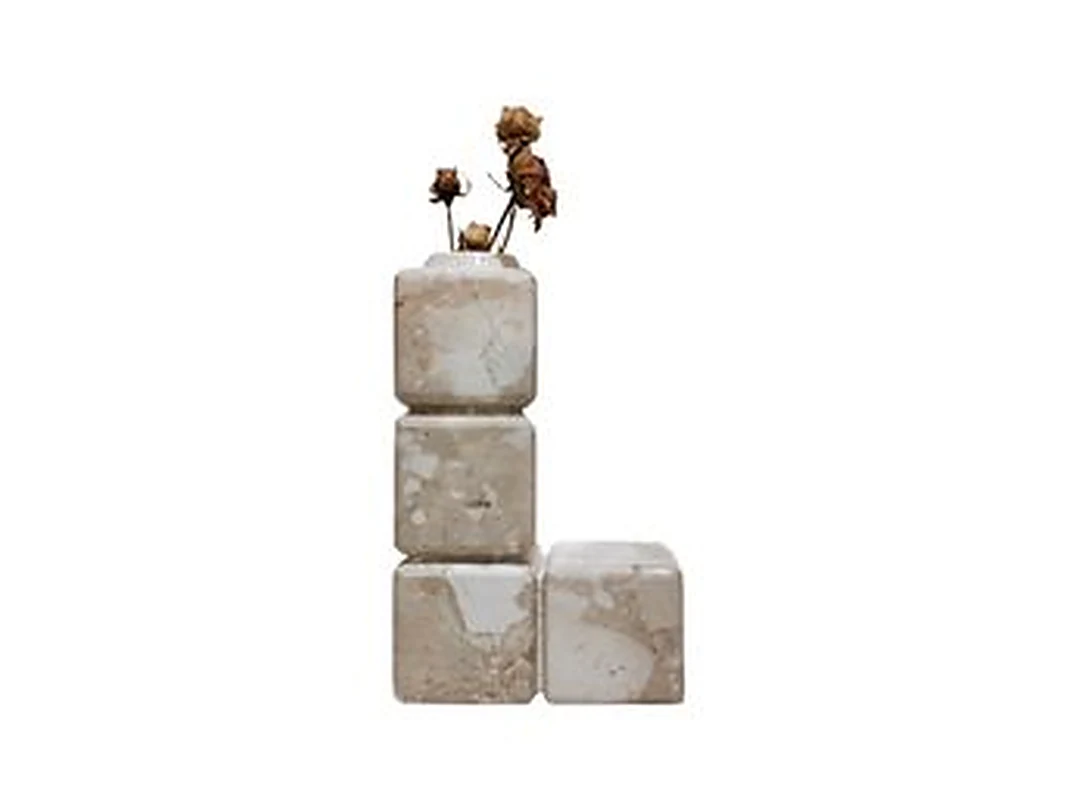
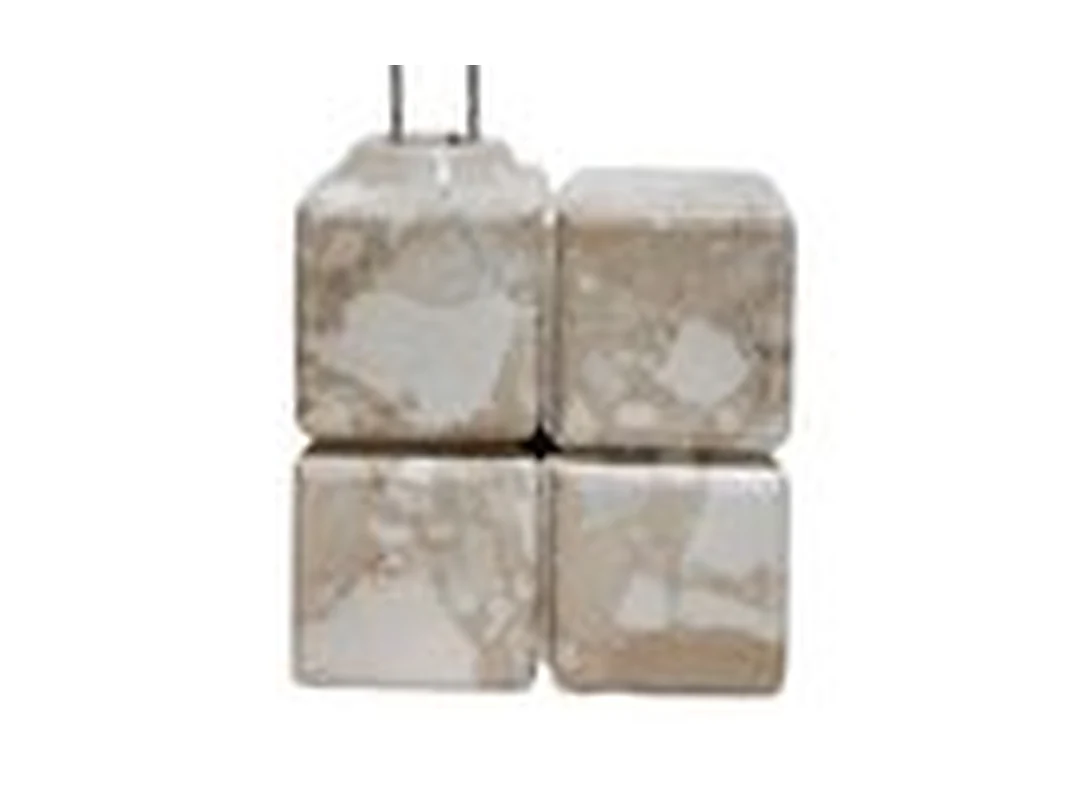
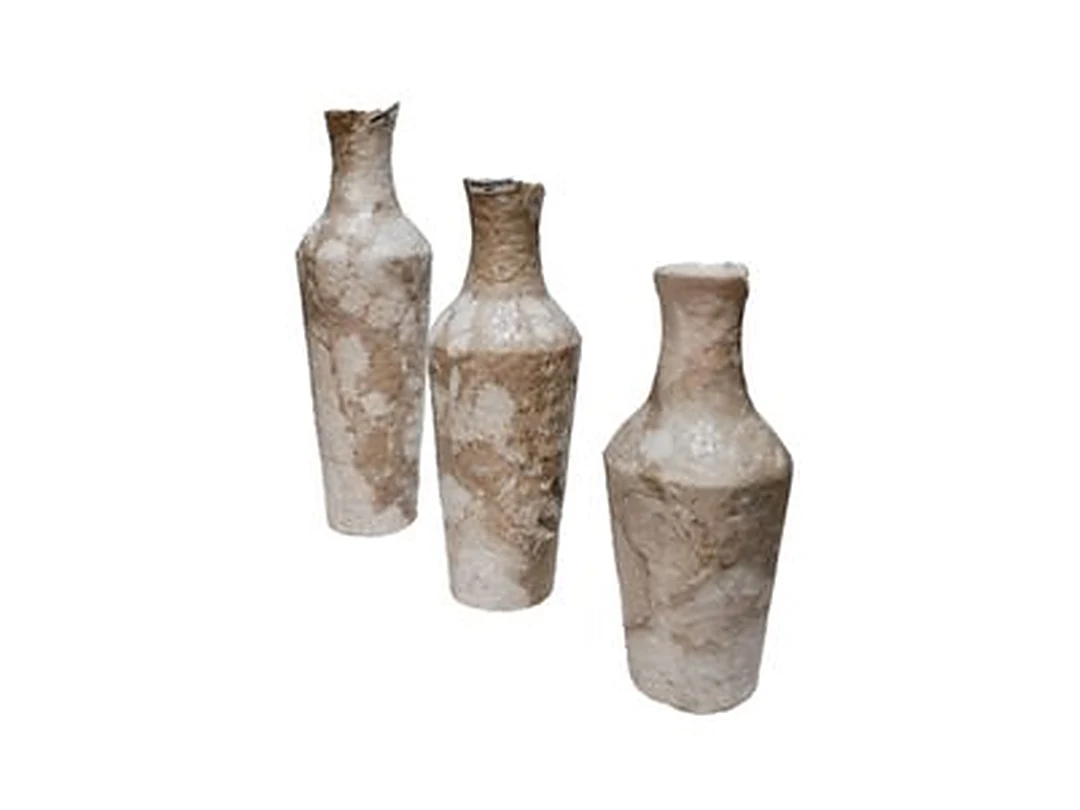
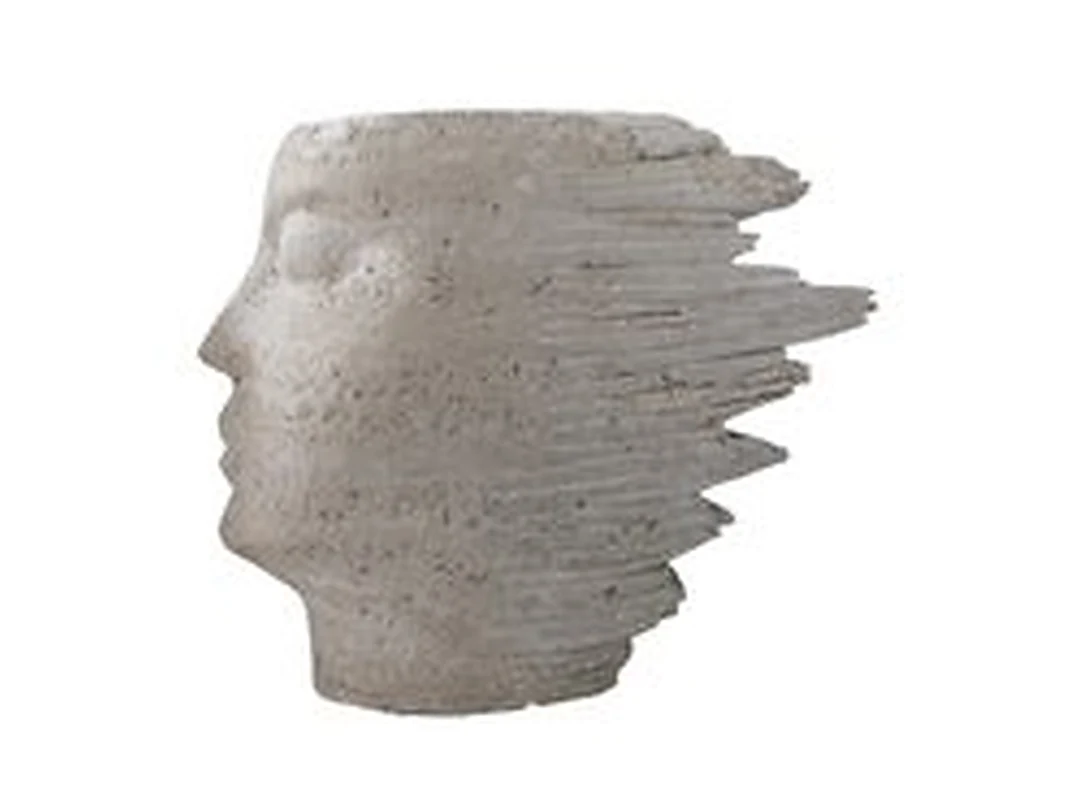
Stone vases hold their ground with or without flowers — block forms in stepped sizes, turned cylinders and carved profiles, drilled for stems and finished with softened edges.
Made to Order
Made to Order
Made to Order
Made to Order
Made to Order
Made to Order
Made to Order
Made to Order
Made to Order
Made to Order
Made to Order
Made to Order
Made to Order
Made to Order
Made to Order
Made to Order
Made to Order
FAQ
Treat them as vessels for stems, with water managed sensibly, and the specification is stated per design rather than assumed. Drilled block forms hold water in their bore; carved open vessels vary, and the product notes say which behaviour applies. Even where a vase holds water reliably, the practical habit for stone is a slim glass or plastic liner inside for fresh flowers: it protects the interior from mineral rings and plant-water staining, makes water changes a lift-out job, and costs nothing visually since it hides in the bore. Dried and sculptural stems, which these strong forms flatter, need none of this. If fresh flowers daily are the use, say so and we specify the liner dimension with the piece.
These forms are drawn against exactly that lever: the mass sits low, footprints are generous relative to height, and the bore is positioned so a tall stem load stays over the base. A metre of curly willow in a block vase is a normal, stable arrangement. The genuine physics limit is asymmetric extreme loads, one heavy branch cantilevered hard sideways from a small vase, which no vessel of any material enjoys; balance the arrangement or size up the vase. For public and hospitality placements where knocks are routine, choose the larger footprints in the range and, on plinths, a felt-plus-fixing detail can be specified. Tell us the intended arrangements and we will match the form to the load.
No, every size stands alone, and the set logic is there when you want it. The stepped block forms are drawn as a family: proportions relate so that two or three grouped on a console read as a composition rather than a coincidence, and ordering a group cut from coordinated material makes the veining converse across the pieces, worth requesting explicitly, as with matched table pairs. But a single vase is a complete object, and many clients start with one and add its siblings later; the design record means a later addition matches the family’s proportions exactly, even if its stone, being natural, brings its own pattern. State “set, matched material” or “single” at enquiry and the quotation follows.
Rarely, and gently, the outside takes a dusting; the bore only needs attention if it has held water. For lined vases (the fresh-flower habit we recommend), interior cleaning is lifting out the liner, which is the point of it. For bores that held water directly: rinse, then a soak with warm water and a drop of neutral soap loosens plant residue; a soft bottle brush reaches what fingers cannot; rinse and stand inverted to dry fully before storing or refilling. Mineral rings from hard water respond to patience and neutral cleaner, never descaler, whose acidity etches the stone it touches. Persistent staining in an unsealed bore is cosmetic and hidden; if it bothers you, ask about resealing the interior.