Made to Order

Made to Order
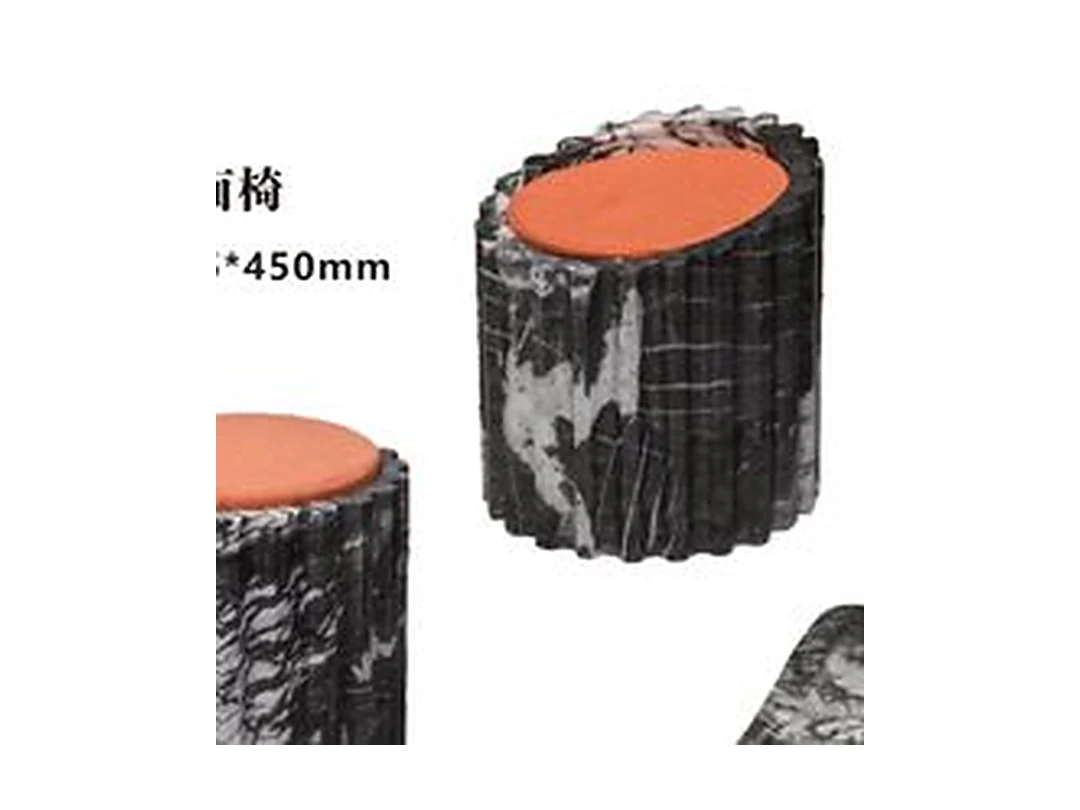
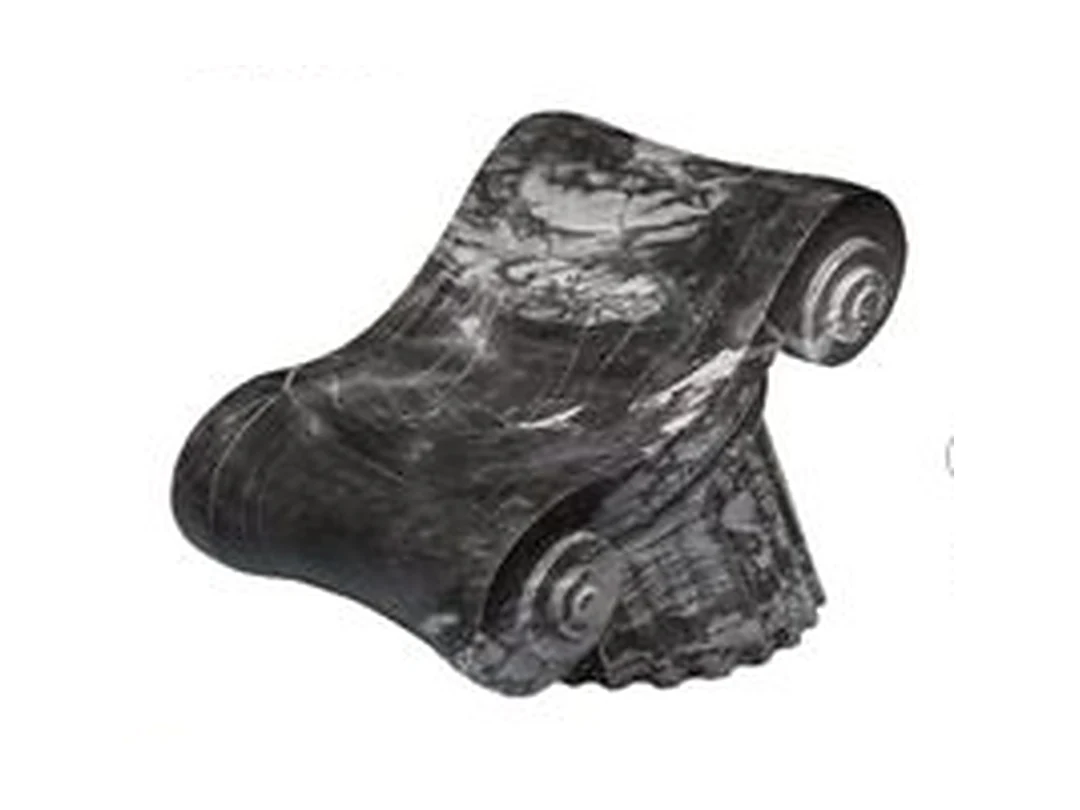
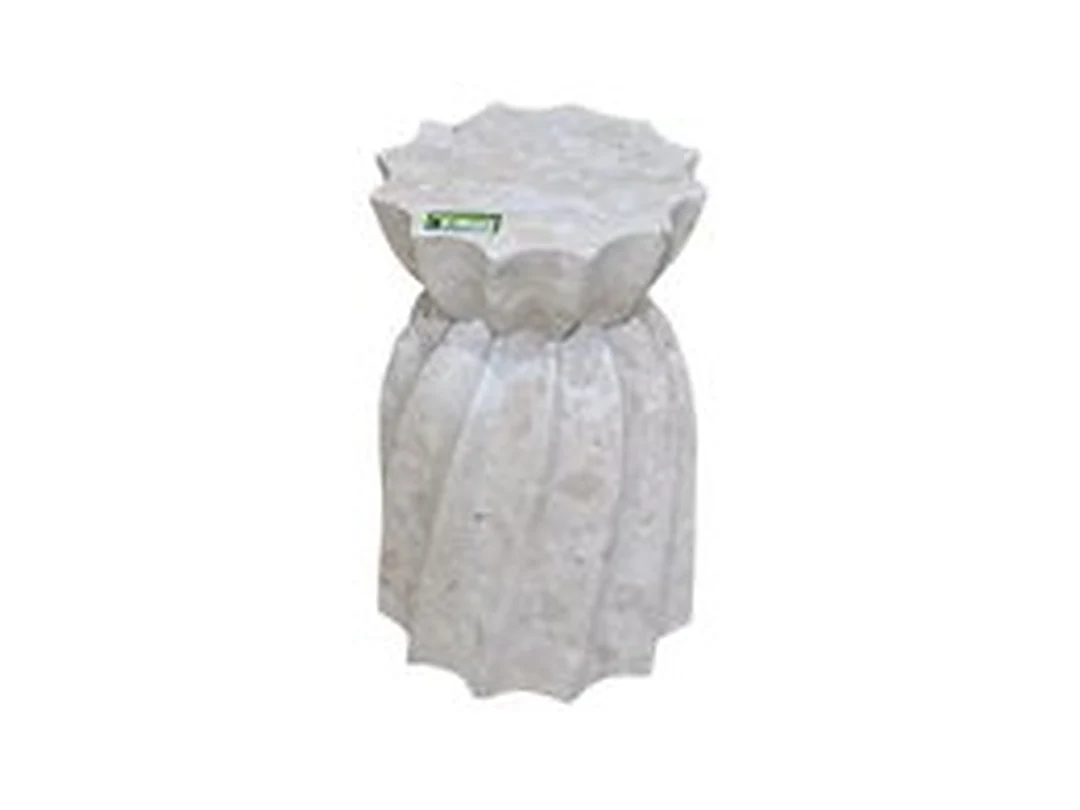
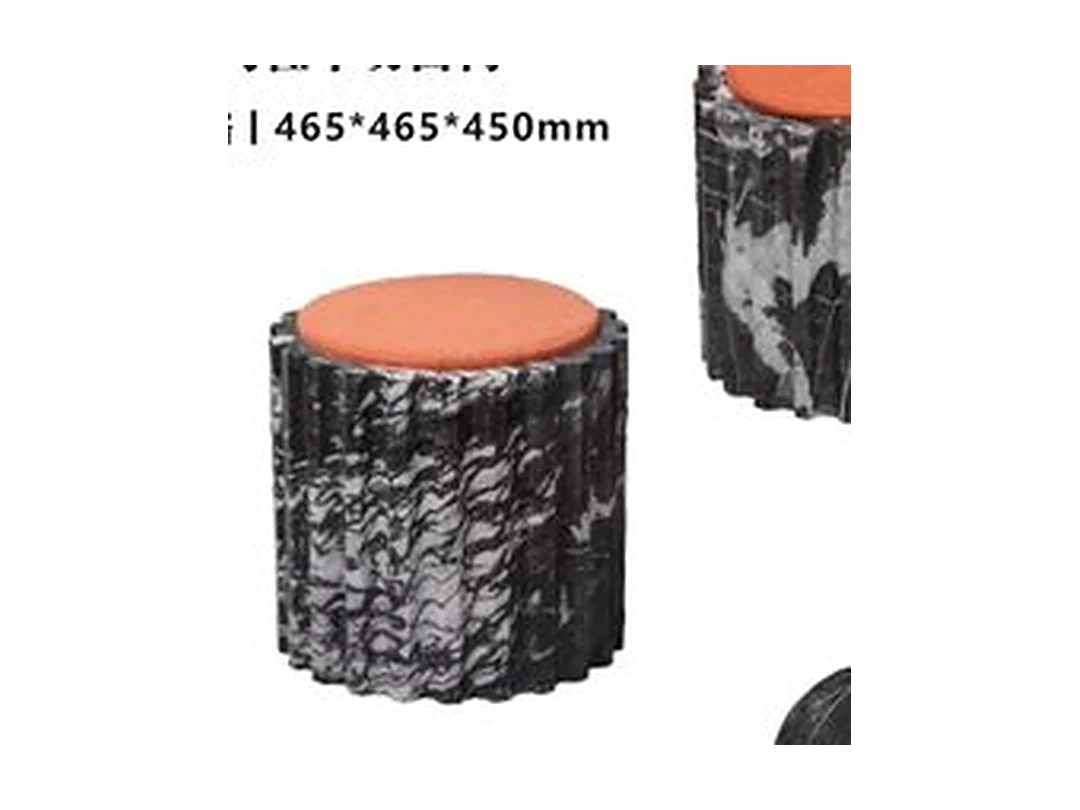
Solid stone seating: fluted drums, column-cut chairs and low stools that double as side tables. Each is cut from a single block and finished by hand.
Made to Order
Made to Order
Made to Order
Made to Order
Made to Order
FAQ
They are seating, cut from single blocks, which makes them about as structurally serious as a seat can be, and their second life as side tables is a bonus rather than the truth of them. Solid stone carries seated loads without any of the joinery that ages wooden stools; there are no legs to loosen, no frame to rack. The specification points that matter for sitting: height (the fluted drum’s reference height suits occasional and dressing-table use; dining or counter heights are cut to order), a top face honed smooth, and edges softened where thighs meet stone. The honest trade-off is warmth, stone seats read cool without a cushion, which many owners add and many deliberately do not.
Heavy enough to be planted, light enough to be repositioned with intent: solid stools at these dimensions typically weigh what a very full suitcase does, and your quotation states the exact figure for the size and stone you choose. In practice that means a stool stays precisely where you put it, no skating on hard floors, no tipping when used as a step-adjacent perch it should not be, and moves rooms as a deliberate two-hand carry or a careful walk-shuffle on protected floors. Felt glides under the base are worth specifying for stools that migrate between rooms; they protect timber floors and drop the sliding effort meaningfully on smooth surfaces.
Not when the contact is managed, which takes one specification line: felt or rubberised glides on the base, fitted before delivery on request. Bare stone standing still harms nothing, the load per contact area is modest, but bare stone dragged across timber or polished concrete can mark both parties, so the glide is the difference between a stool that is repositioned freely and one that is lifted ceremonially. On soft floors (carpet, rugs) the mass simply settles in, and a broad-based form like the fluted drum distributes it well. If your floor is delicate or historic, say so at enquiry: base finish and glide choice are matched to the floor rather than defaulted.
Places where a seat should also be an object: dressing tables and bathrooms (the fluted drum’s natural habitat, water-tolerant, elegant, exactly one person wide), entryways where a perch for shoes doubles as sculpture, beside baths, at the ends of beds, and in living rooms as the honest extra seat that never needs fetching from another room. Hospitality uses multiply this: spa changing areas, boutique fitting rooms and hotel bathrooms specify stone seating precisely because it shrugs off humidity and hard use while looking deliberate. The column-cut chairs with backrests extend the range to short-duration seating, hall telephone-chair duty, gallery pauses, rather than dinner-length comfort, and we say so plainly.