
Made to Order

Made to Order
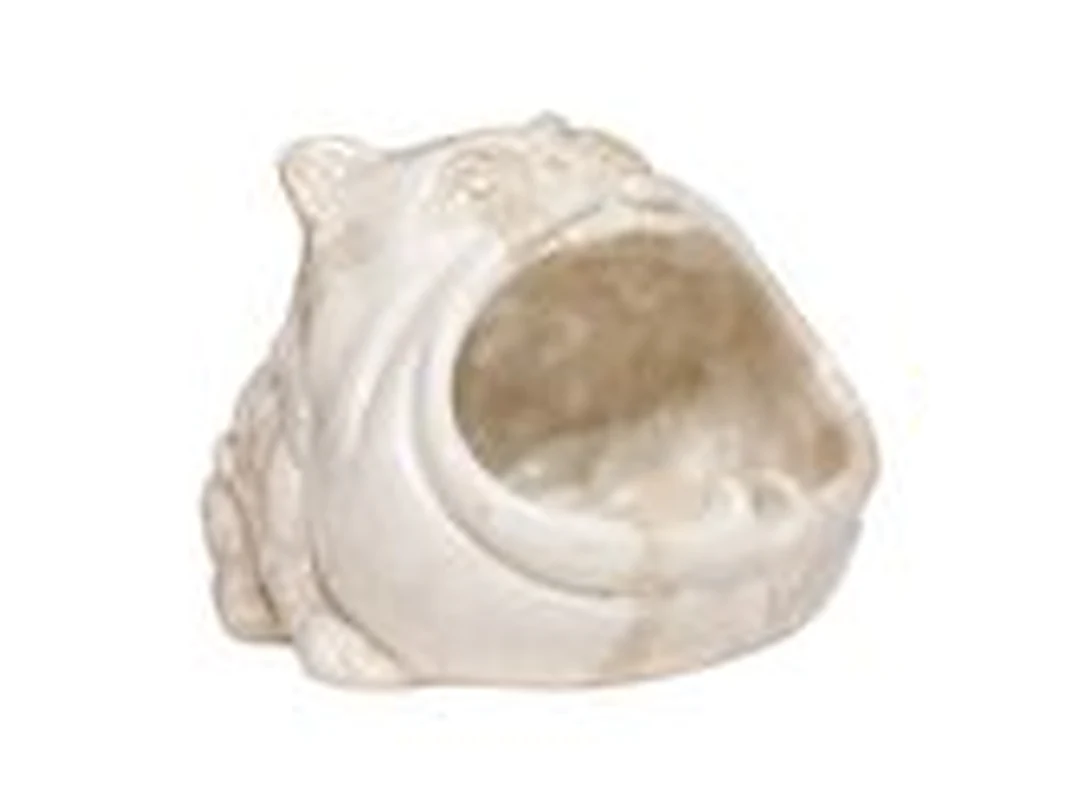
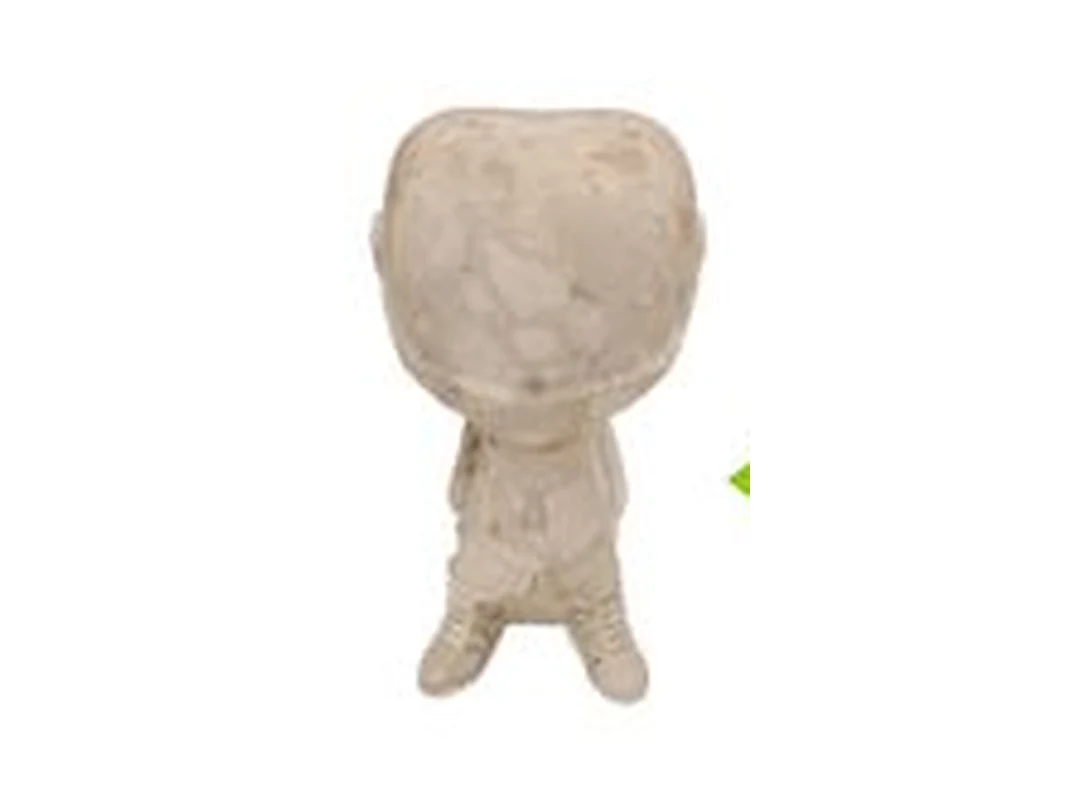
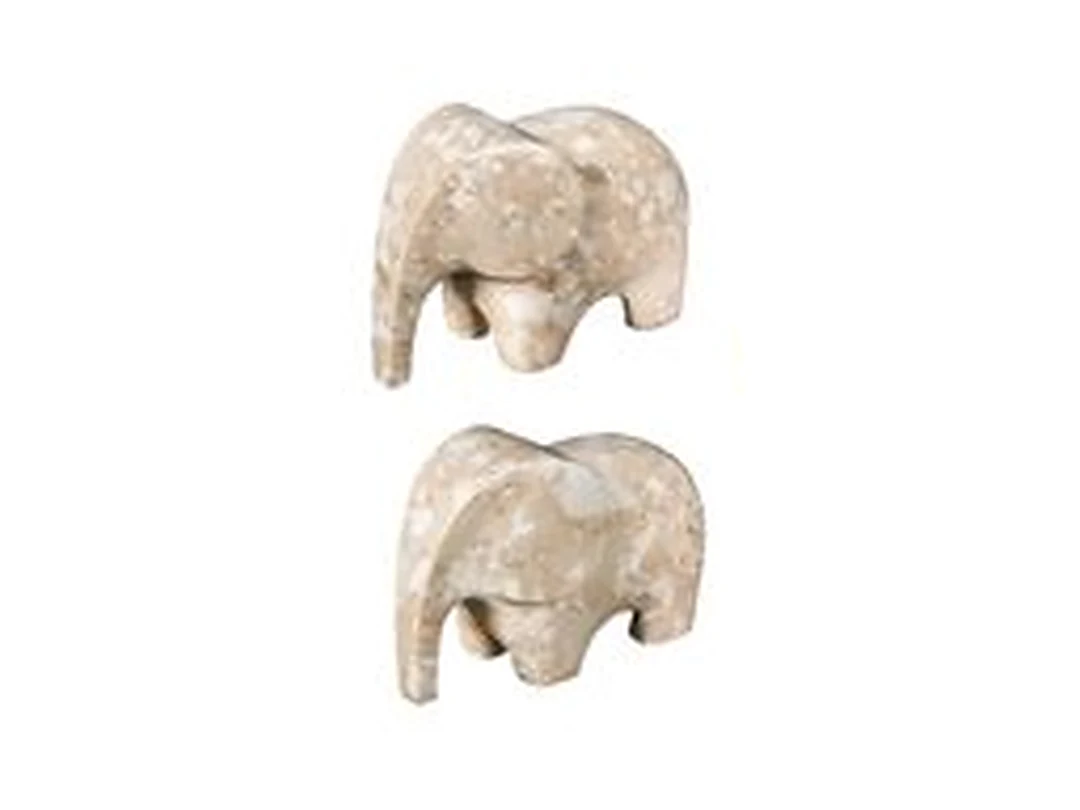
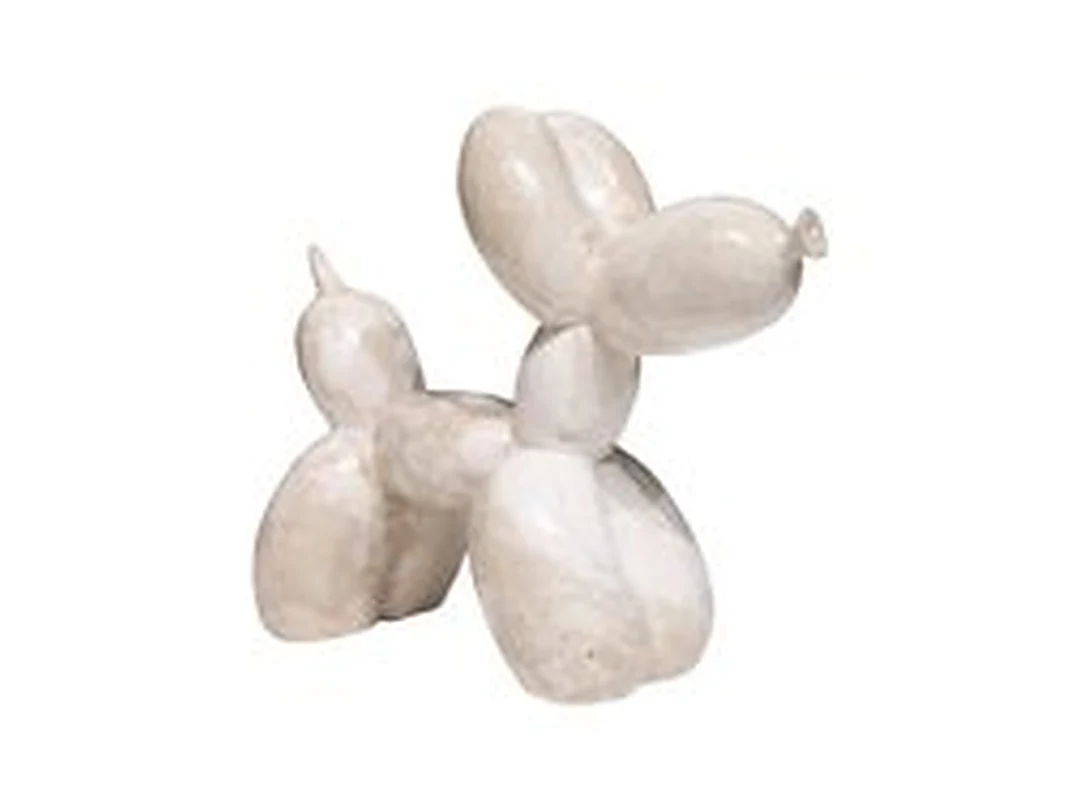
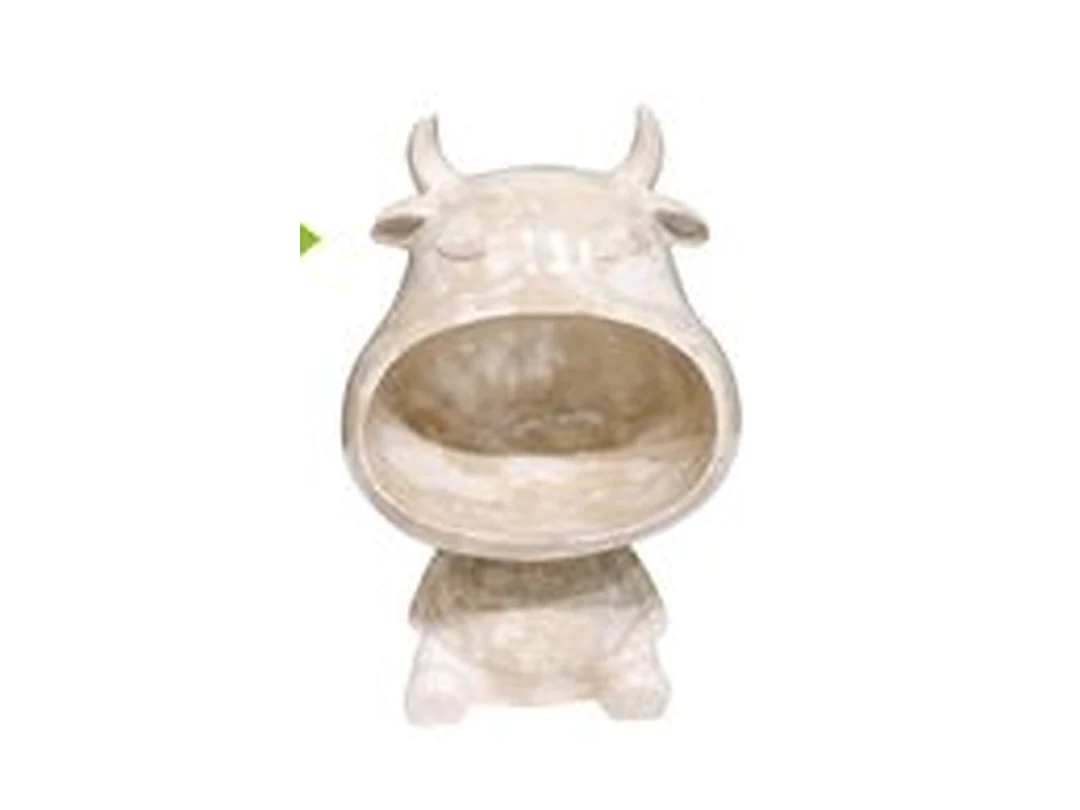
Sculptural objects carry the material with no function to hide behind: animal forms, abstract figures and carved studies where the stone’s veining does half the work. Pieces are finished by hand and vary with the block they come from.
Made to Order
Made to Order
Made to Order
Made to Order
Made to Order
Made to Order
FAQ
Repeatable designs, each rendered unique by its stone, the honest middle ground worth stating precisely. Every sculpture in the collection is a defined form that the workshop can produce again, so a piece you see can be ordered rather than merely mourned; but because each is cut and hand-finished from a different block, no two renditions carry the same veining, tone or figure, and yours will be individually its own. Where a design is subject to third-party rights review it is withheld from sale rather than sold ambiguously, the catalogue shows only what can be produced cleanly. For genuinely one-off work, a form of your own, or a variation, the bespoke commission route applies.
On a surface rated for its honest weight, positioned where its footprint is stable, and, for taller forms, with tipping thought about once so it never needs thinking about again. Practically: check the shelf or console can carry the stated weight (your quotation gives the number); set the piece on its full base rather than an edge; use a museum-style discreet fixing for tall slender forms in homes with children, pets or seismic codes; and keep high pieces off surfaces that get bumped in passing. Felt beneath the base protects the surface below and lets the piece be rotated without scratching. Lighting is the reward step: raking light from one side is what makes carved stone read.
Usually yes, within the logic of the form. Scaling down concentrates detail, very fine features have a minimum size below which stone will not hold them, and we flag that on the drawing rather than let a design blur. Scaling up multiplies mass quickly (weight rises with the cube of scale), so a doubled sculpture is roughly eight times the weight, which moves handling, display and freight into new territory the quotation prices honestly. Block availability sets the practical ceiling for single-piece large work. Send the size your space wants; the feasibility reply comes back with the weight, the block implications and the drawing, the three facts a scale decision actually needs.
Almost none, display pieces live the easiest life stone offers. Dust with a soft dry or barely damp cloth; that is the routine in full. Because sculptures host no drinks, meals or cosmetics, the acid-etch risks that discipline tables and basins barely apply, and sealing is optional rather than scheduled, useful on pale stones in kitchens or smoking rooms where airborne oils exist, unnecessary elsewhere. Avoid furniture polishes and sprays, which leave films on stone; avoid abrasives entirely. Handle by the mass of the piece, not its projections, when moving it. A sculpture kept dusted will look in twenty years exactly as it does today, or better, once the room has grown around it.