Made to Order

Made to Order
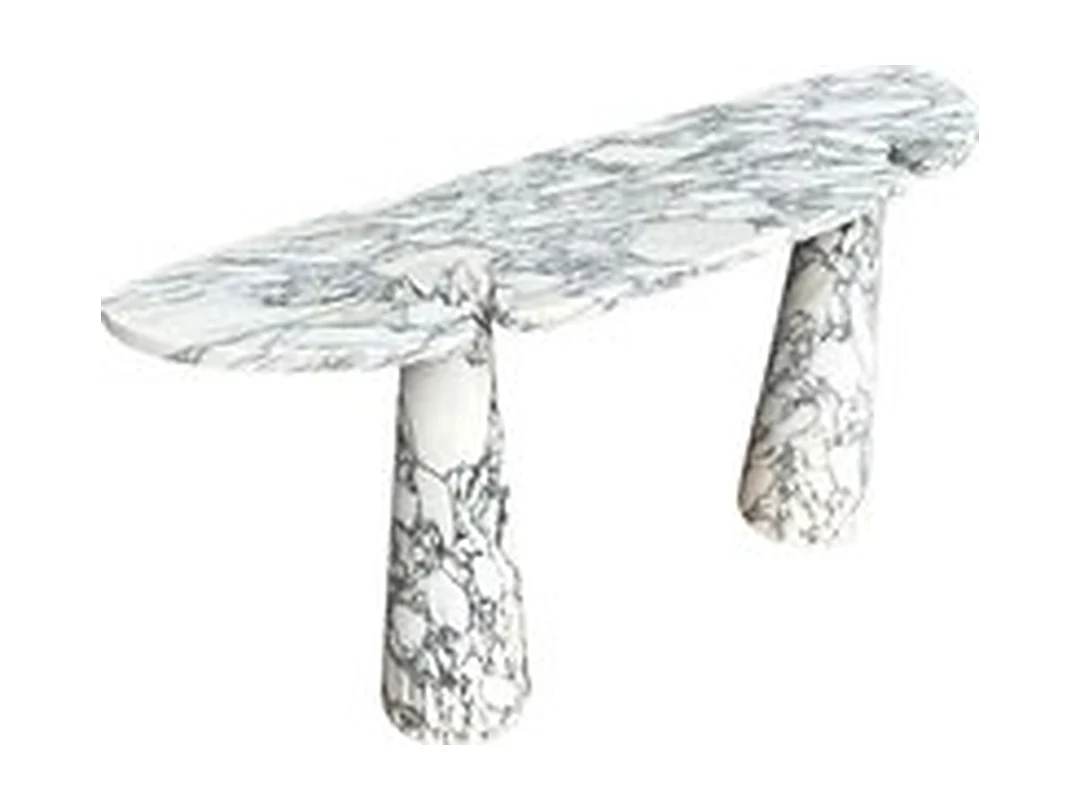
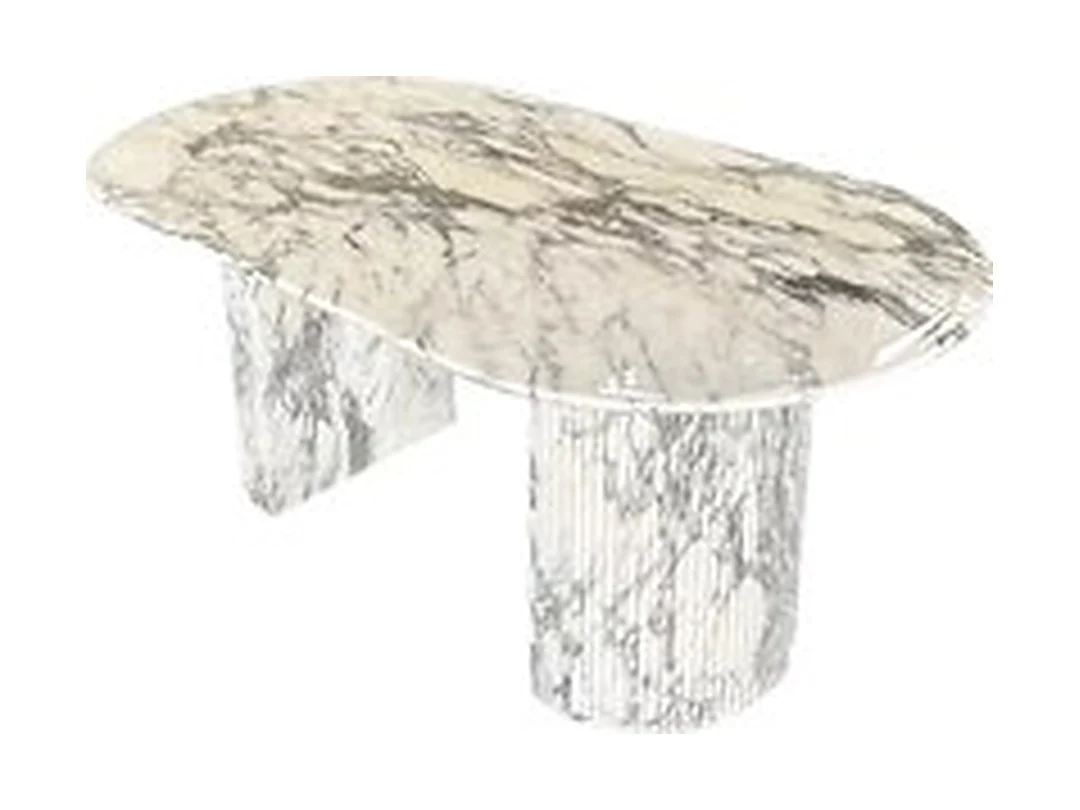
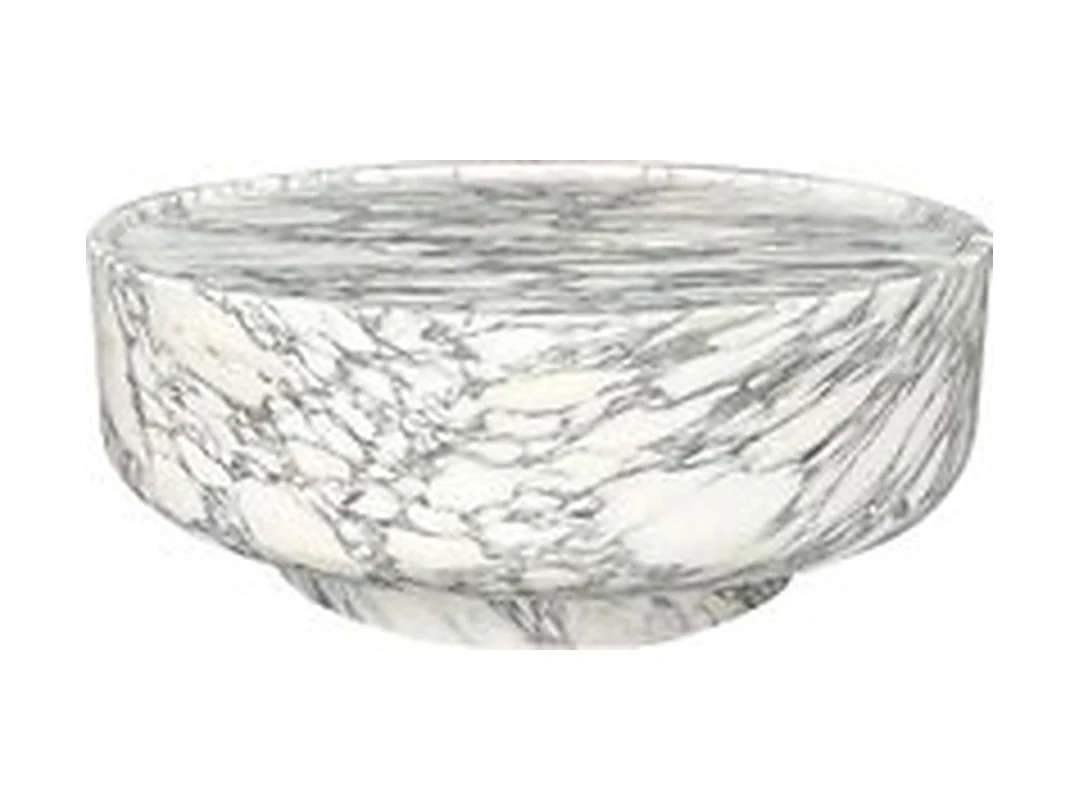
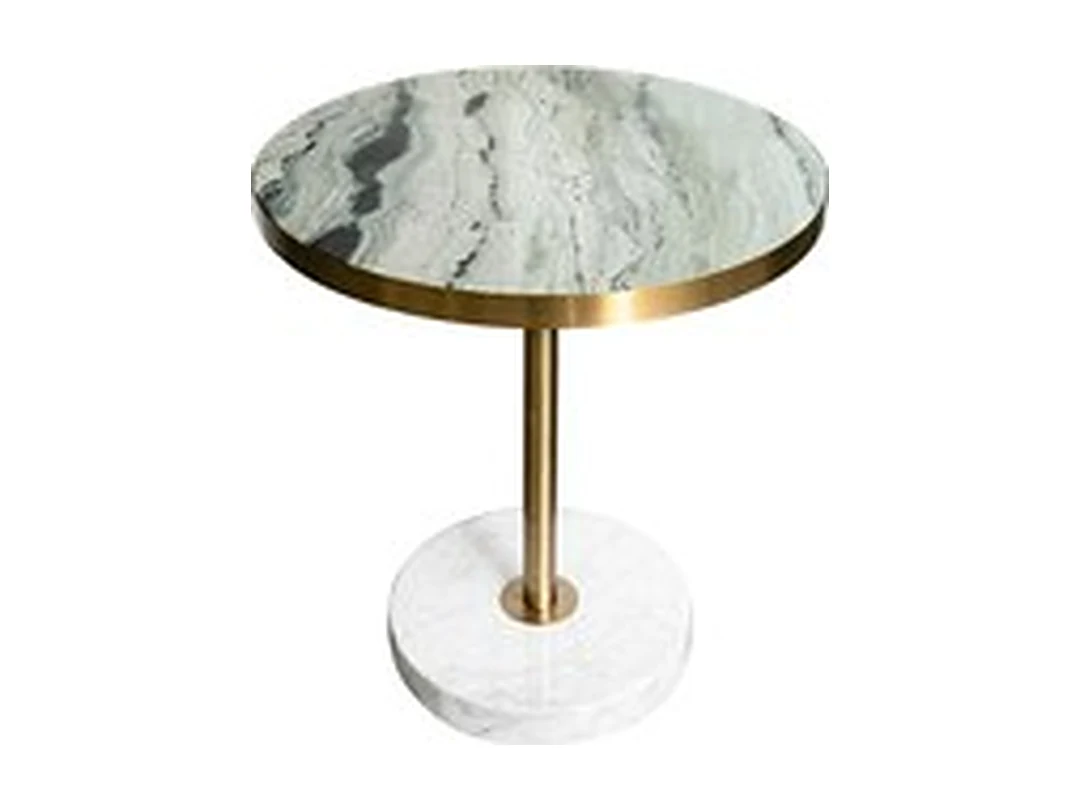
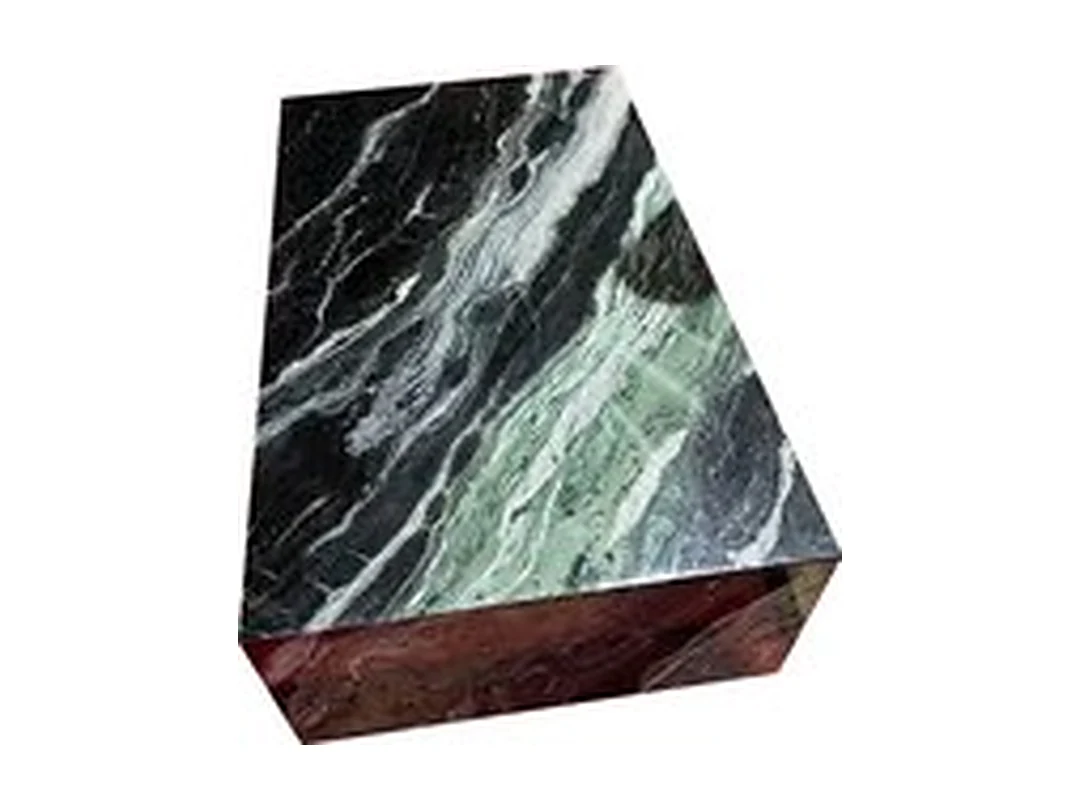
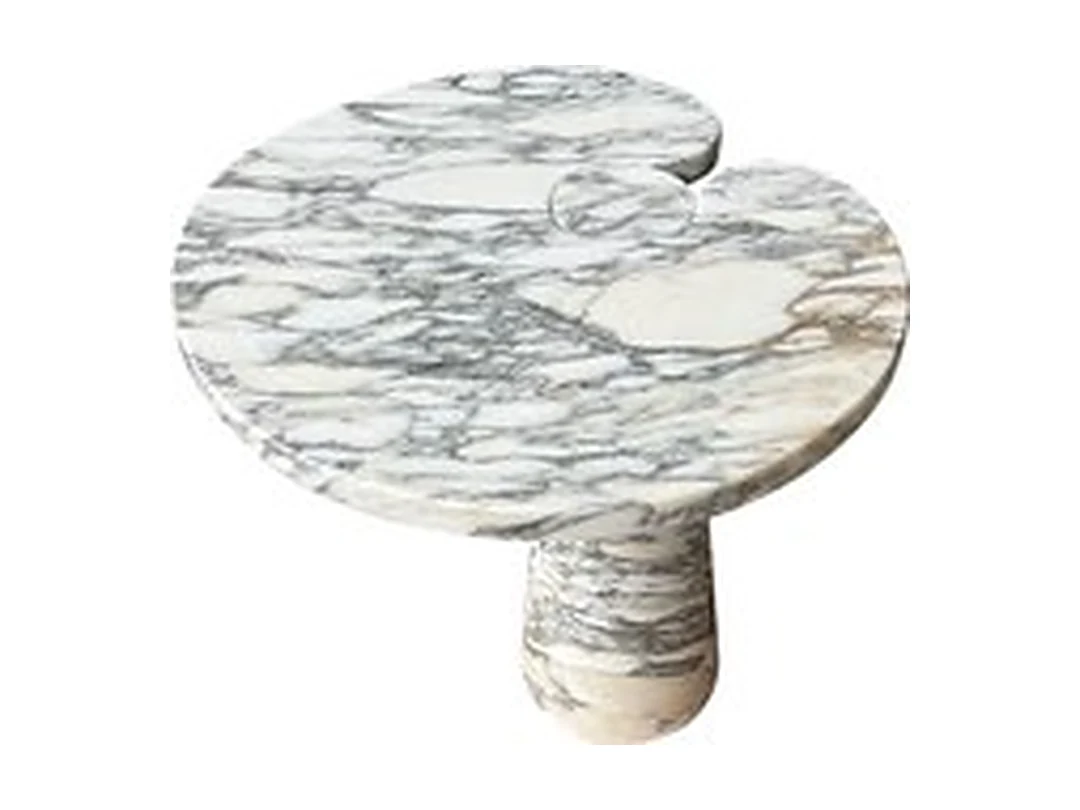
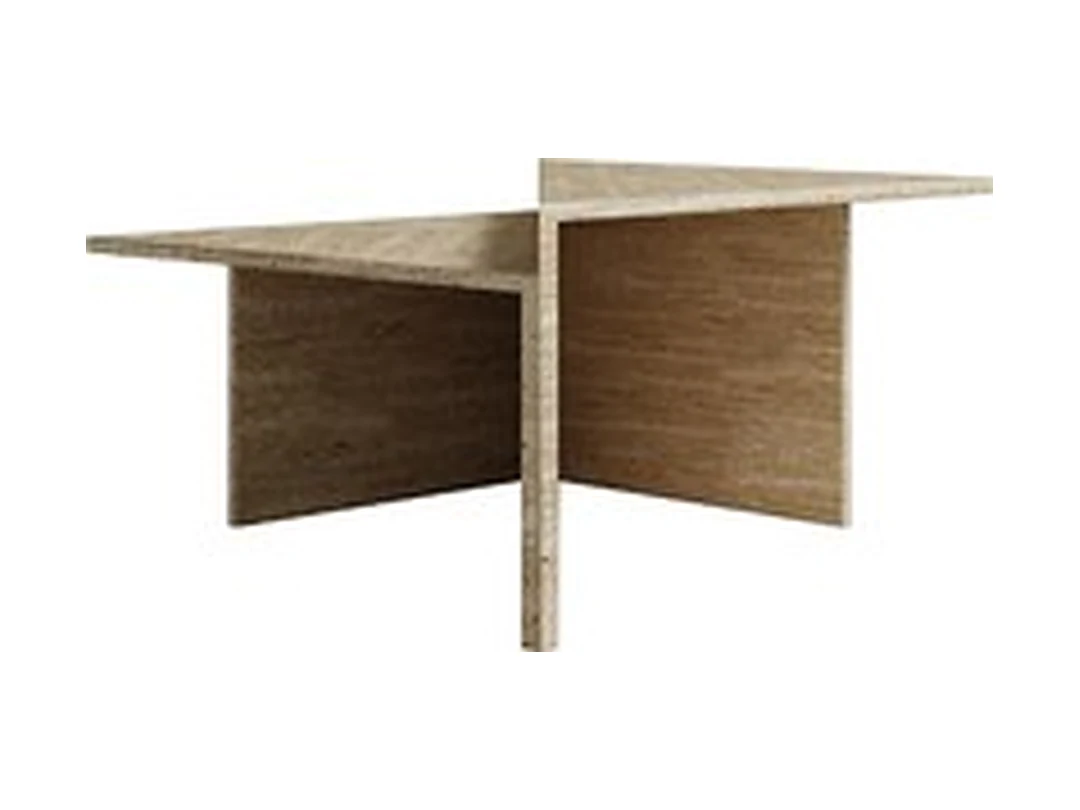
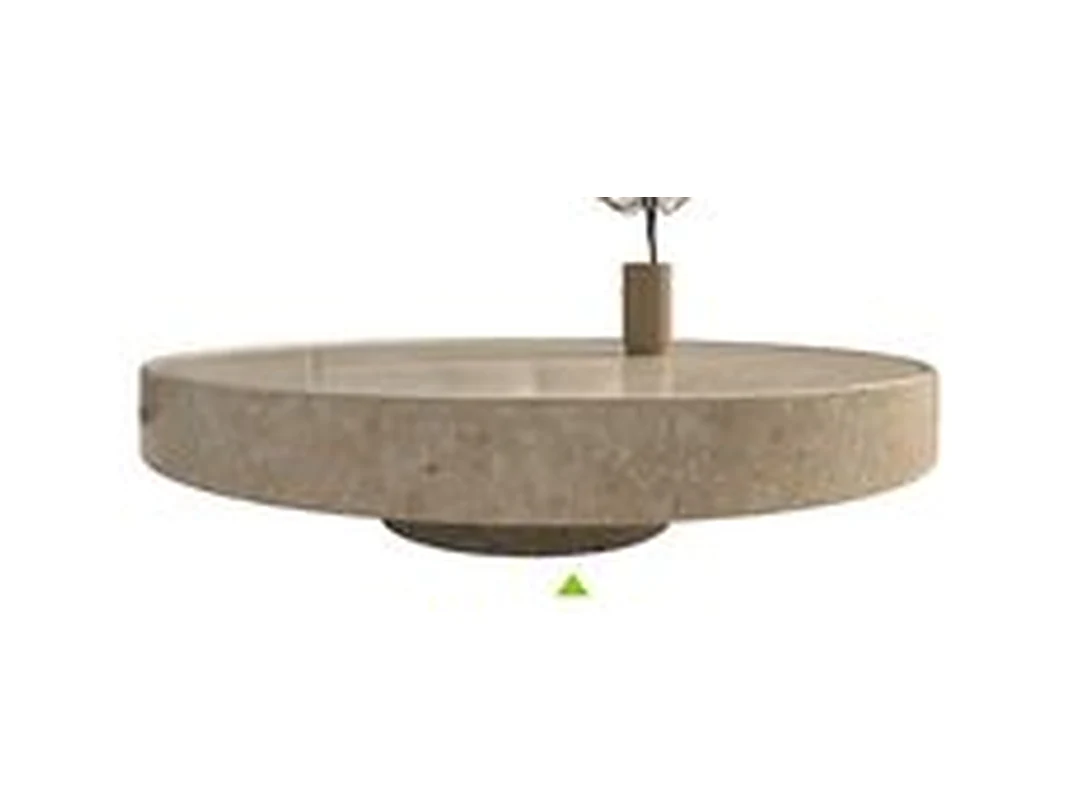
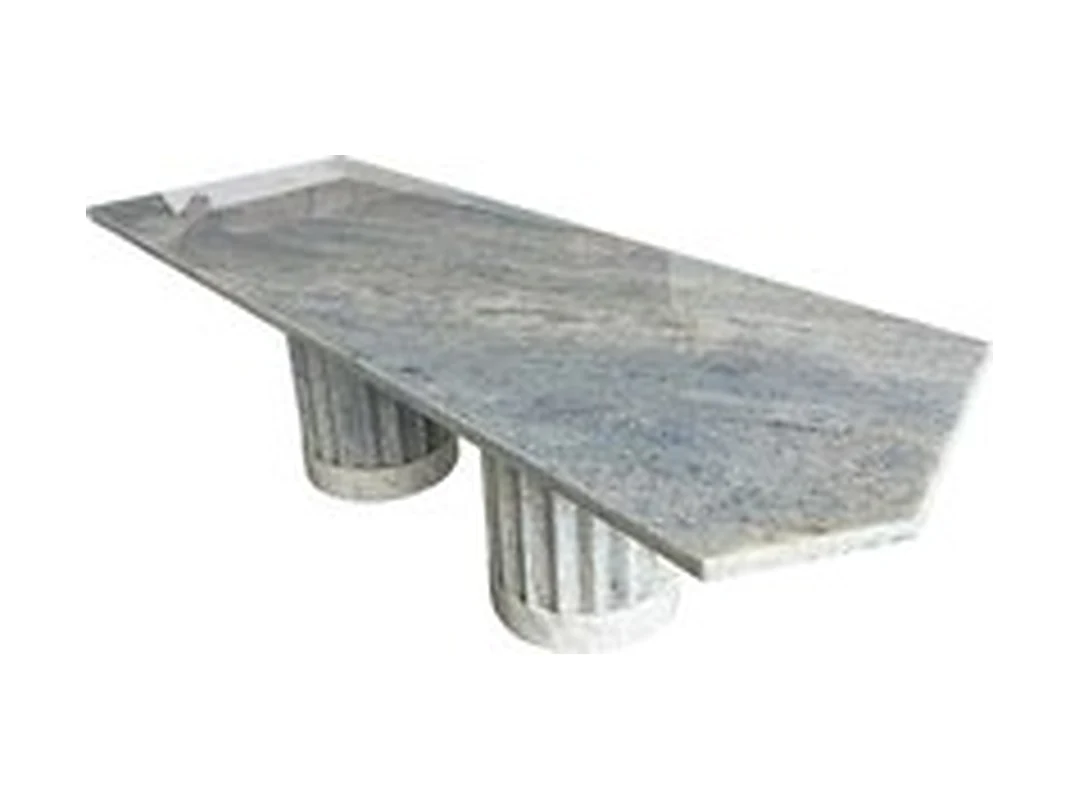
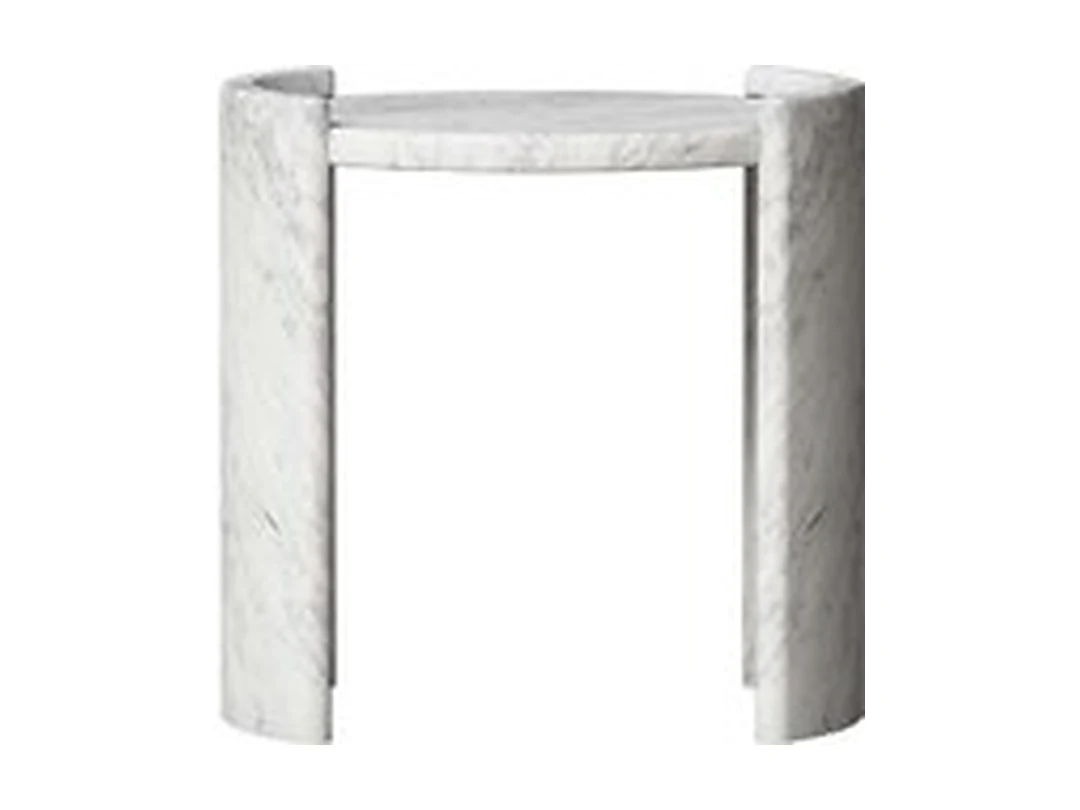
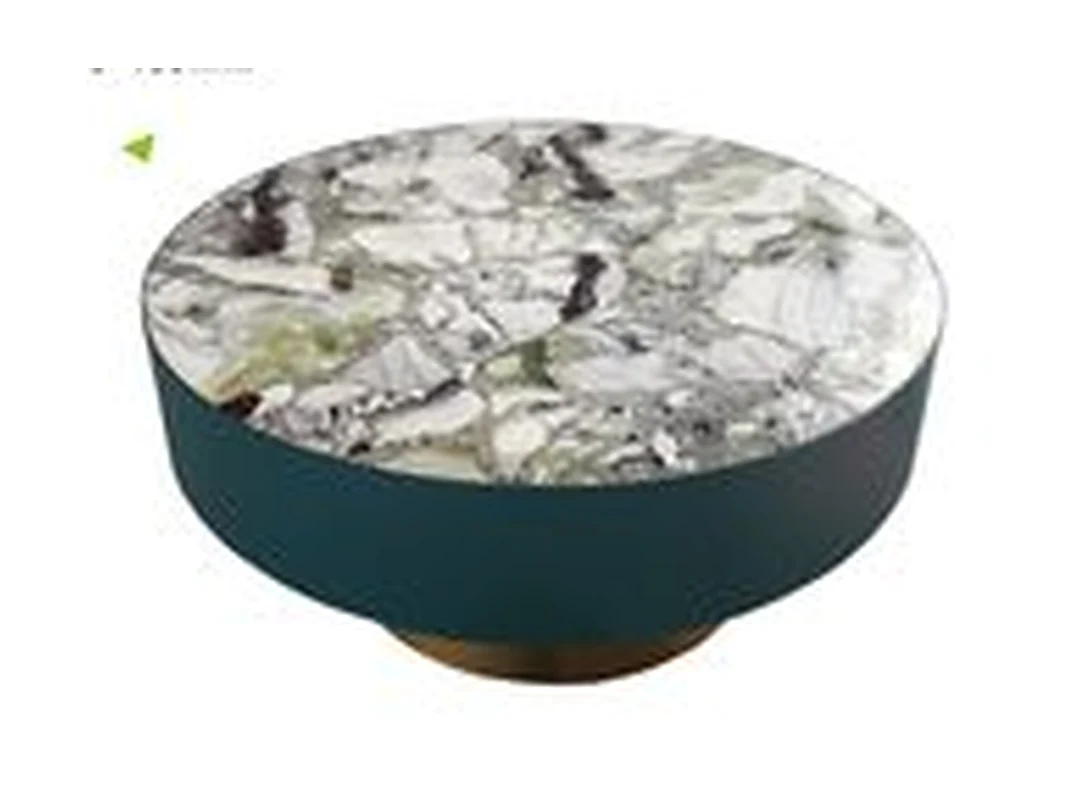
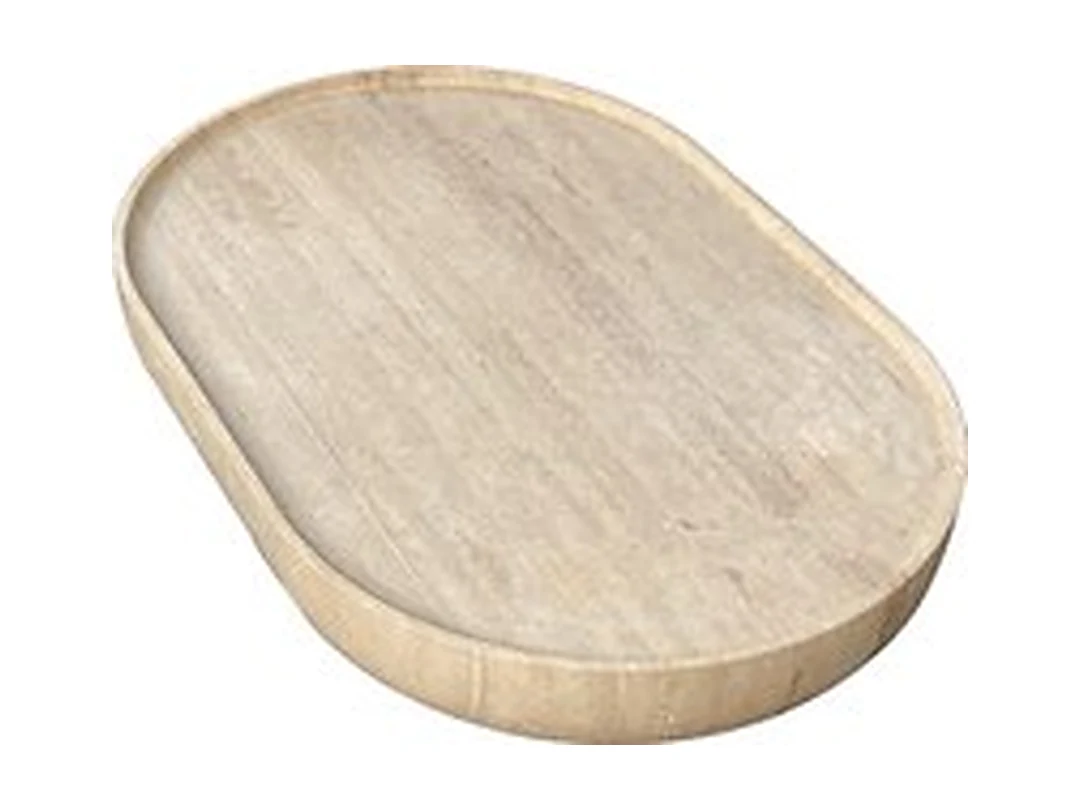
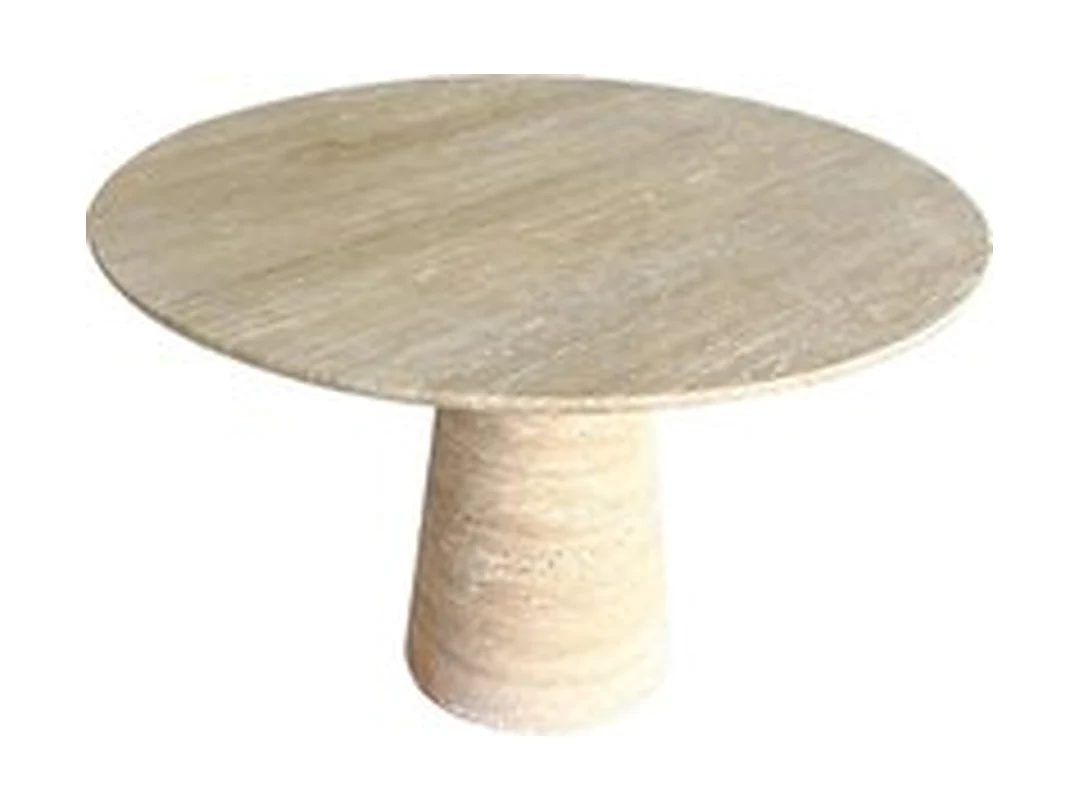
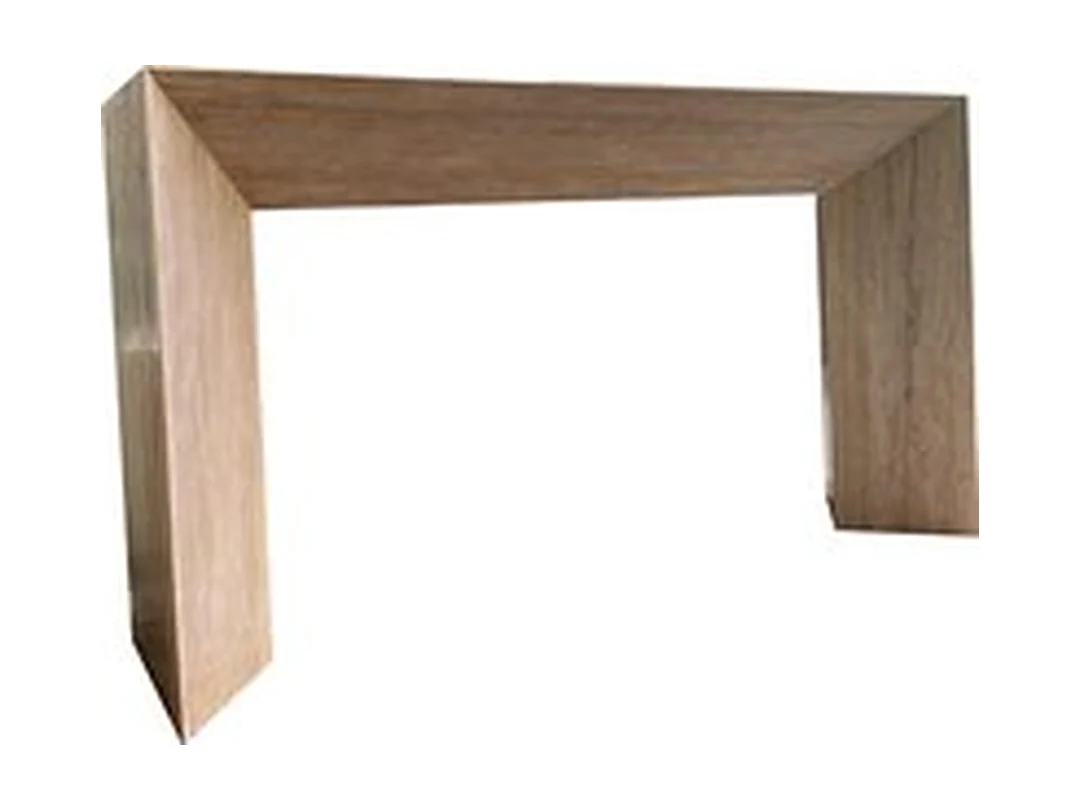
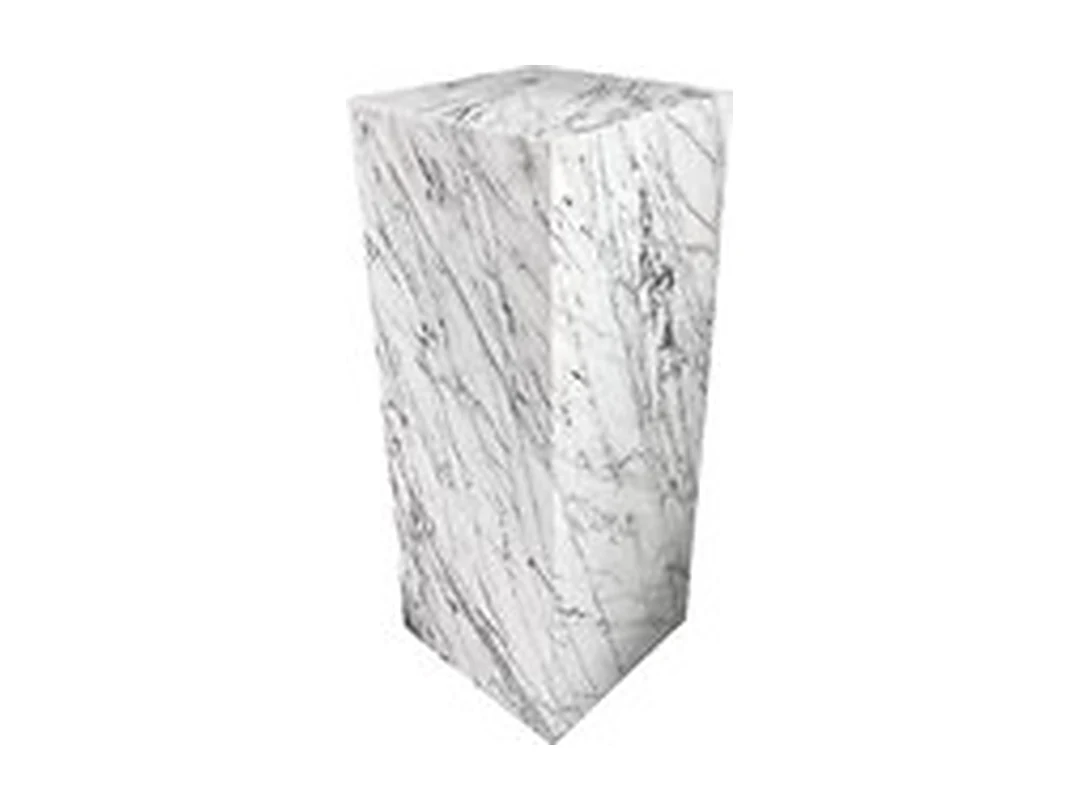
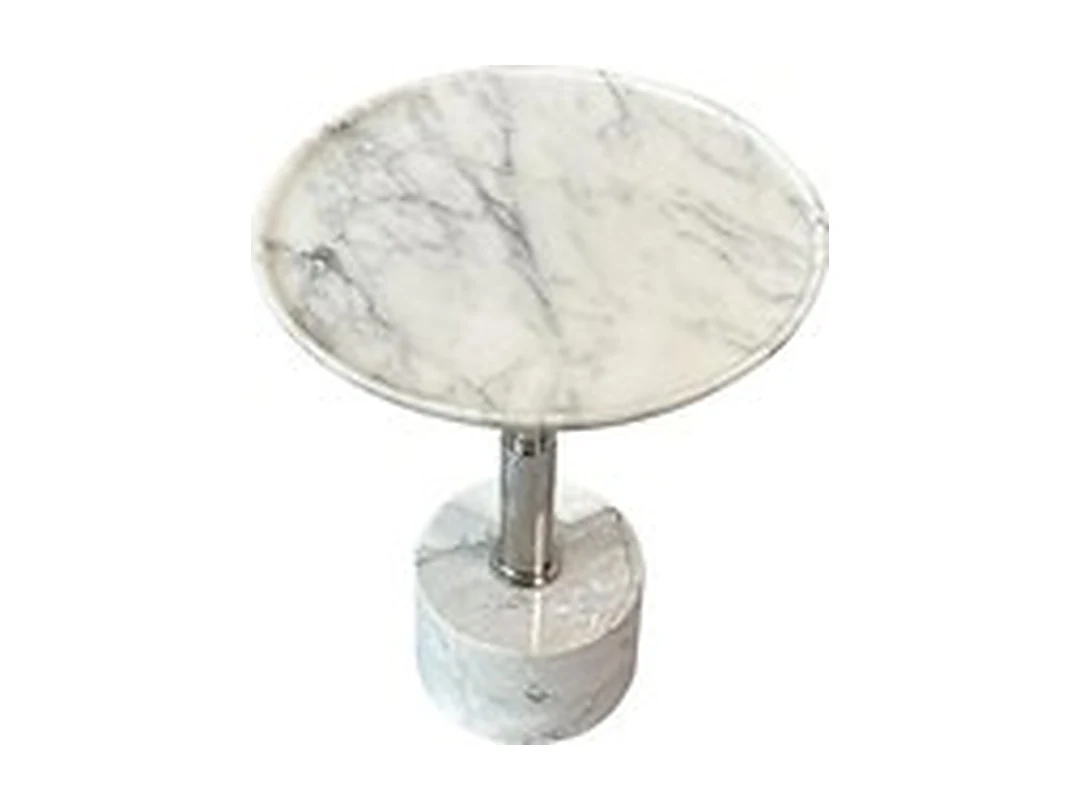
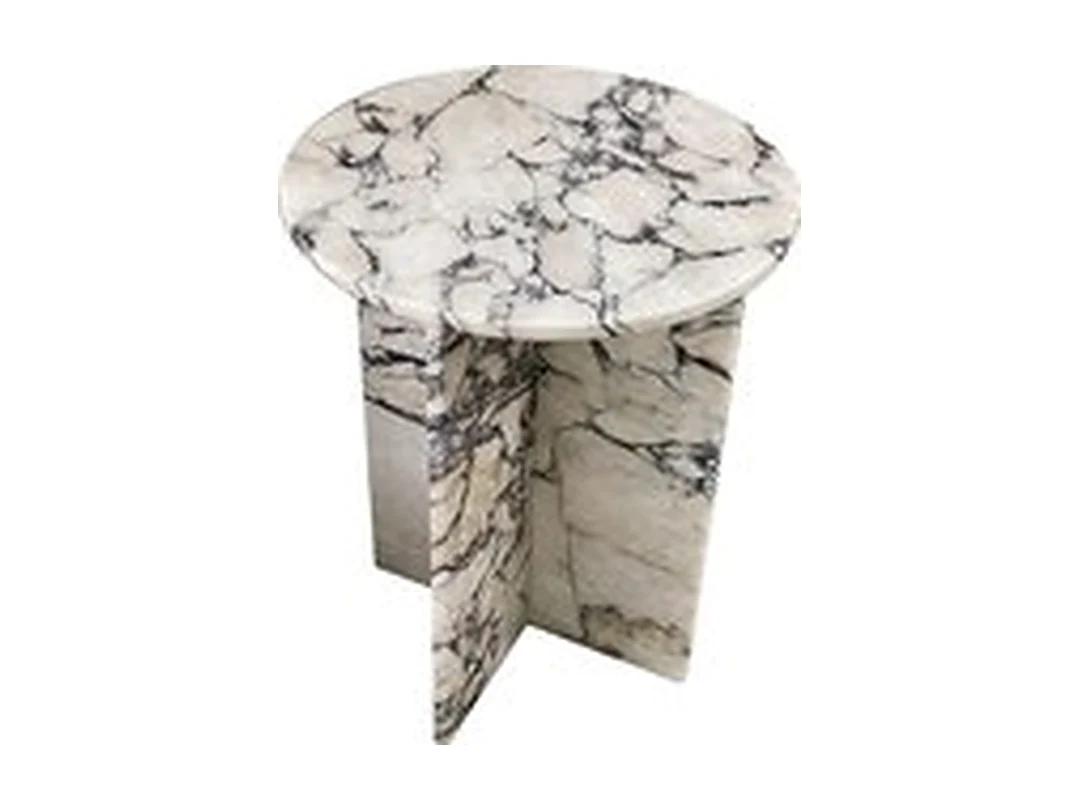
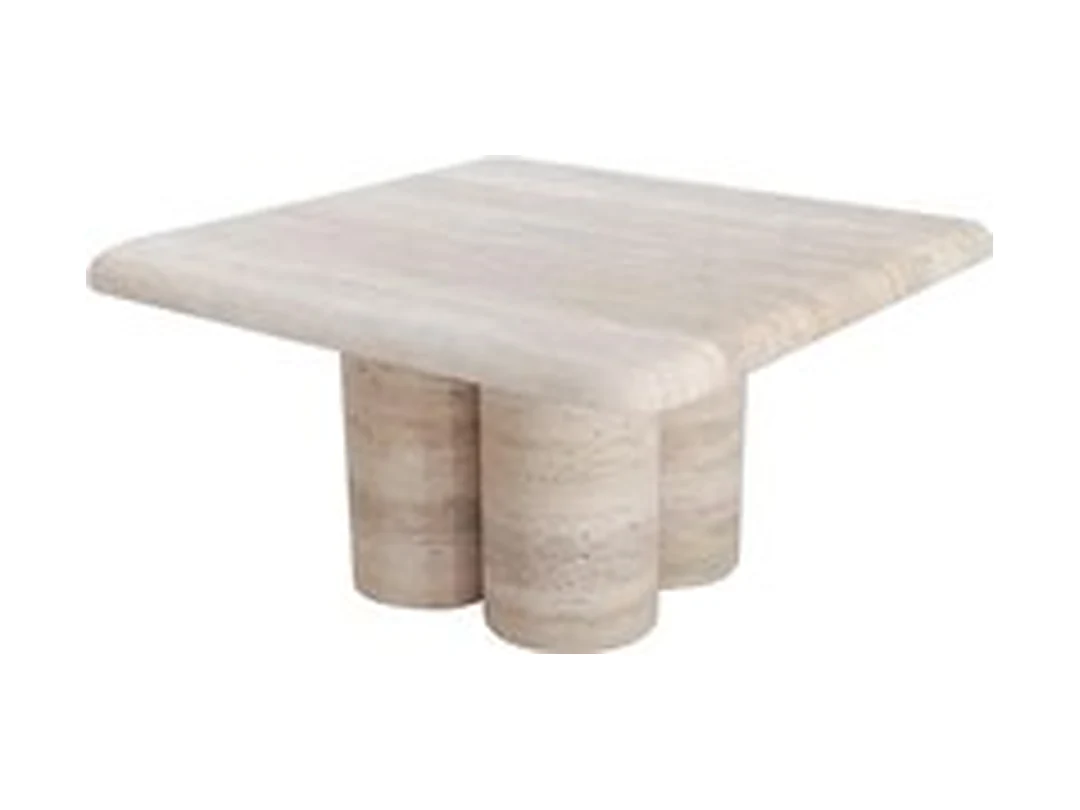
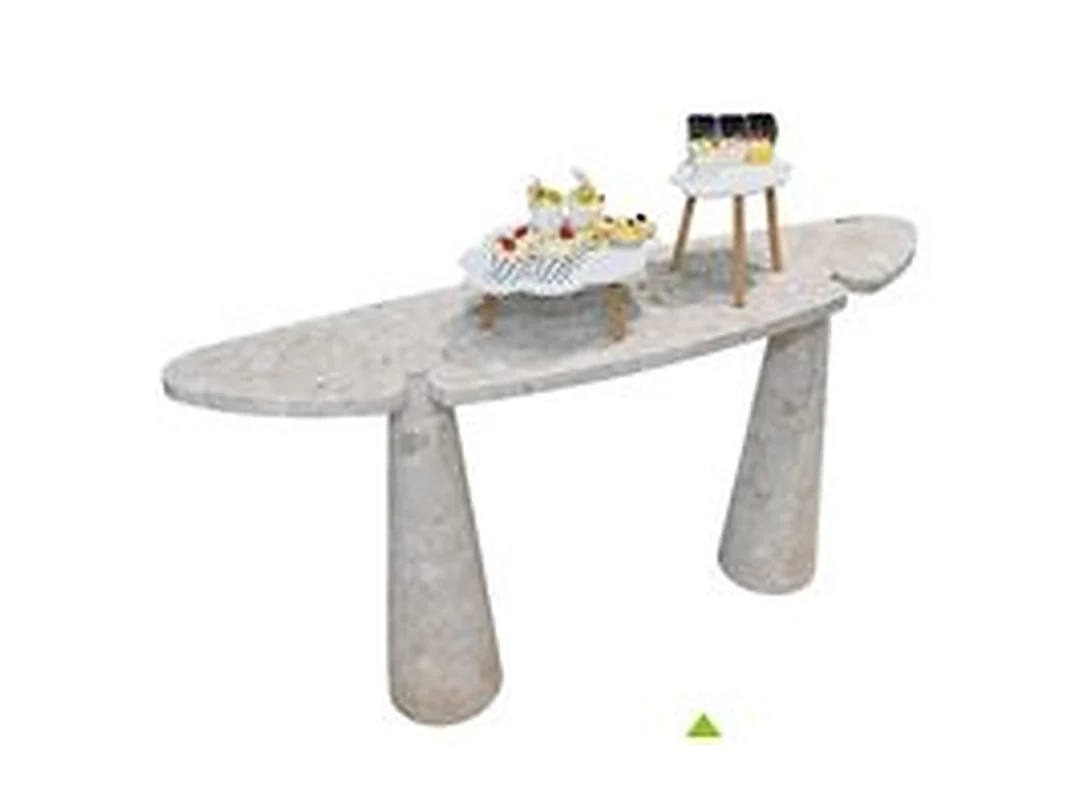
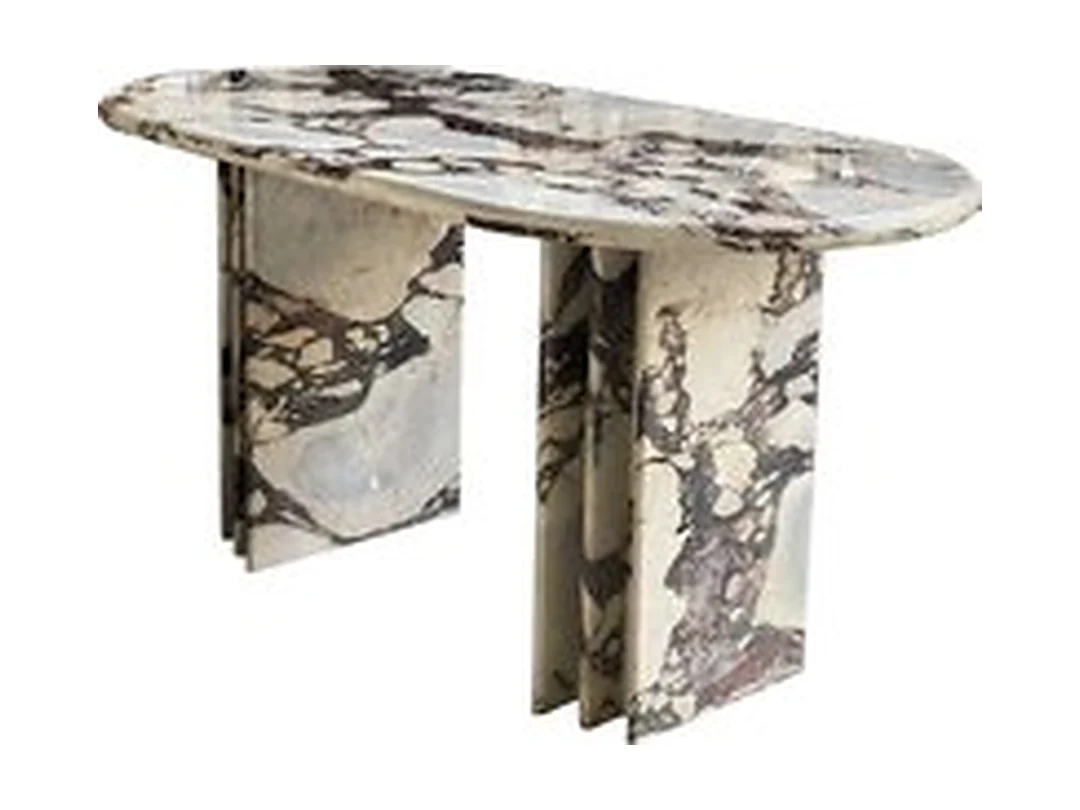
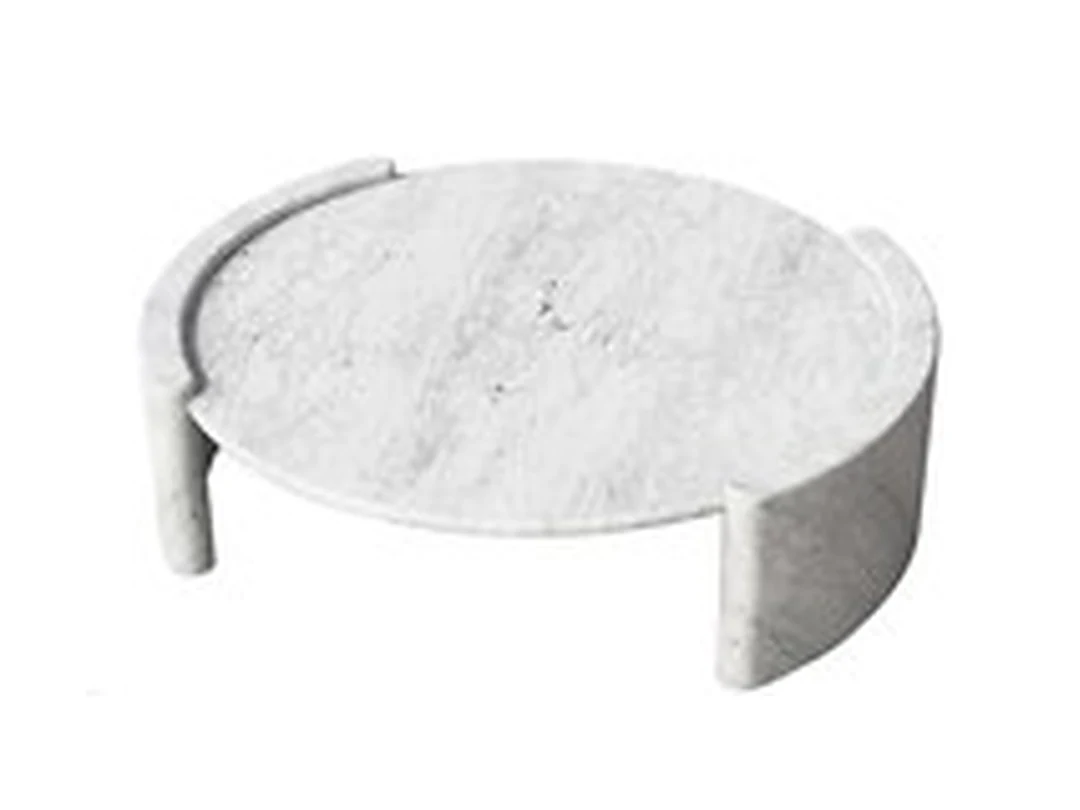
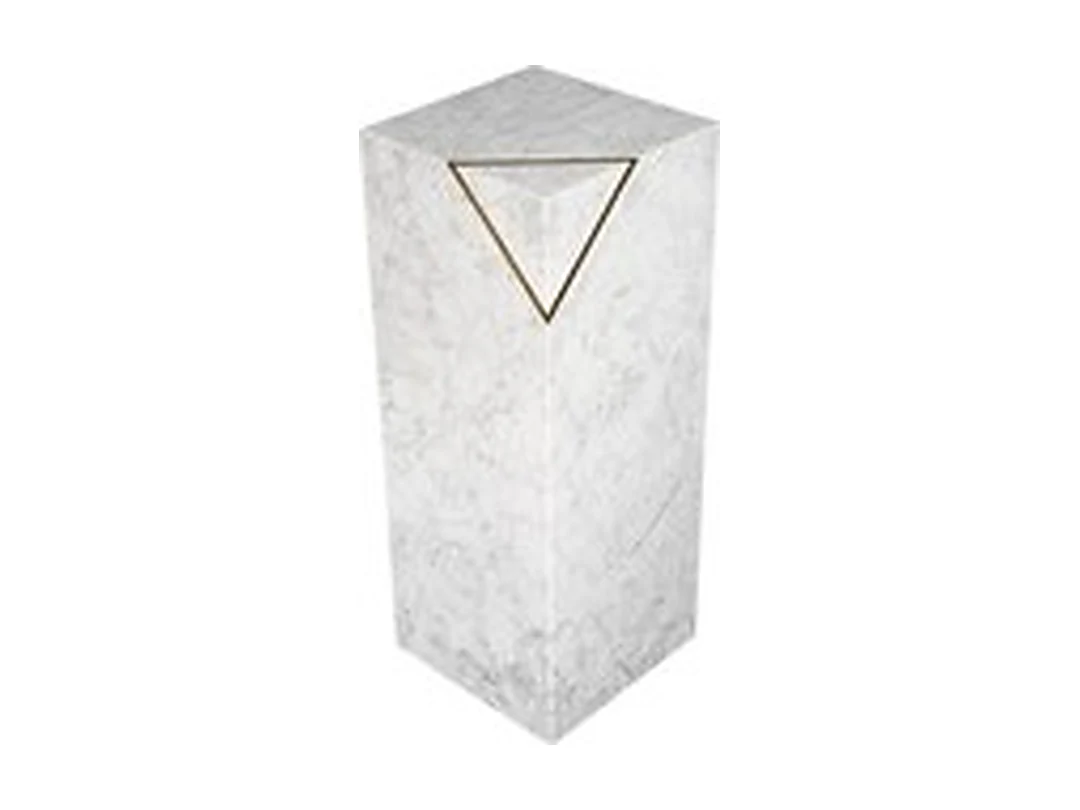
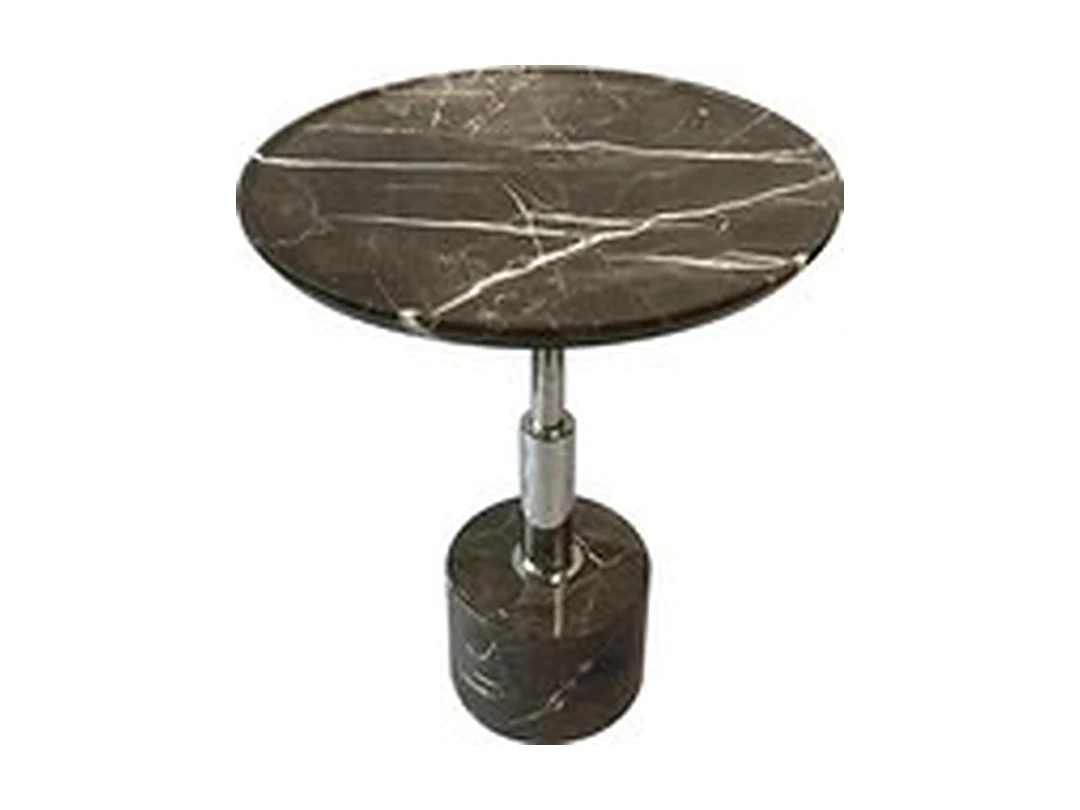
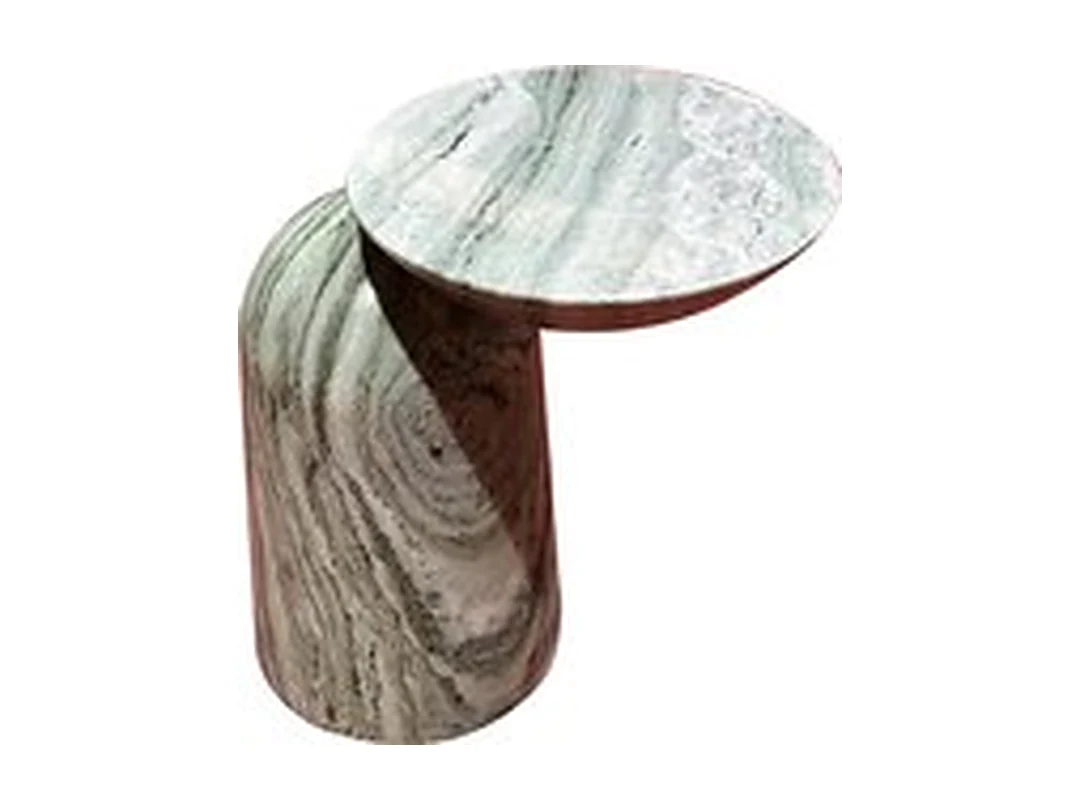
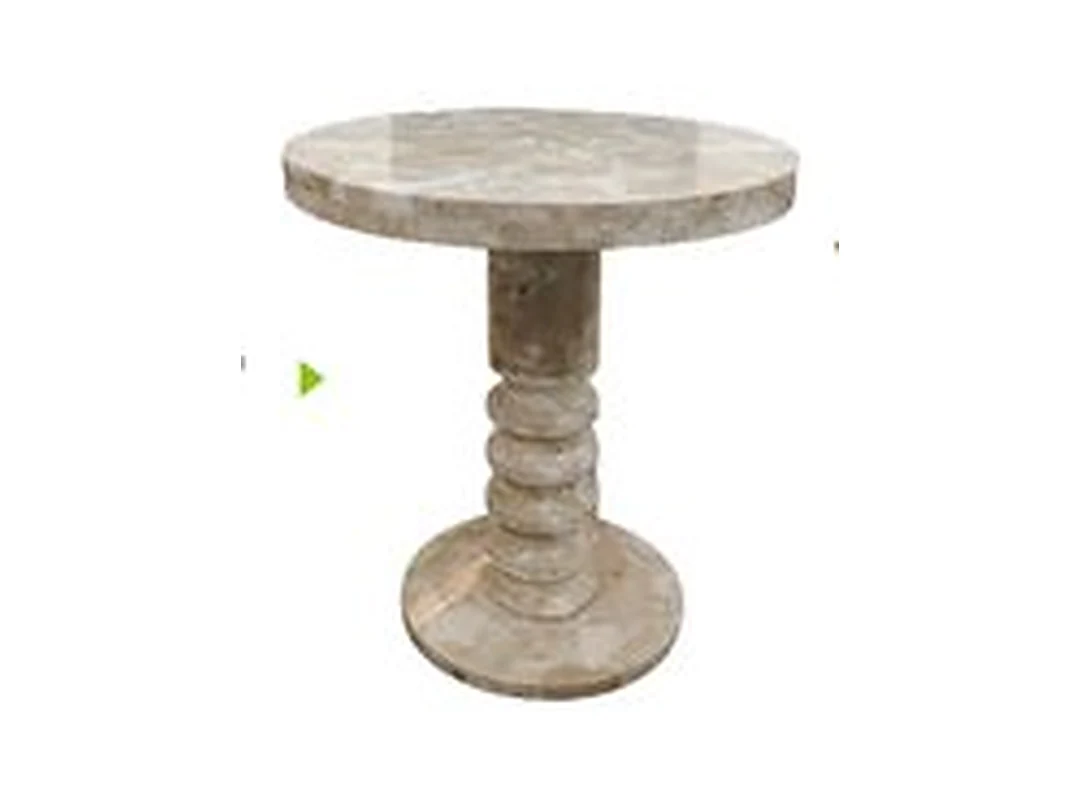
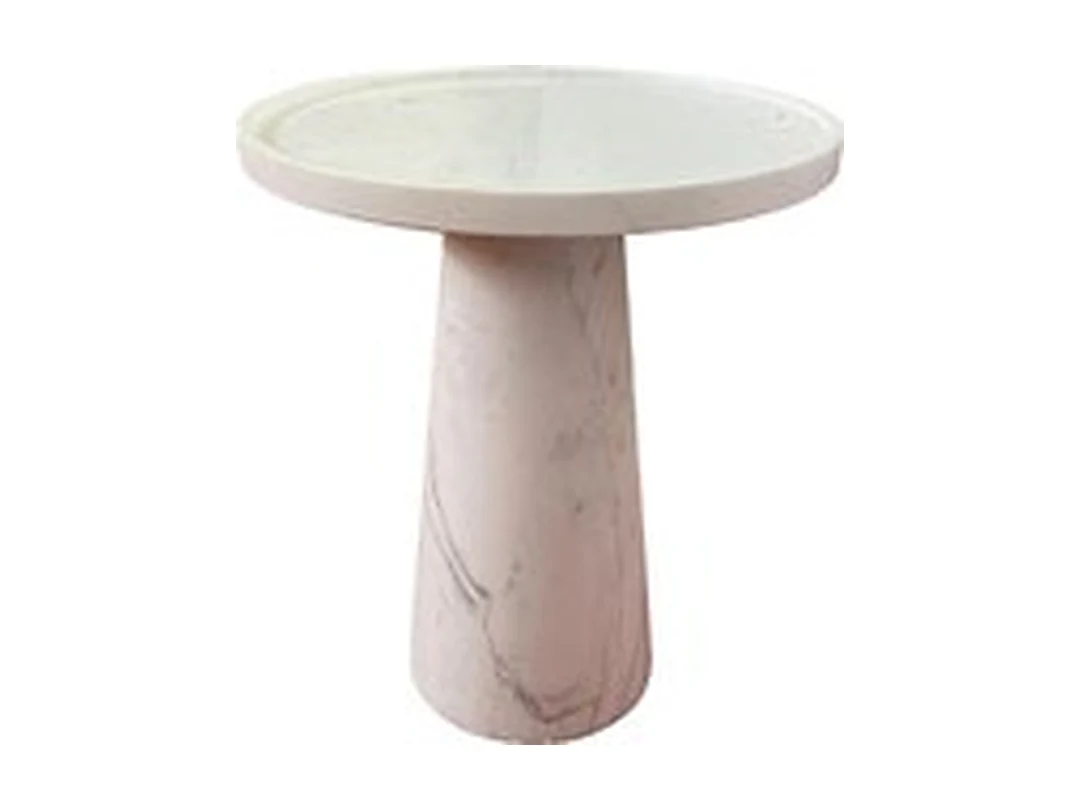
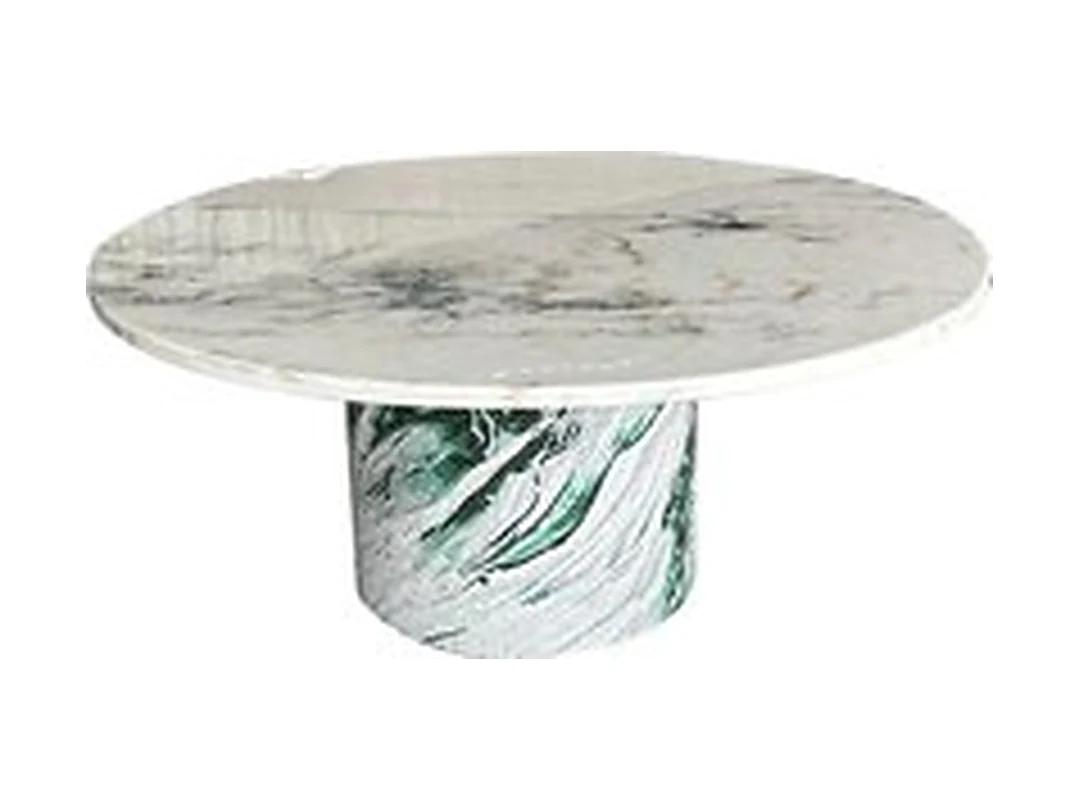
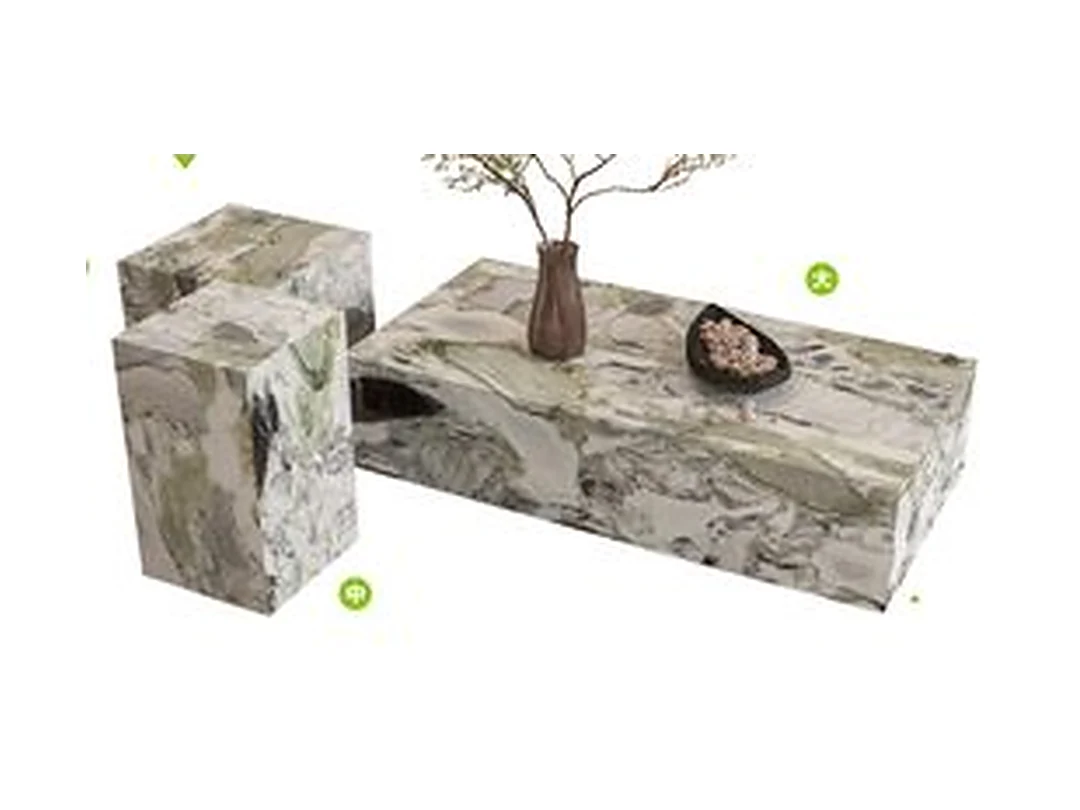
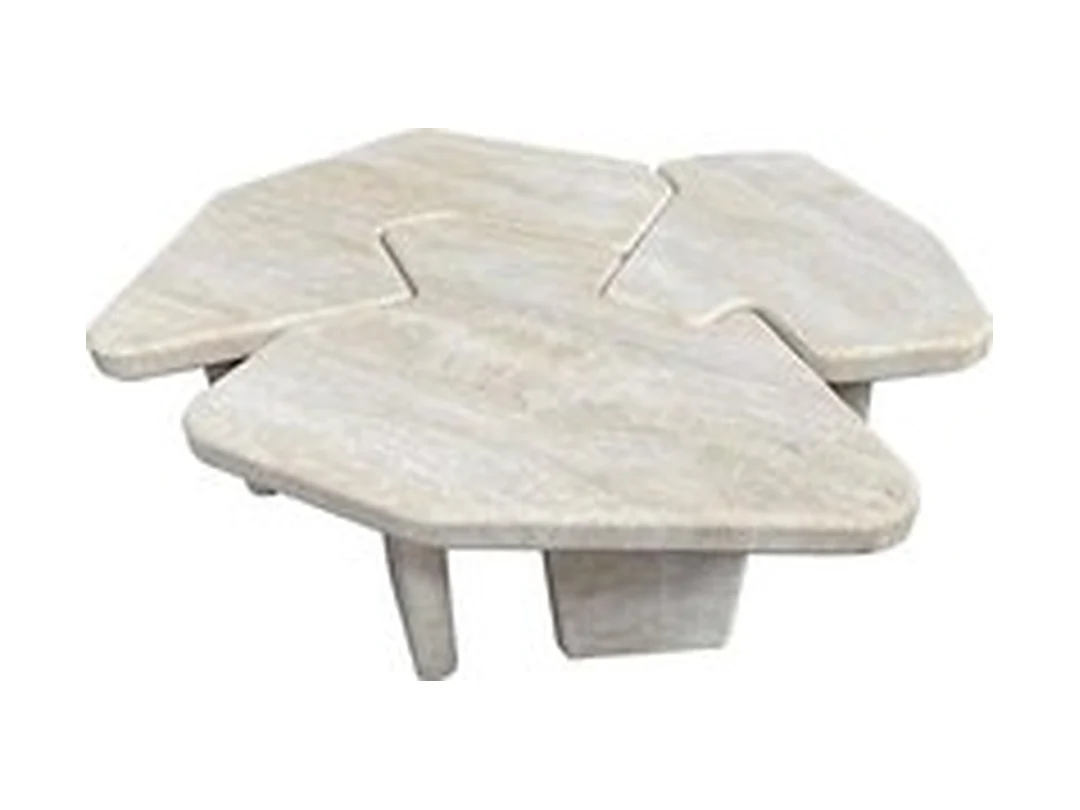
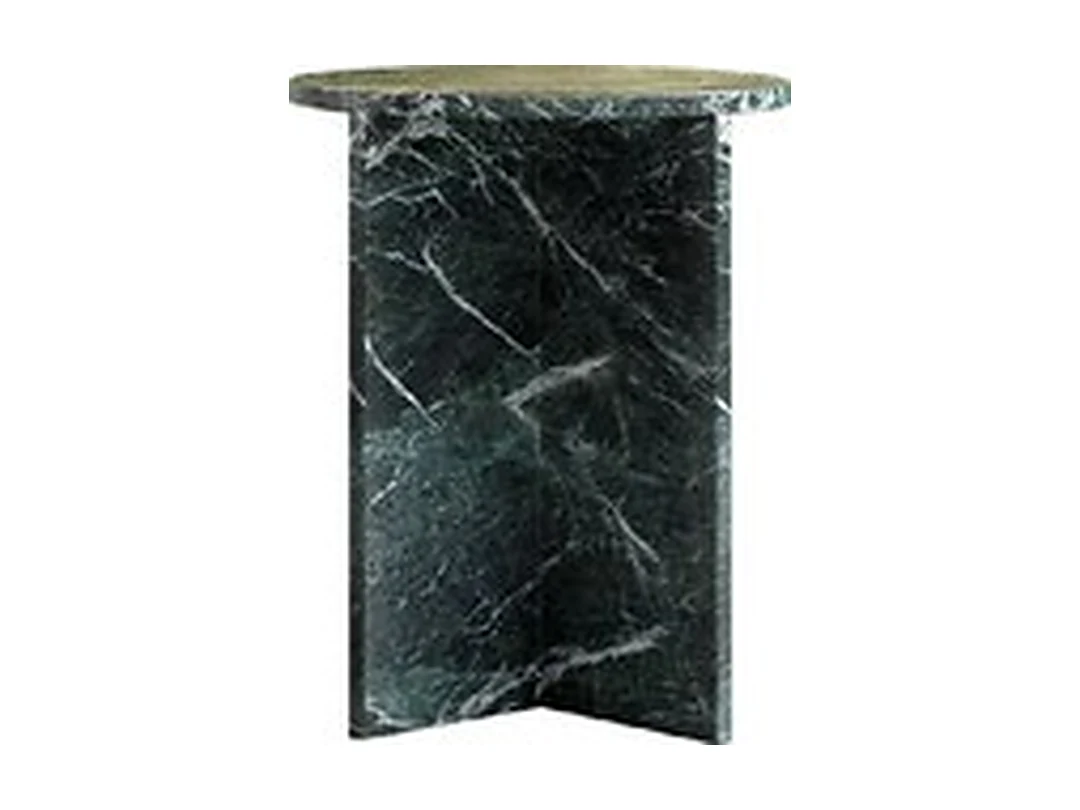
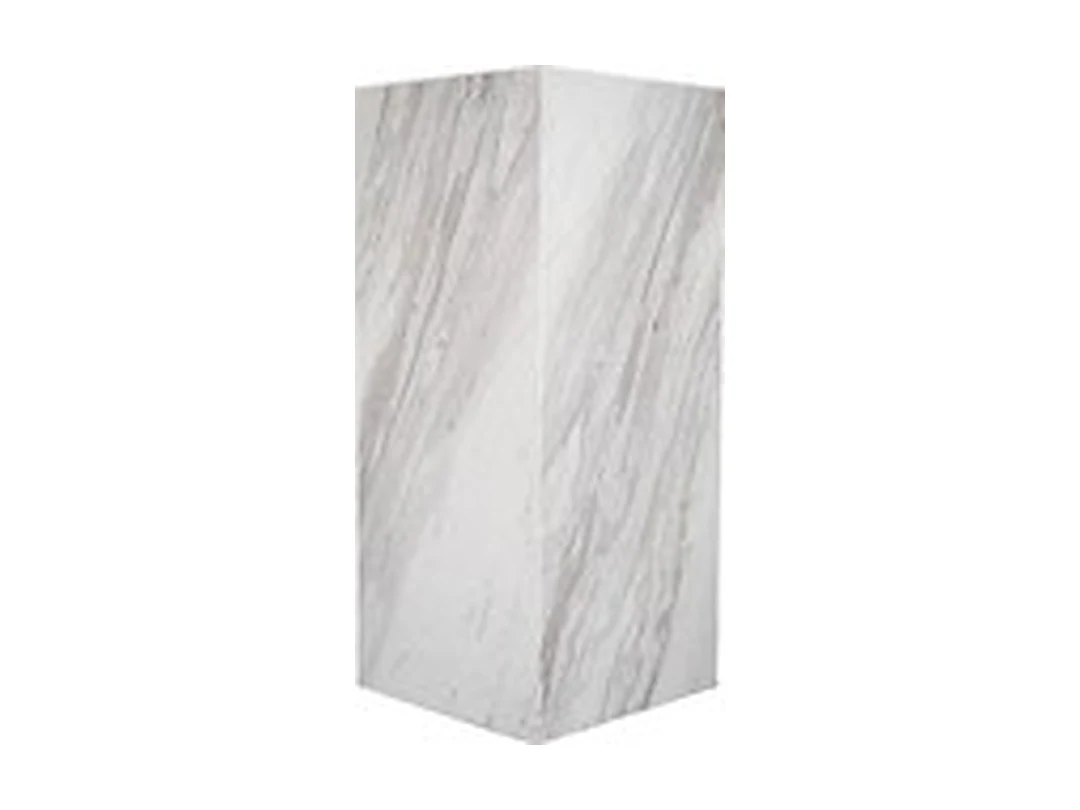
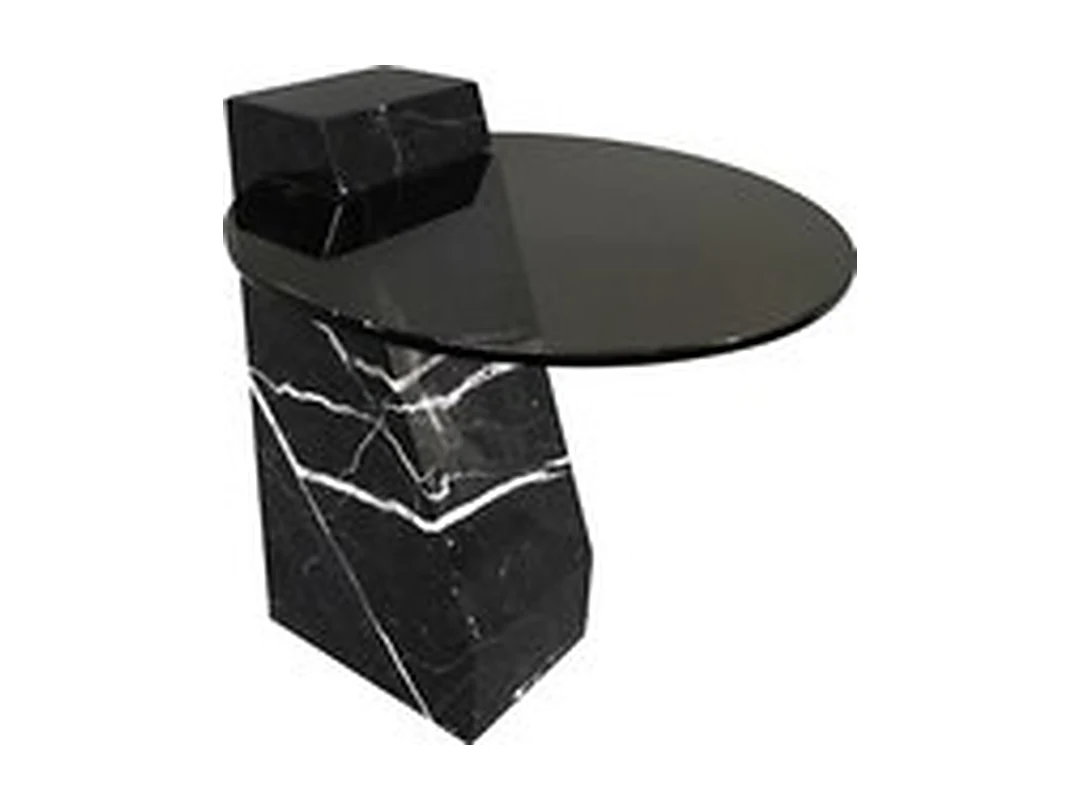
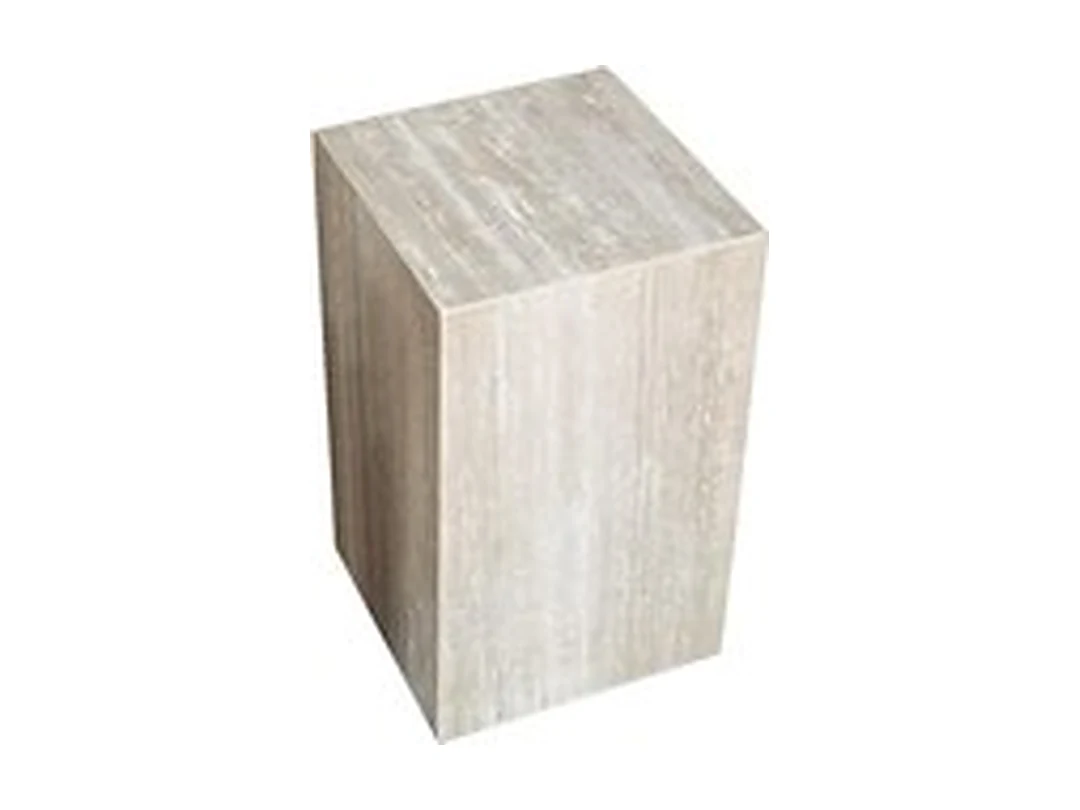
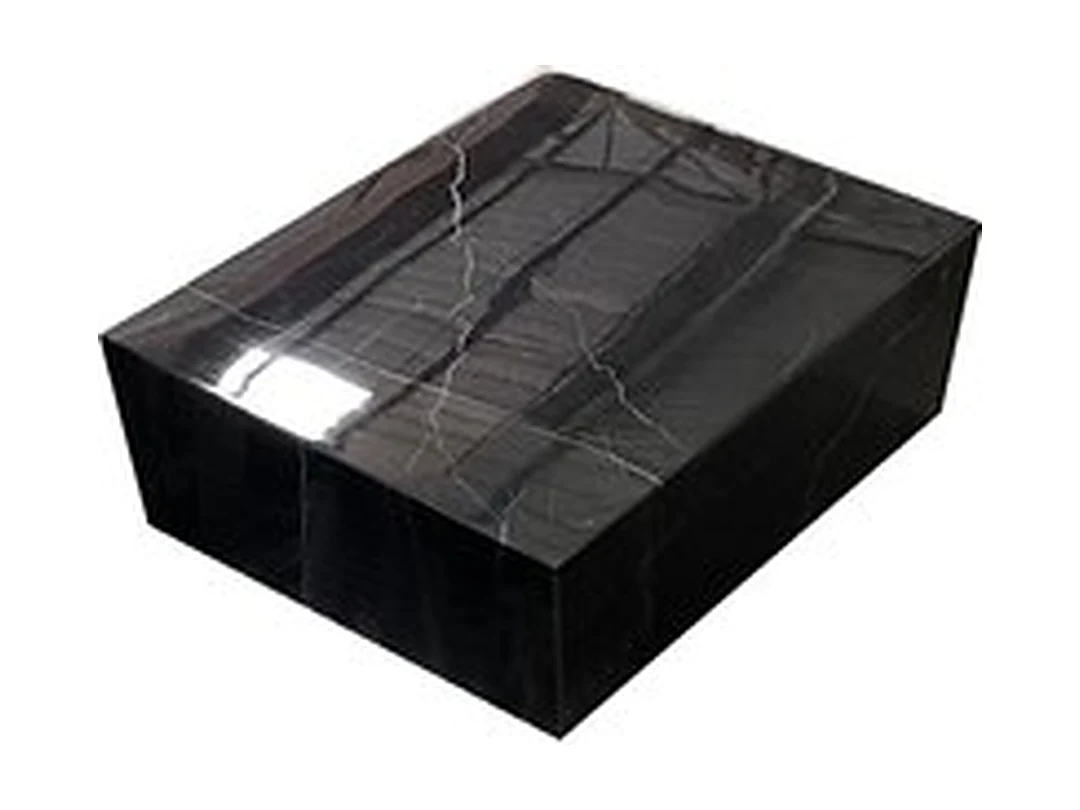
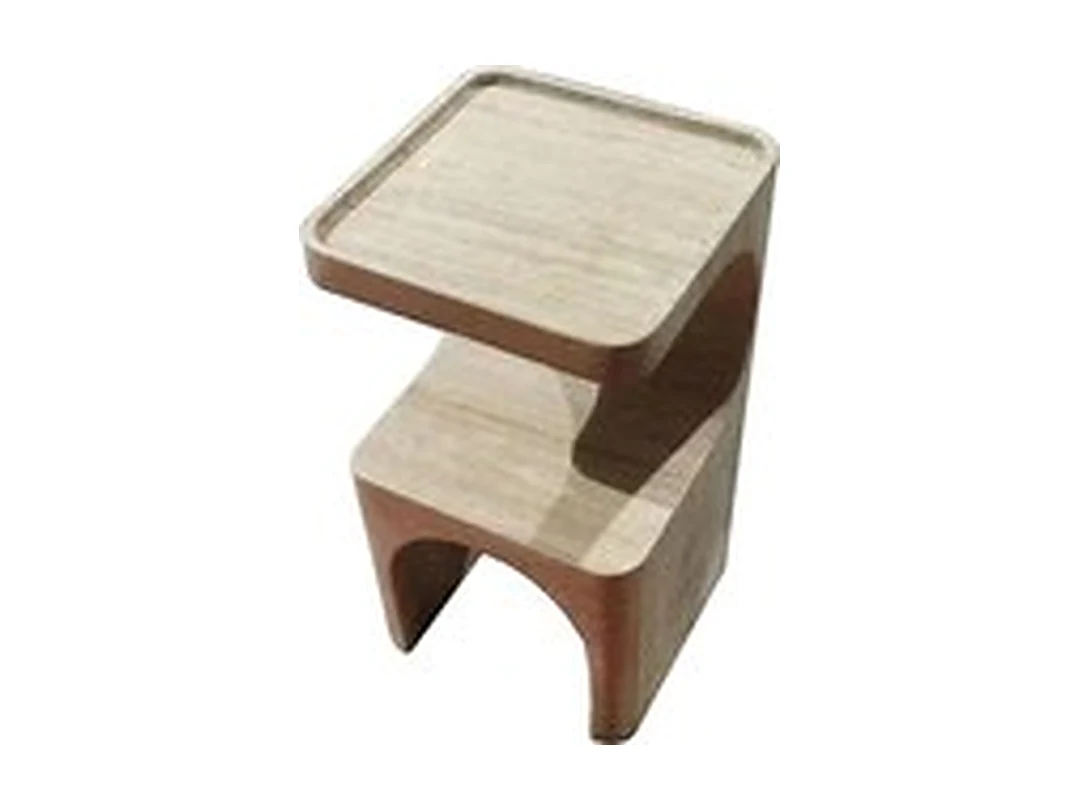
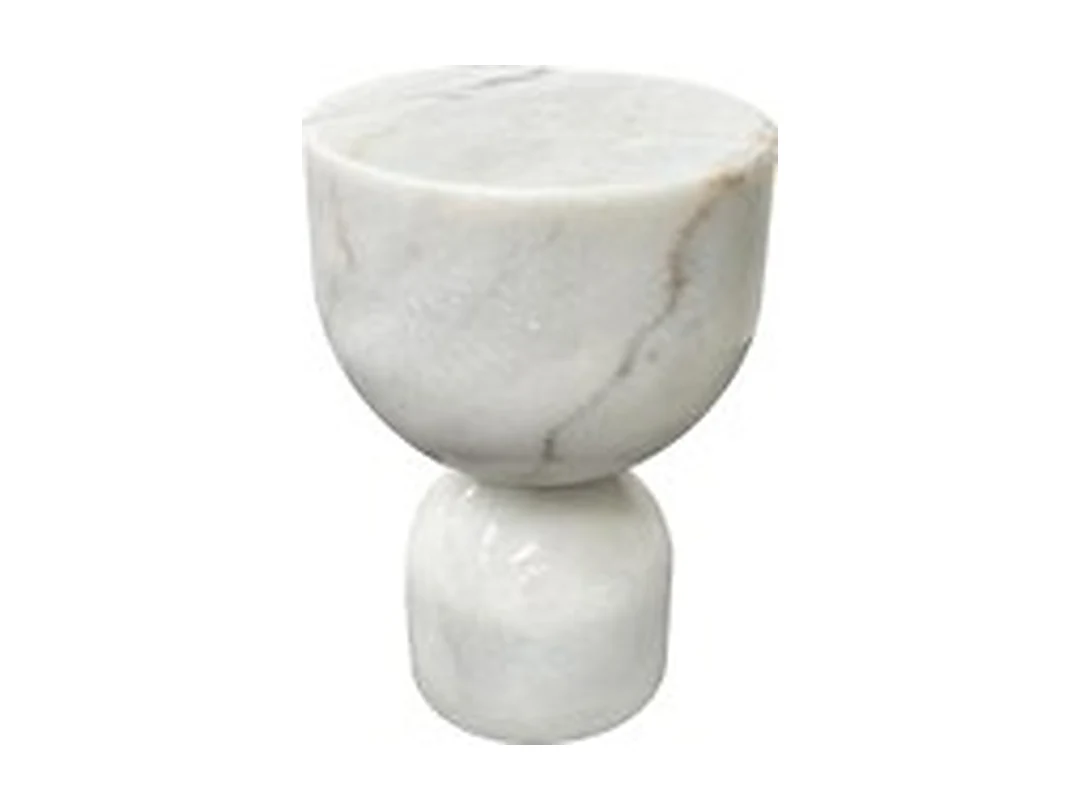
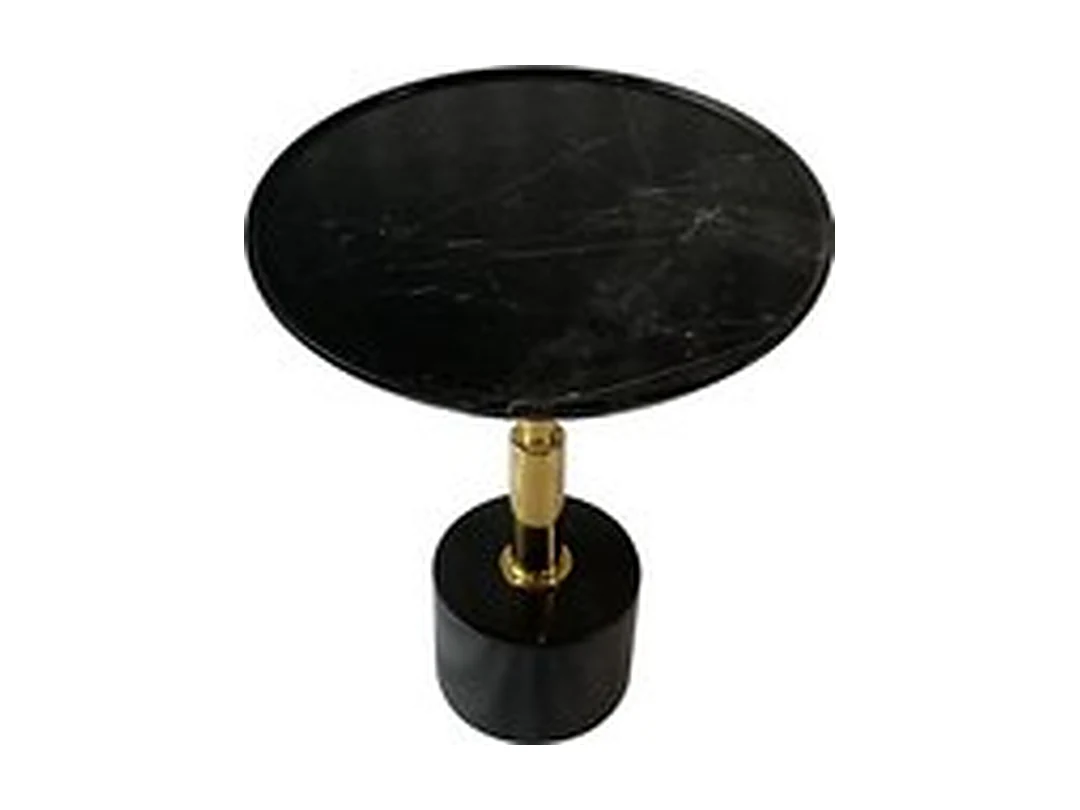
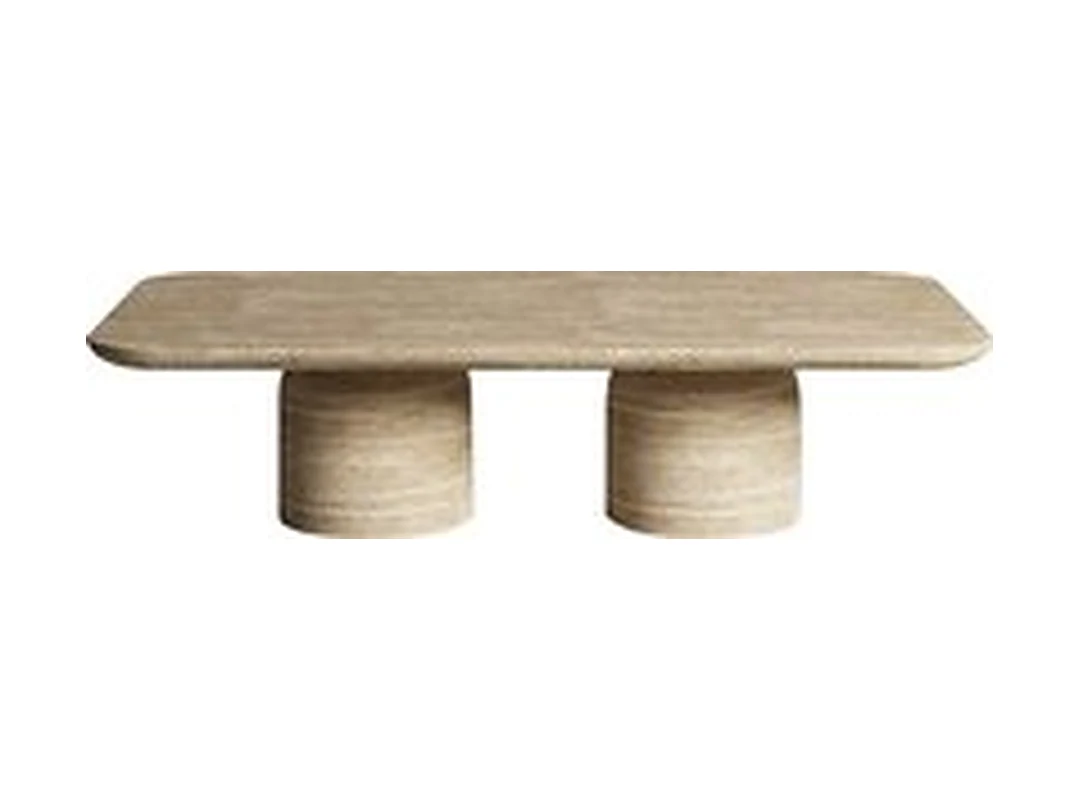
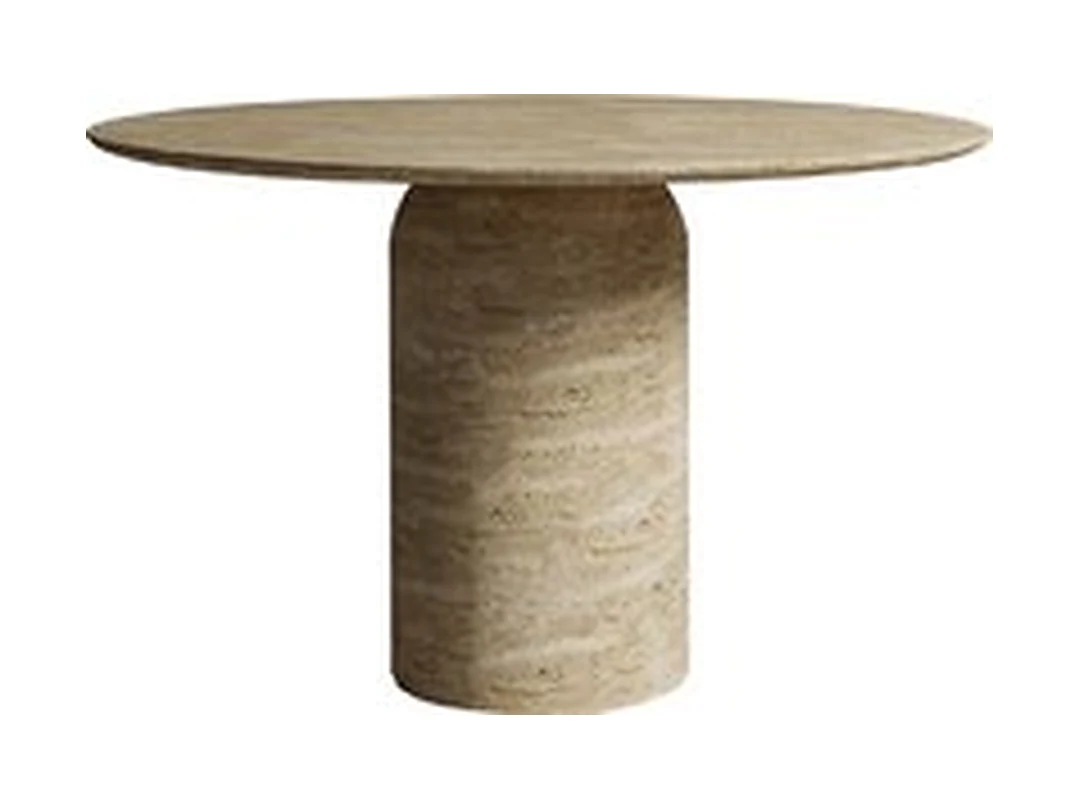
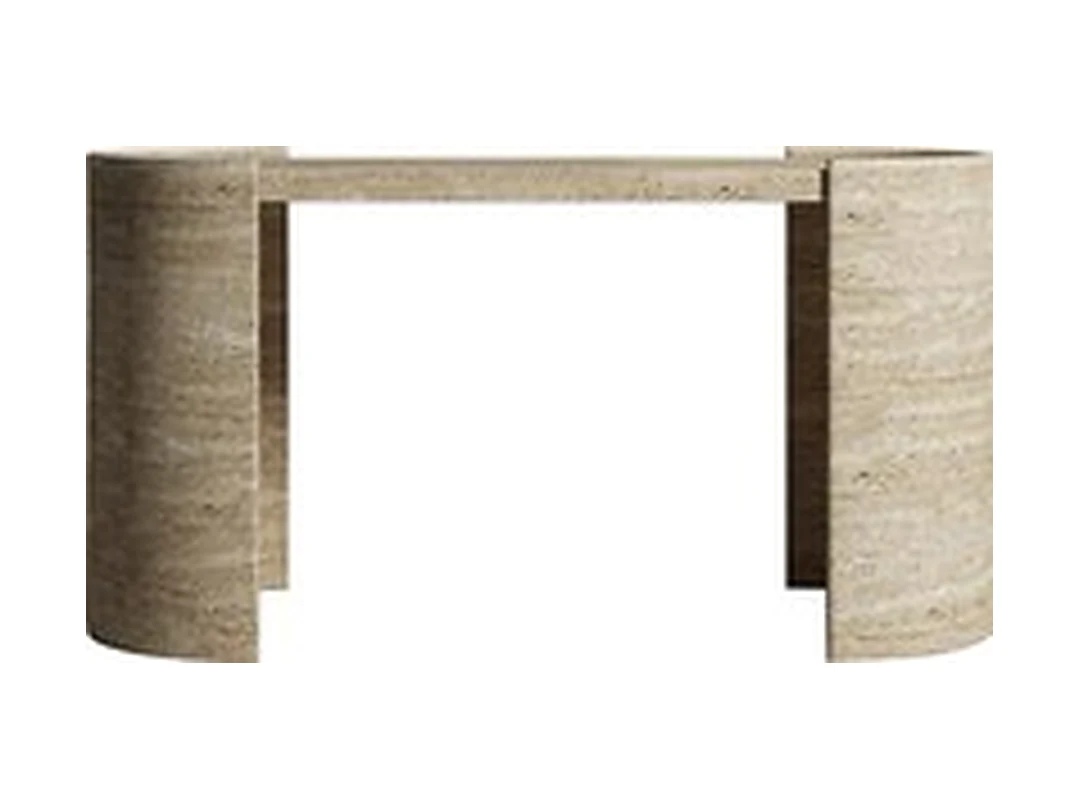
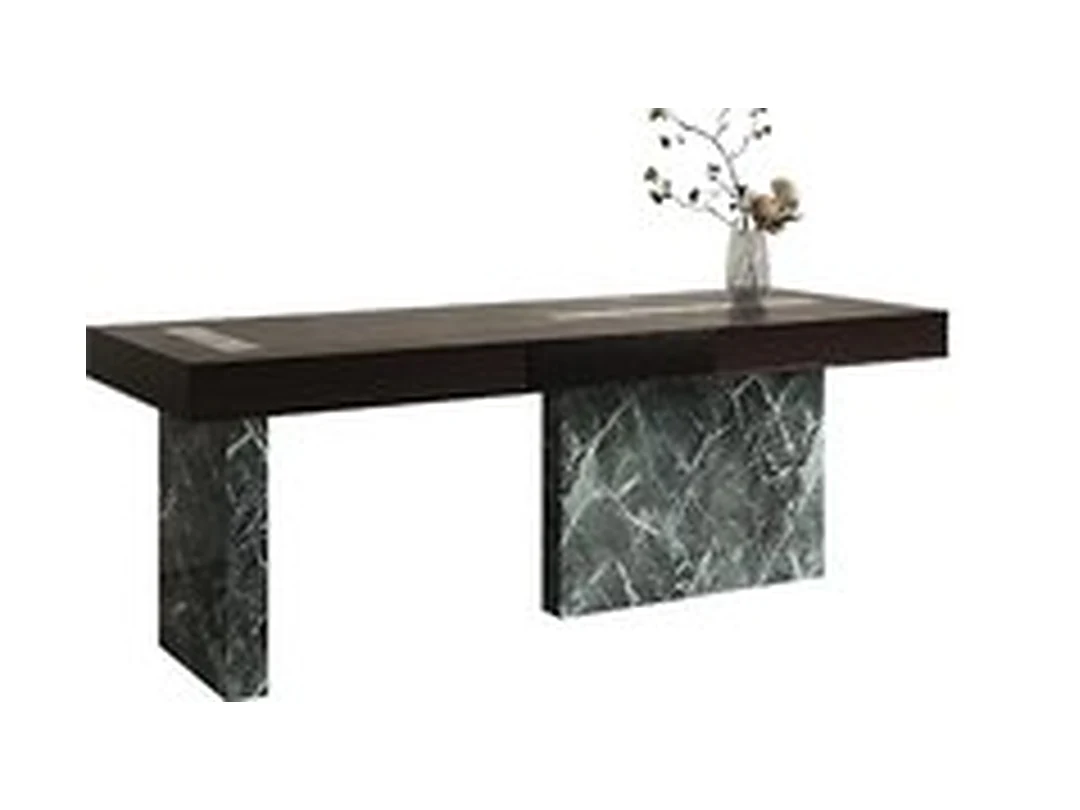
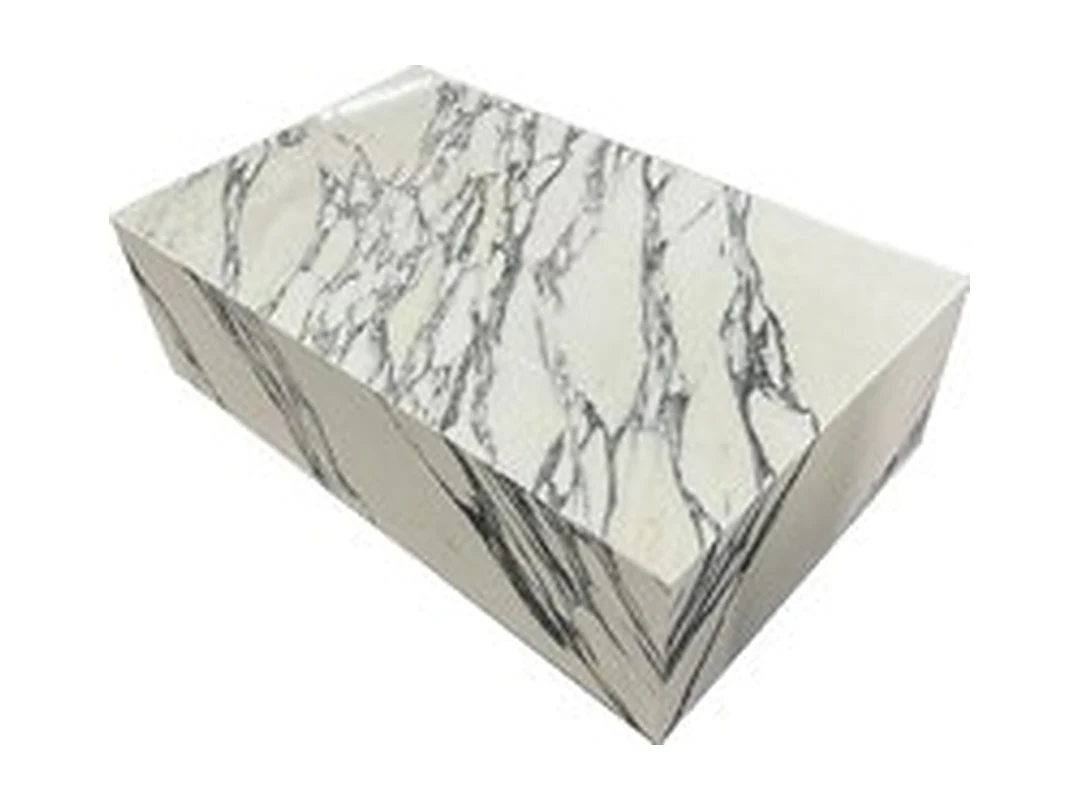
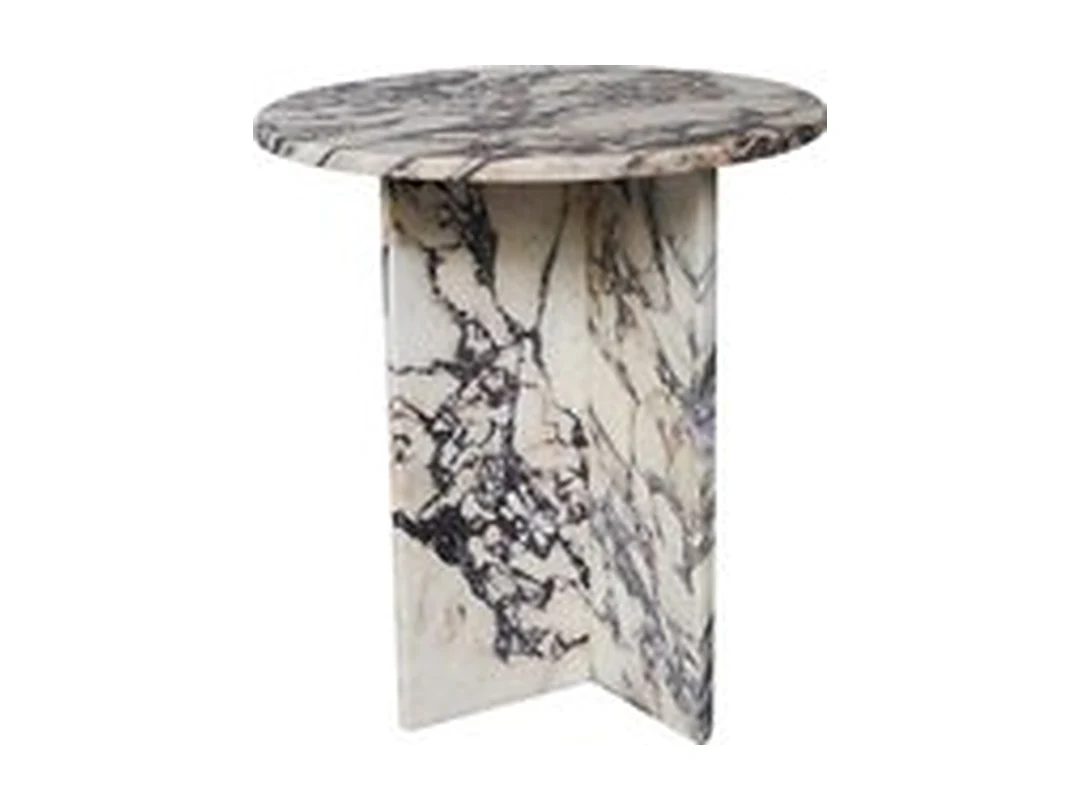
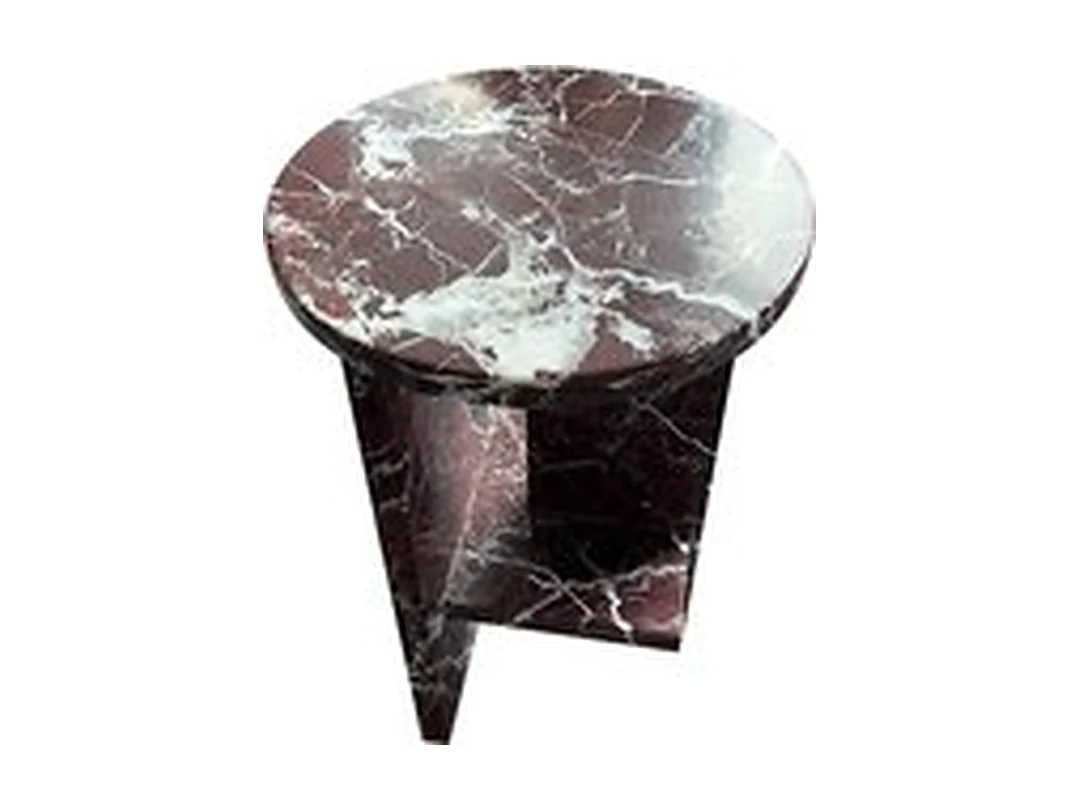
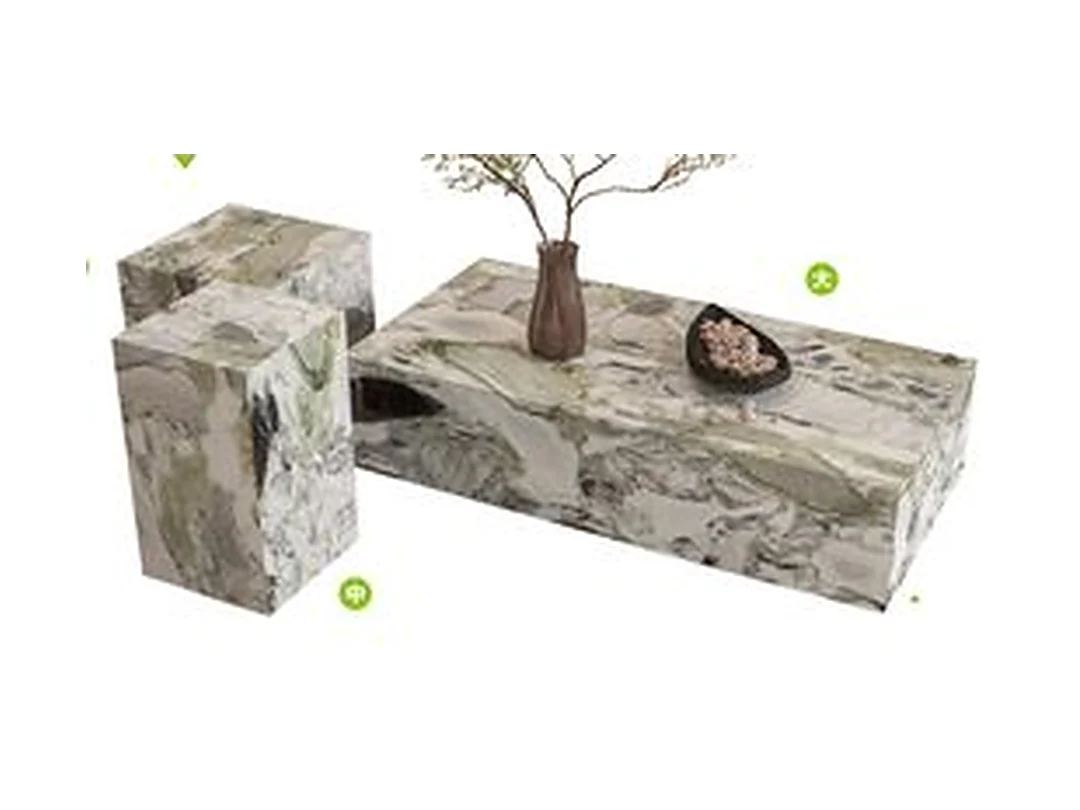
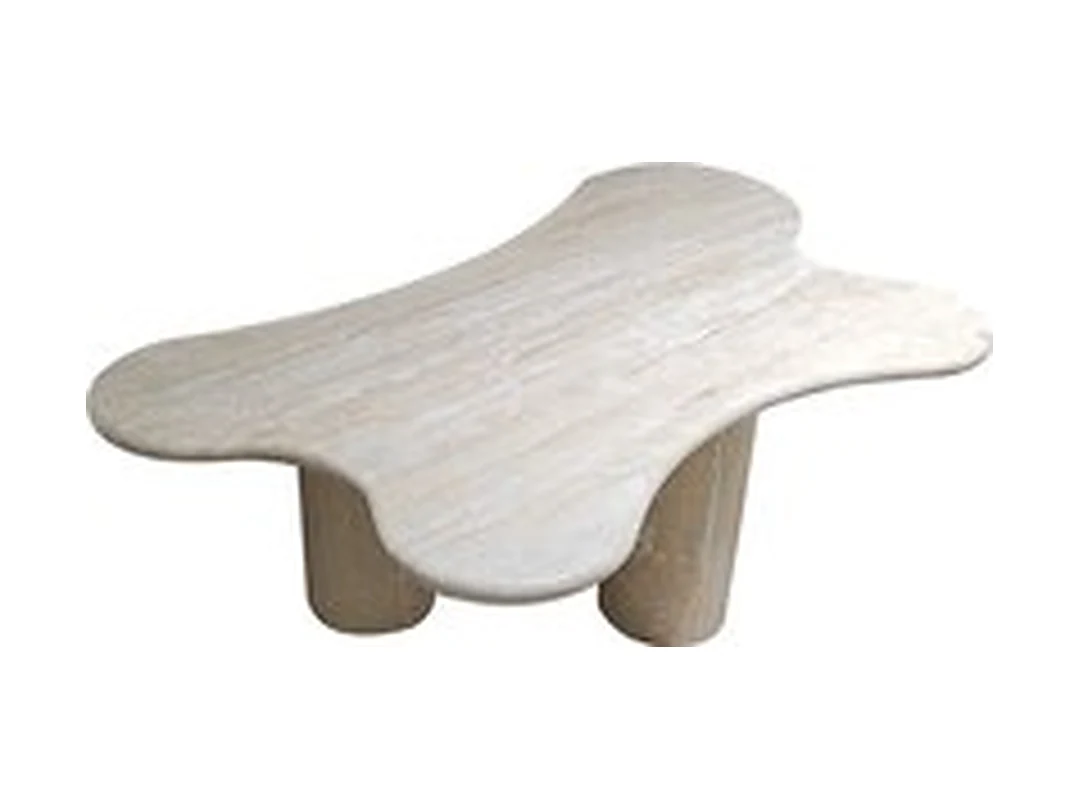
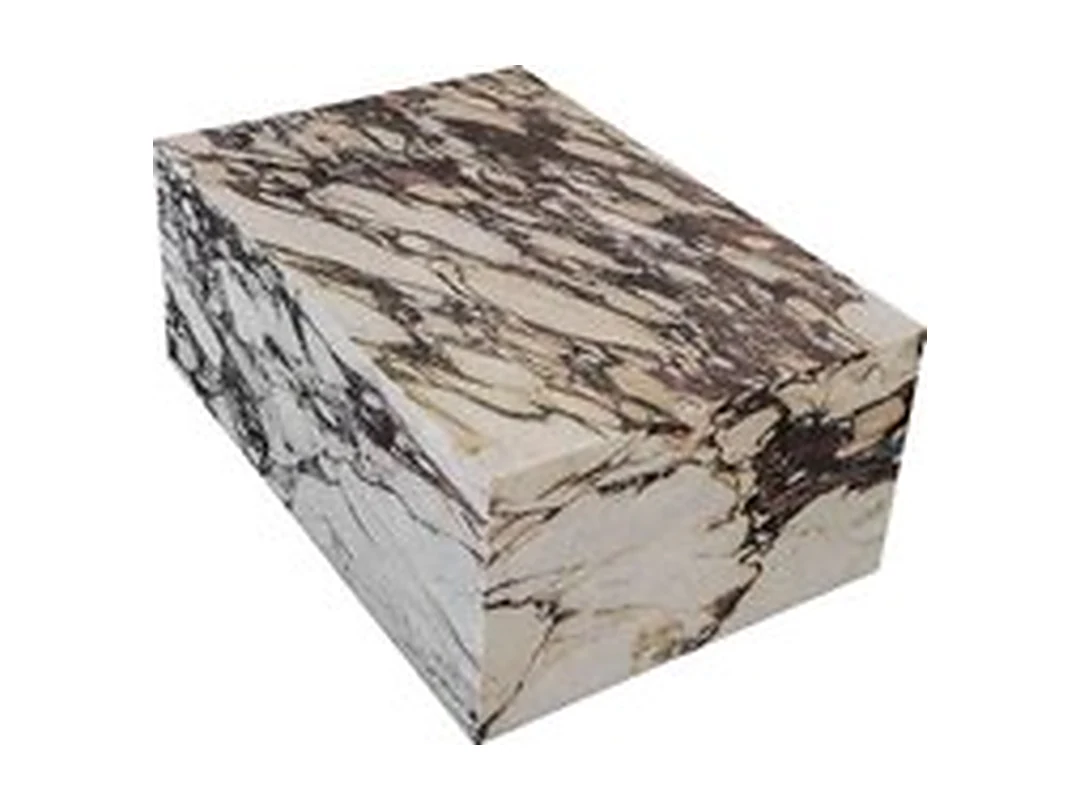
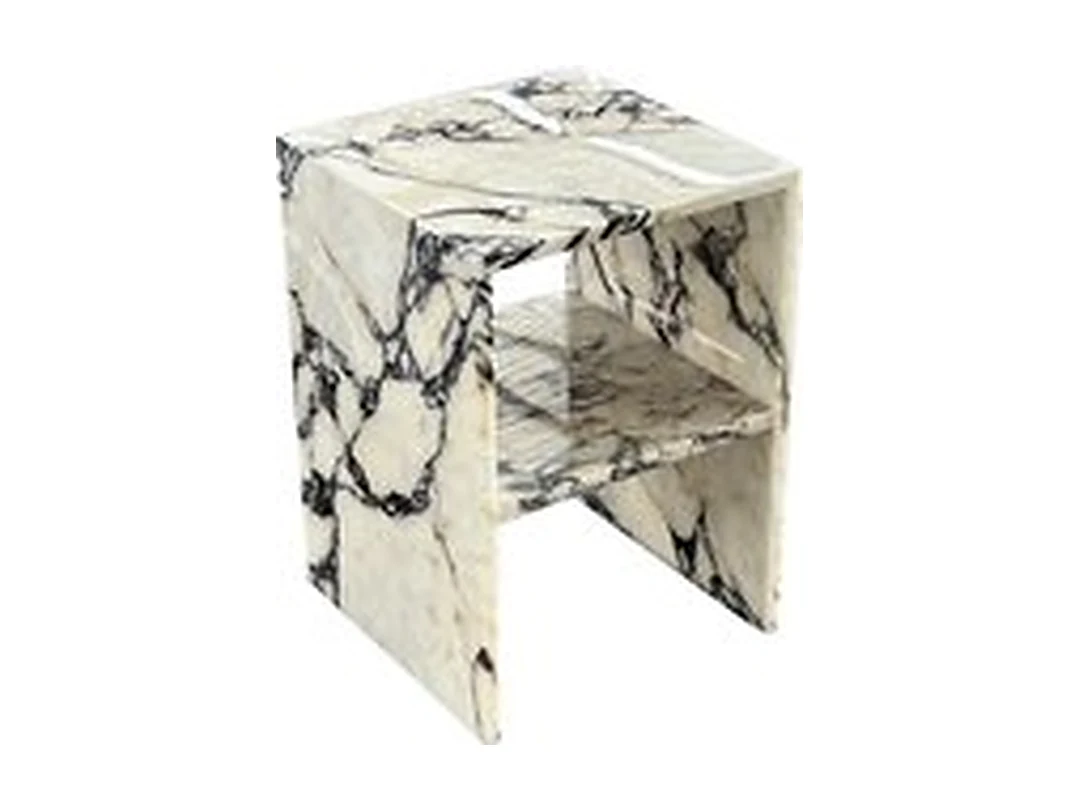
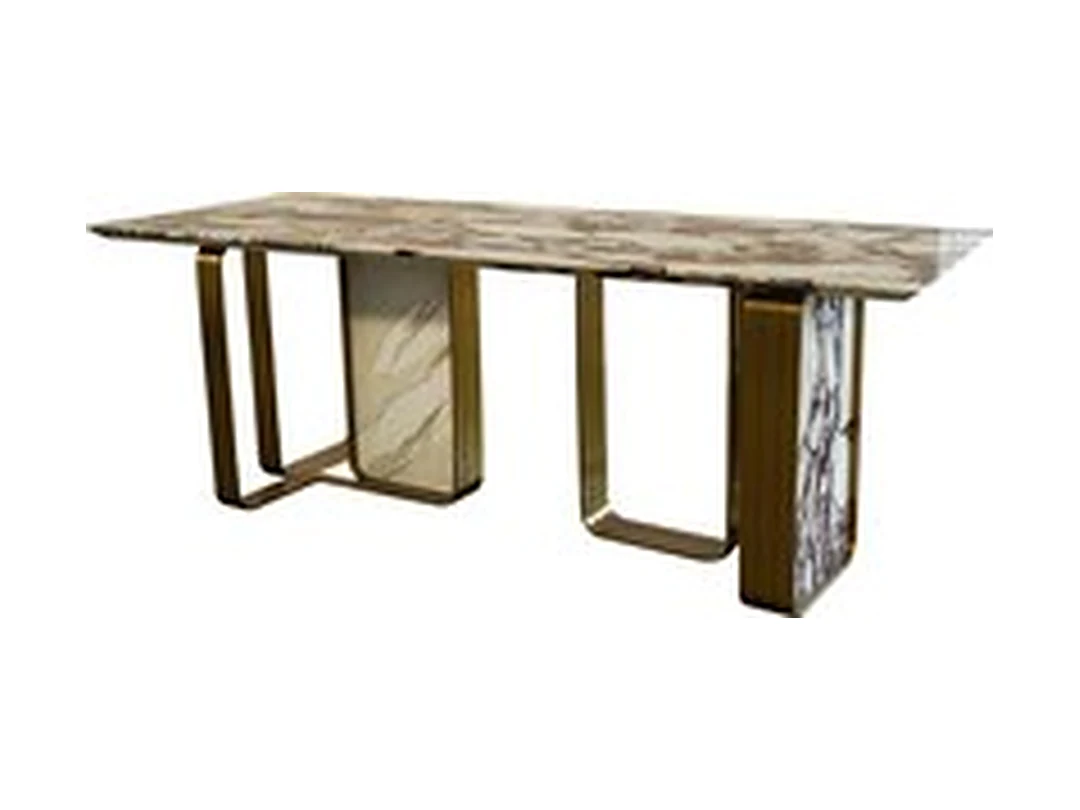
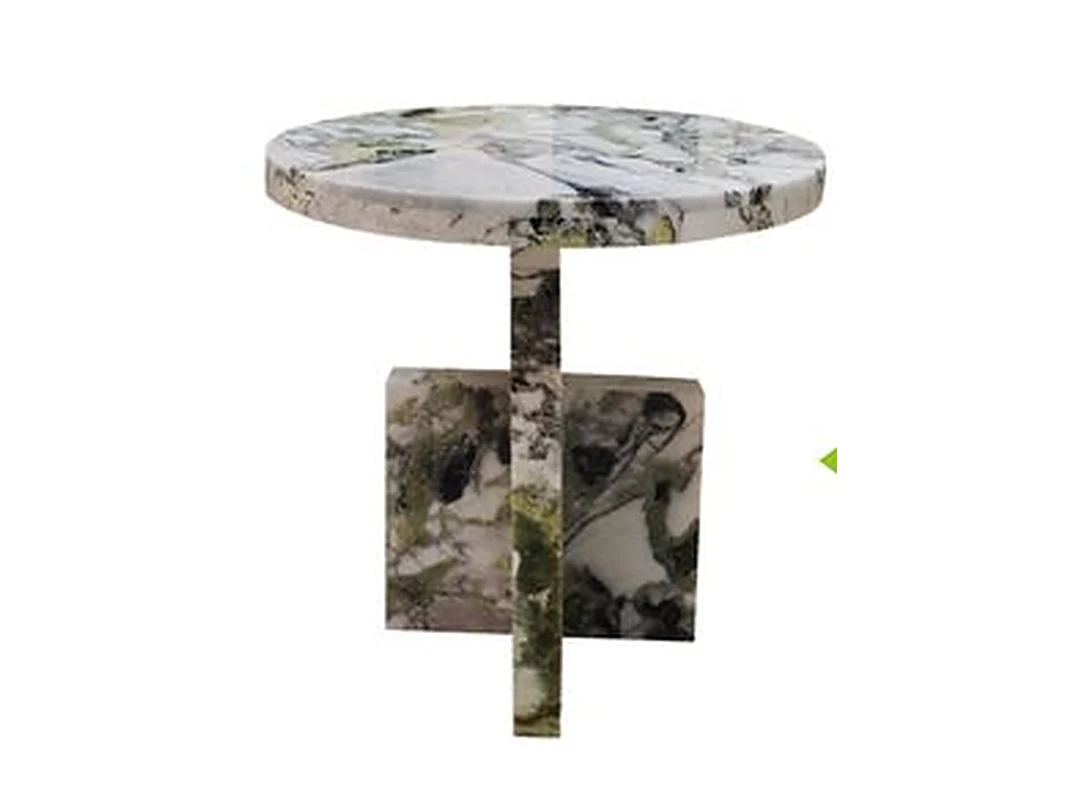
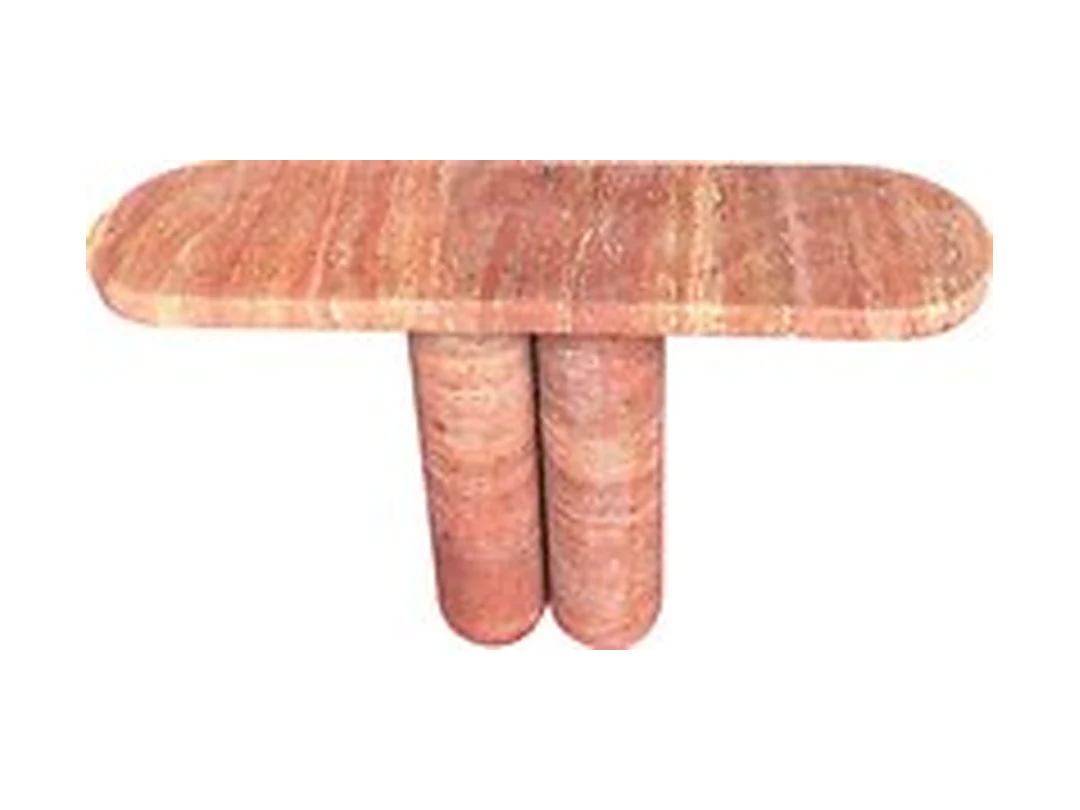
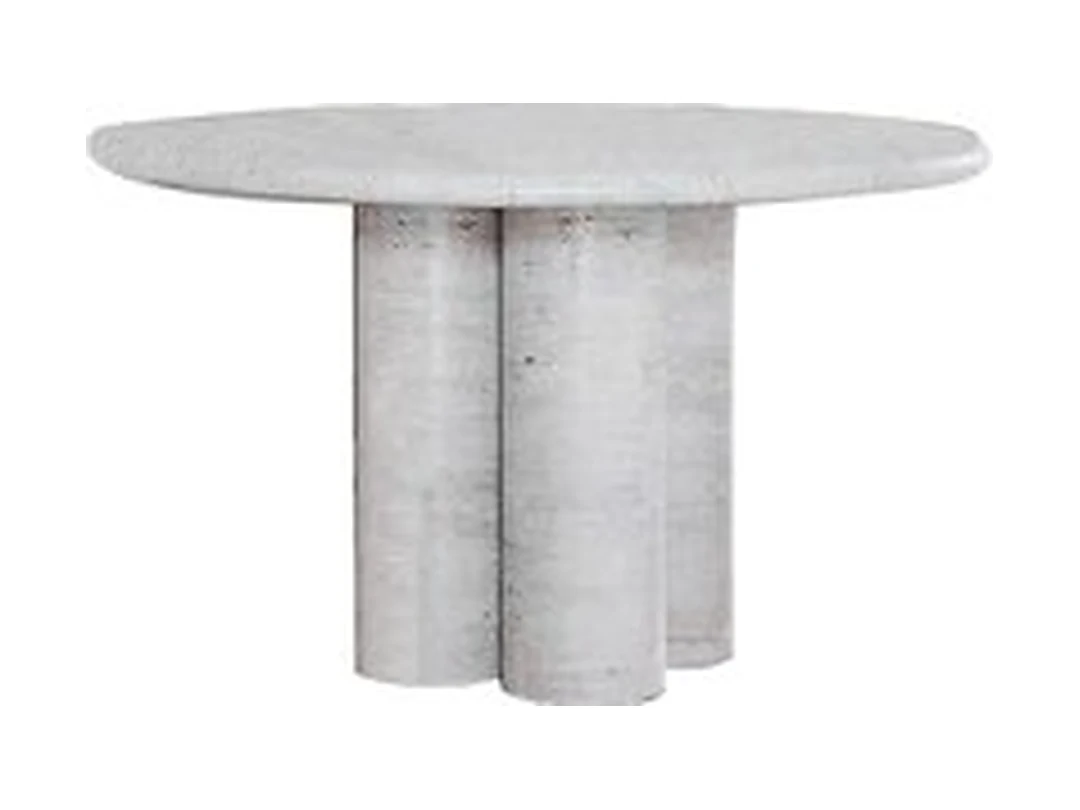
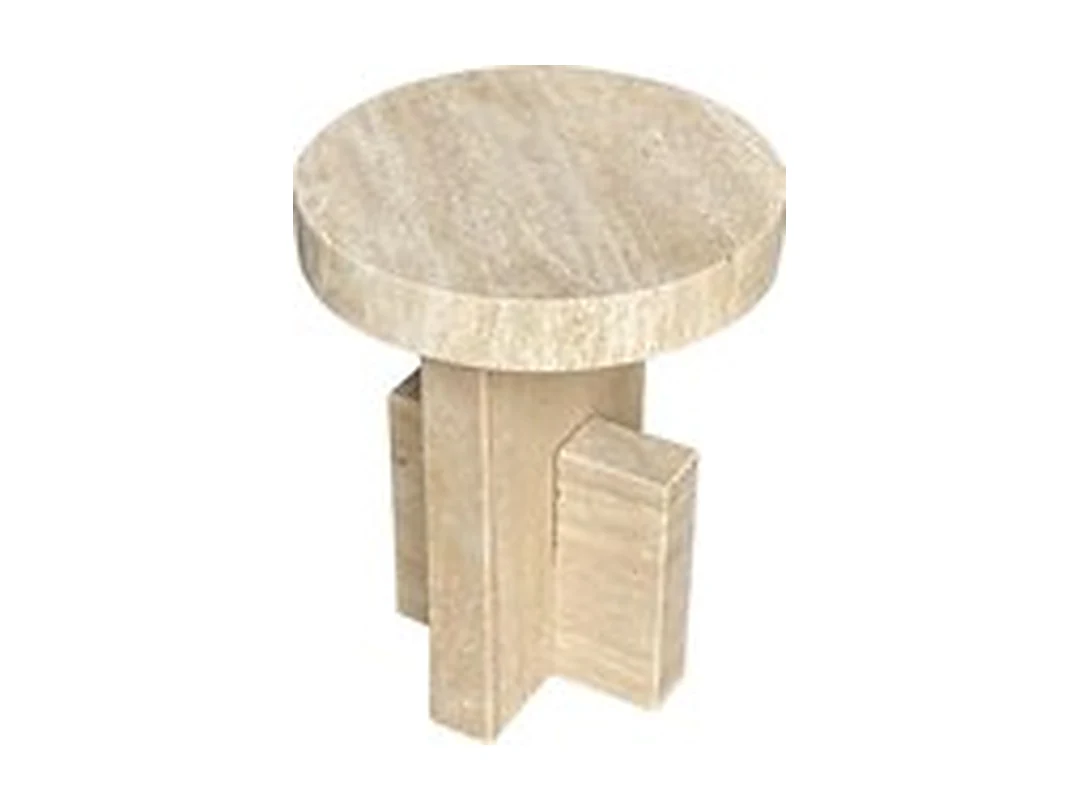
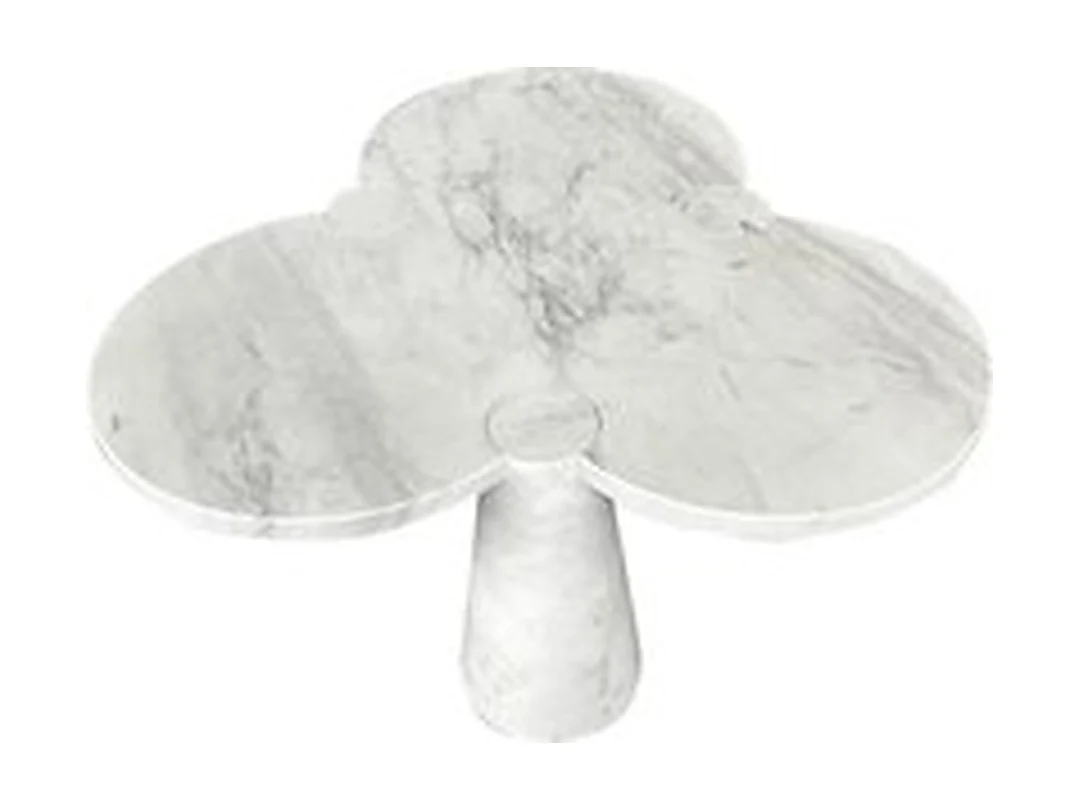
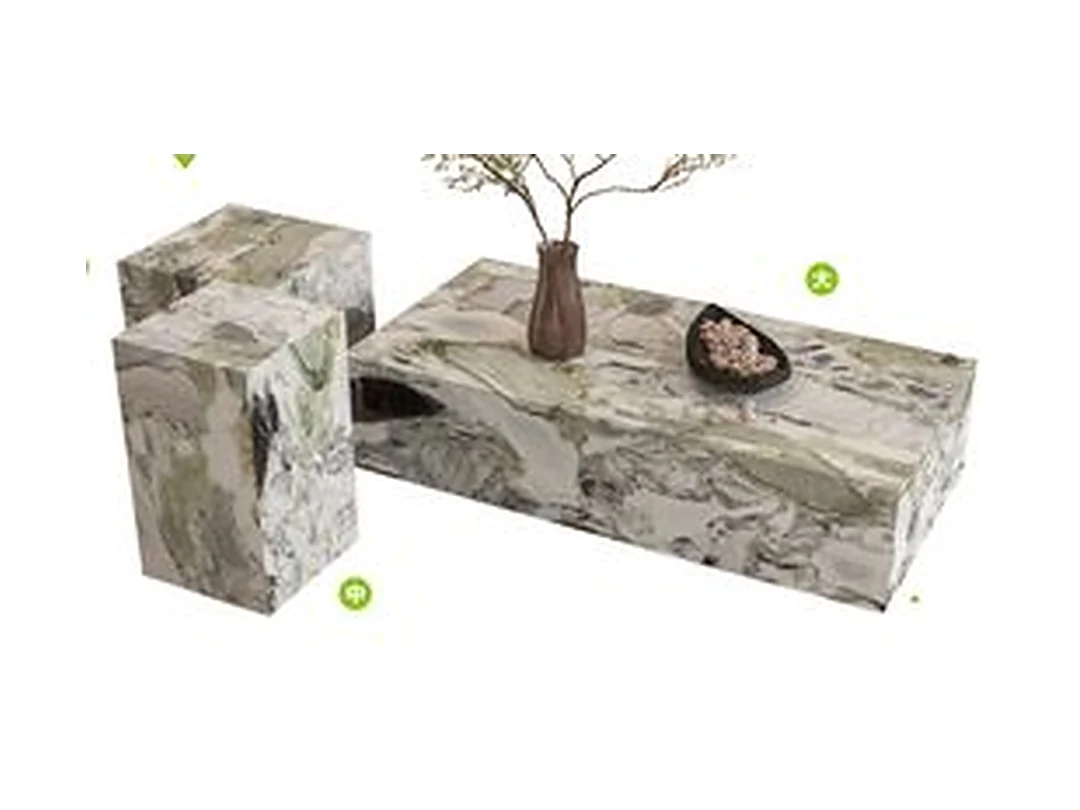
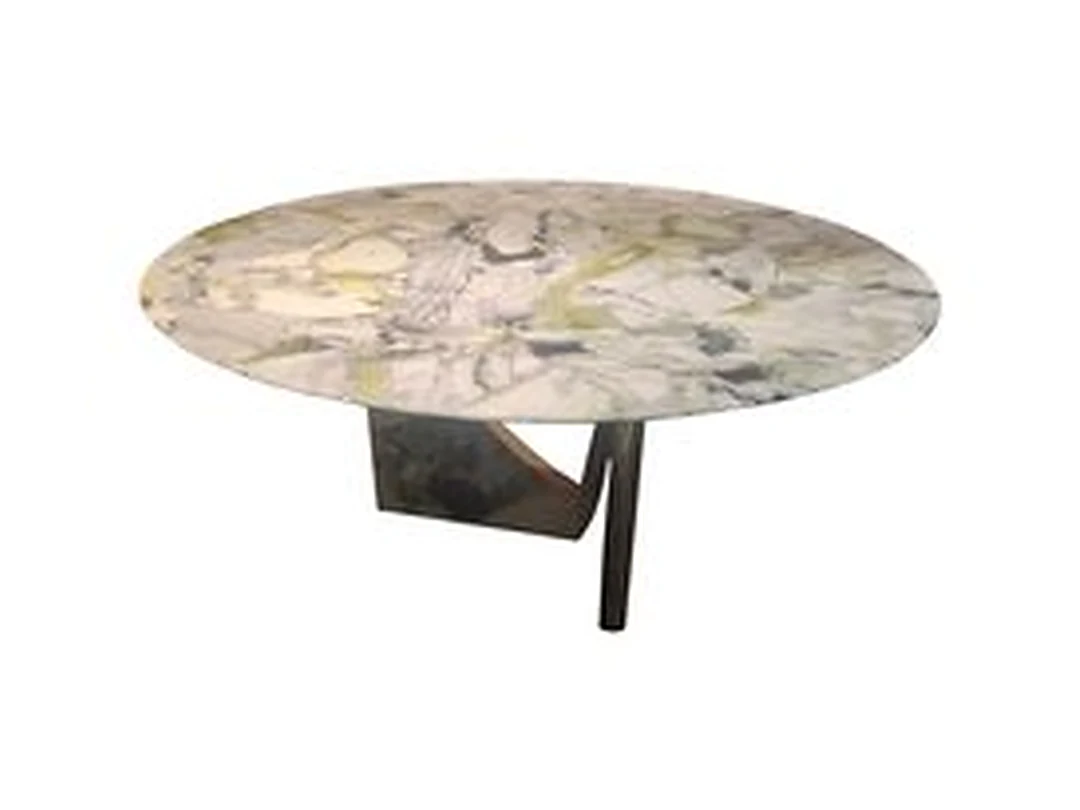
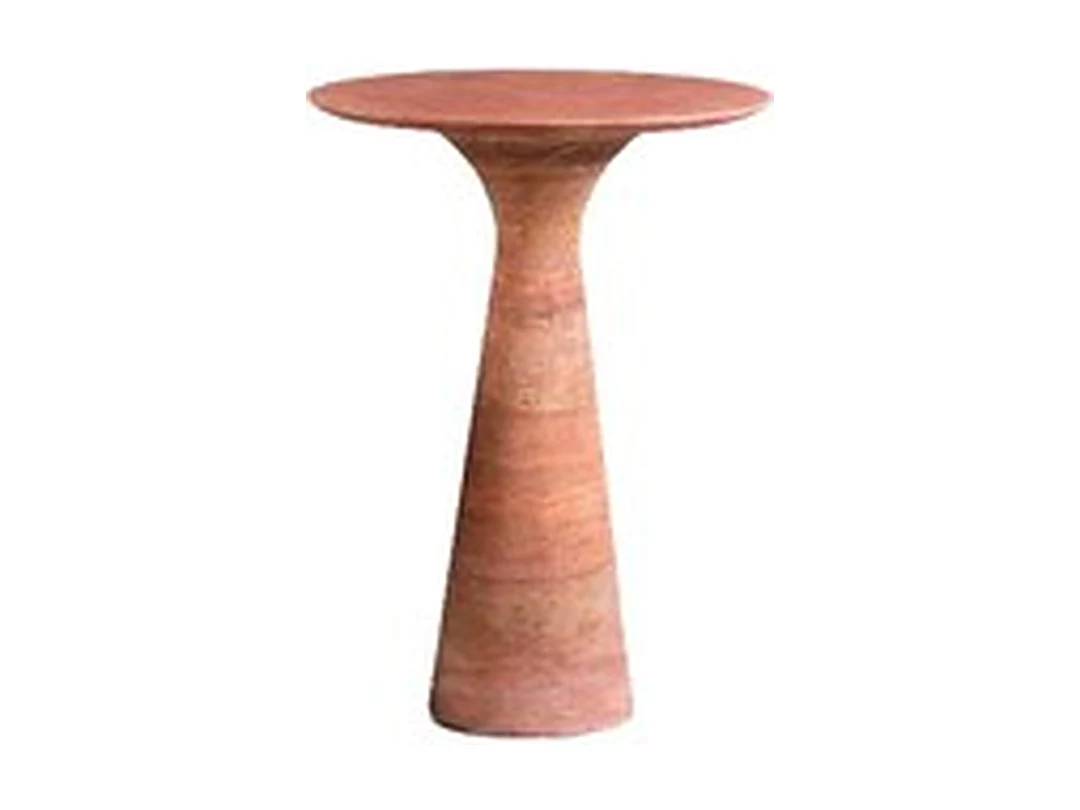
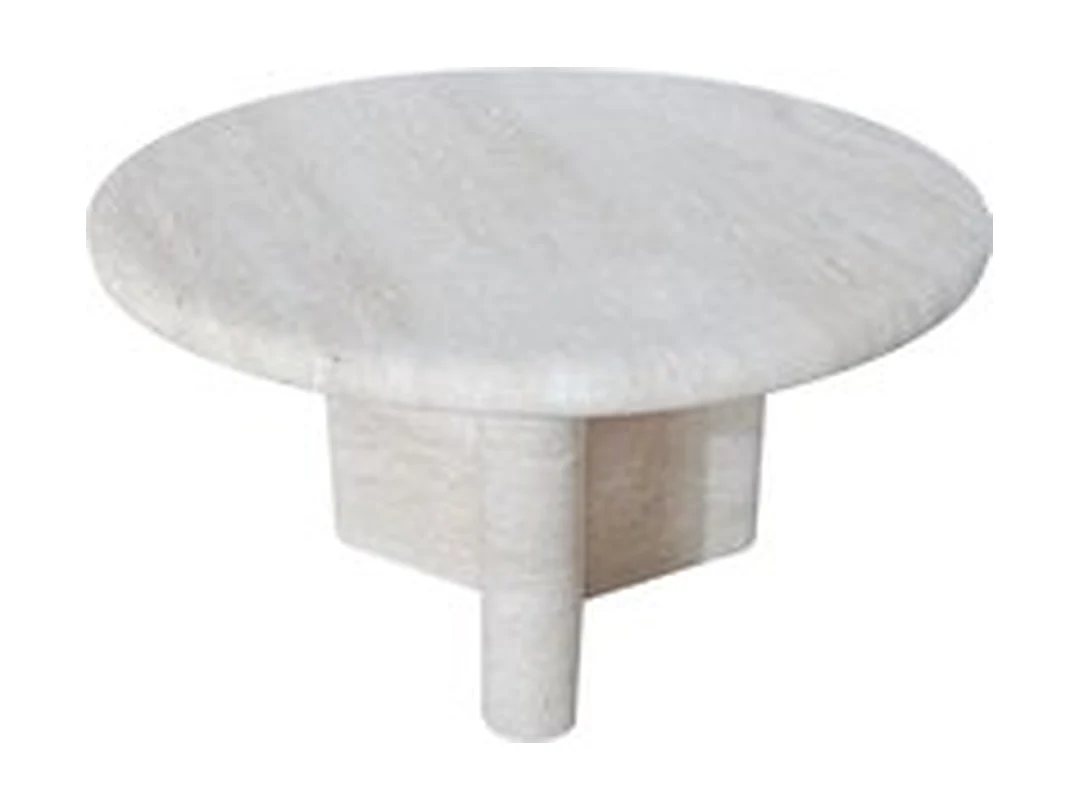
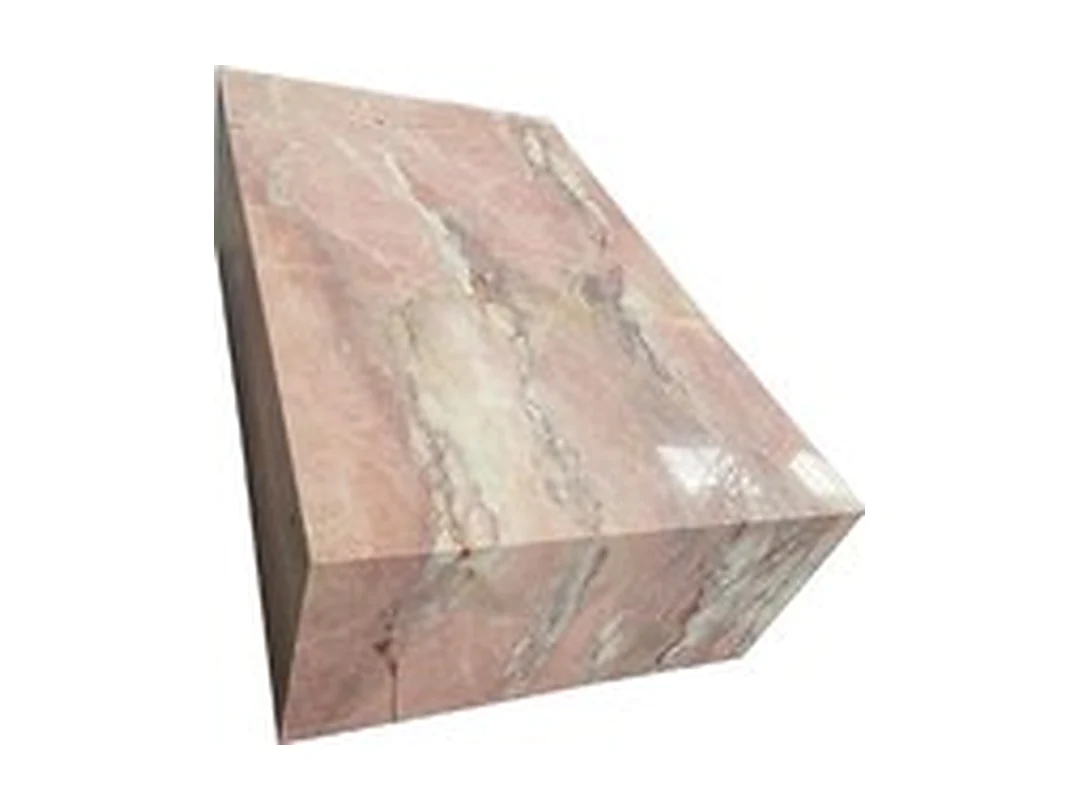
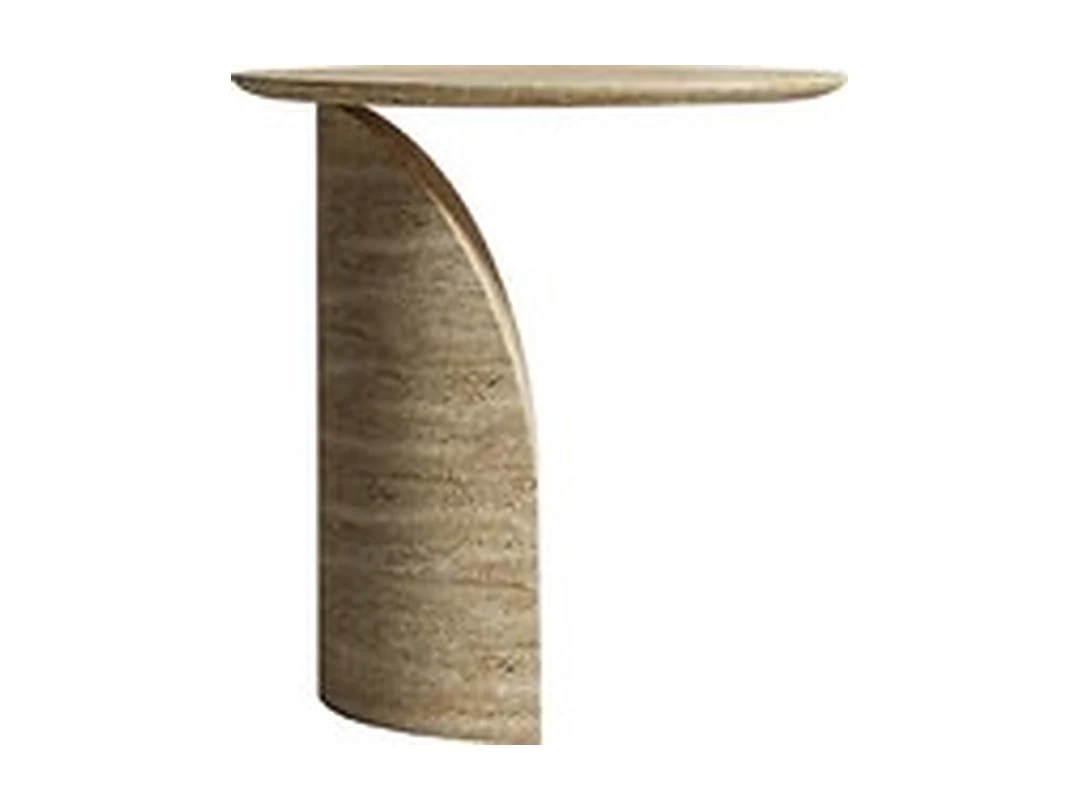
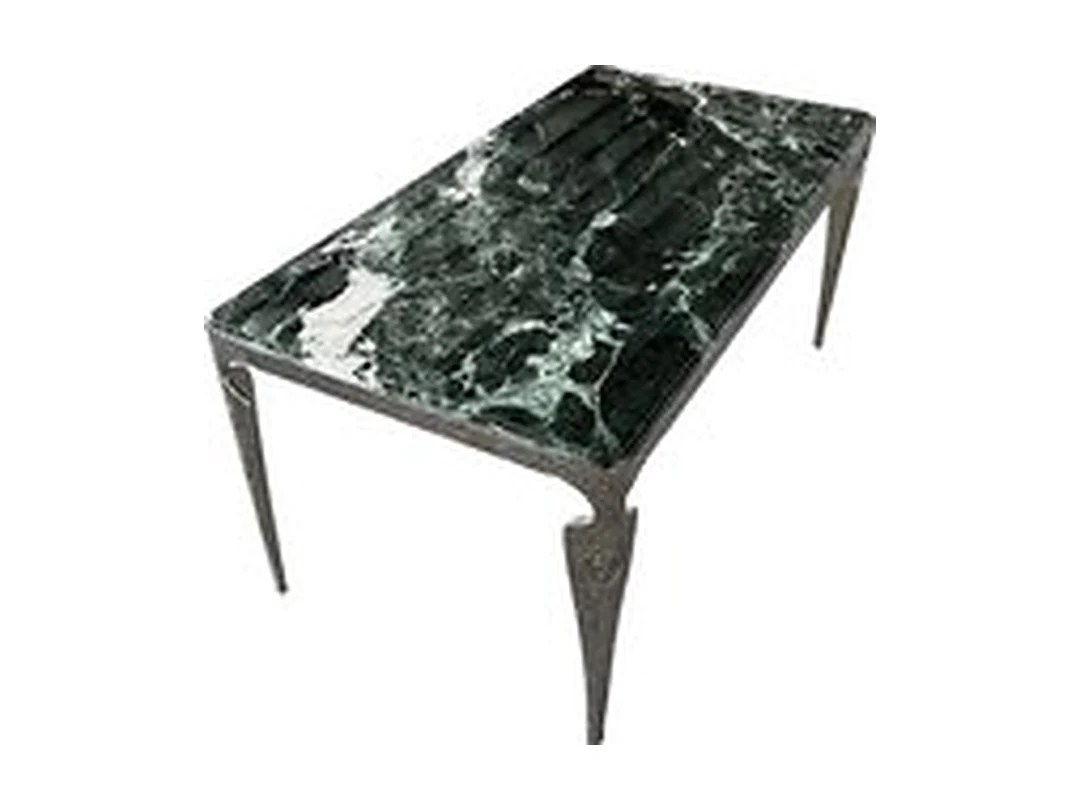
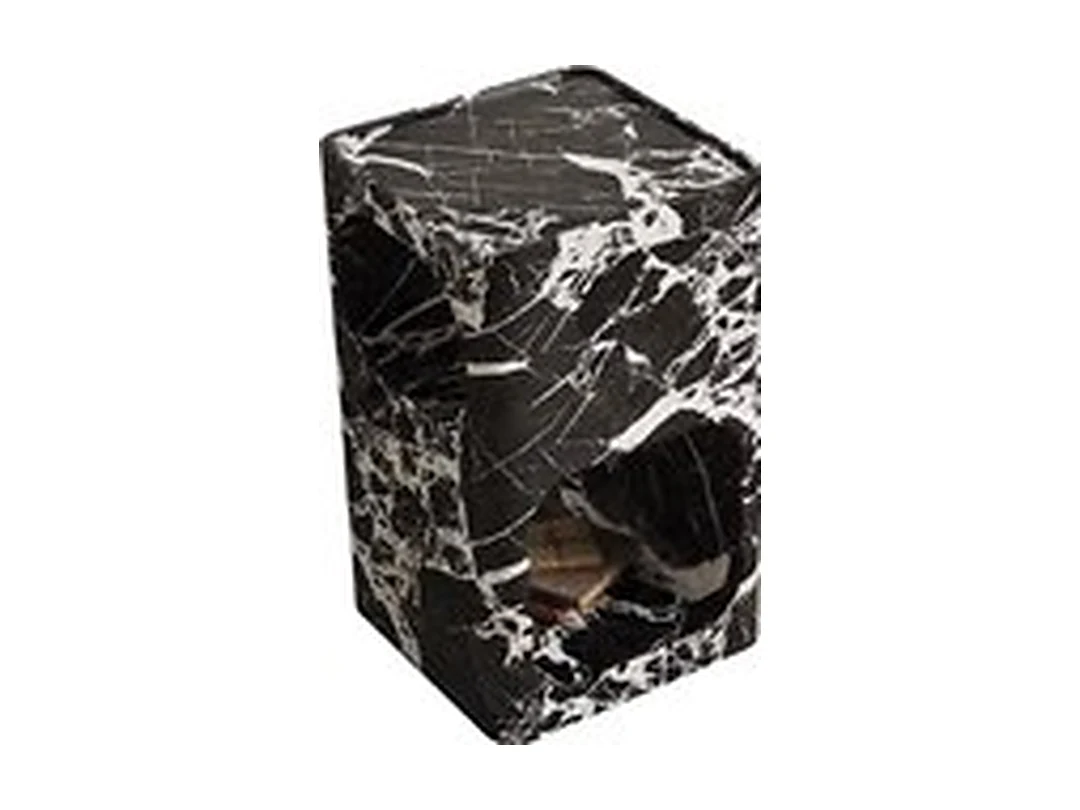
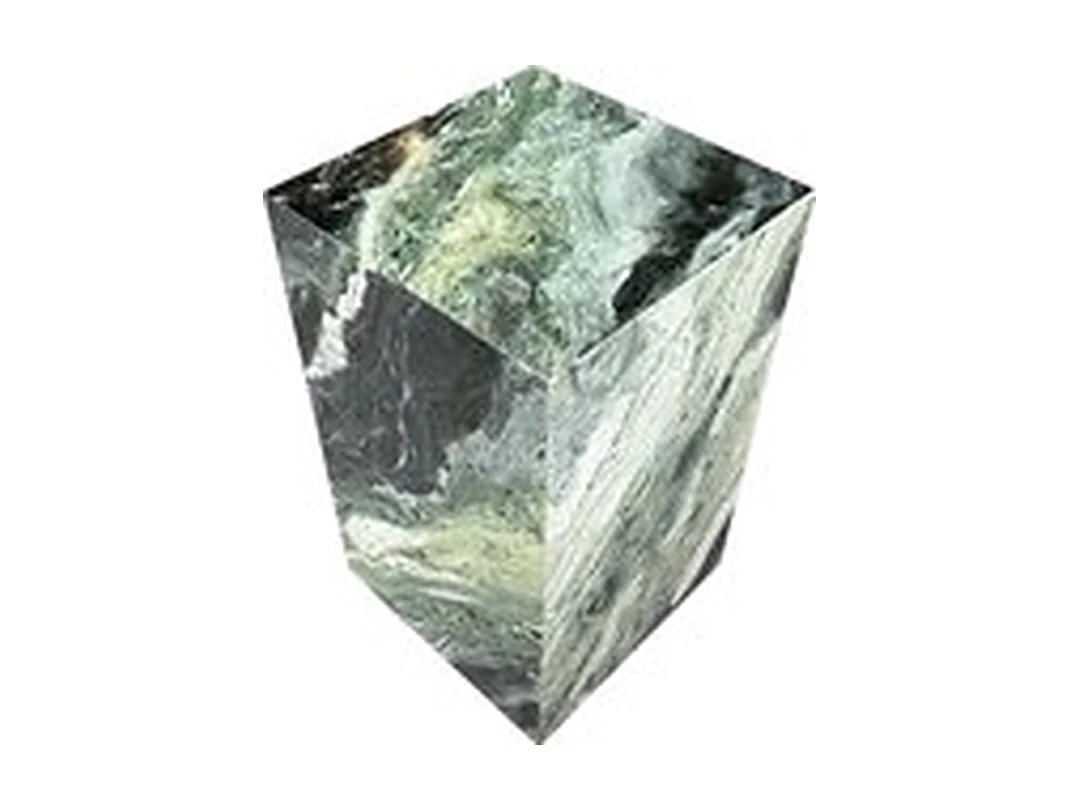
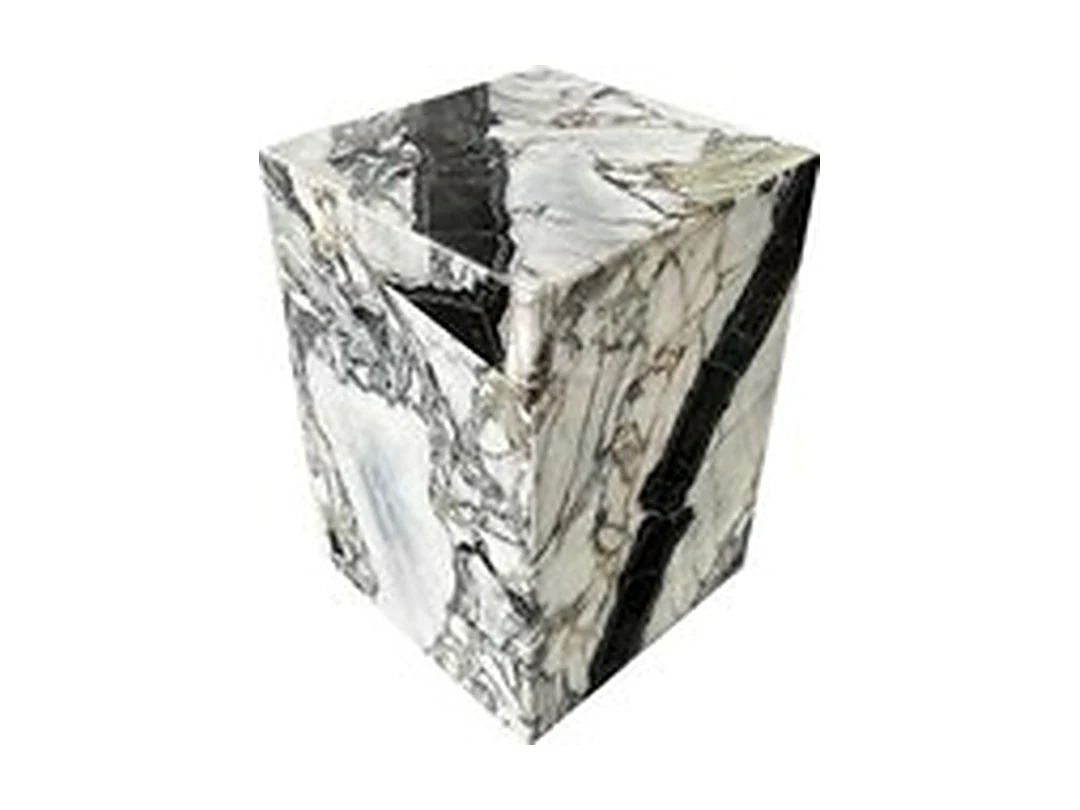
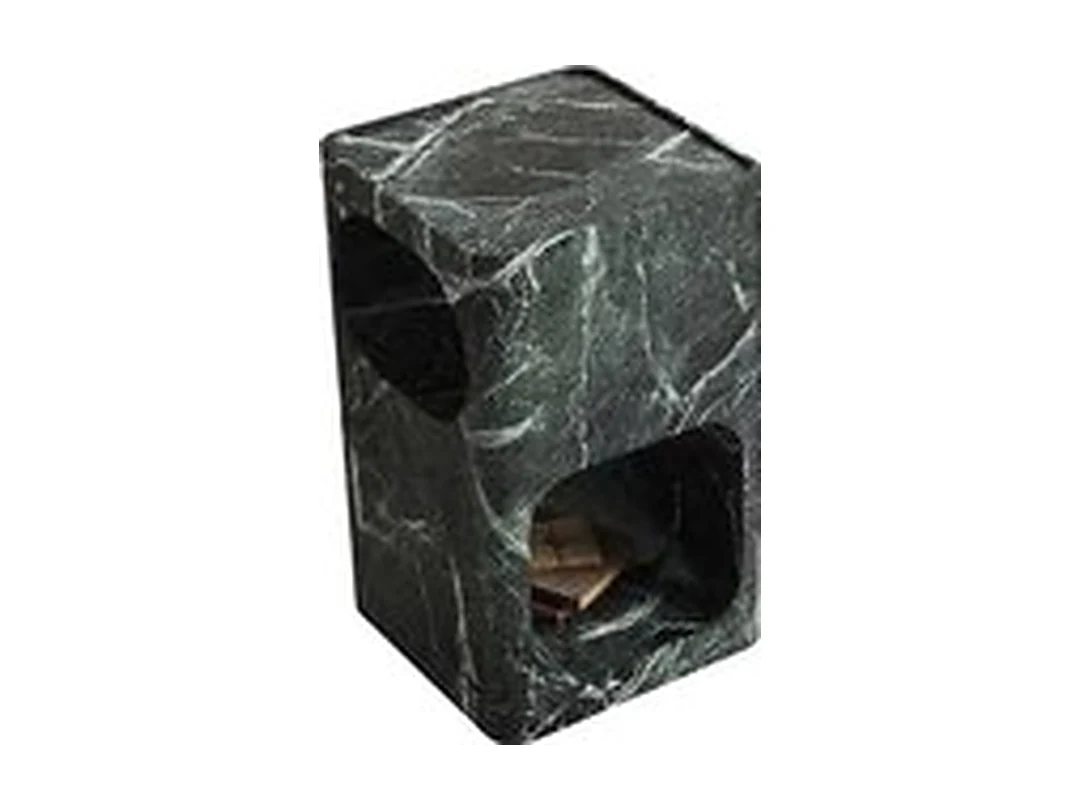
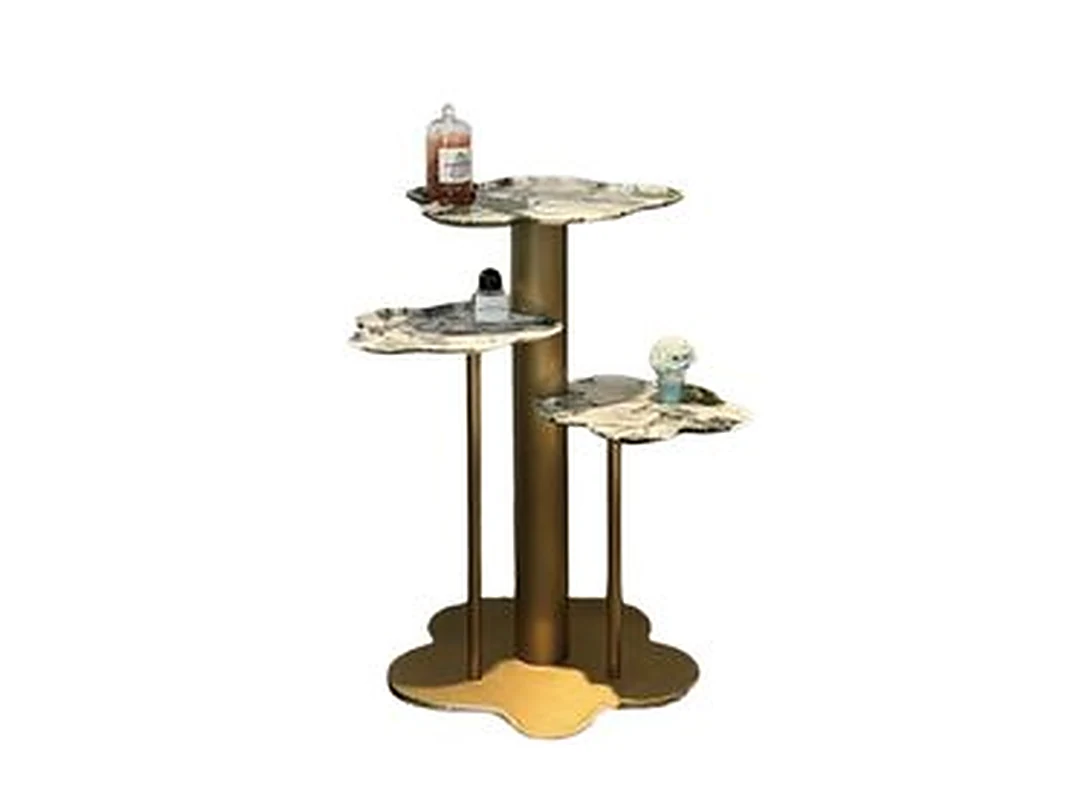
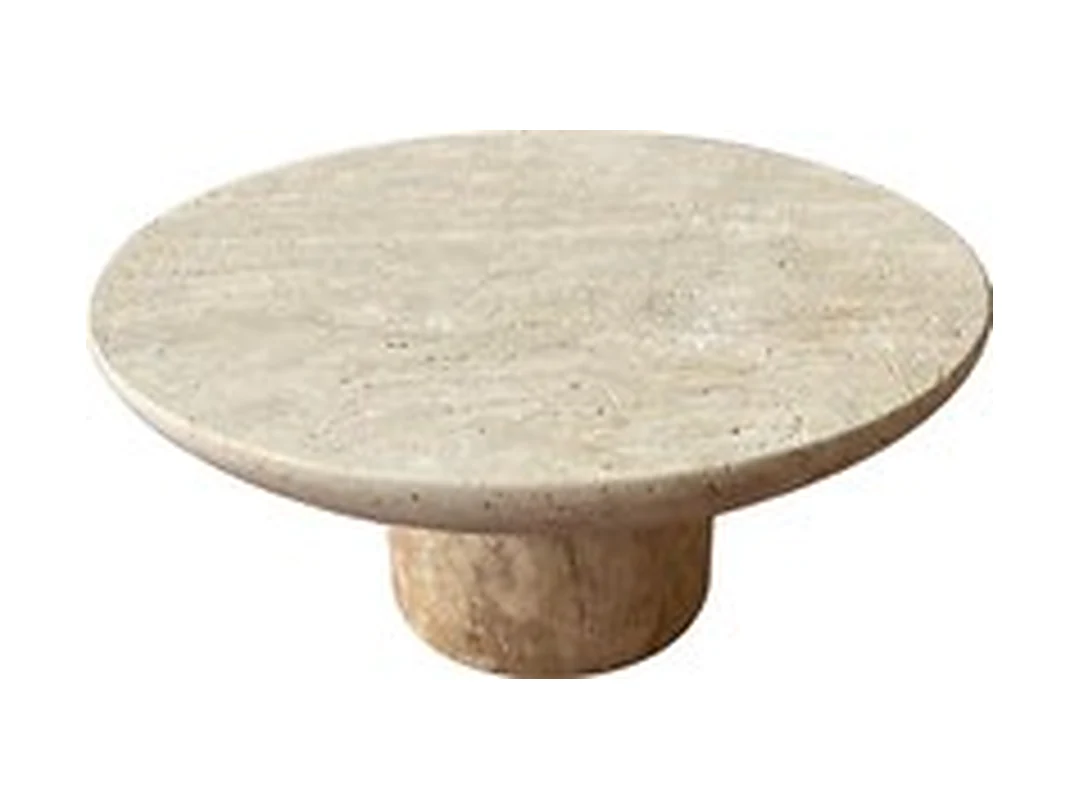
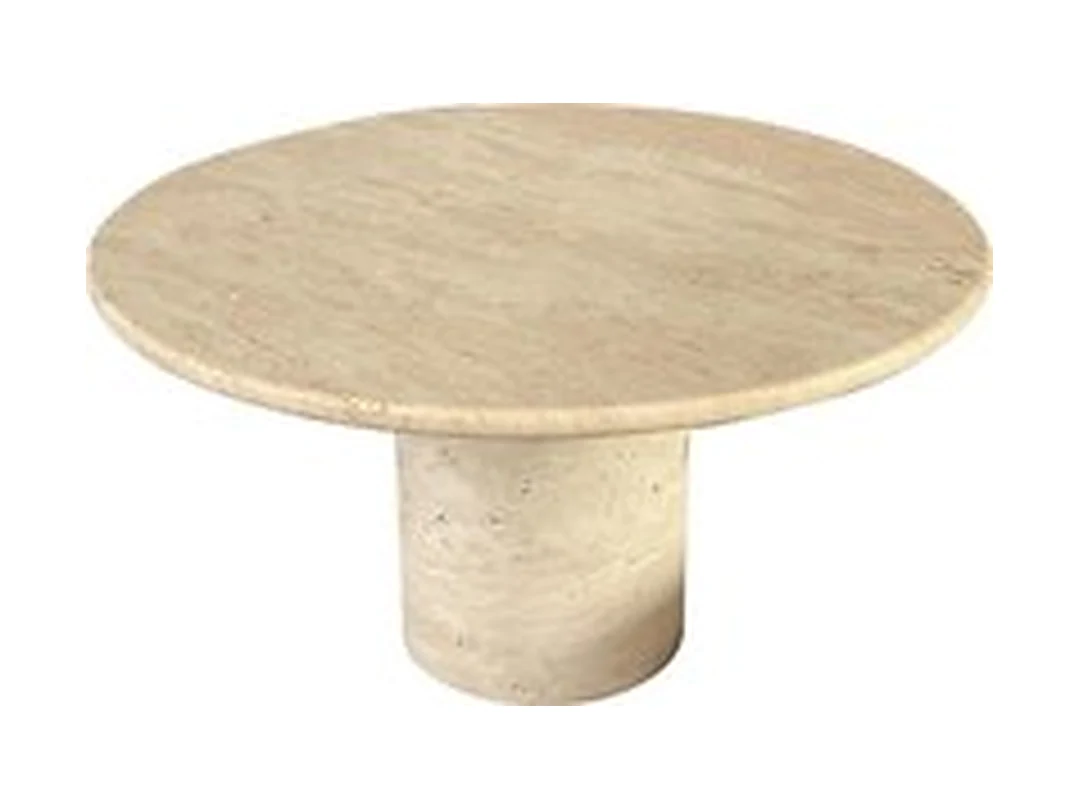
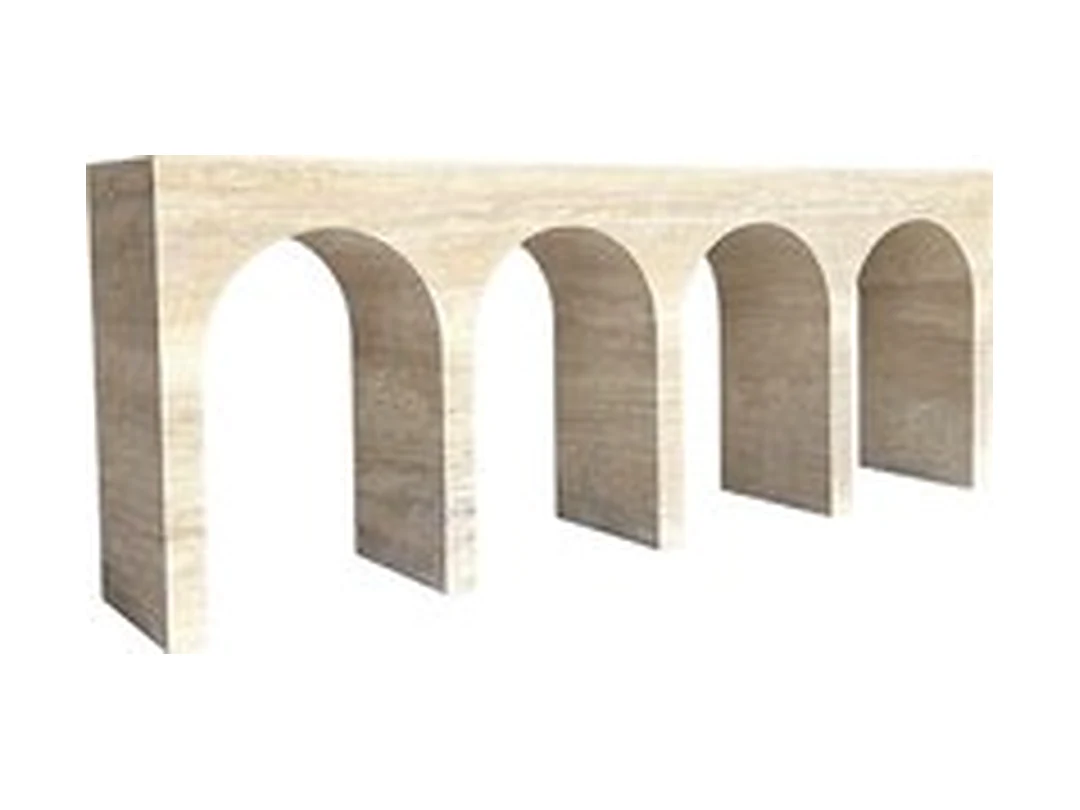
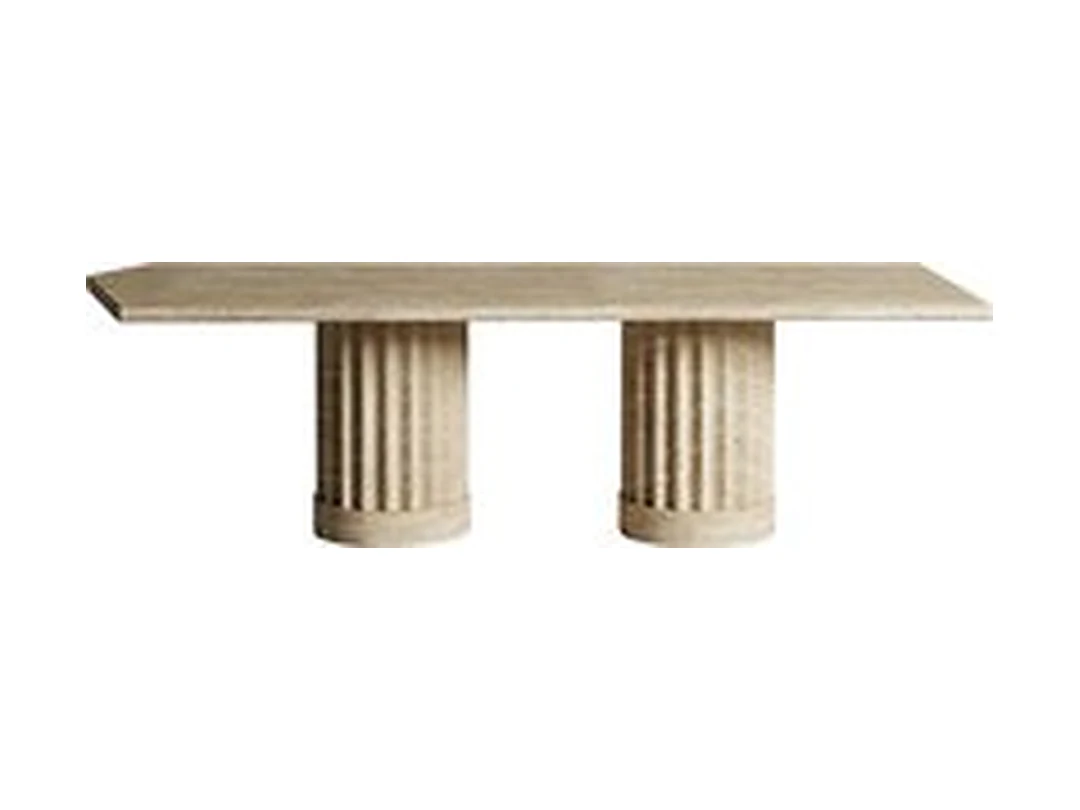
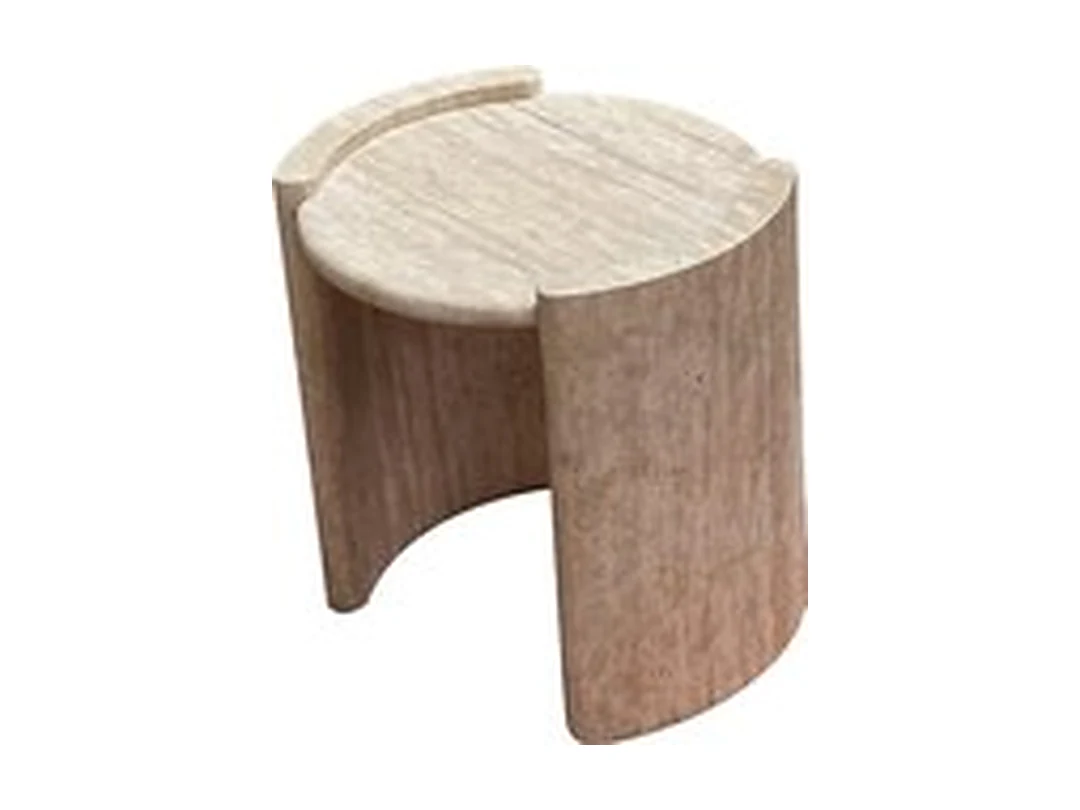
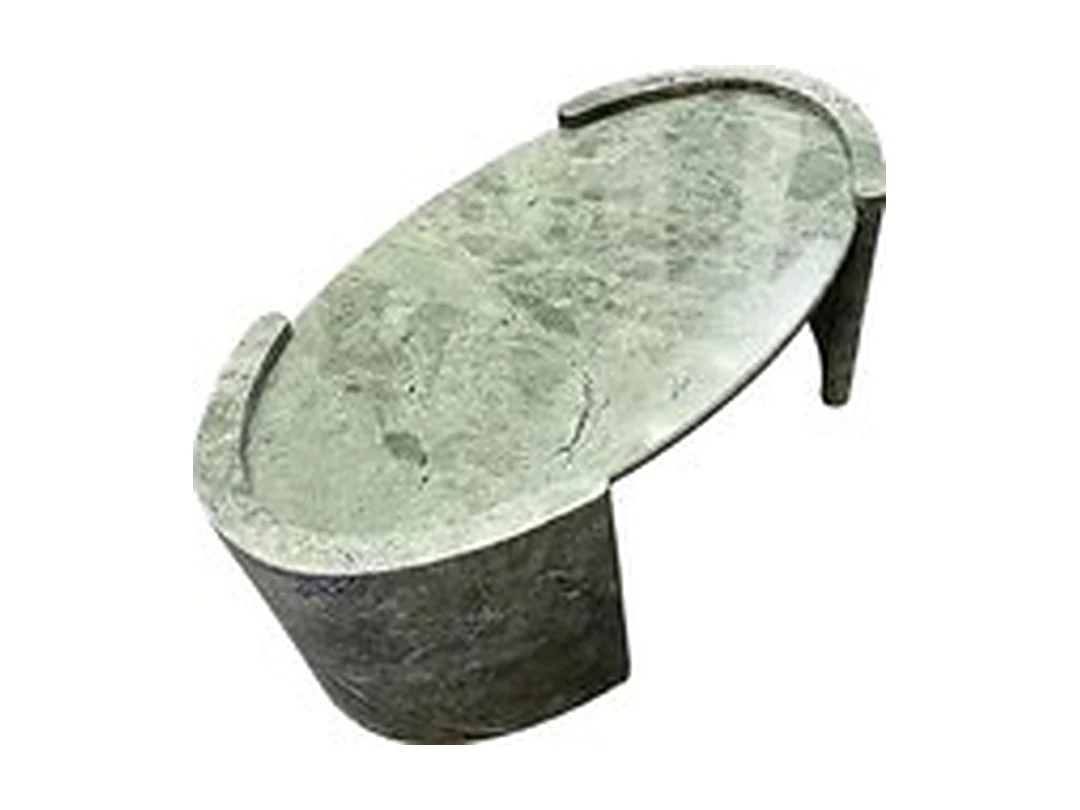
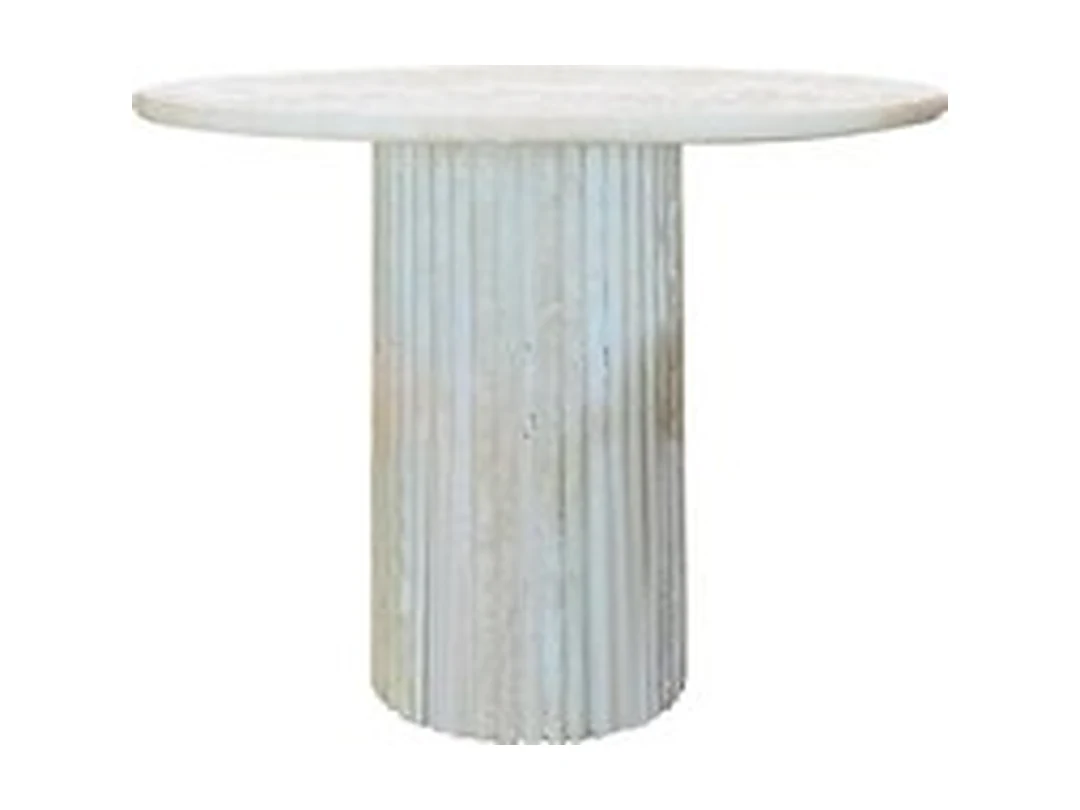
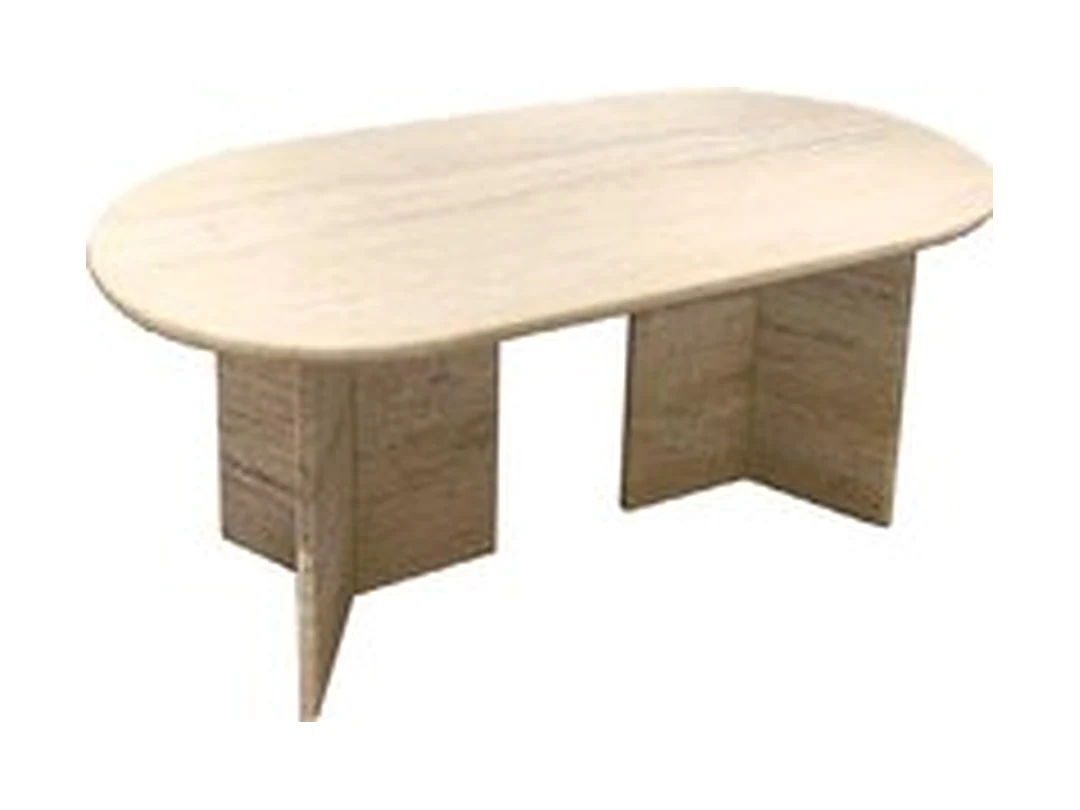
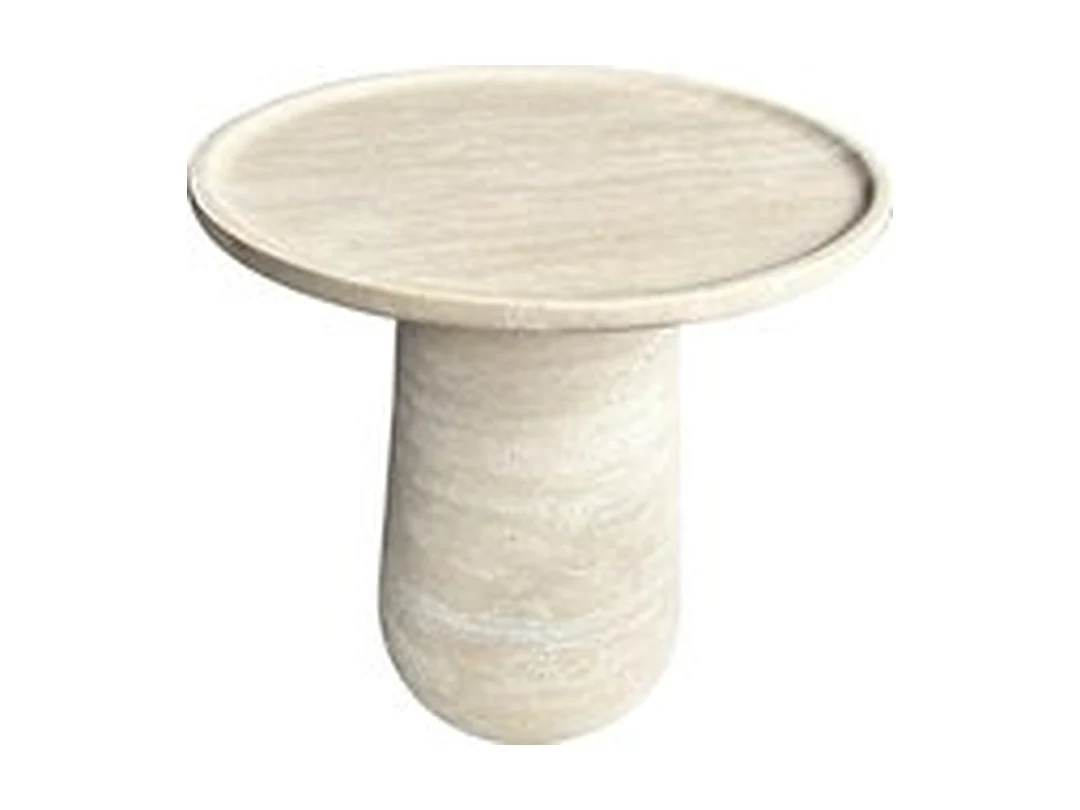
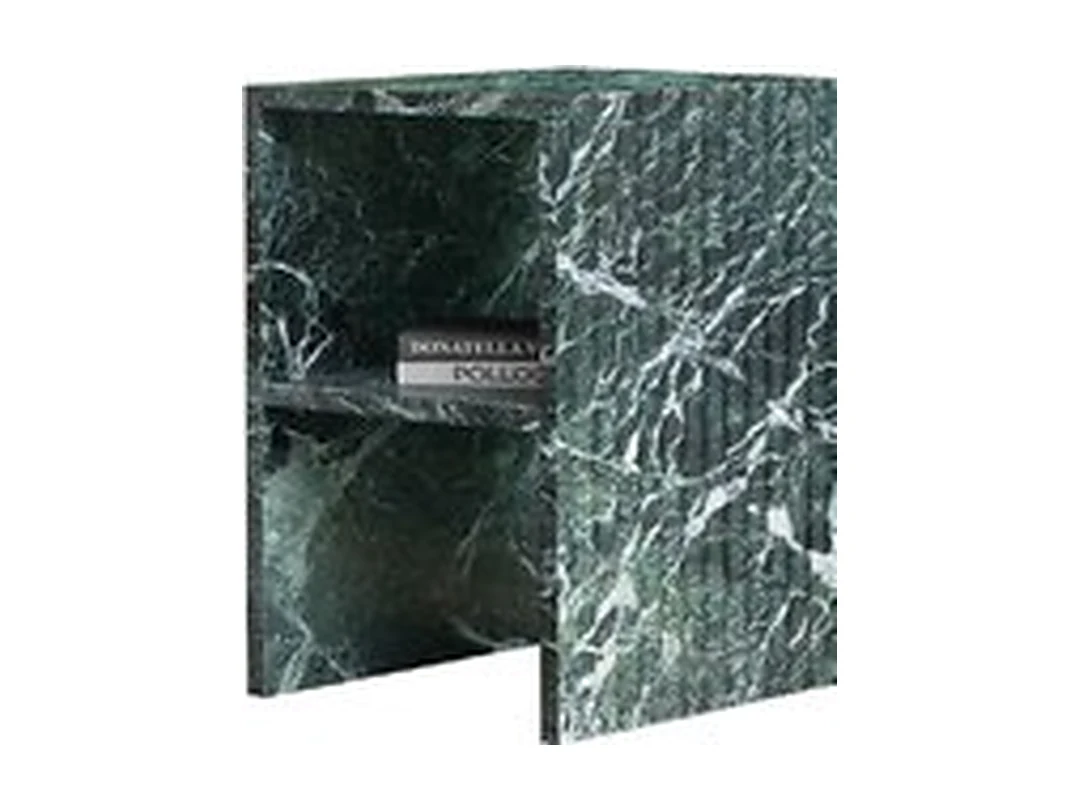
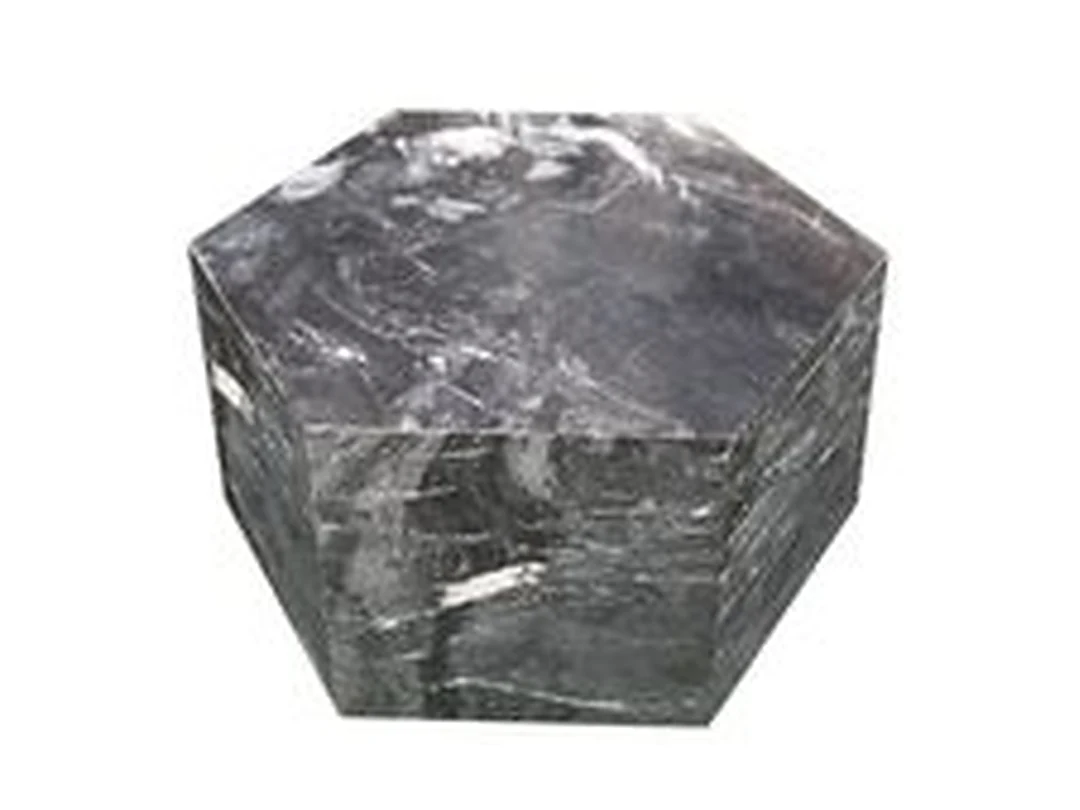
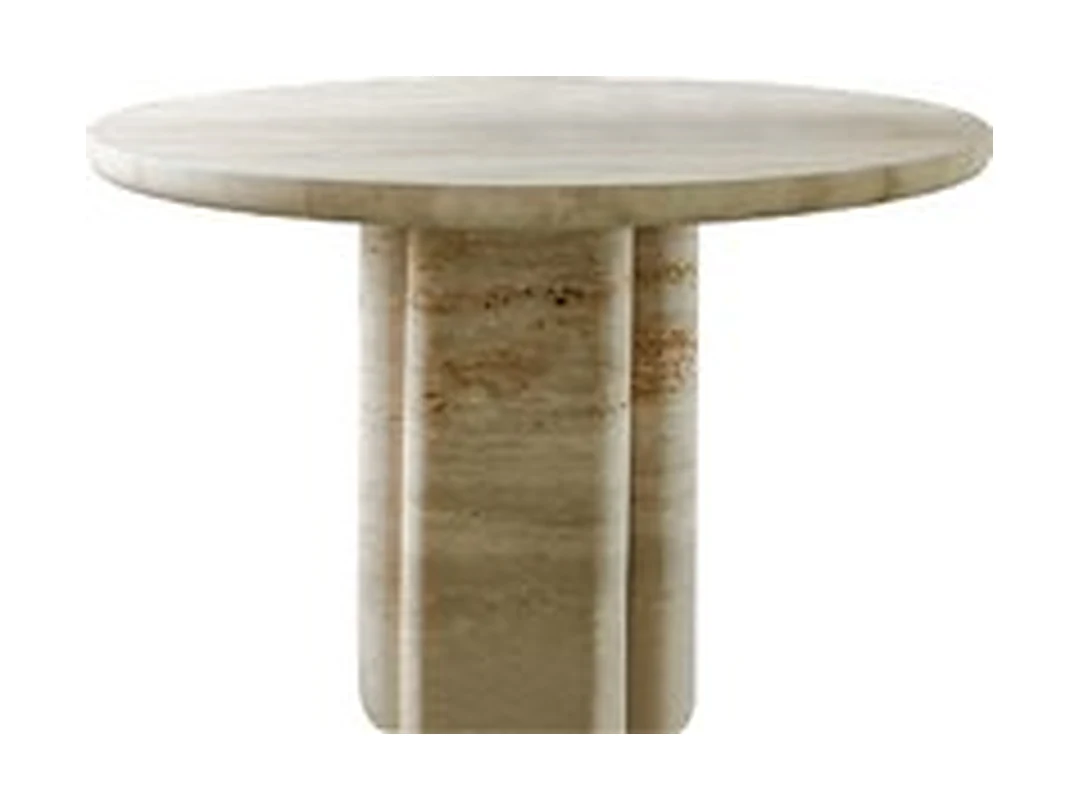
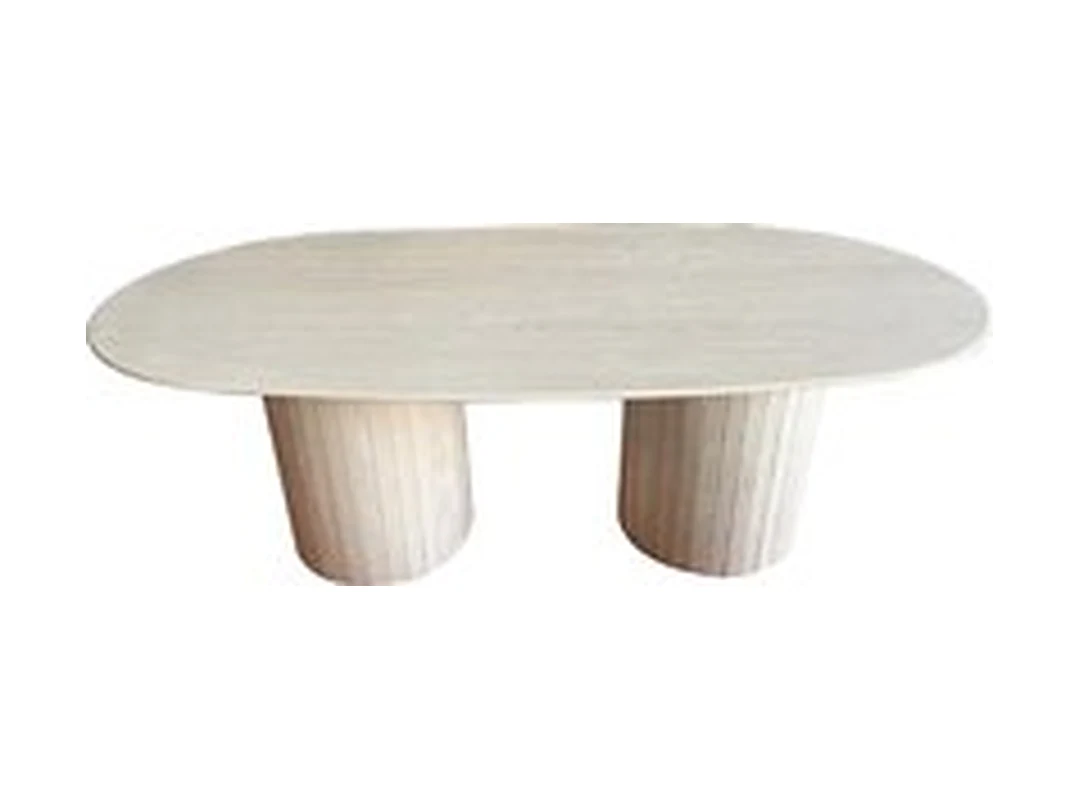
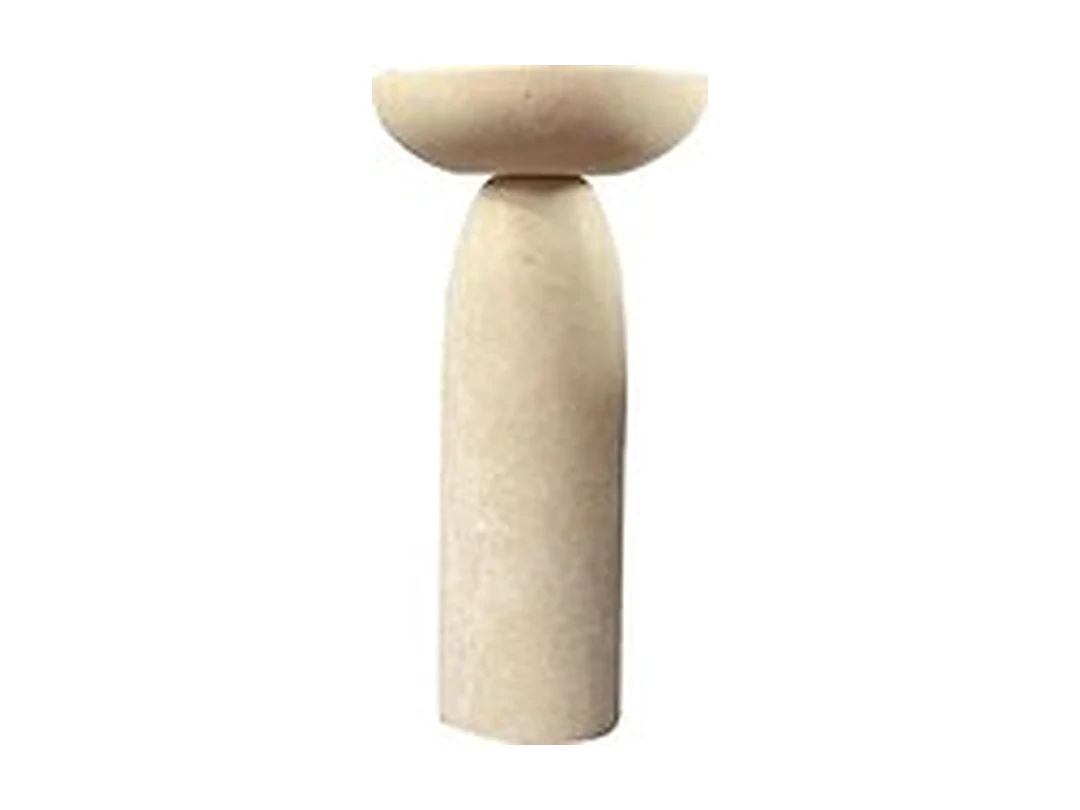
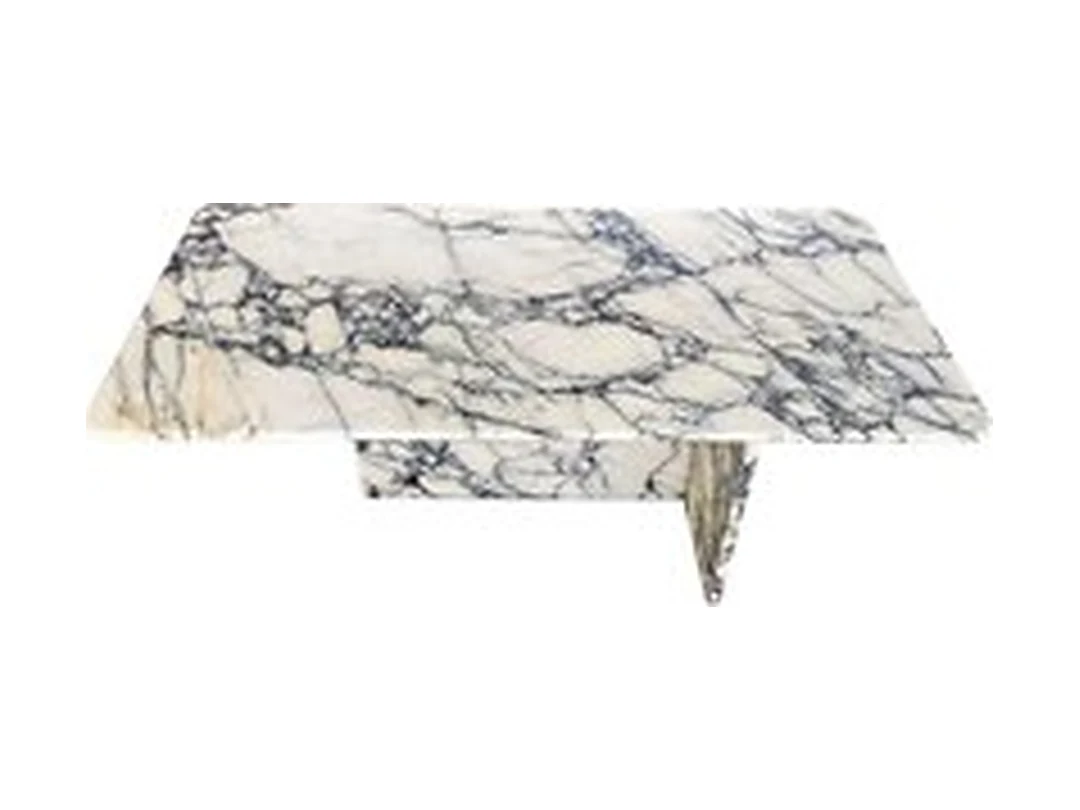
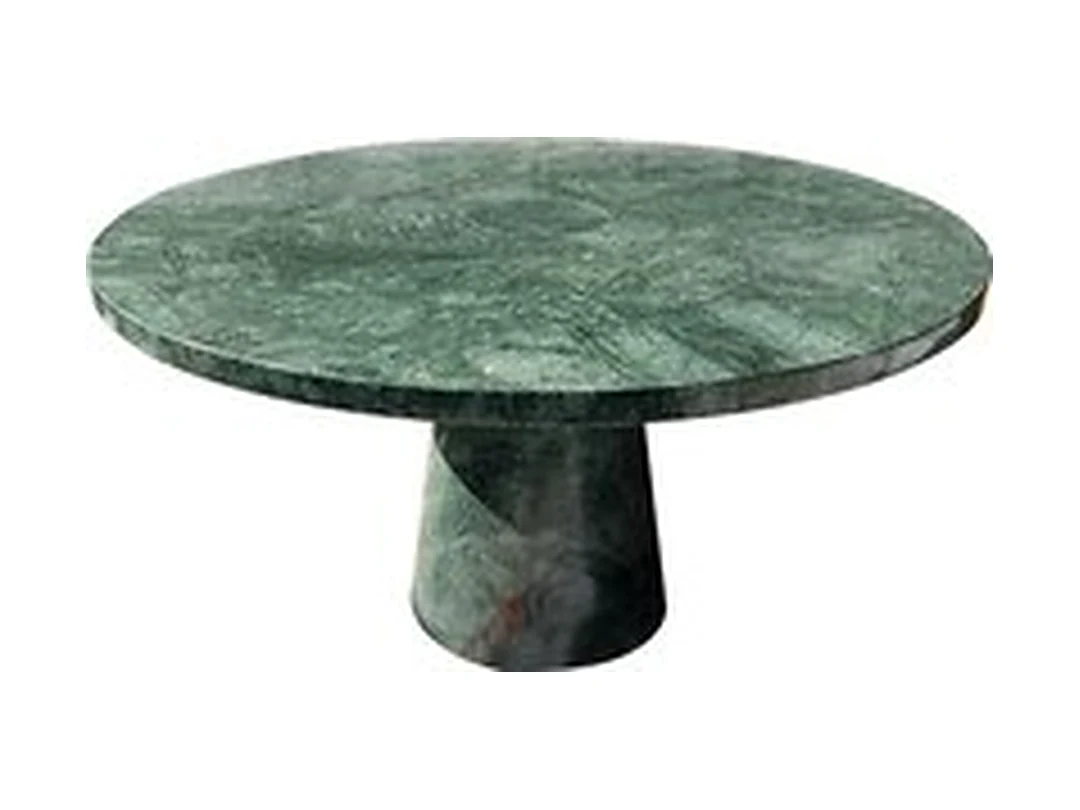
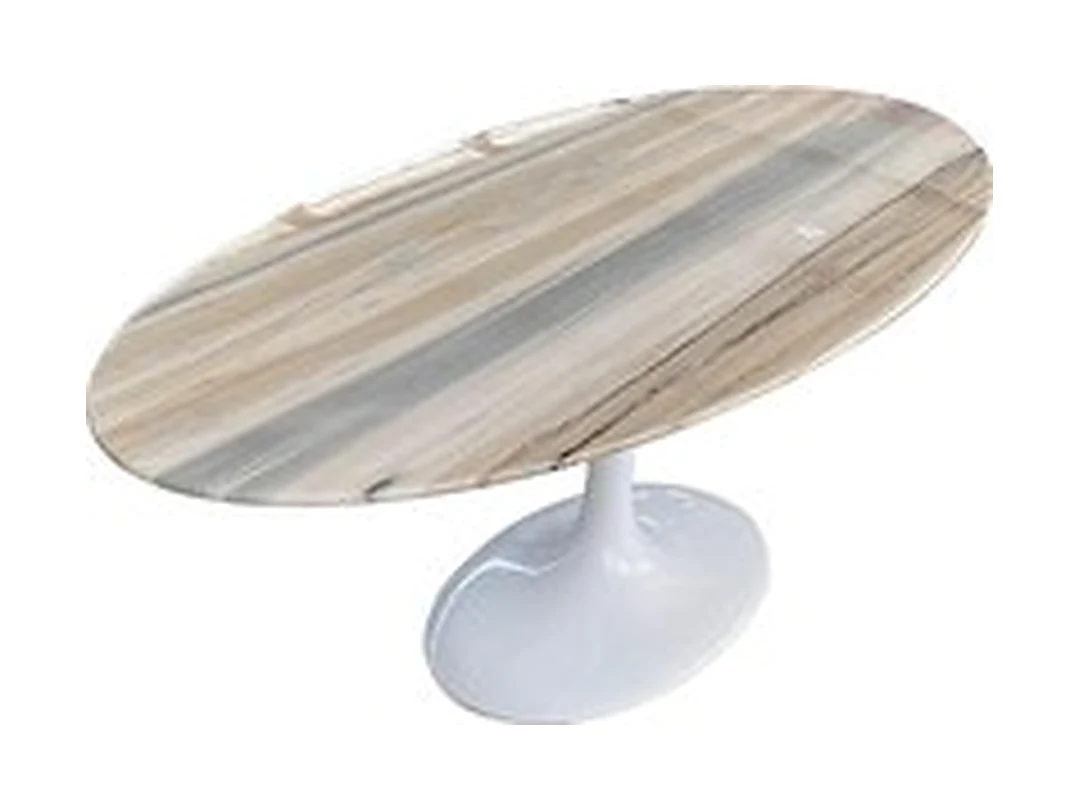
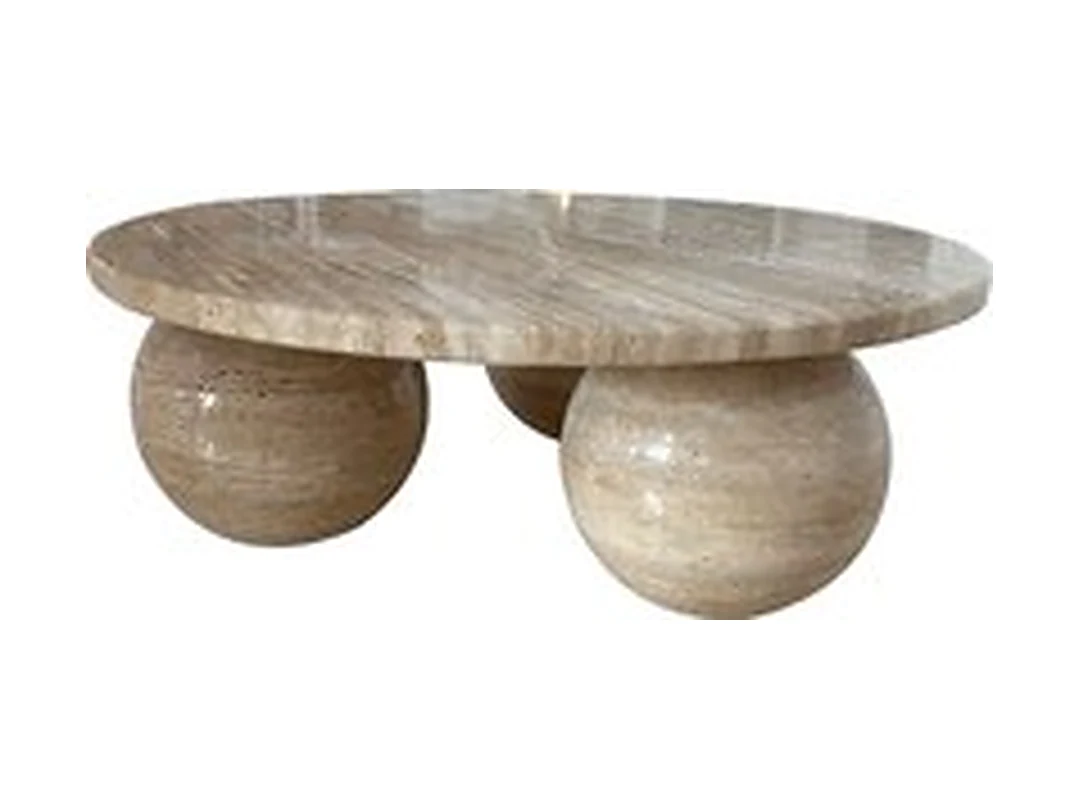
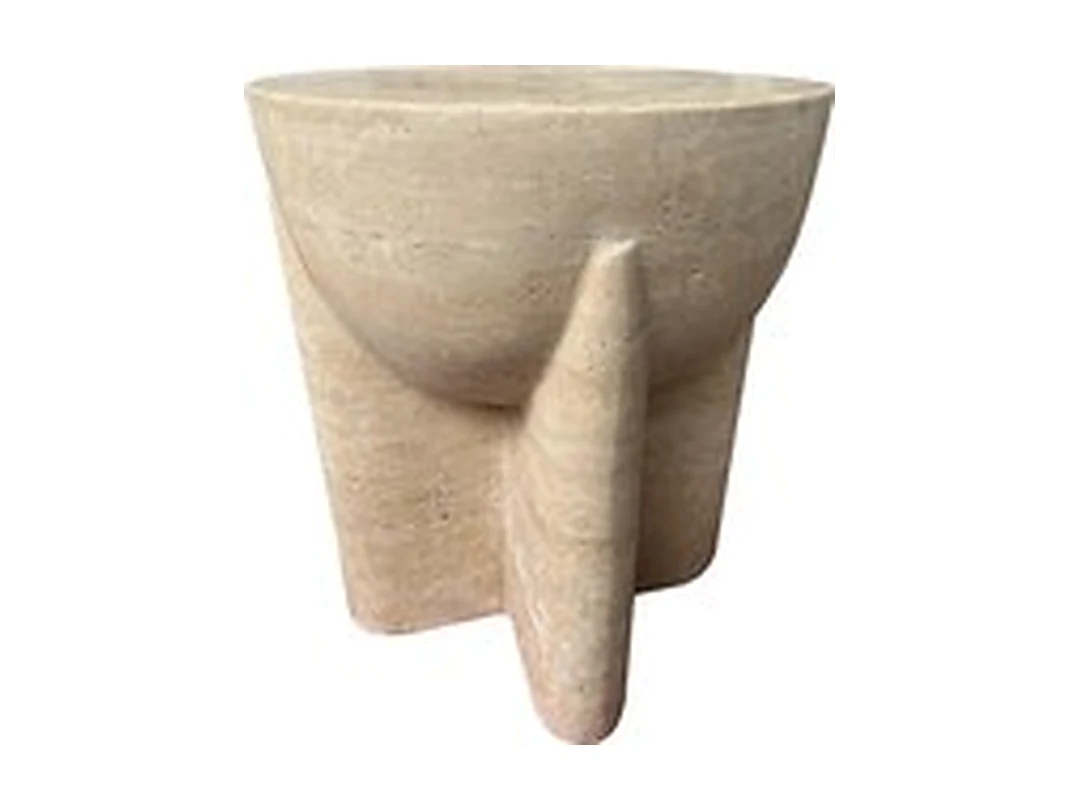
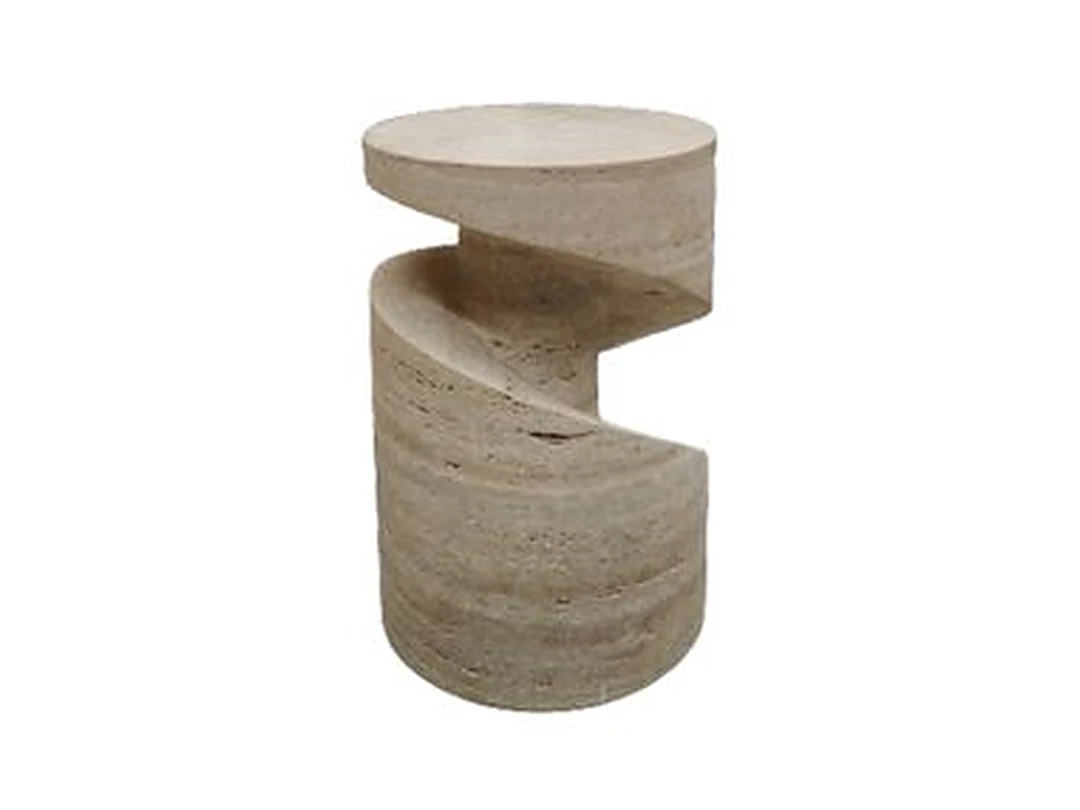
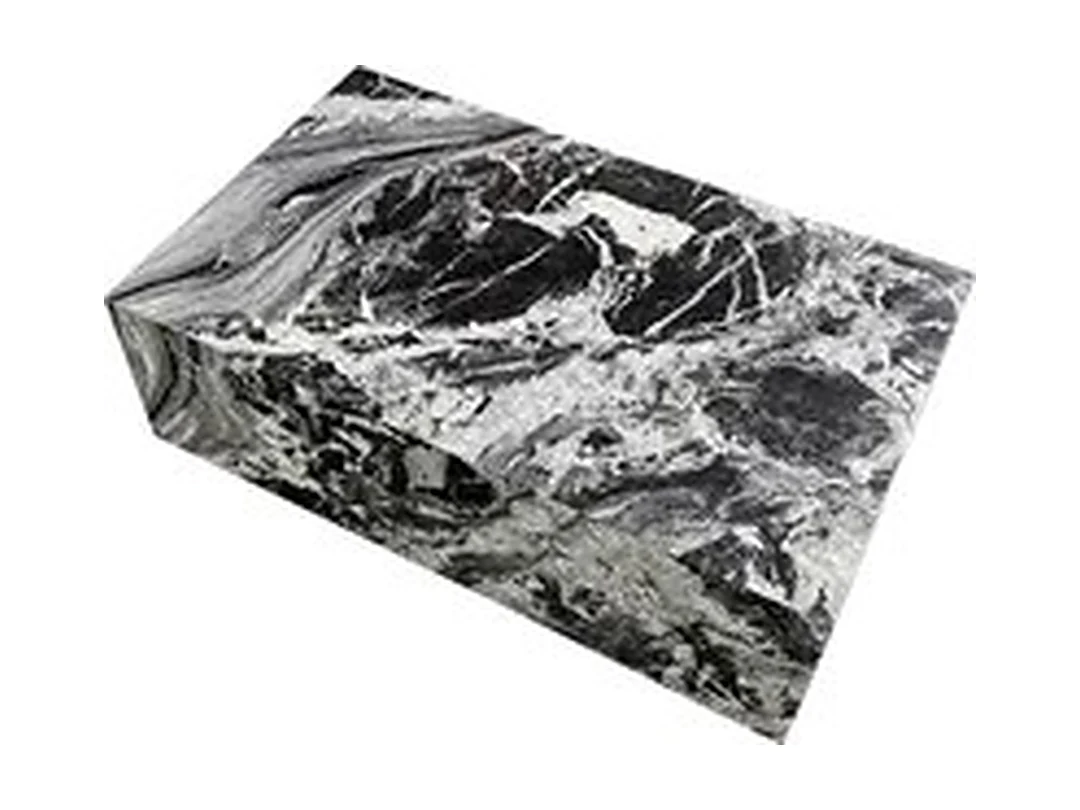
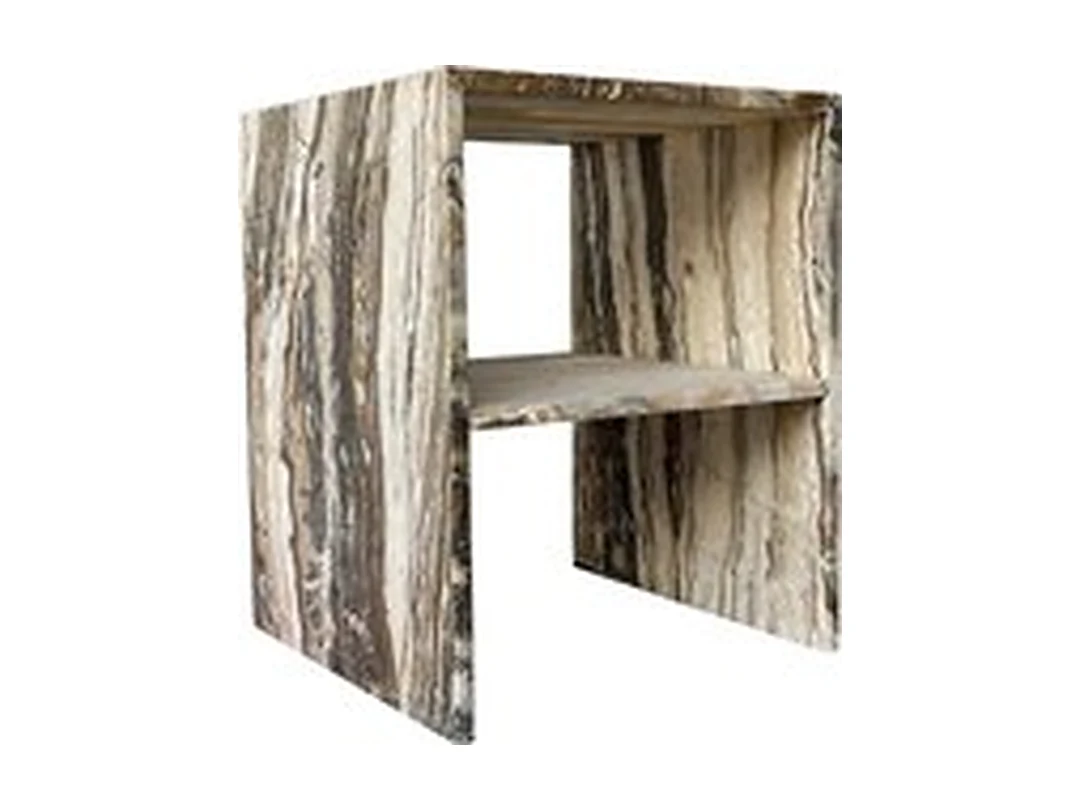
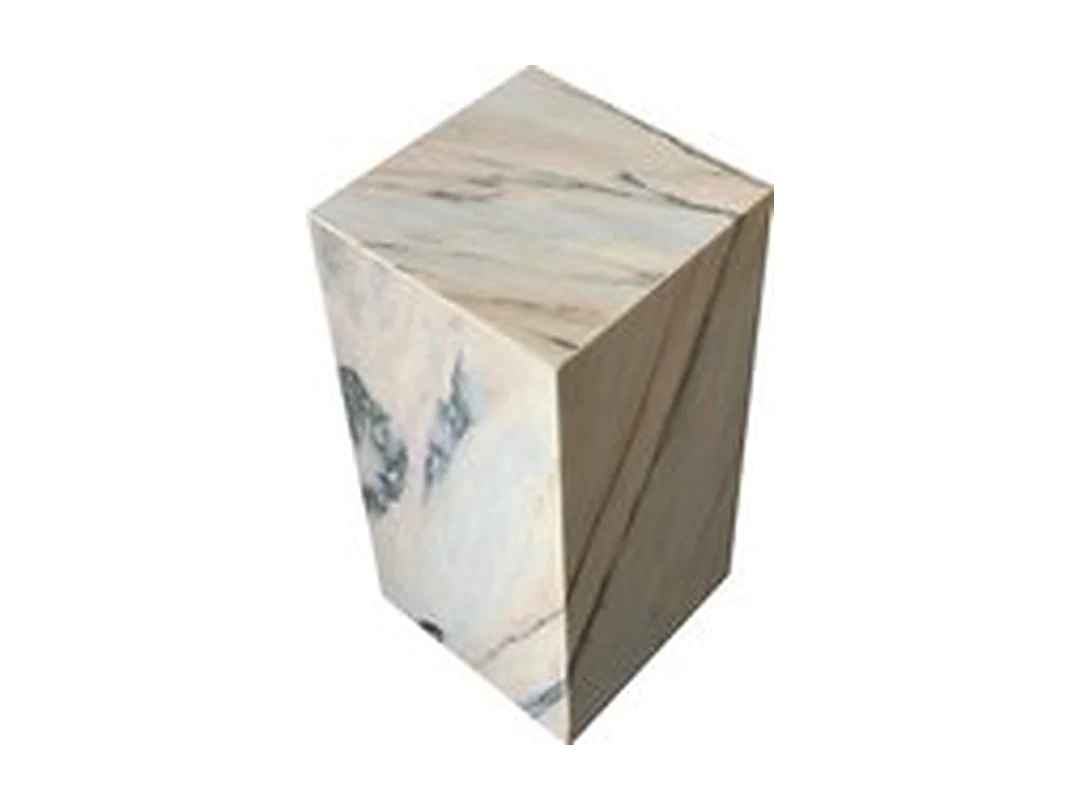
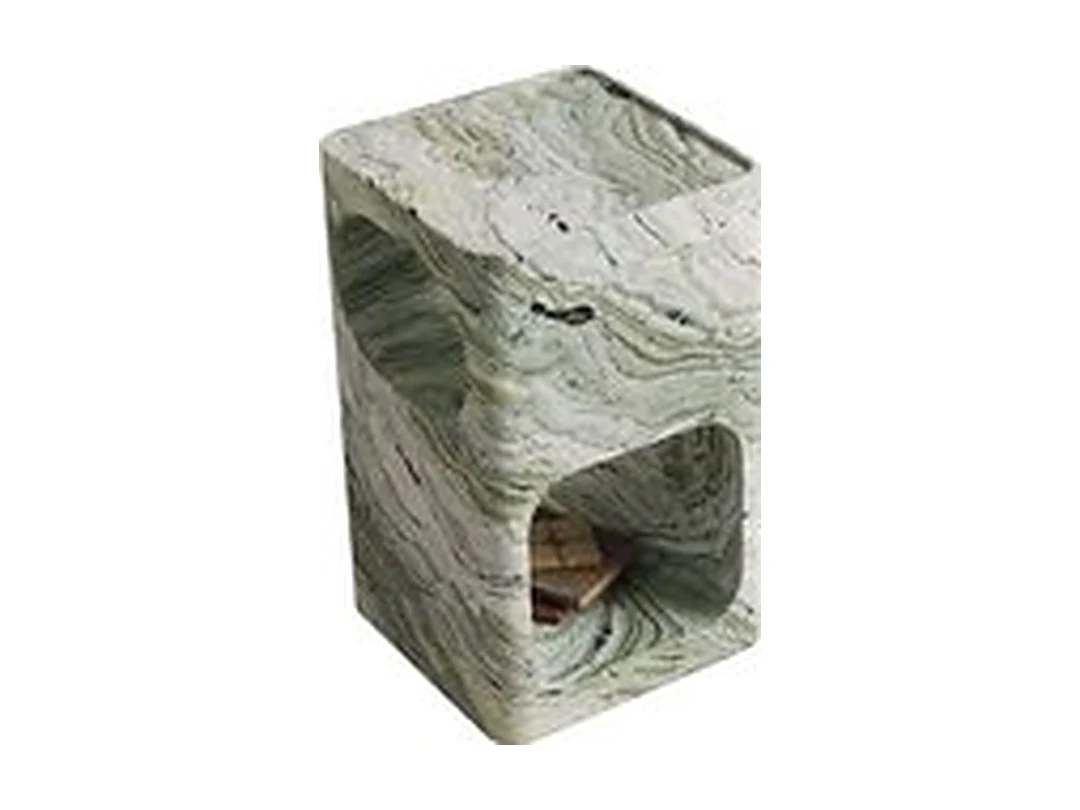
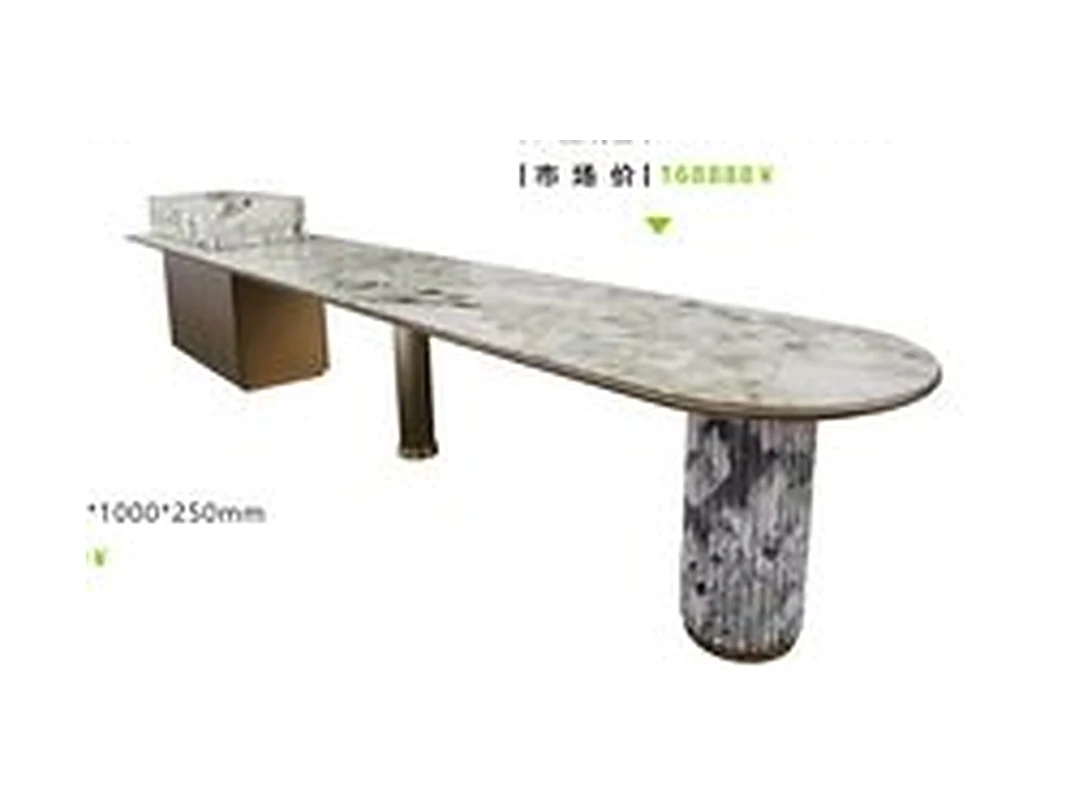
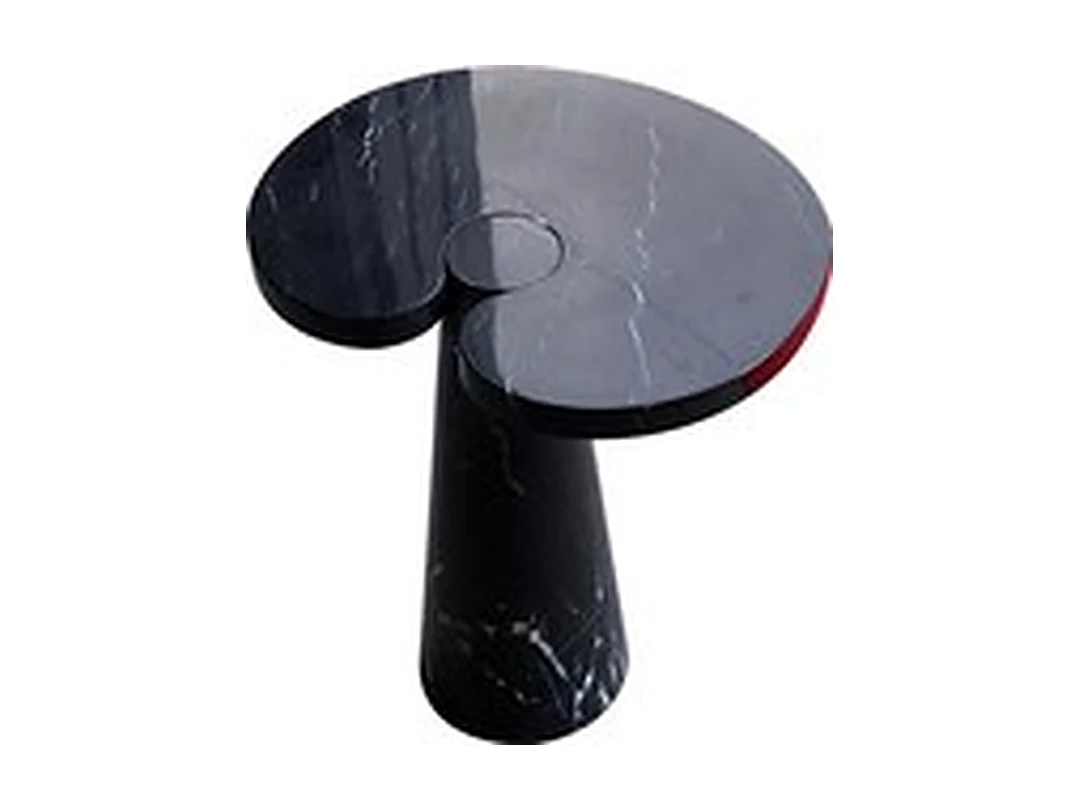
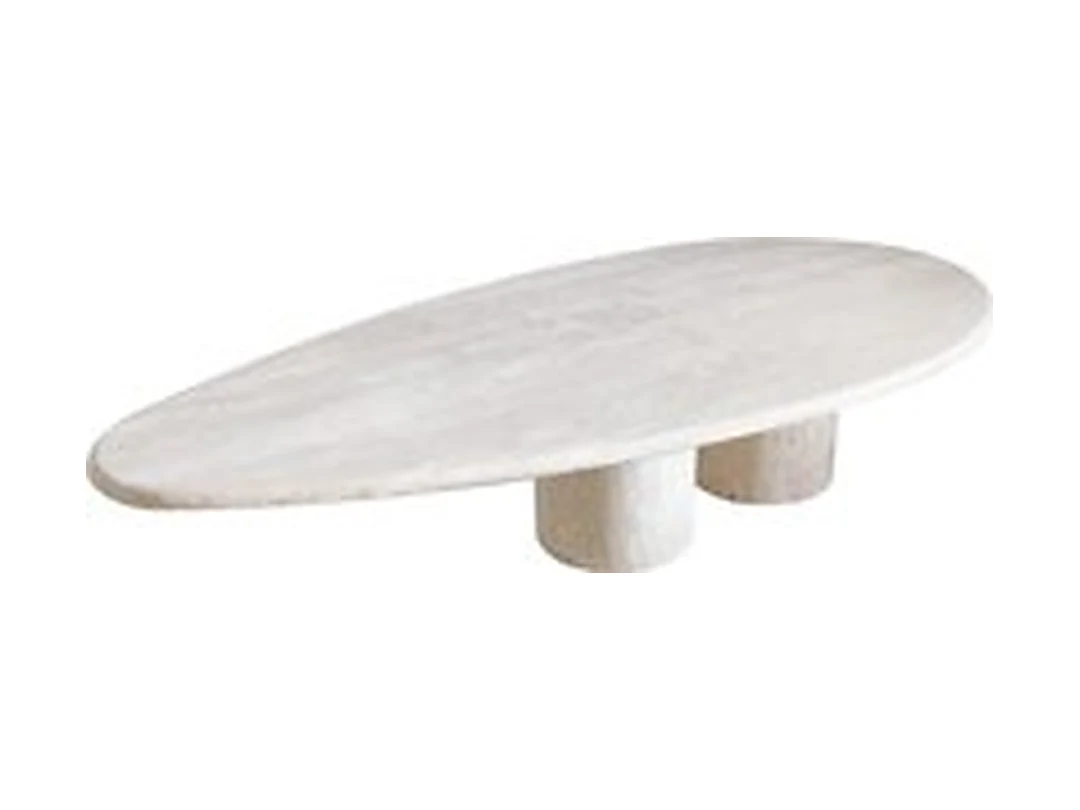
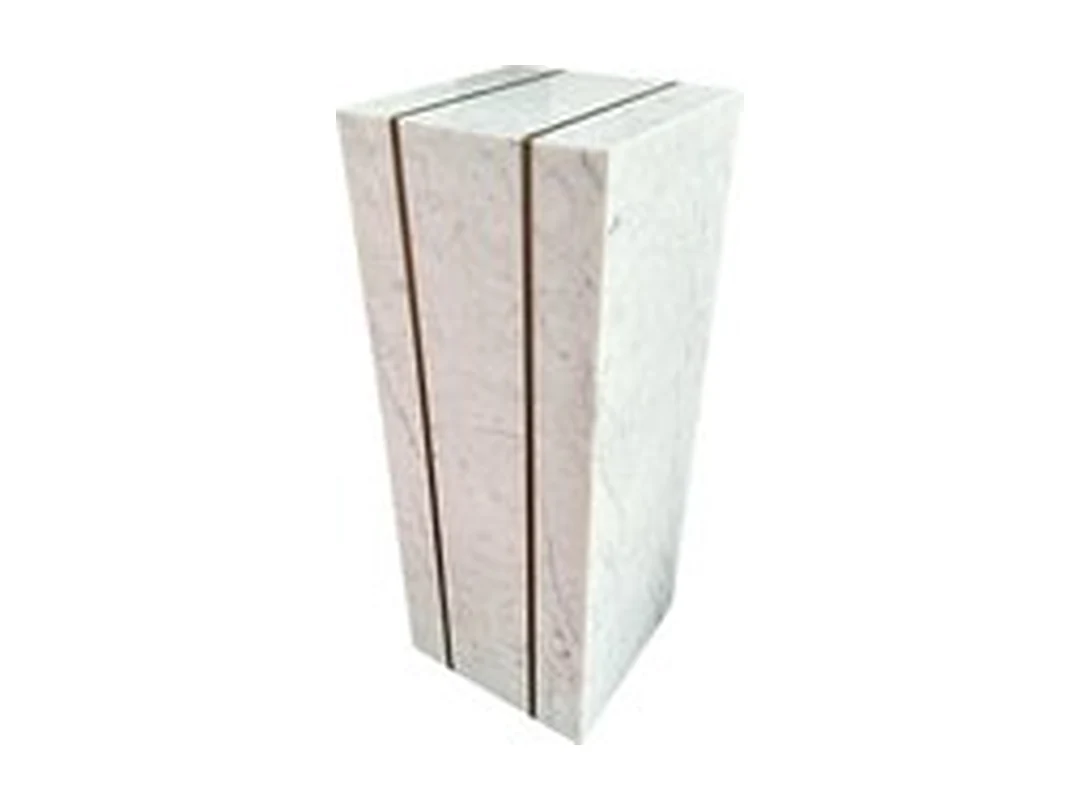
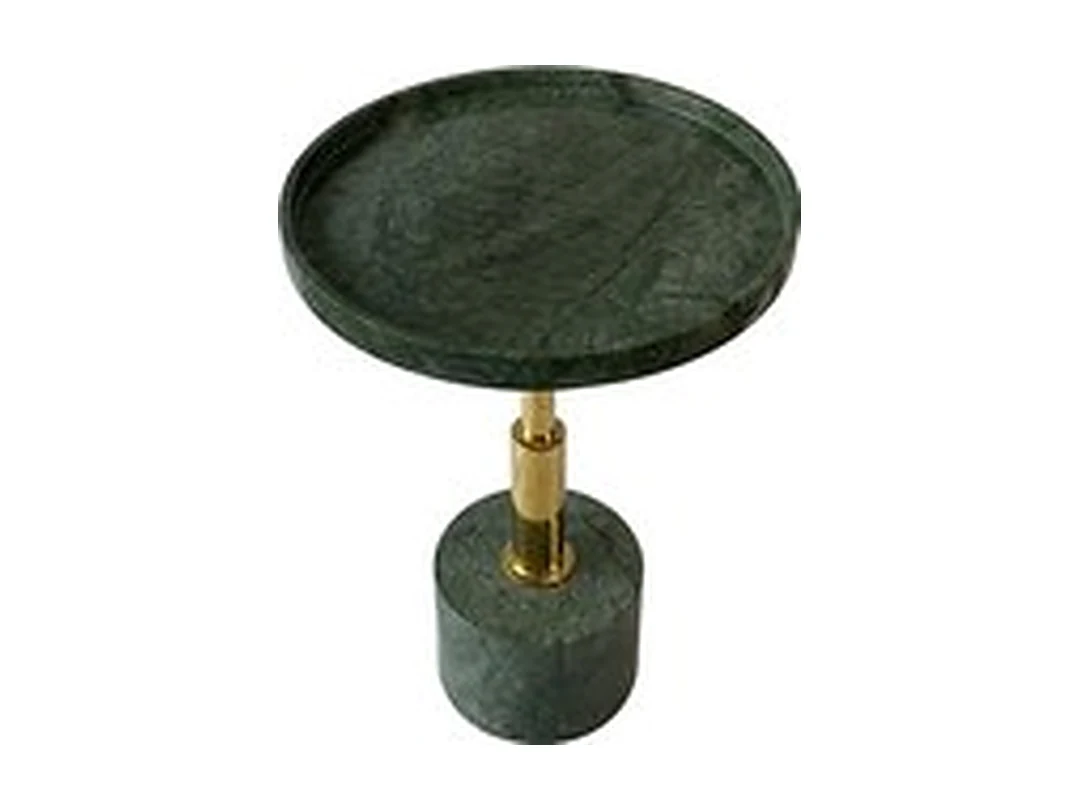
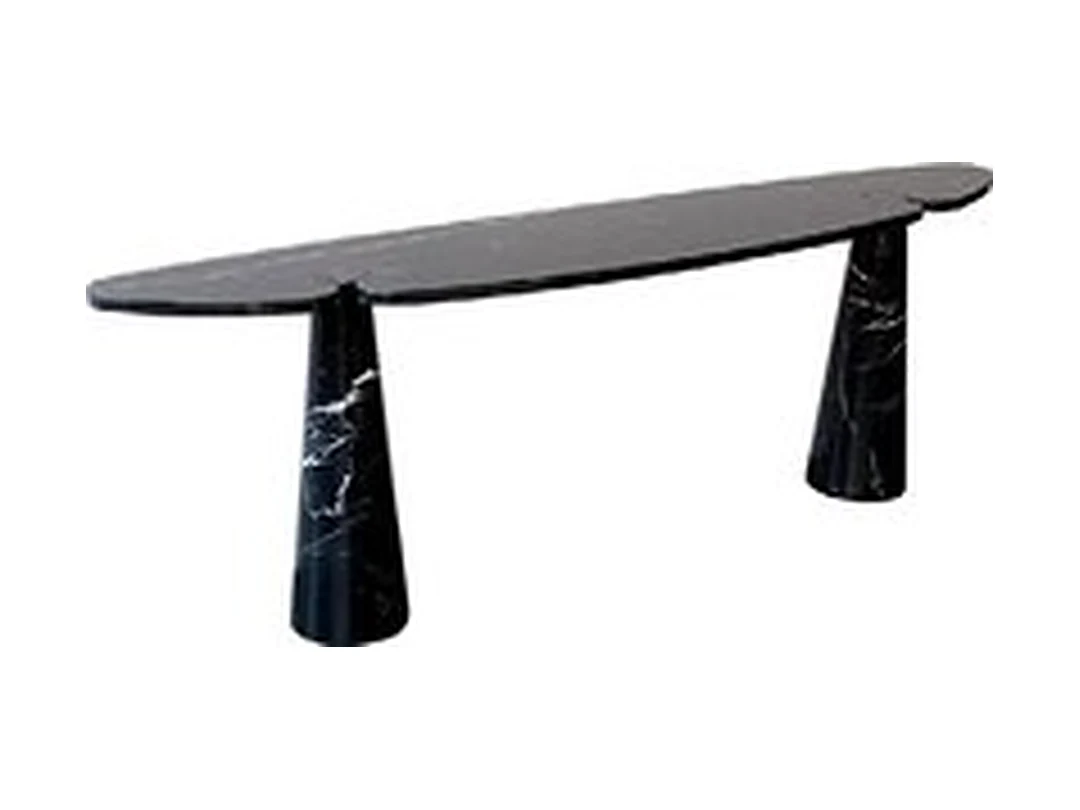
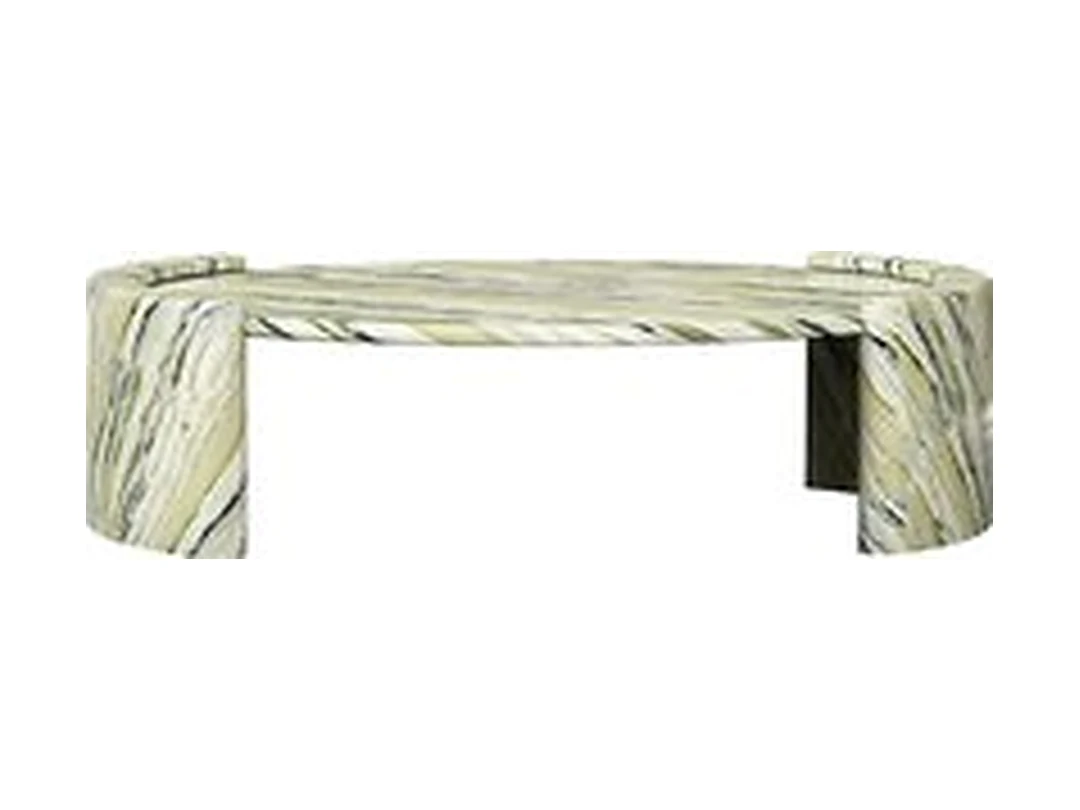
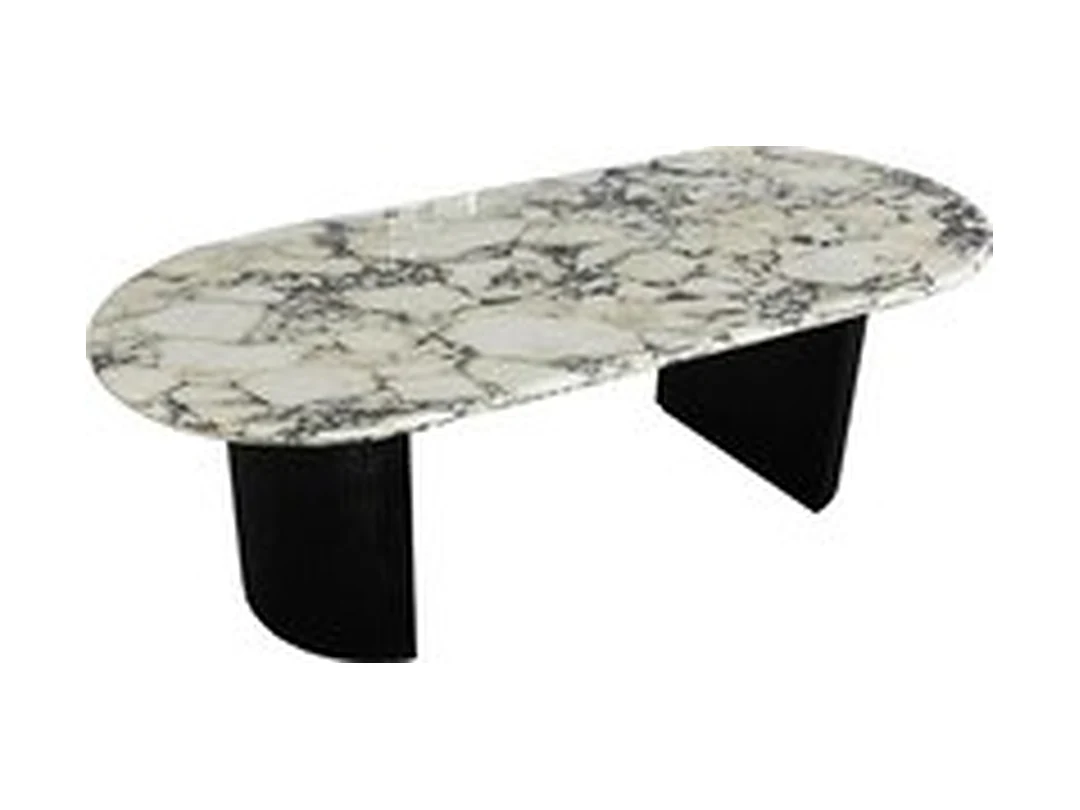
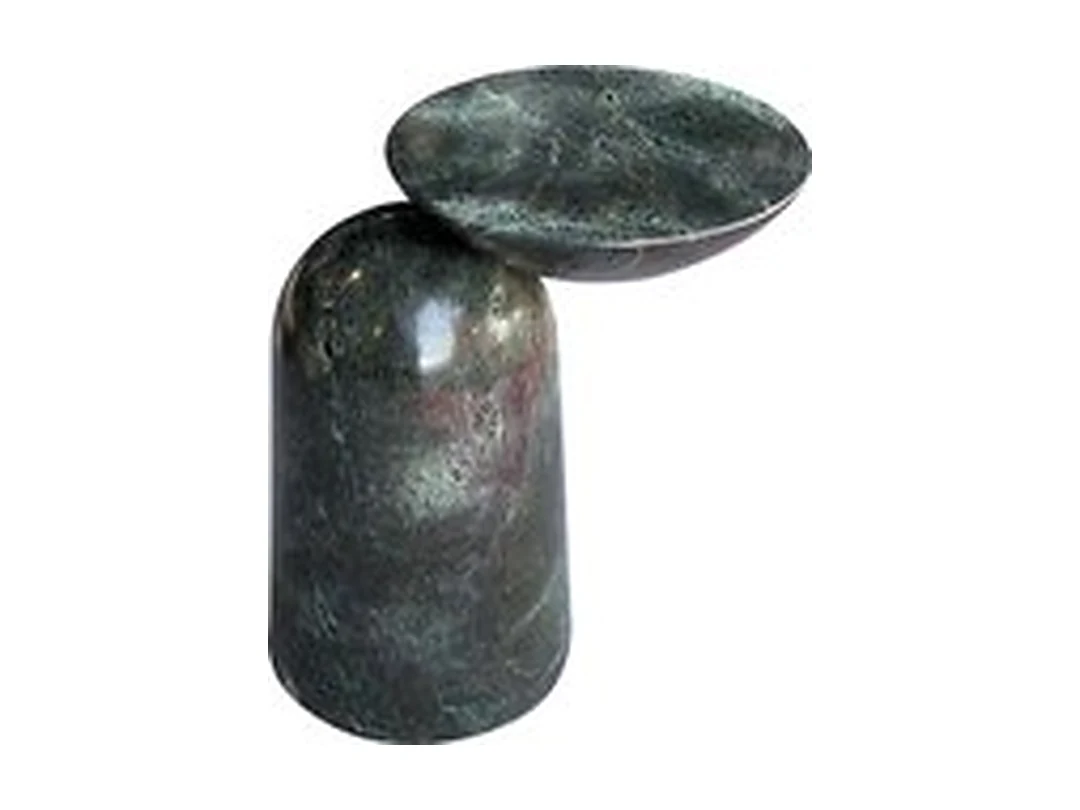
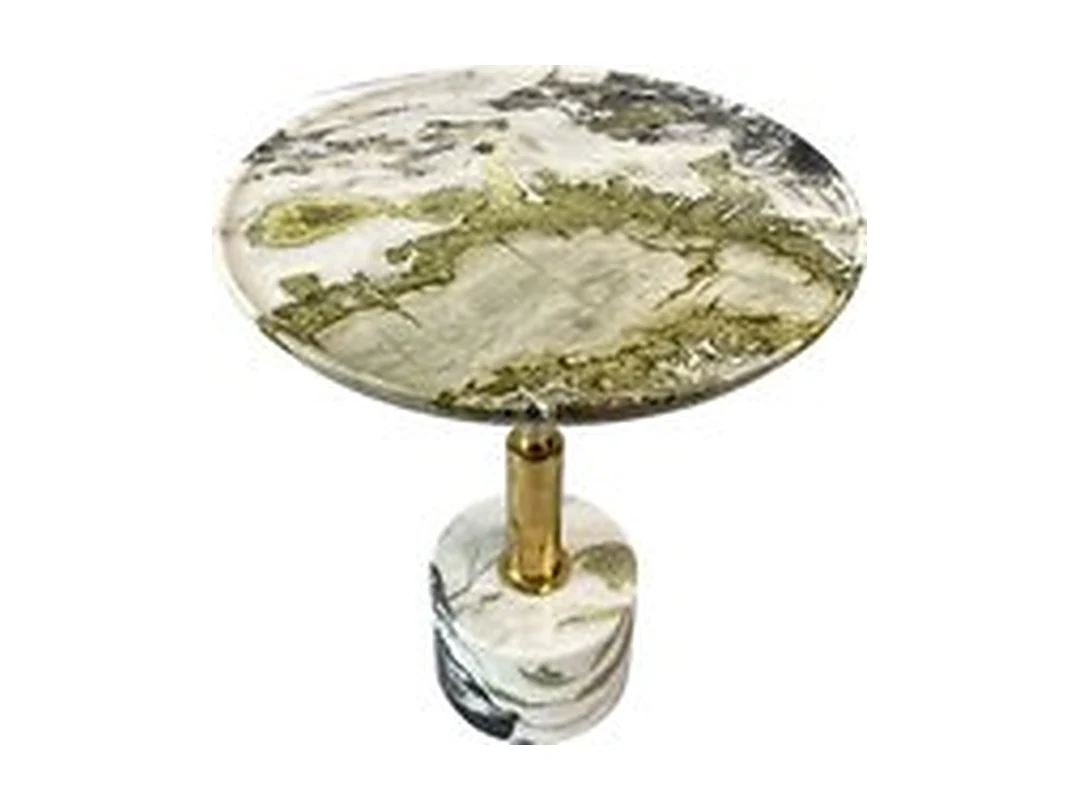
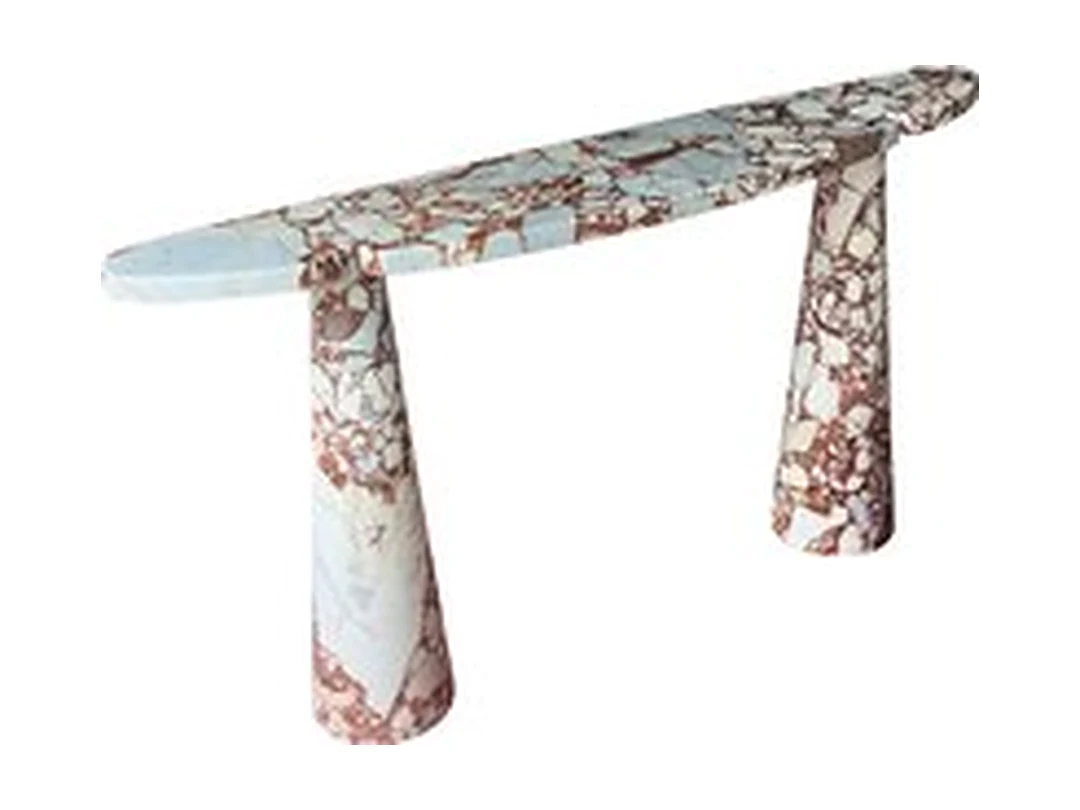
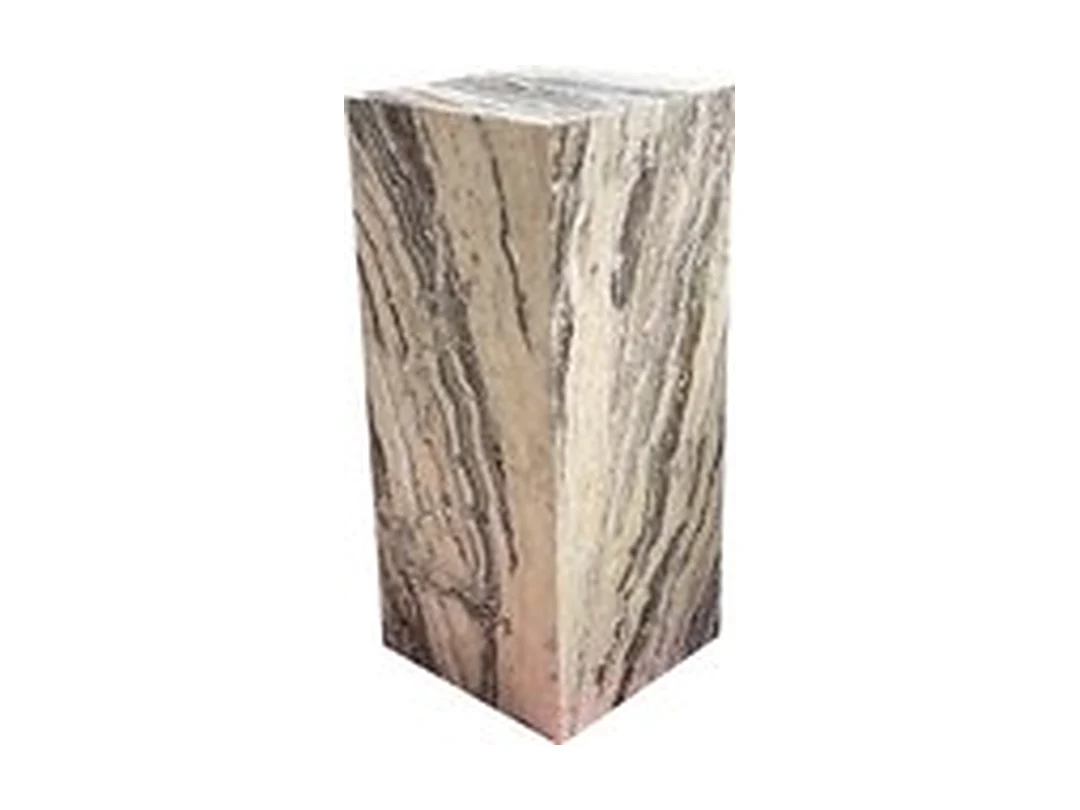
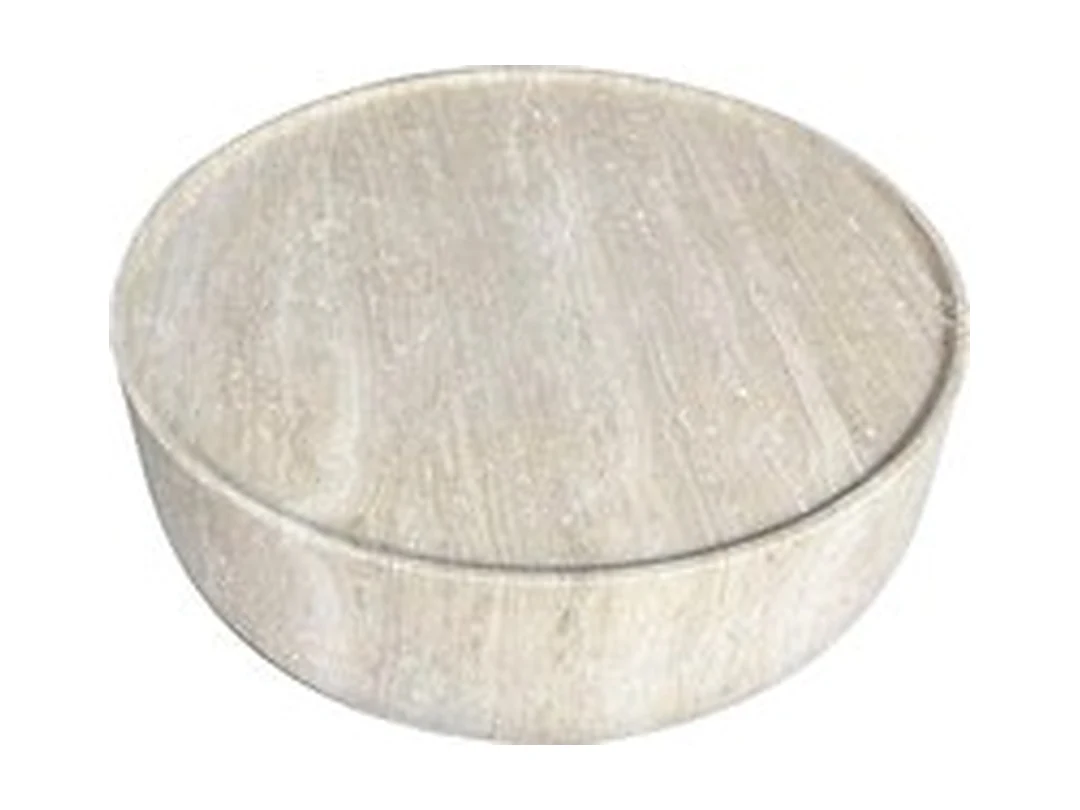
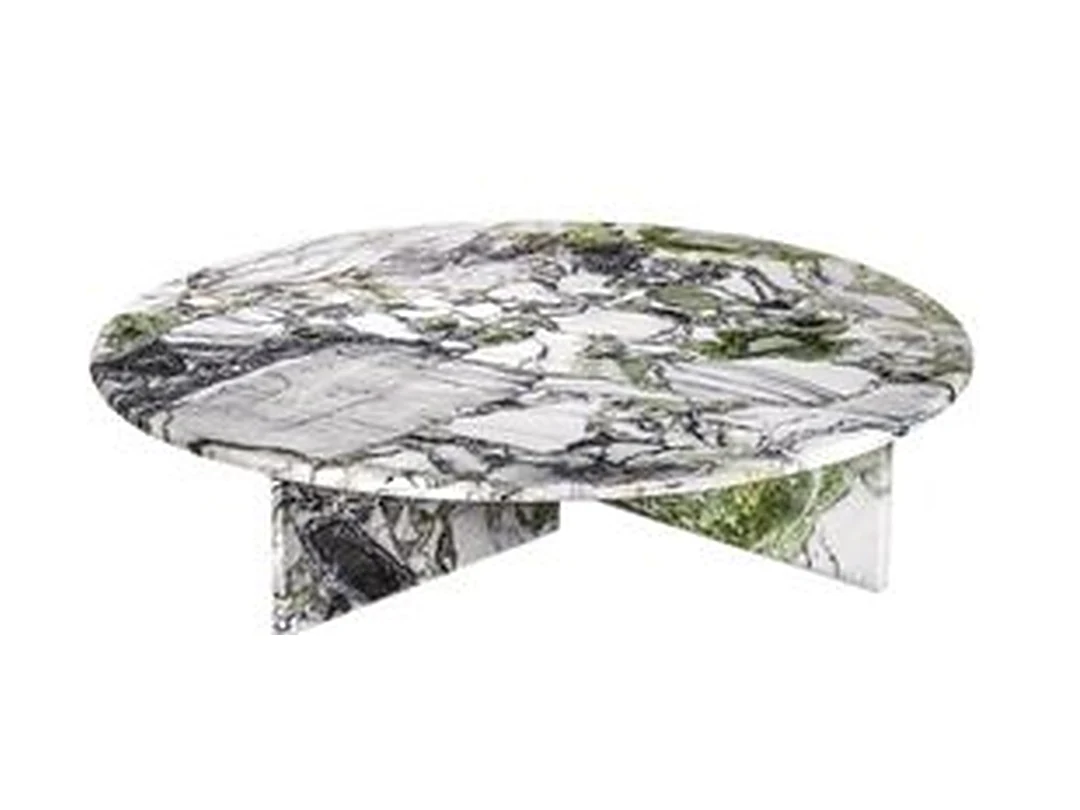
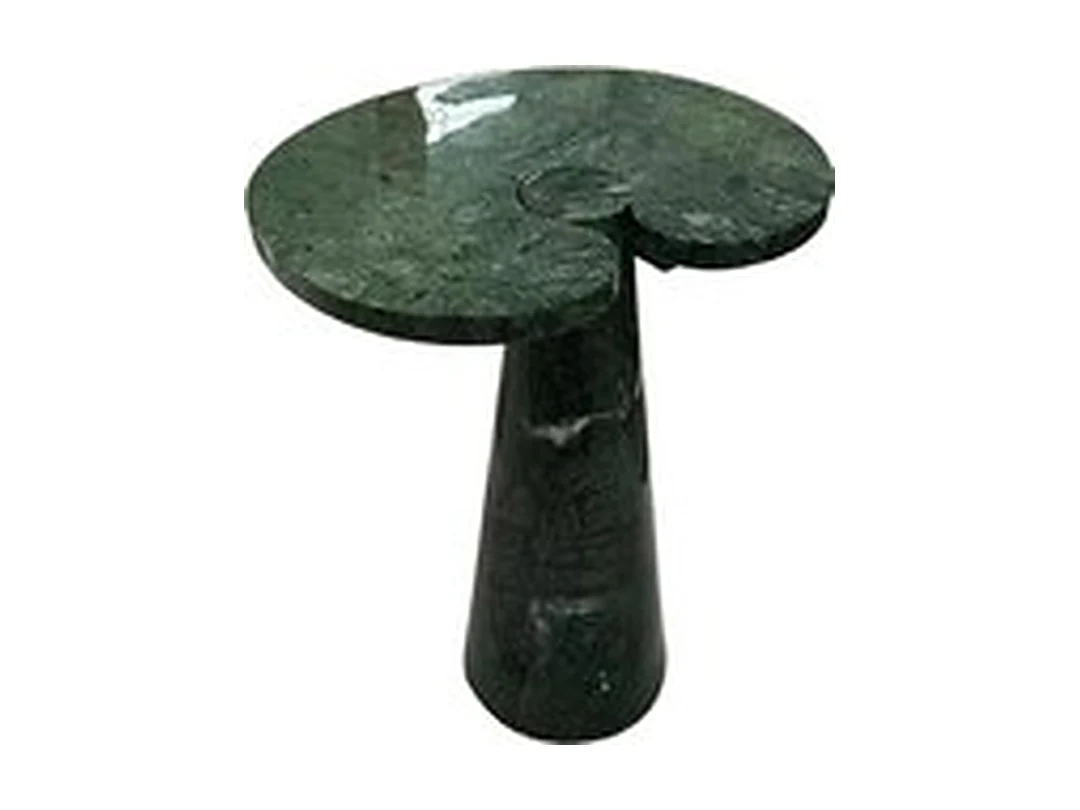
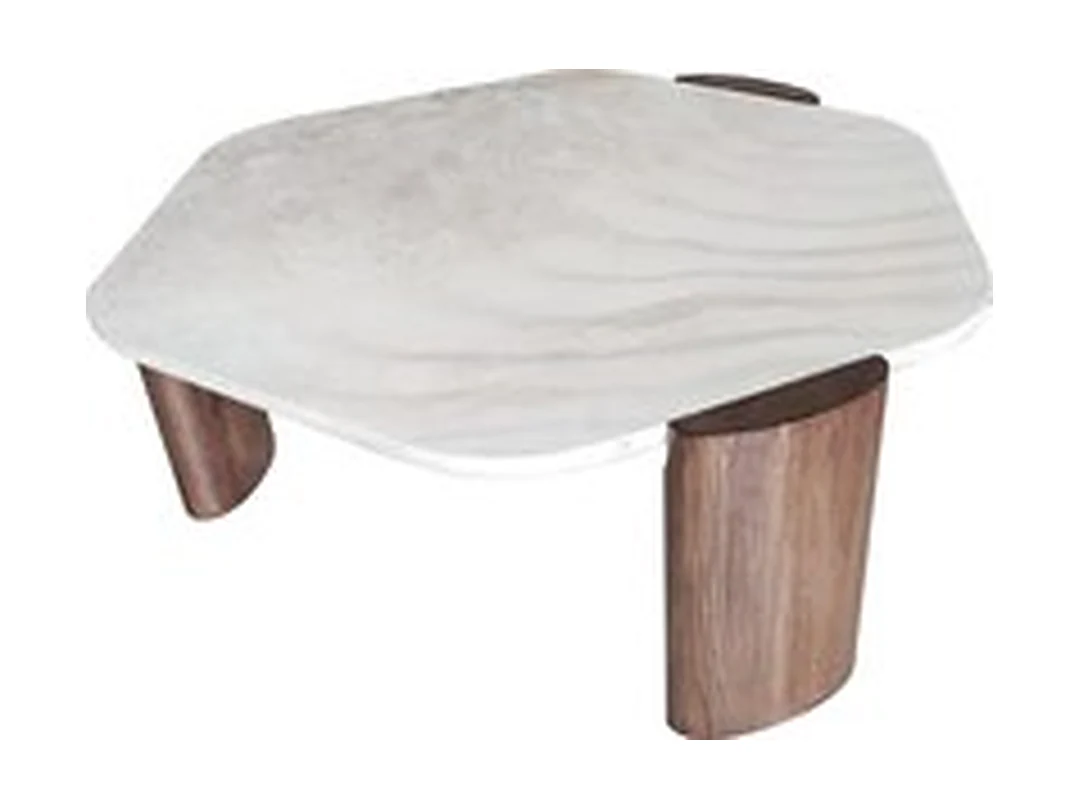
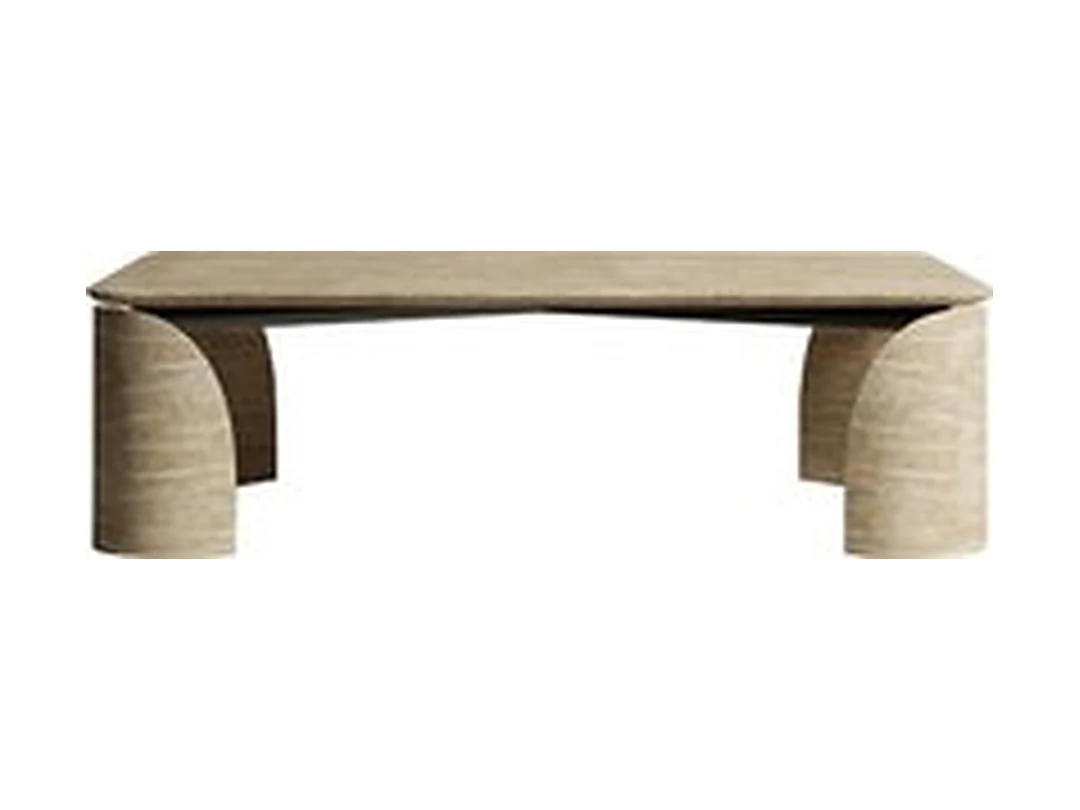
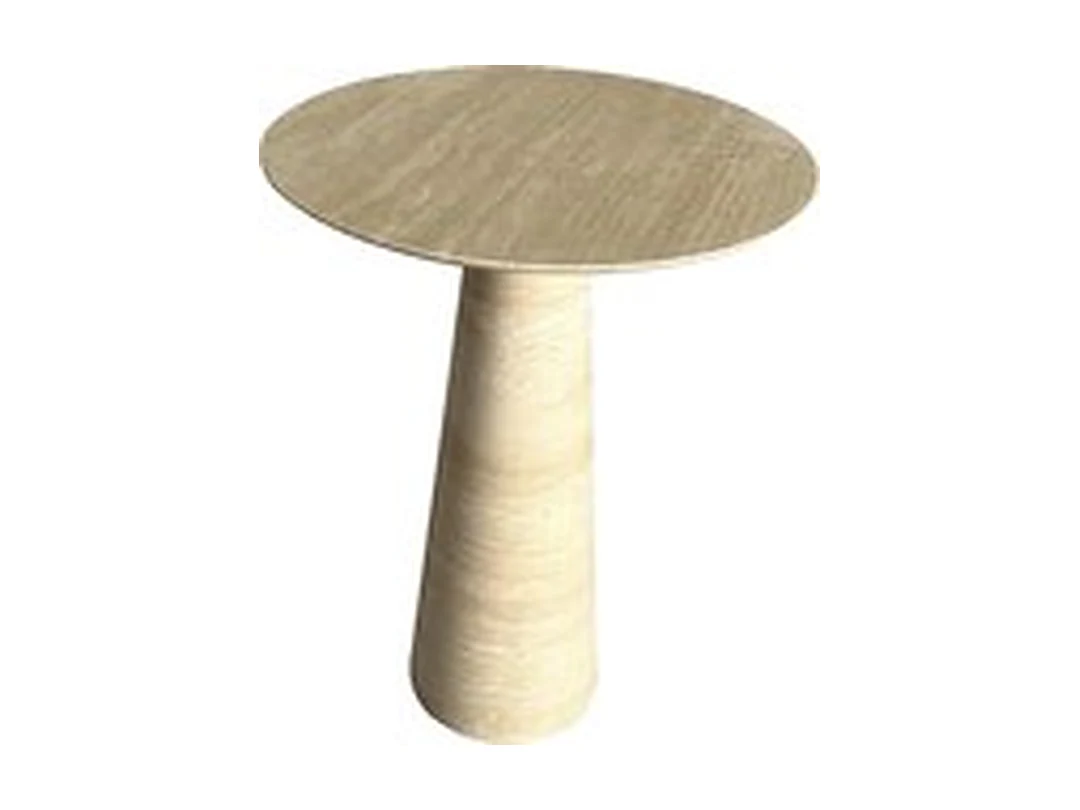
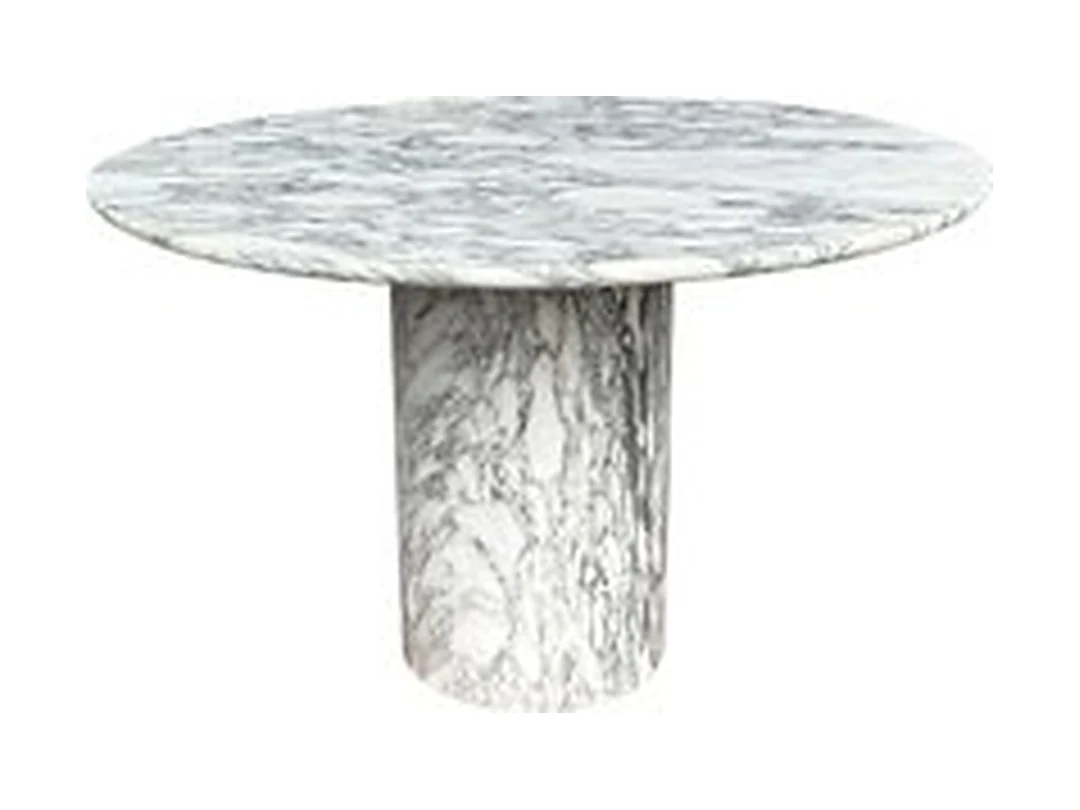
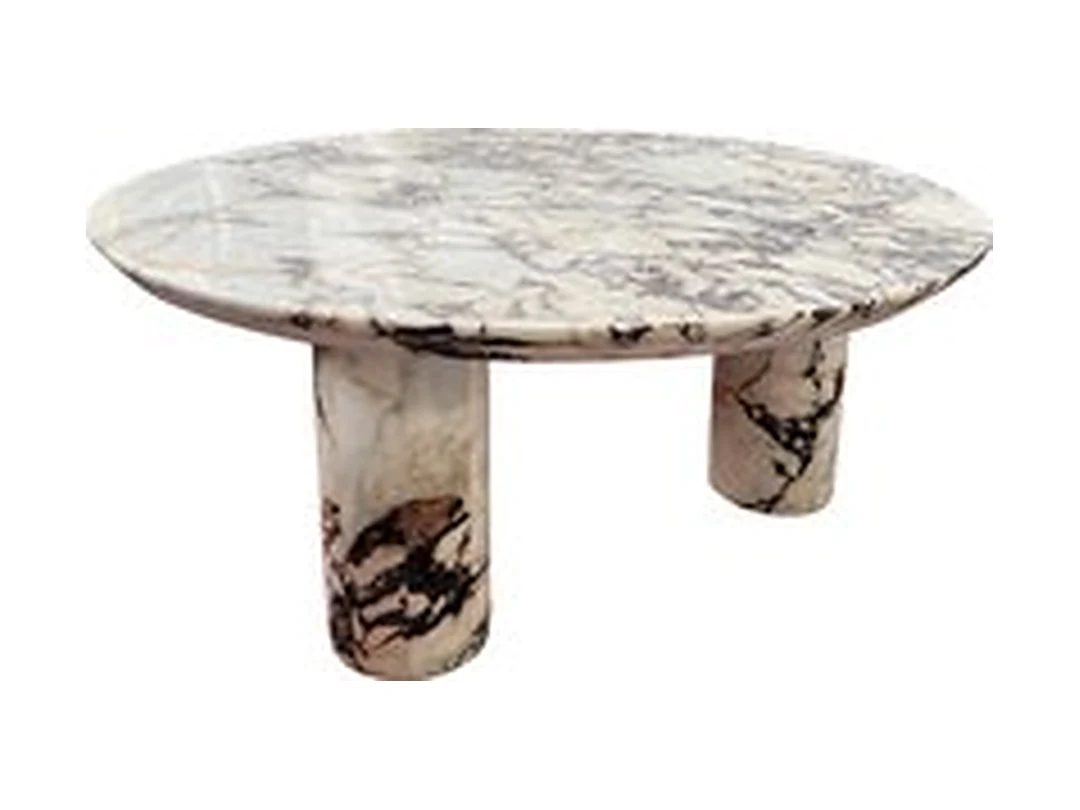
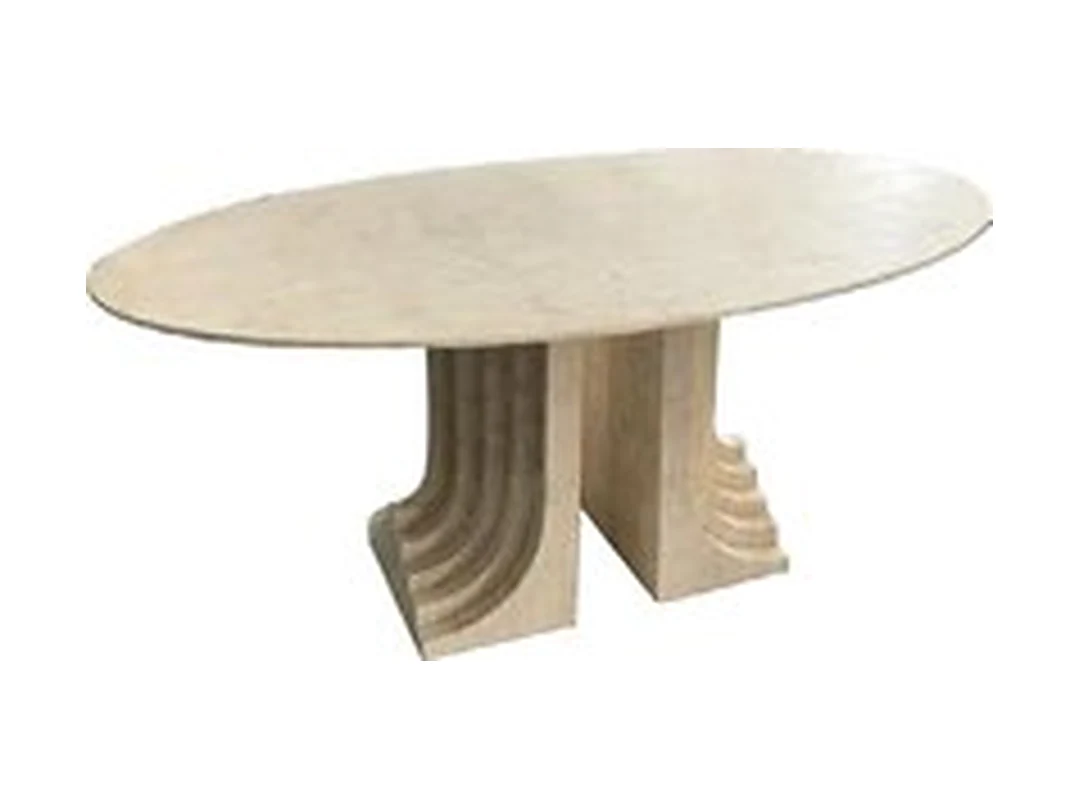
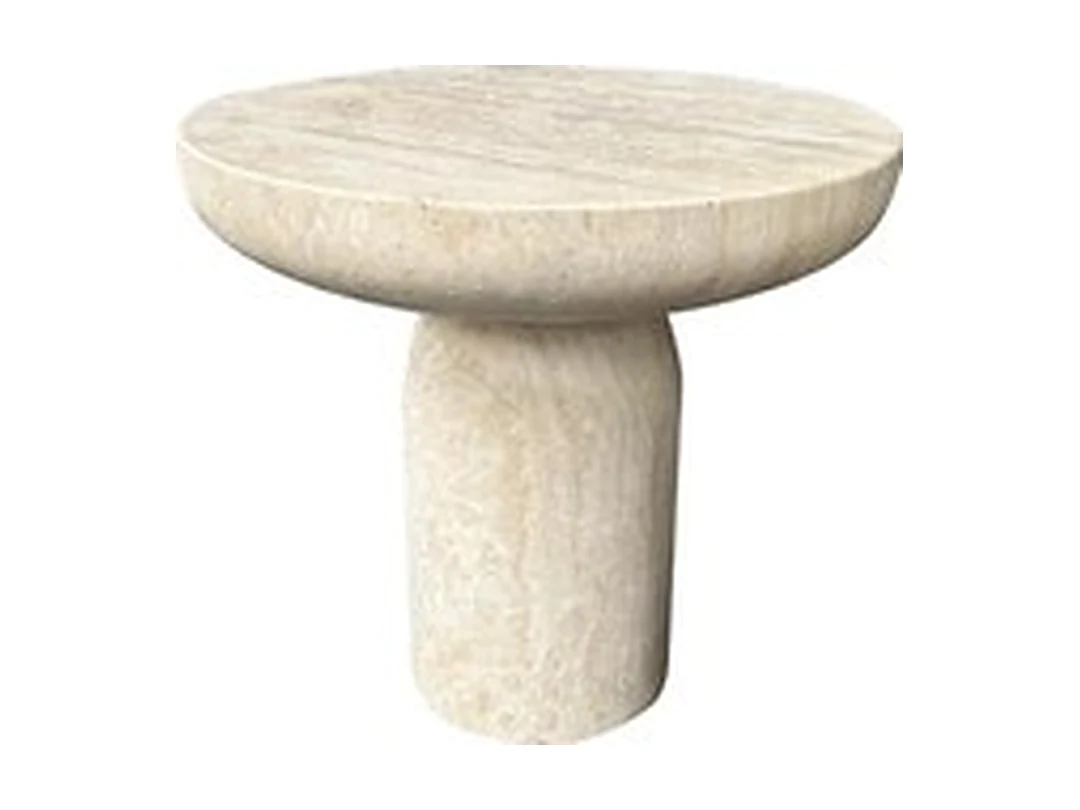
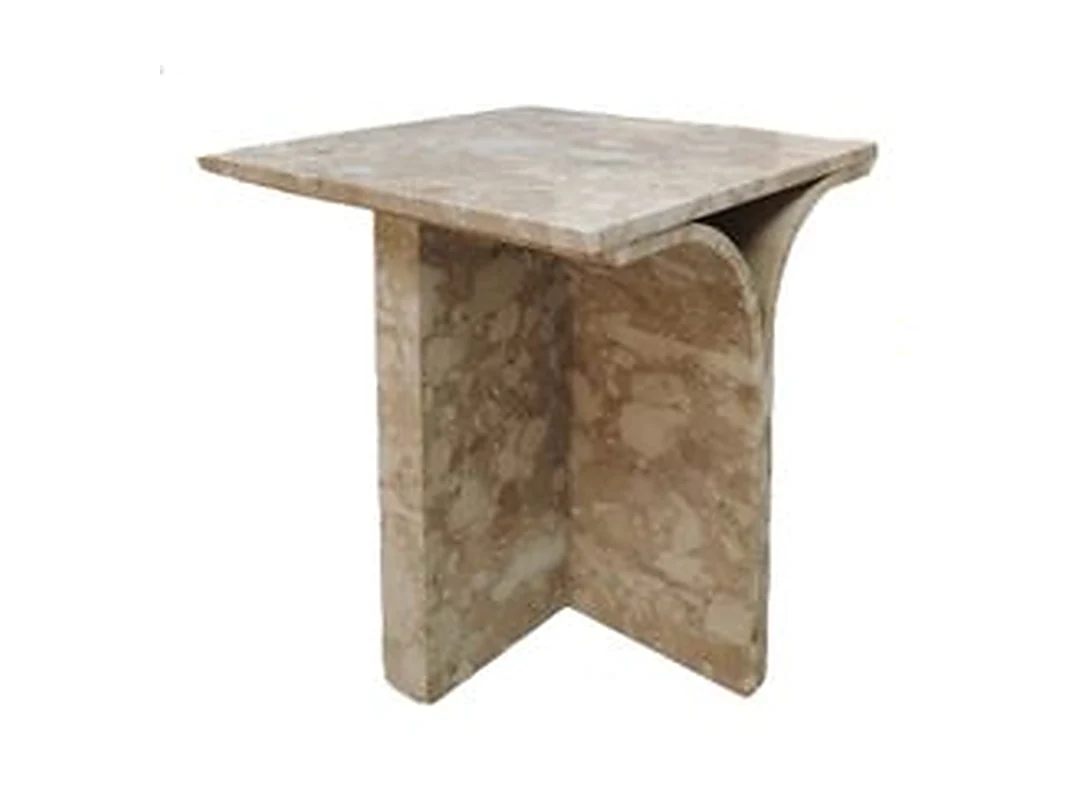
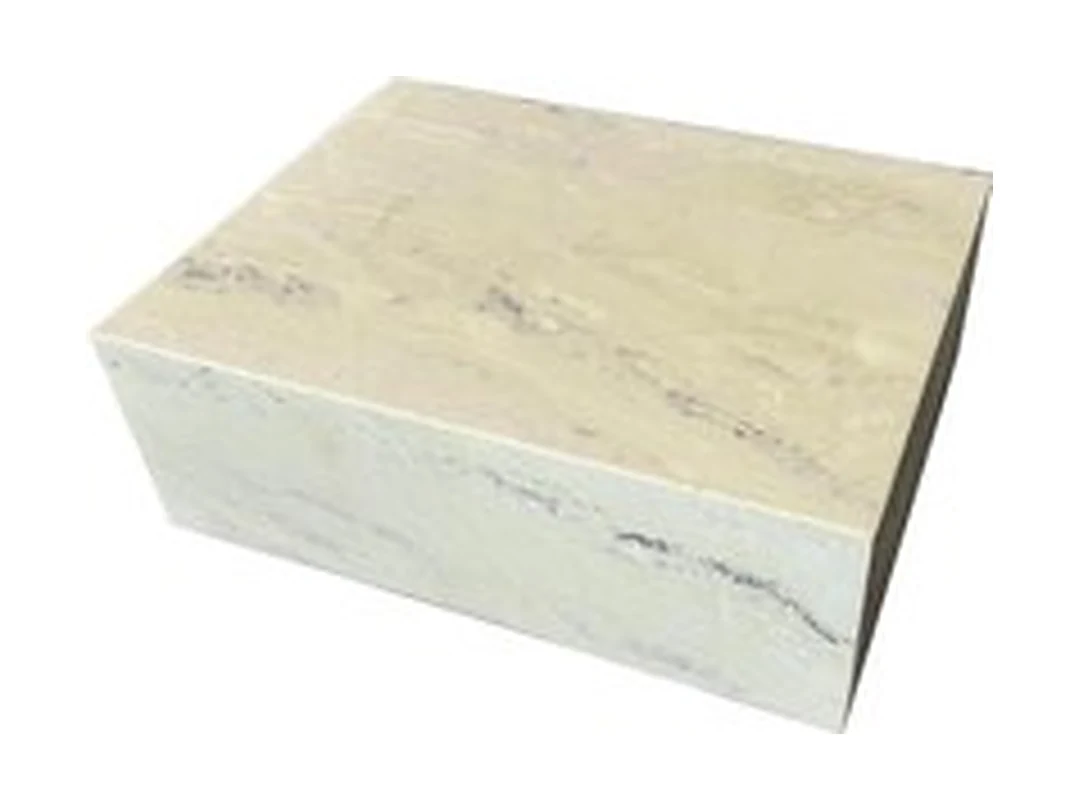
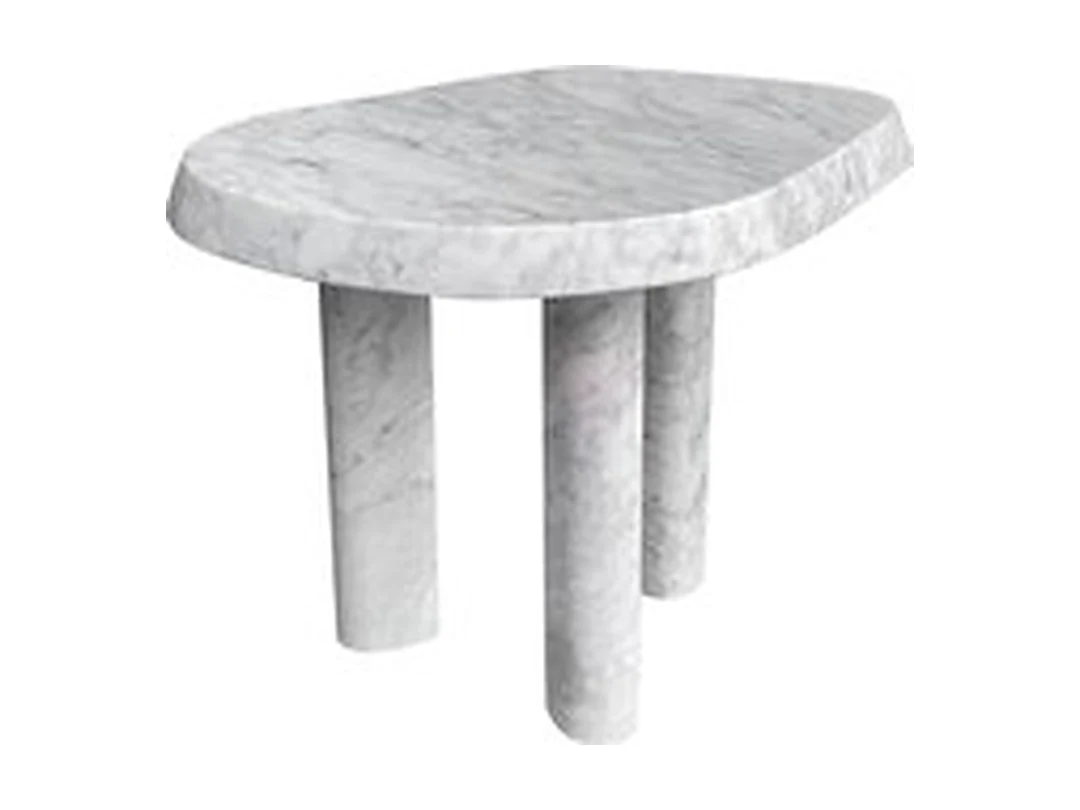
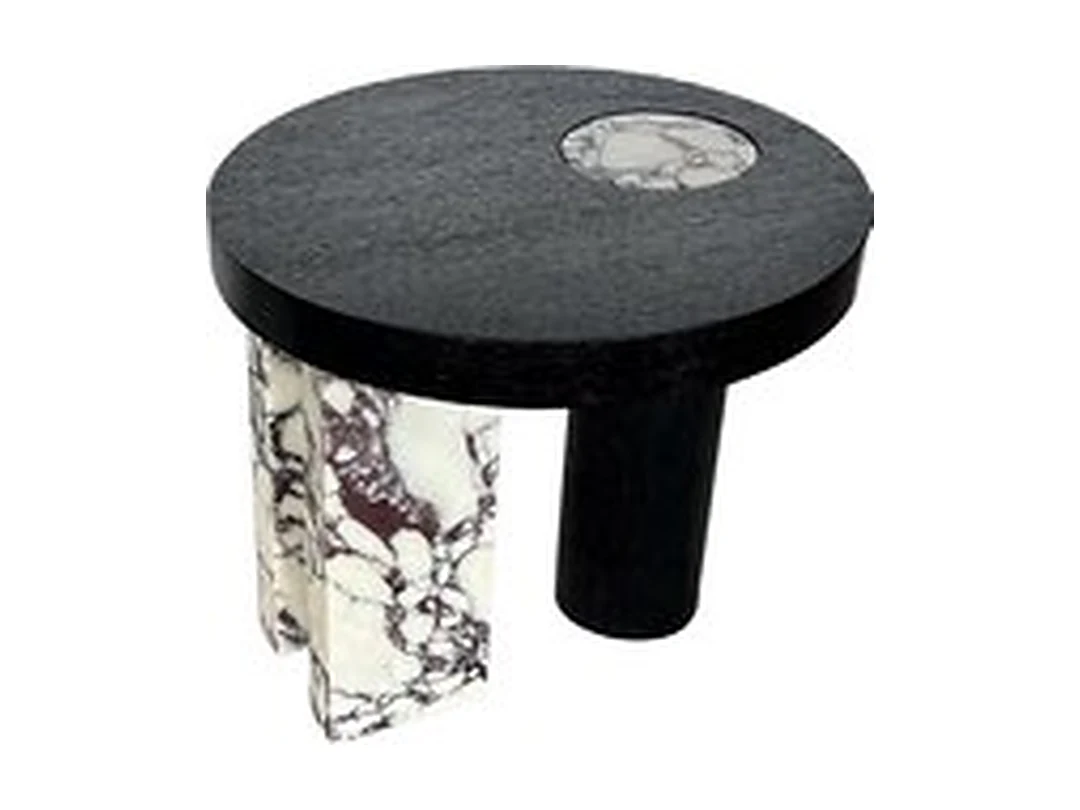
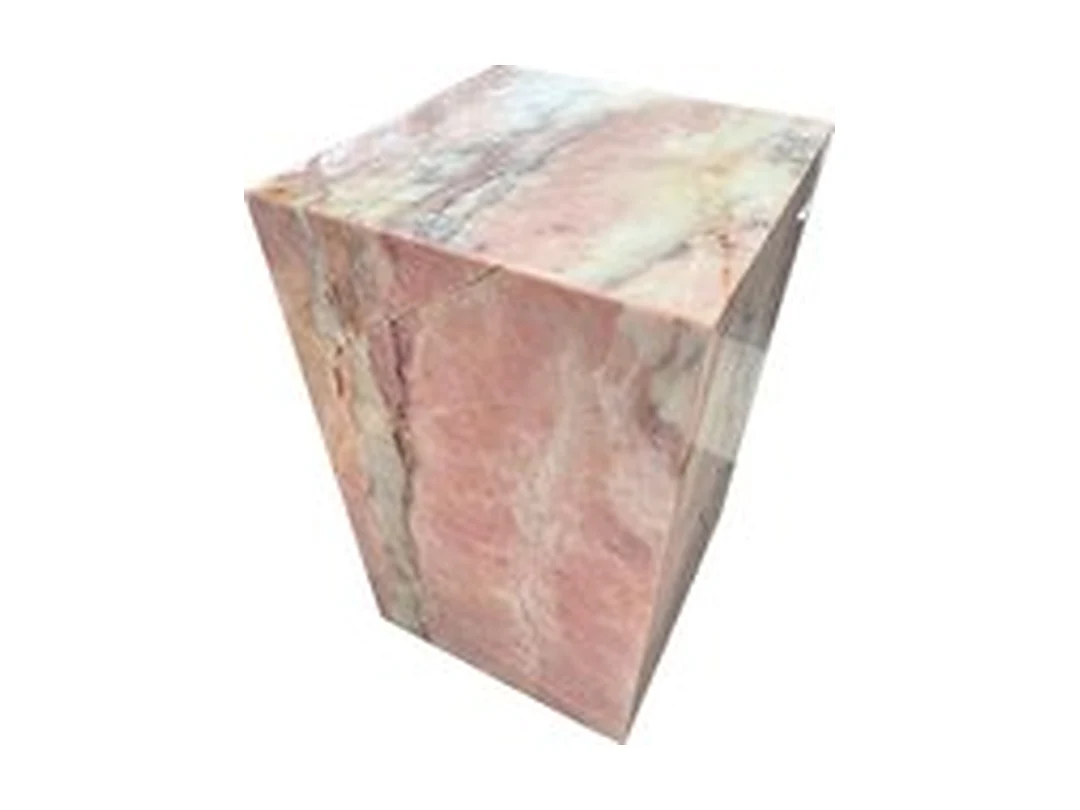
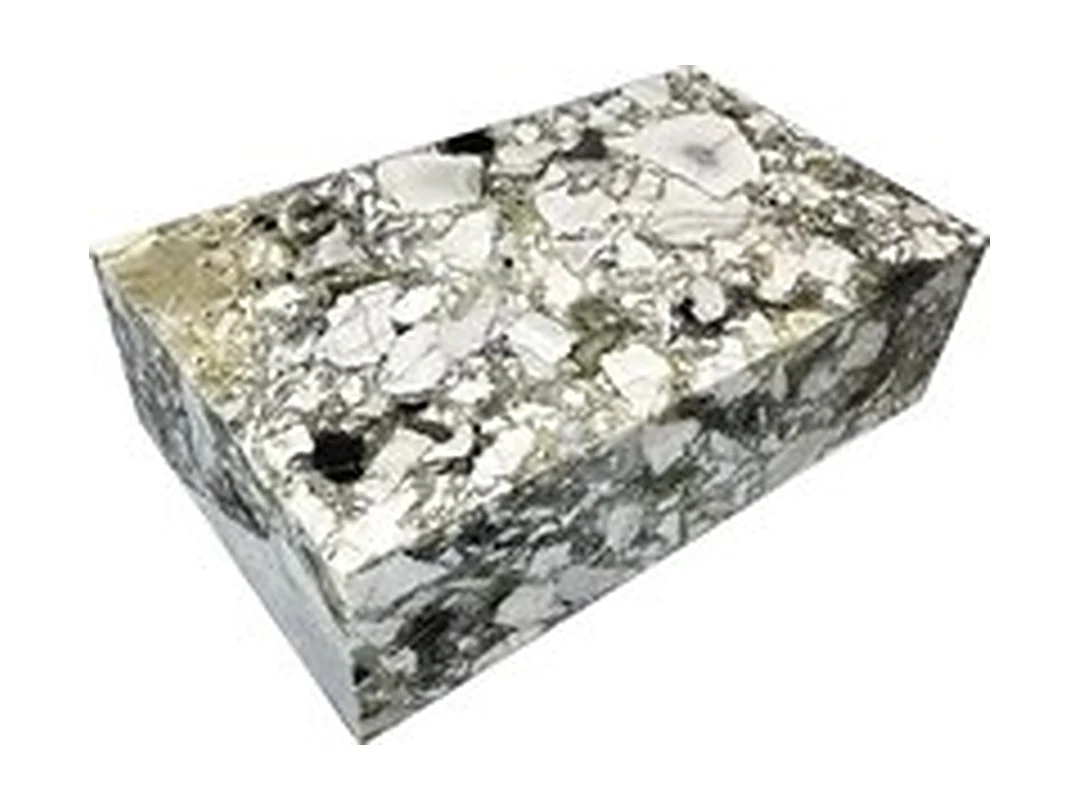
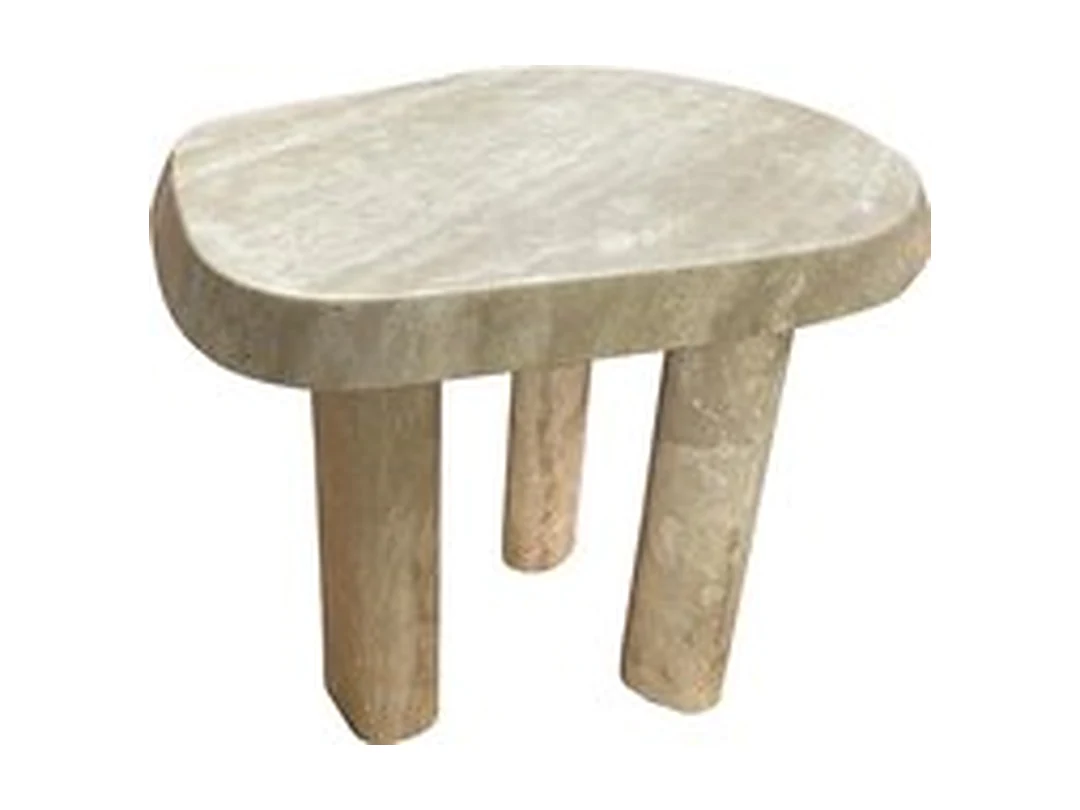
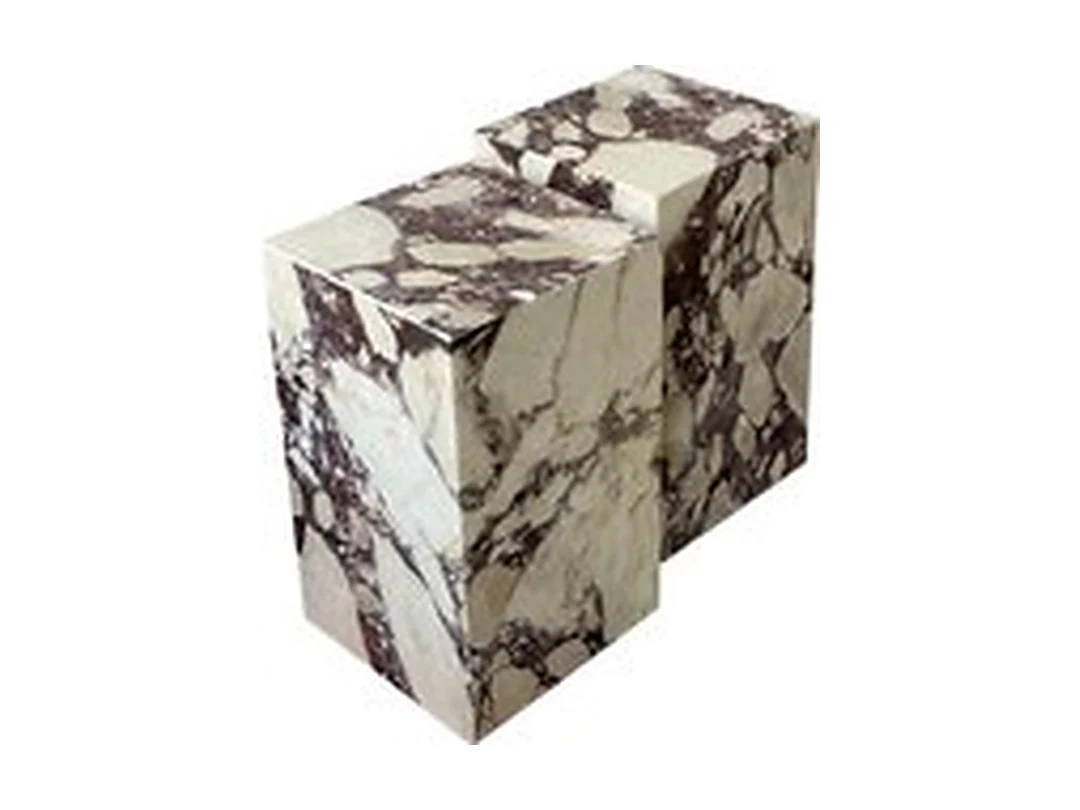
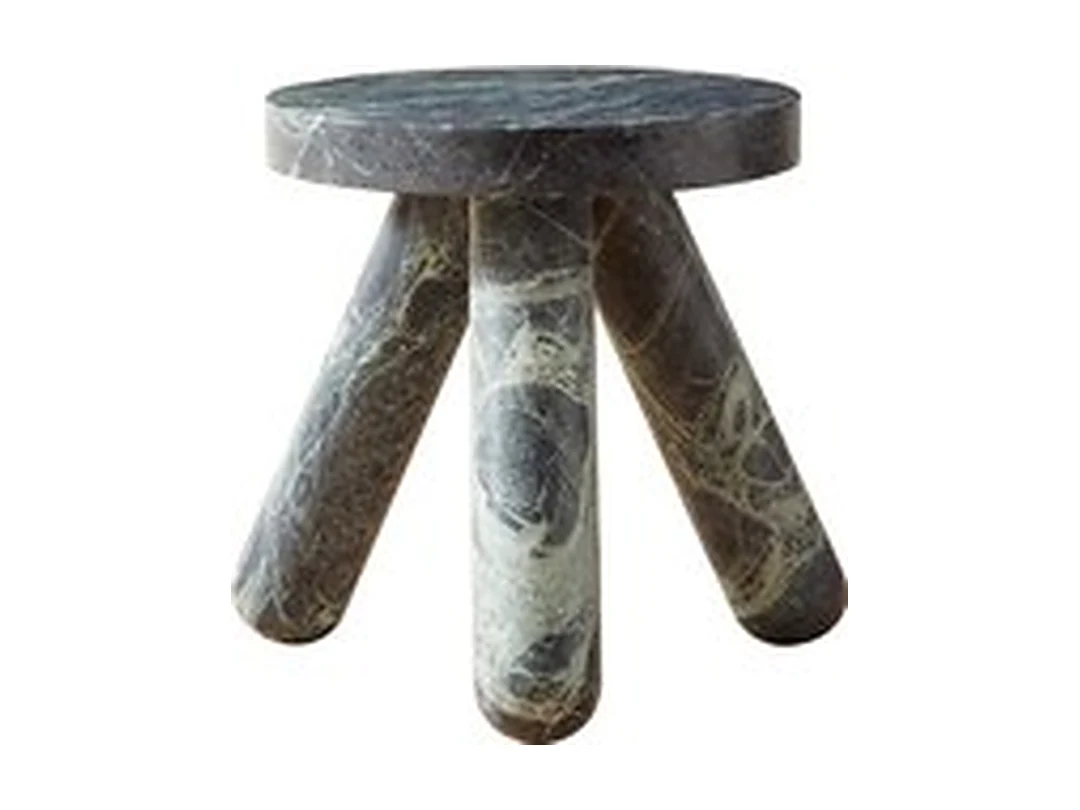
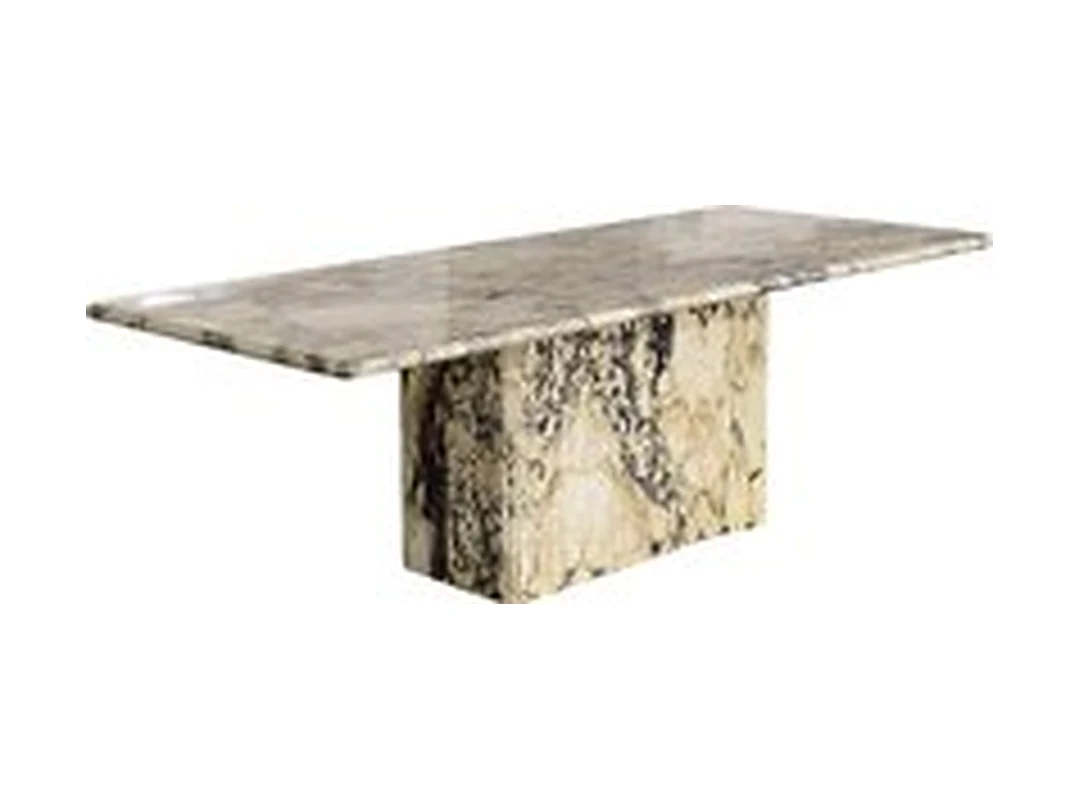
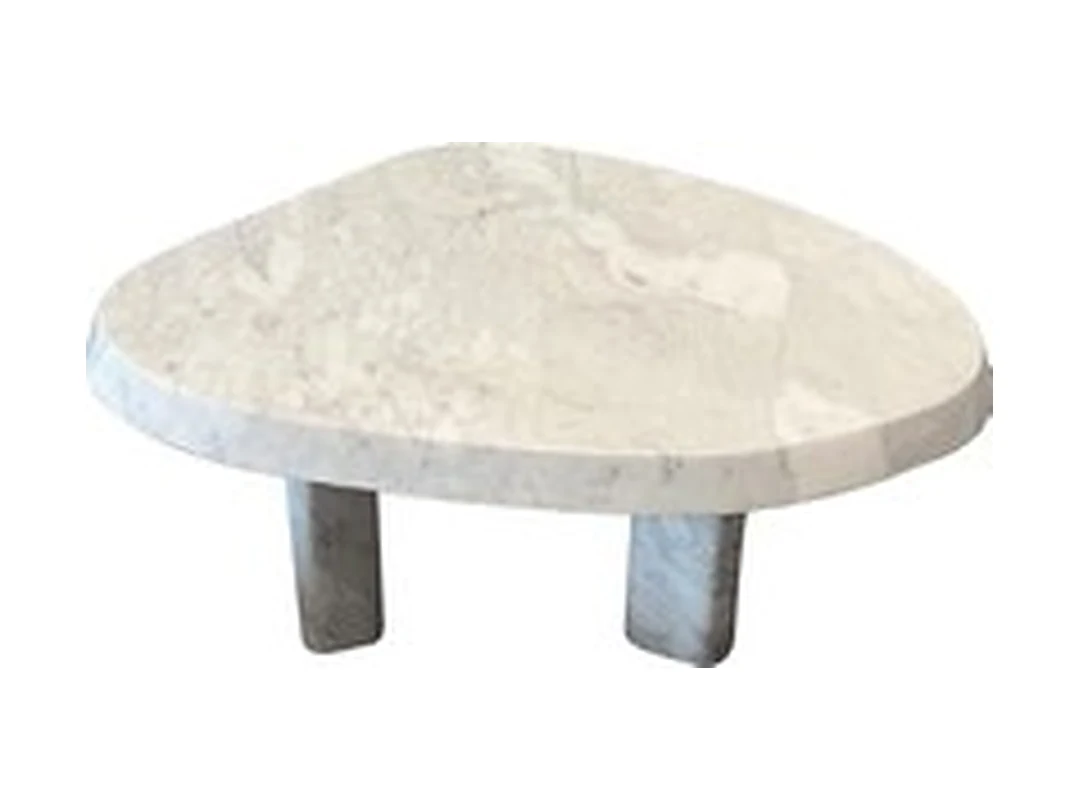
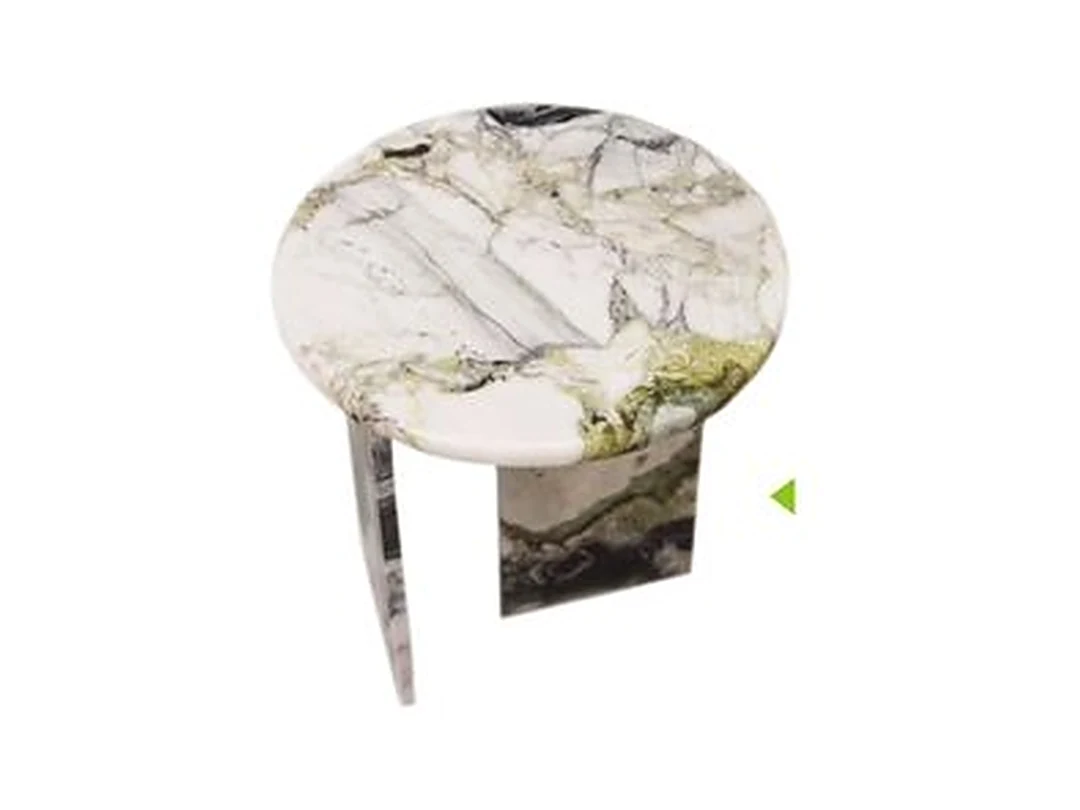
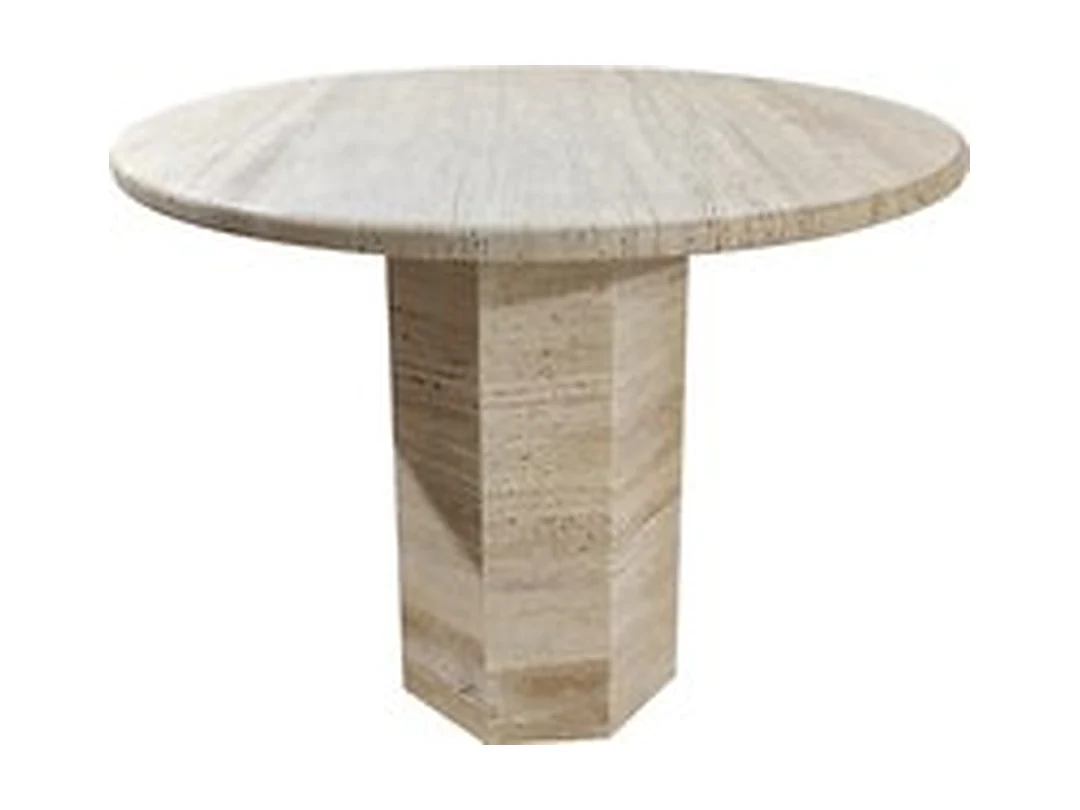
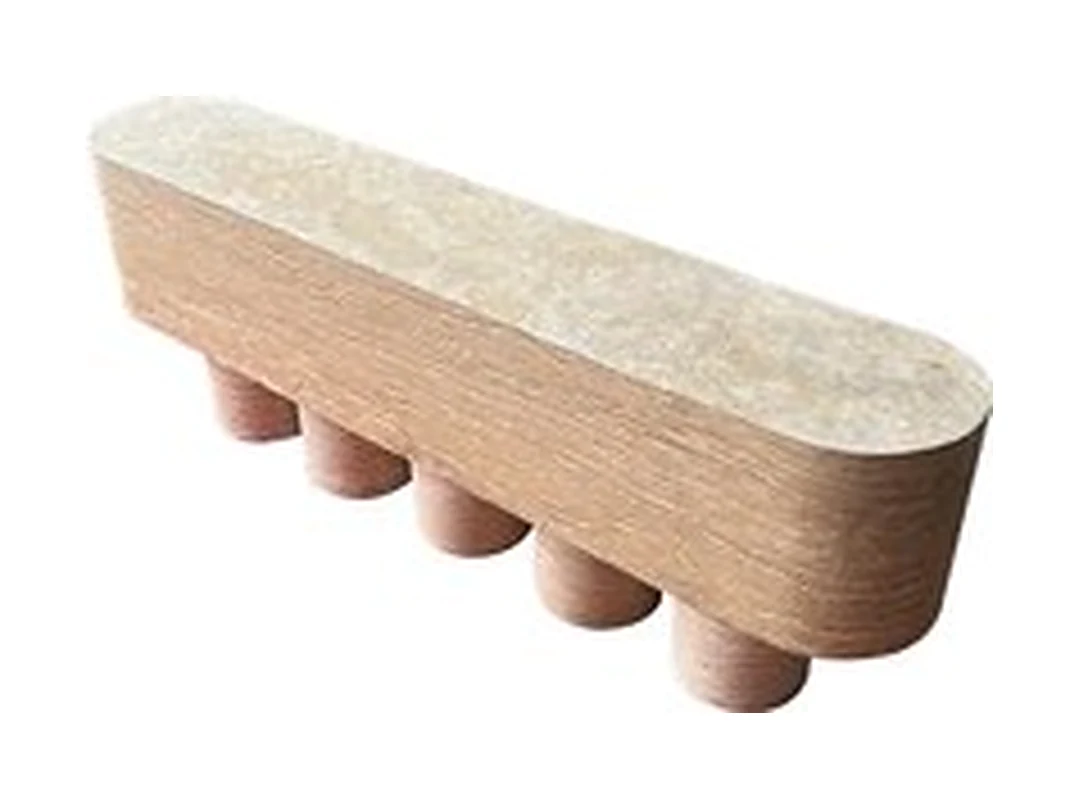
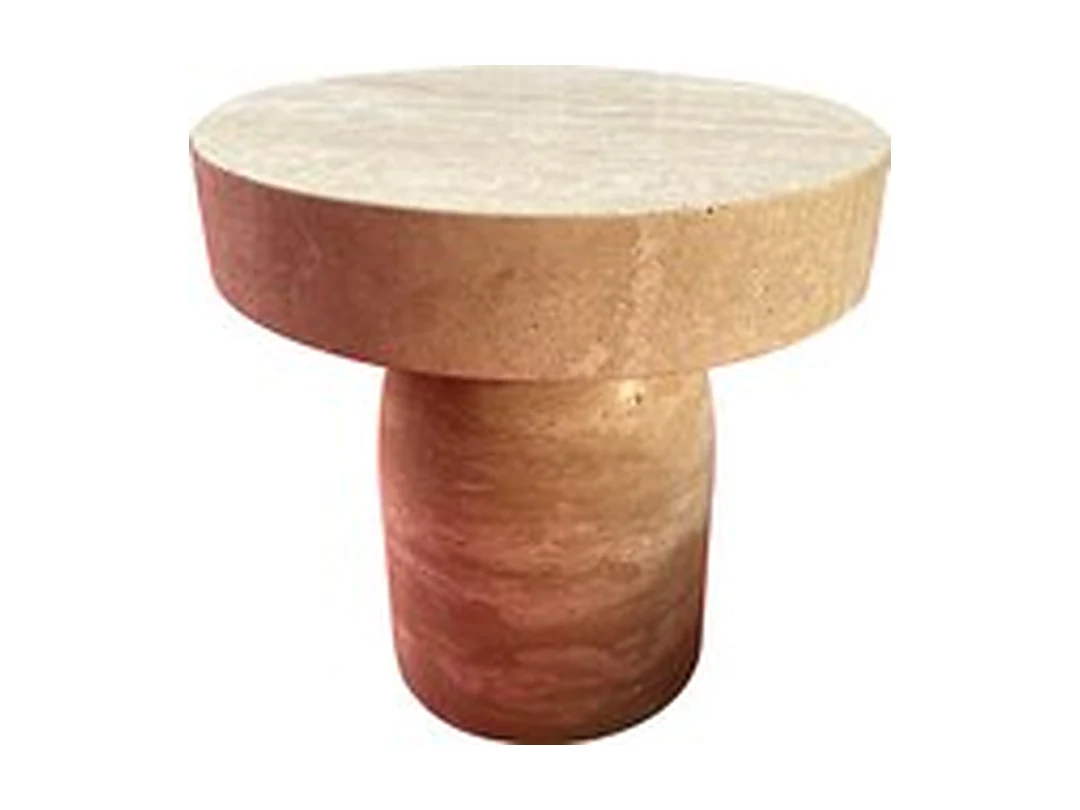
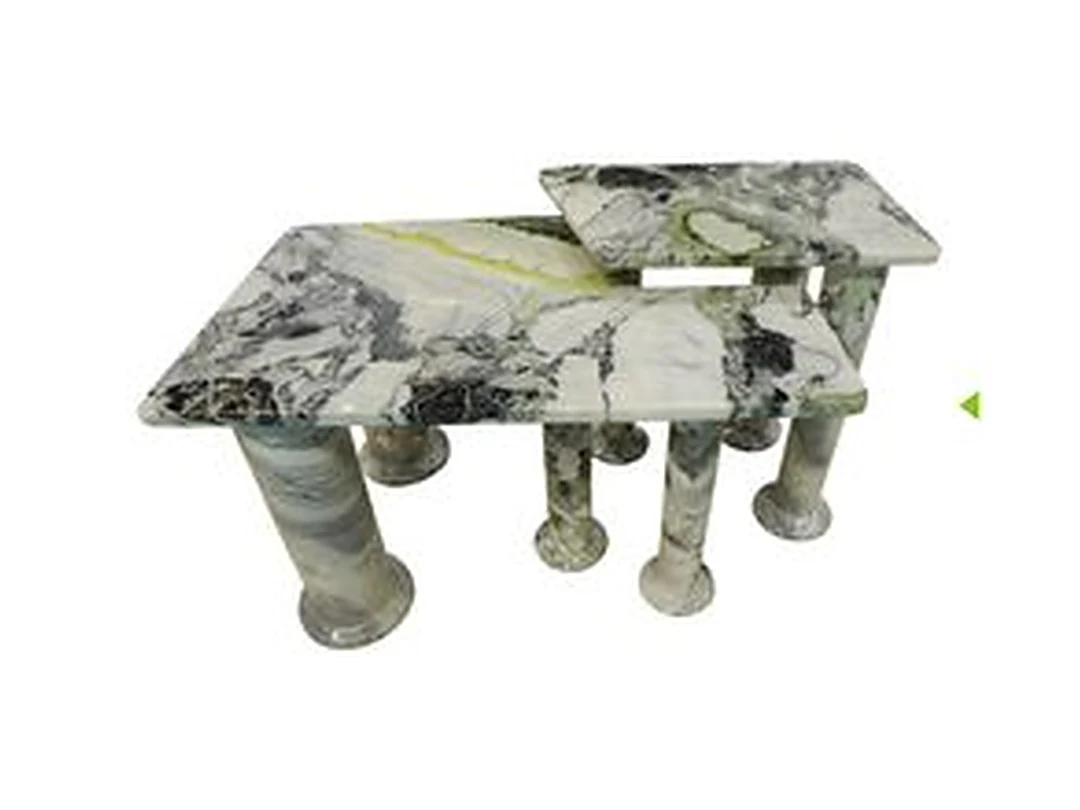
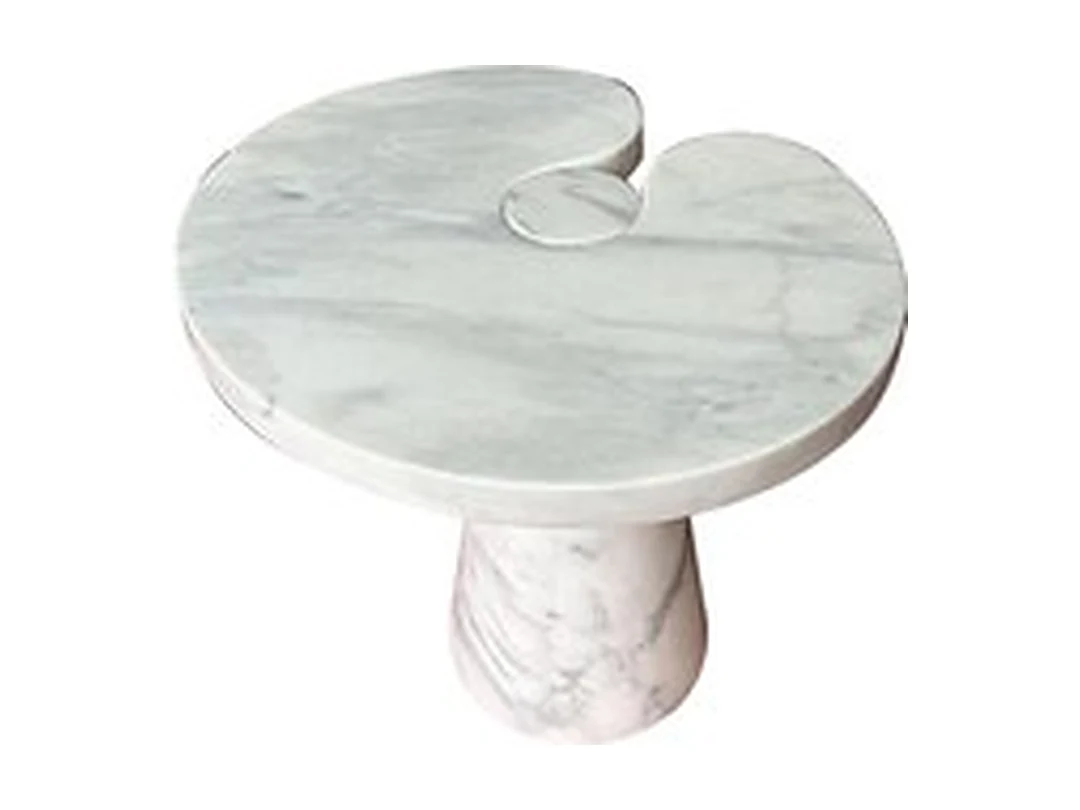
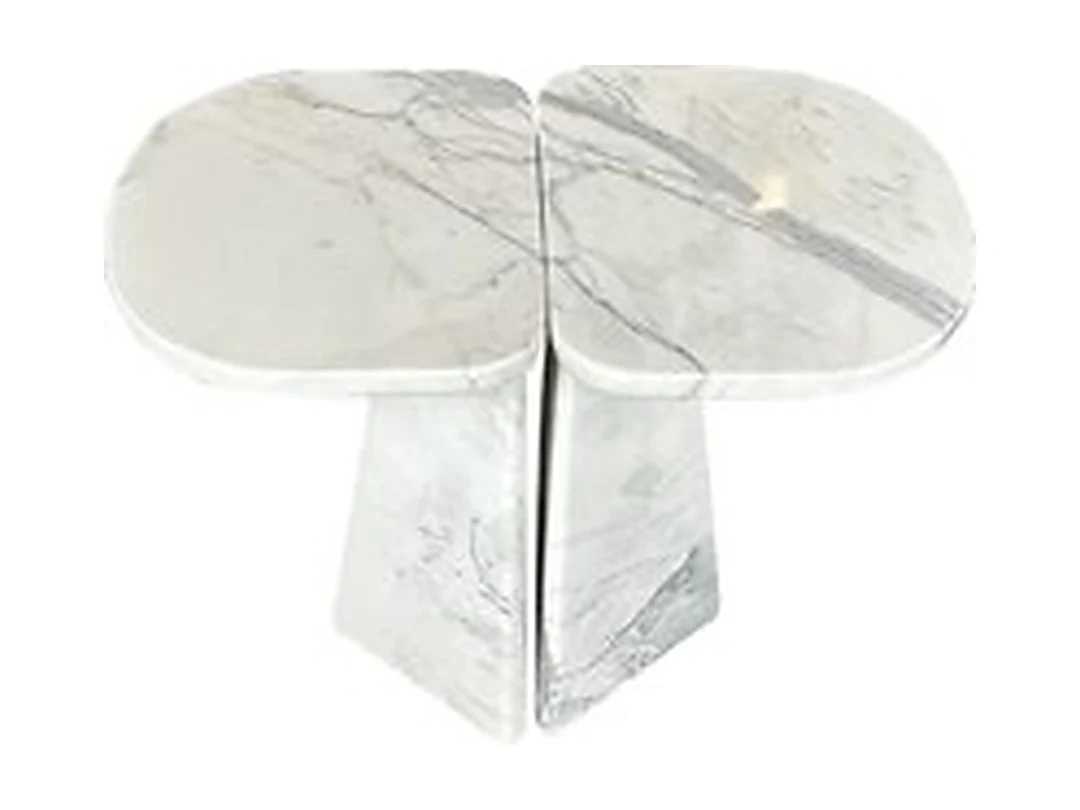
Every stone table we make — coffee, dining, side, console — starts the same way: a slab chosen for colour and movement, a drawing you approve, and a factory-to-order build. This hub gathers the full table collection across travertine and marble so you can compare forms before narrowing to a category.
Made to Order
Made to Order
Made to Order
Made to Order
Made to Order
Made to Order
Made to Order
Made to Order
Made to Order
Made to Order
Made to Order
Made to Order
Made to Order
Made to Order
Made to Order
Made to Order
Made to Order
Made to Order
Made to Order
Made to Order
Made to Order
Made to Order
Made to Order
Made to Order
Made to Order

Made to Order
Made to Order
Made to Order
Made to Order
Made to Order
Made to Order
Made to Order
Made to Order
Made to Order
Made to Order
Made to Order
Made to Order
Made to Order
Made to Order
Made to Order
Made to Order
Made to Order
Made to Order

Made to Order
Made to Order
Made to Order
Made to Order
Made to Order
Made to Order
Made to Order
Made to Order
Made to Order
Made to Order
Made to Order
Made to Order
Made to Order
Made to Order

Made to Order
Made to Order
Made to Order

Made to Order
Made to Order
Made to Order
Made to Order
Made to Order
Made to Order
Made to Order
Made to Order
Made to Order

Made to Order
Made to Order
Made to Order
Made to Order
Made to Order
Made to Order
Made to Order
Made to Order
Made to Order
Made to Order
Made to Order
Made to Order
Made to Order
Made to Order
Made to Order
Made to Order
Made to Order
Made to Order
Made to Order
Made to Order
Made to Order
Made to Order

Made to Order
Made to Order
Made to Order
Made to Order
Made to Order
Made to Order
Made to Order
Made to Order
Made to Order
Made to Order
Made to Order
Made to Order
Made to Order
Made to Order
Made to Order
Made to Order
Made to Order
Made to Order
Made to Order

Made to Order

Made to Order
Made to Order
Made to Order
Made to Order
Made to Order
Made to Order
Made to Order
Made to Order
Made to Order
Made to Order
Made to Order
Made to Order
Made to Order
Made to Order
Made to Order
Made to Order
Made to Order
Made to Order
Made to Order
Made to Order

Made to Order
Made to Order
Made to Order
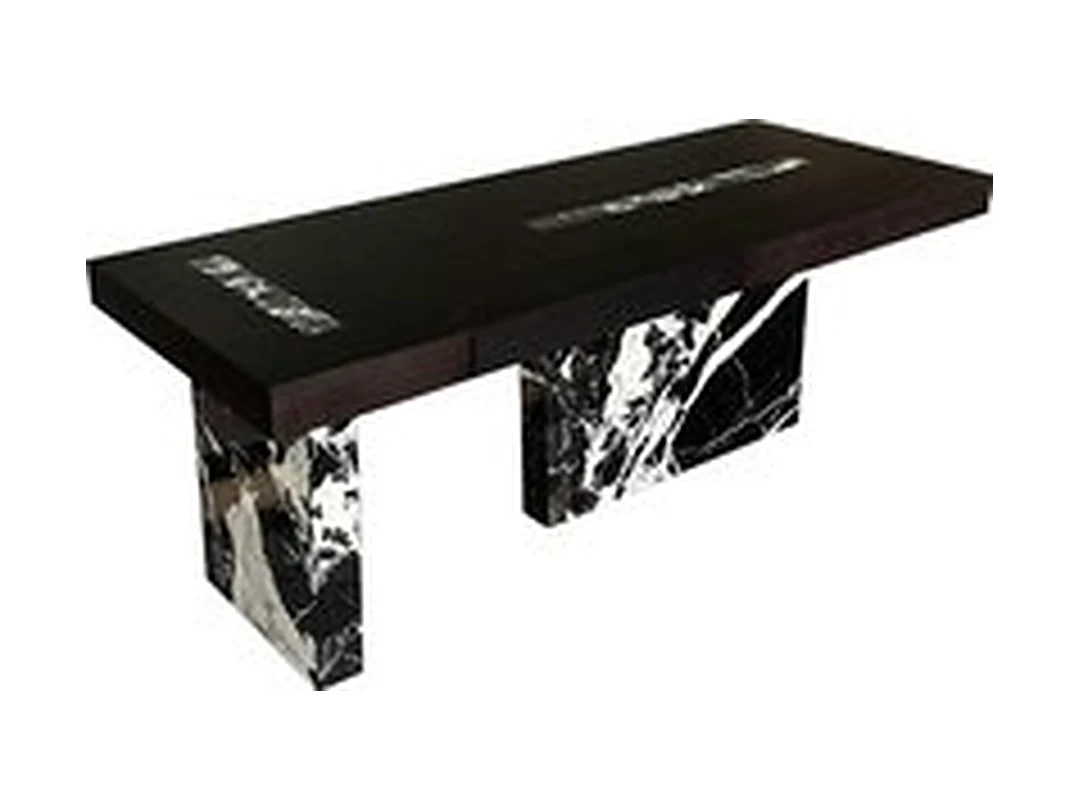
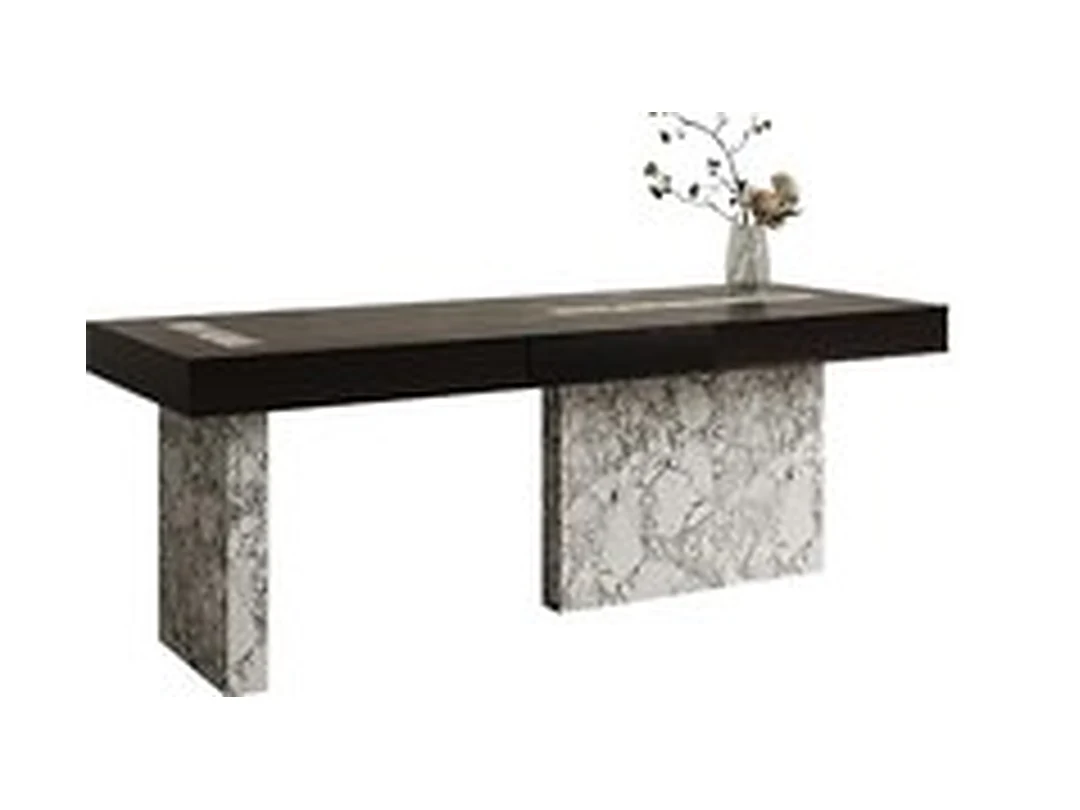
Noir Grand Antiquedark · Dining Tables
2200 × 800 × H 760 mm
Made to Order
Made to Order
Made to Order
Made to Order
Made to Order
Made to Order
Made to Order
Made to Order
Made to Order
Made to Order
Made to Order
Made to Order
Made to Order
Made to Order
Made to Order
Made to Order
Made to Order
Made to Order
Made to Order
Made to Order
Made to Order
Made to Order
Made to Order
Made to Order
Made to Order
Made to Order
Made to Order
Made to Order
Made to Order
Made to Order
Made to Order
Made to Order
Made to Order
Made to Order
Made to Order
Made to Order
Made to Order

Made to Order
Made to Order
Made to Order
Made to Order
FAQ
Every table form we cut, coffee, dining, side, console, and the commissioned in-betweens, gathered in one view, because the questions that bring people here (“a travertine table”, “a marble table for the hallway”) often precede the category decision. The pieces share everything that matters: solid natural stone rather than veneer, factory-to-order production against an approved drawing, dimensions and stone as choices rather than fixed attributes, and the same finishing, packing and delivery chain. Browsing here lets forms compete honestly, a low drum against a slab-and-leg coffee table, a console against a narrow side table, before you commit to a category page, where the specific guidance (sizing, clearances, use) goes deeper.
Less different than the internet suggests, and the differences are choosable. Both are calcium-based stones with the same care rules, neutral cleaners, coasters against acids, periodic sealing, and both are cut, finished and repaired the same ways. Where they diverge: travertine is layered and matte-natured, warm in tone, with pitting that (filled and honed) gives a forgiving surface where wear reads as texture; marble is denser-figured and graphic, its veining the event, with polished finishes that show life more readily and honed finishes that calm it. Neither is categorically tougher. Choose by the room’s temperature, travertine leans earthen and casual, marble leans formal and graphic, and let finish do the practicality work.
Effectively all of them, resizing is the native mode of a factory-to-order catalogue, and the reference dimensions on every card are starting points rather than offers. What varies by design is the engineering that comes with your new number: slab-and-leg forms scale simply; monoliths reprice by block volume; long spans may gain thickness or a support; pedestal bases recalculate their footprint for a wider top. All of that happens visibly on the production drawing you approve, with any consequence (weight, access, cost) stated rather than absorbed silently. The practical route: pick the form whose character you want, send the dimensions your room dictates, and judge the drawing that comes back.
Start from the room’s facts, not the catalogue: the function (meals, drinks, display, landing zone), the governing dimensions (sofa length, seat count, corridor width, each category page states its sizing rules), and the traffic around the spot, which decides between corners and curves. Then choose the stone temperature the room wants, warm and matte, or cool and veined, and let form follow: monoliths for rooms with space to orbit them, slab-and-leg forms for flexibility, pedestals where knees and corners need freeing. If that still leaves a shortlist, use it: save candidates to the Project Board and send them as one enquiry, or describe the room and ask for a curated selection, comparing two drawings beats comparing forty cards.