Made to Order

Made to Order
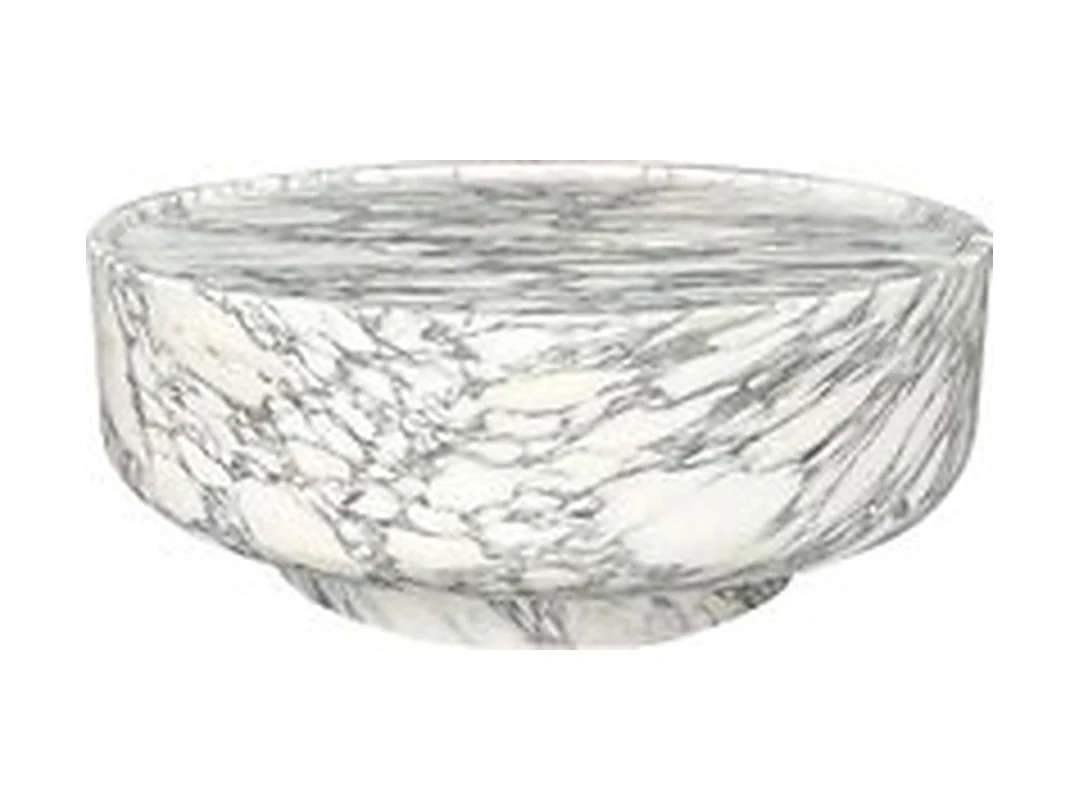
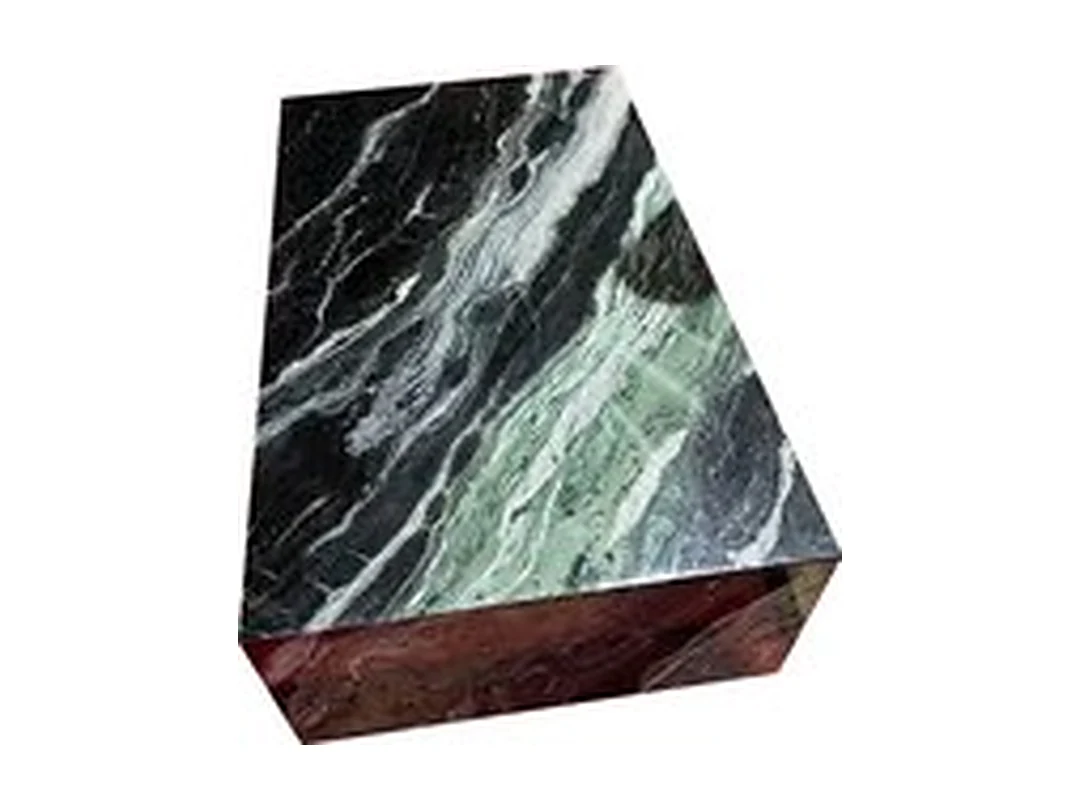
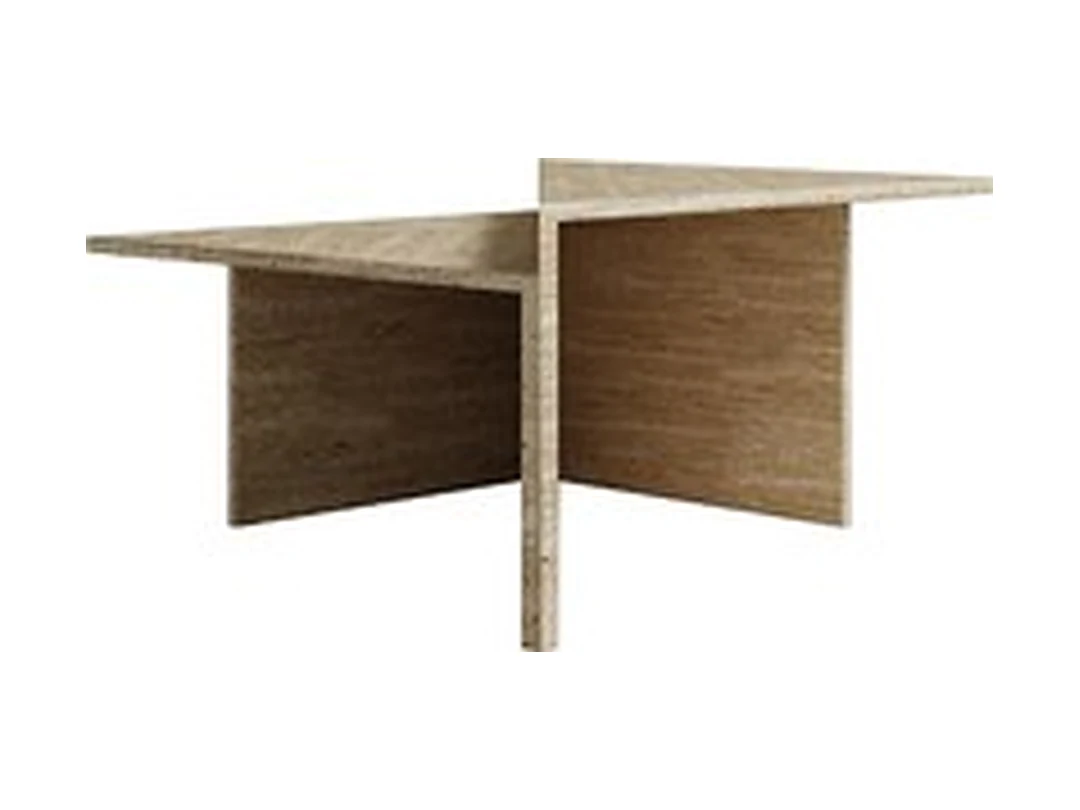
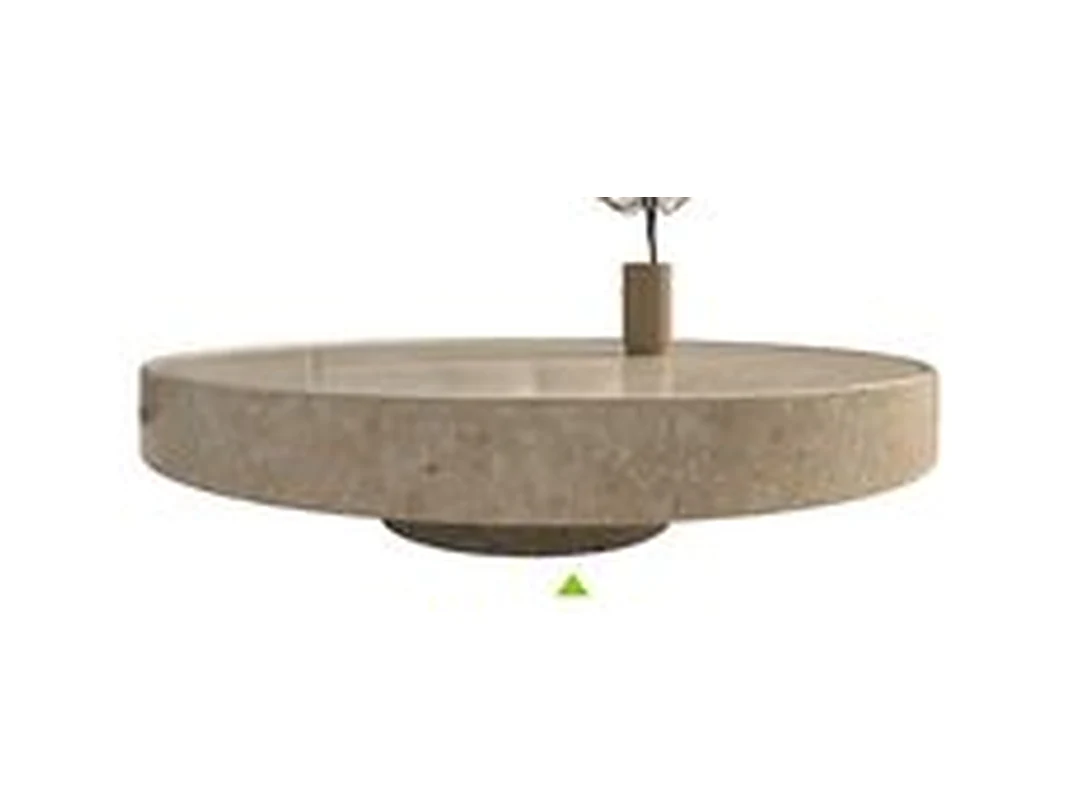
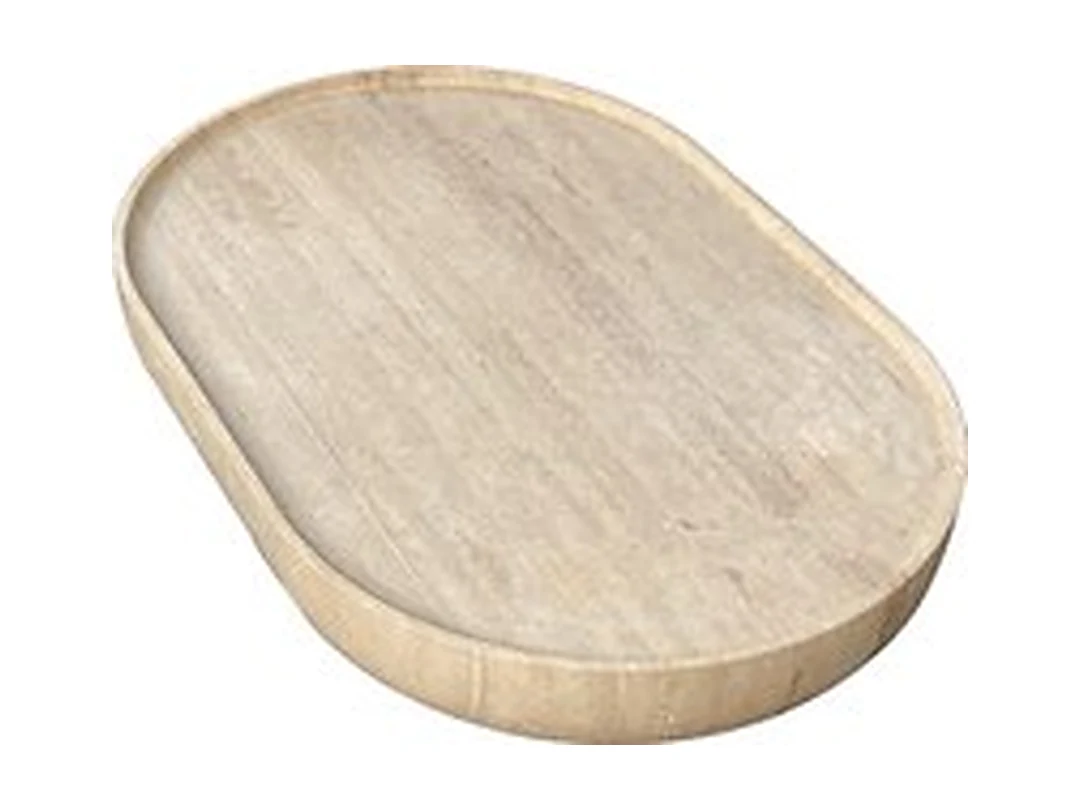
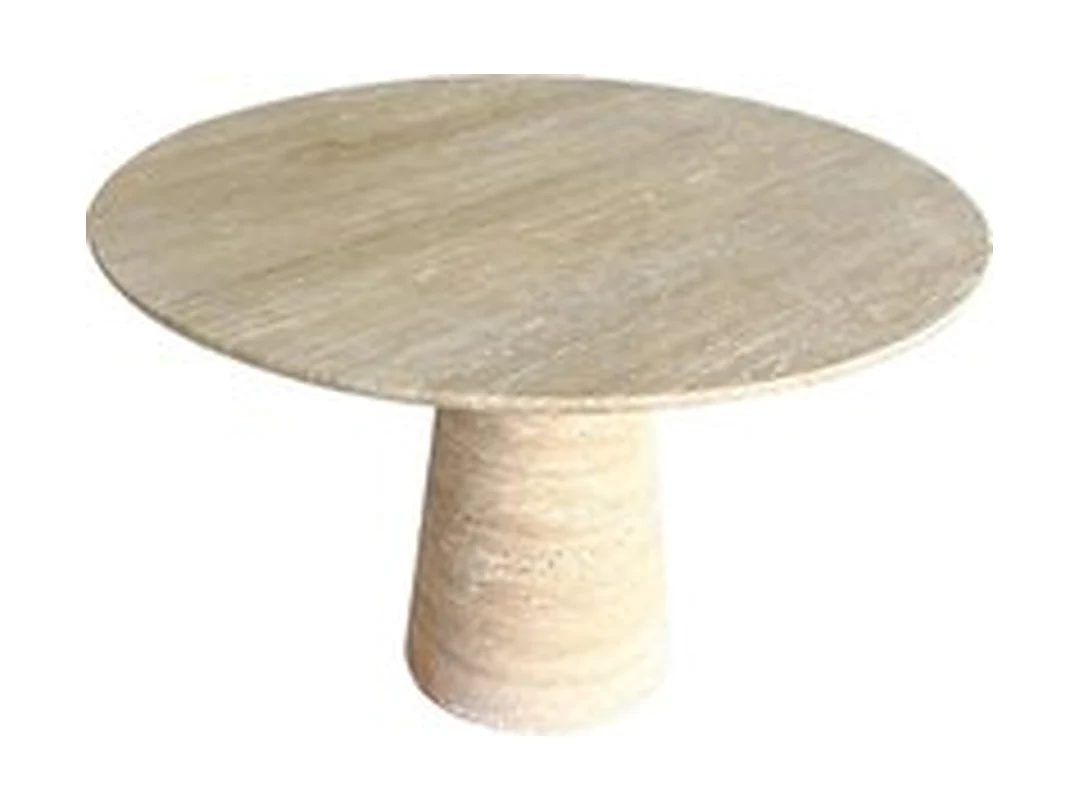
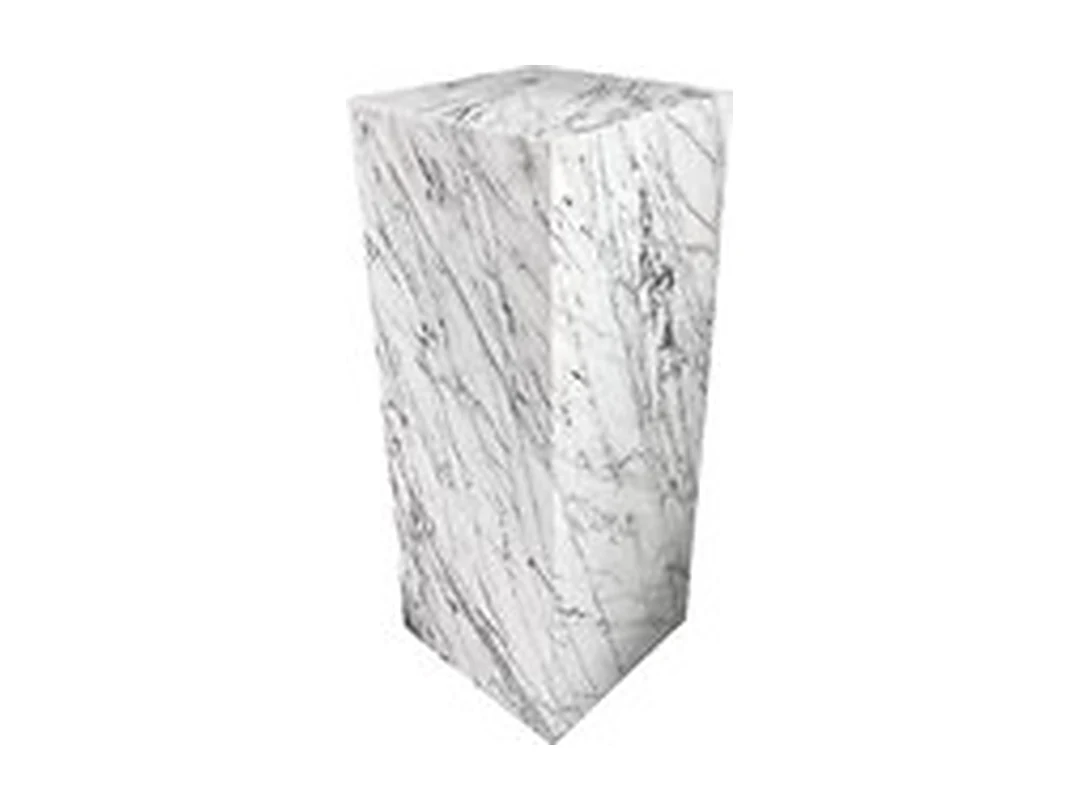
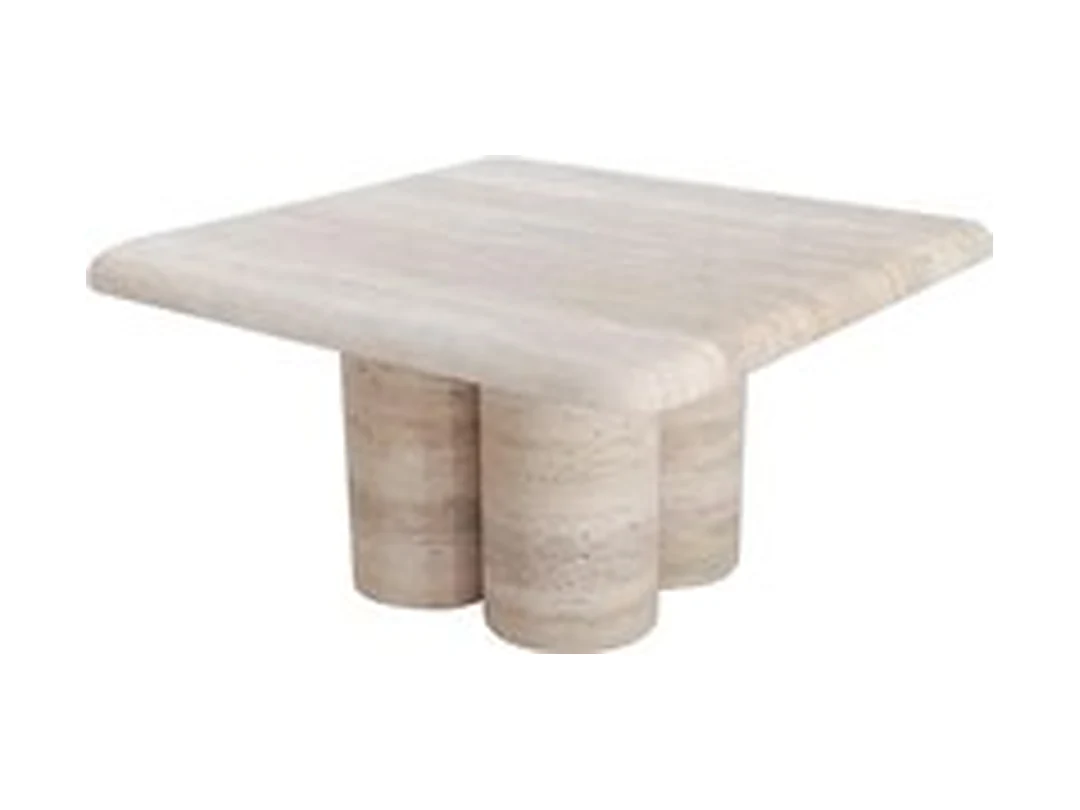
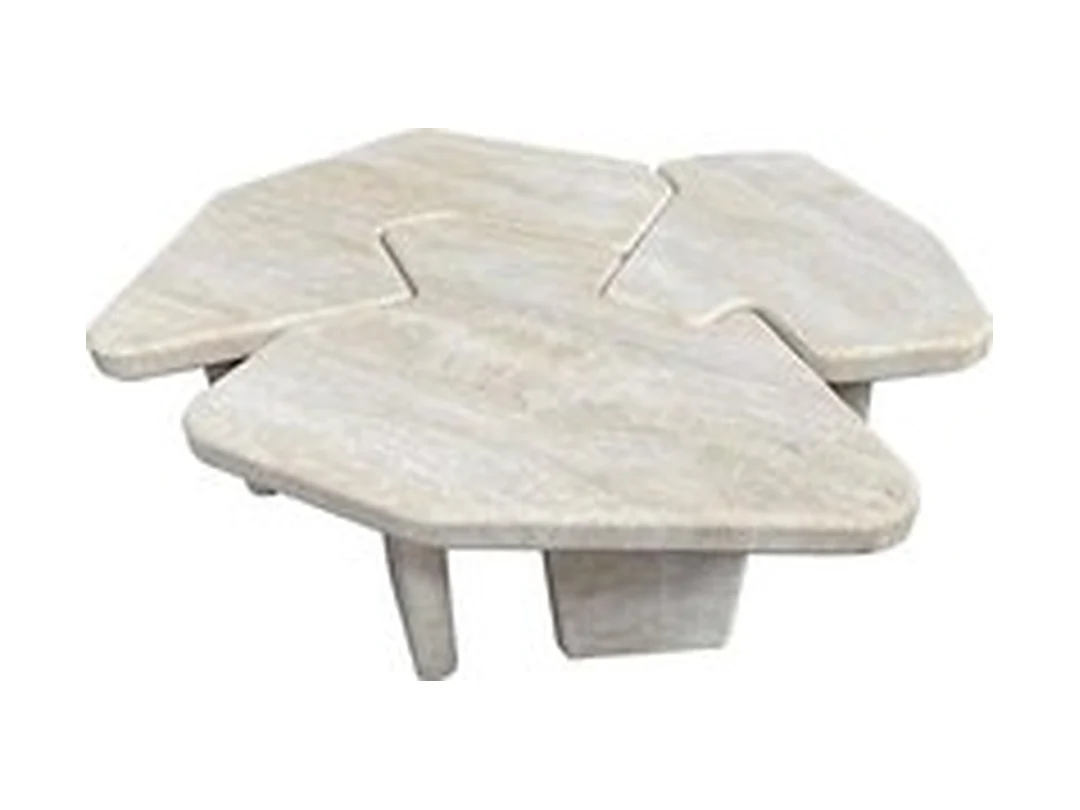
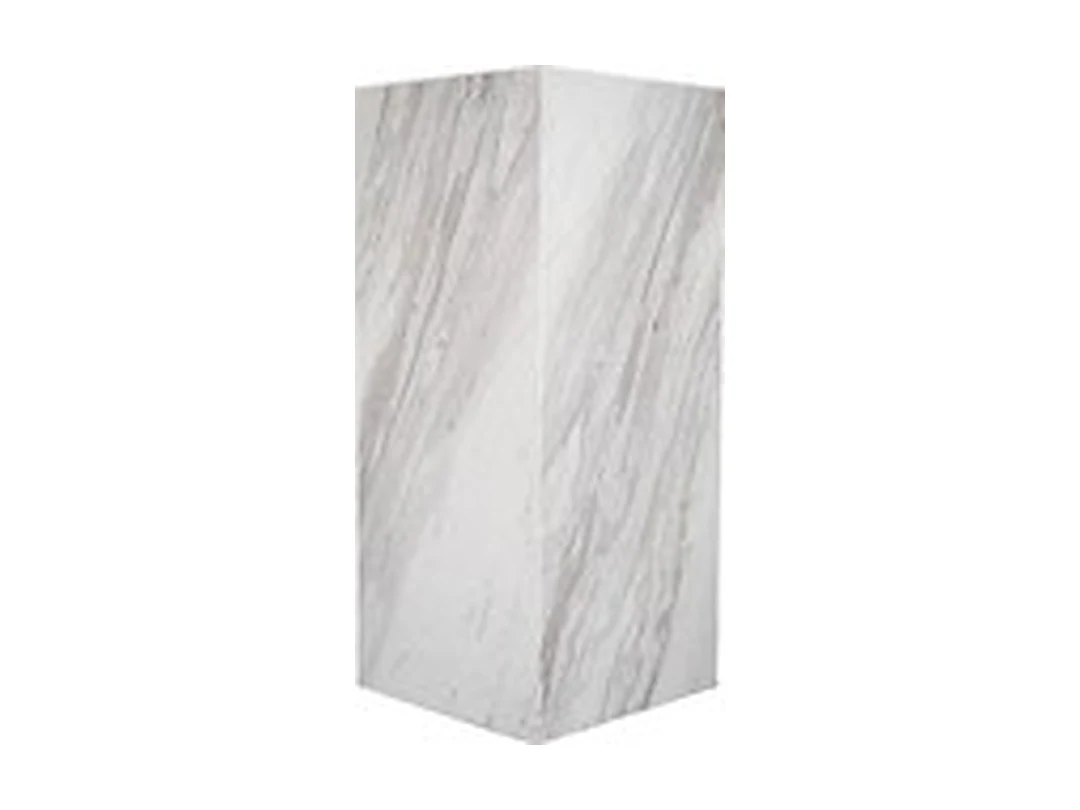
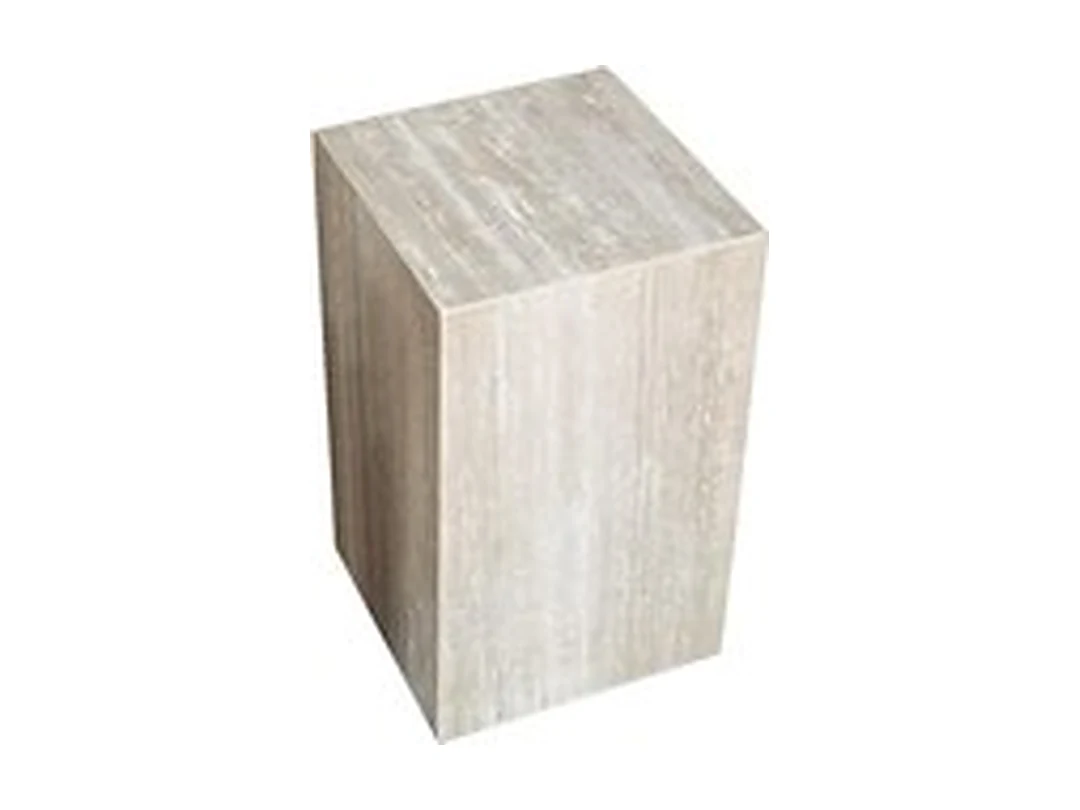
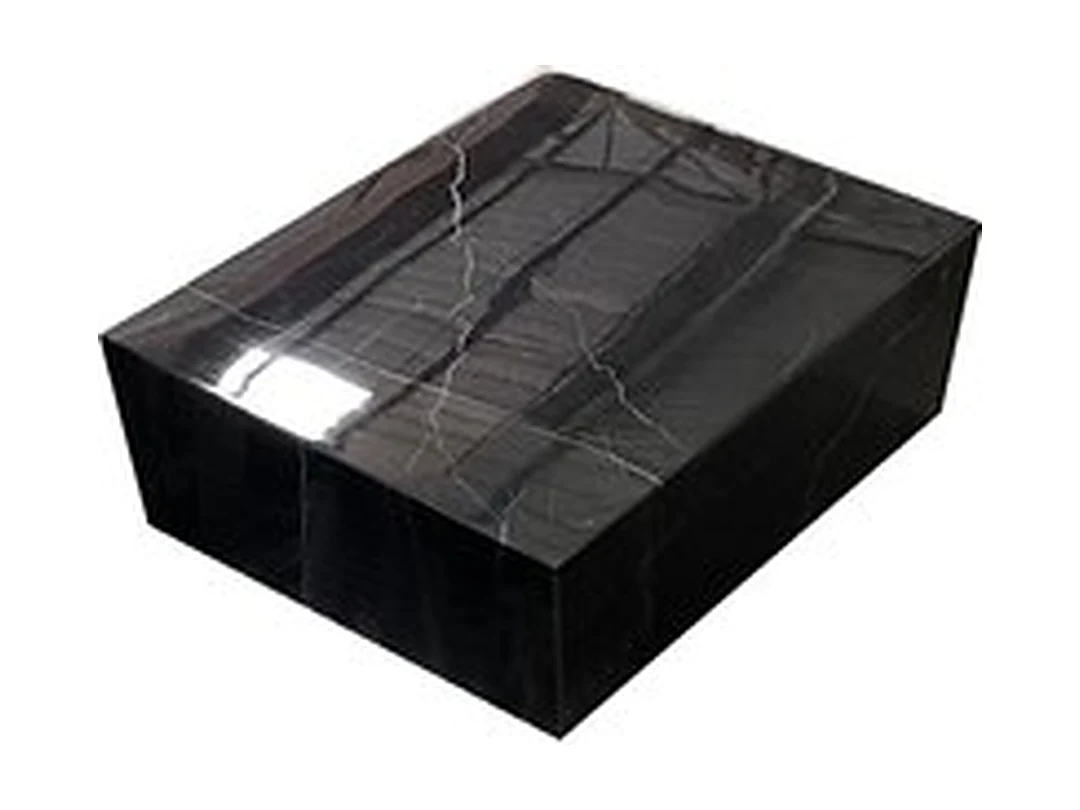
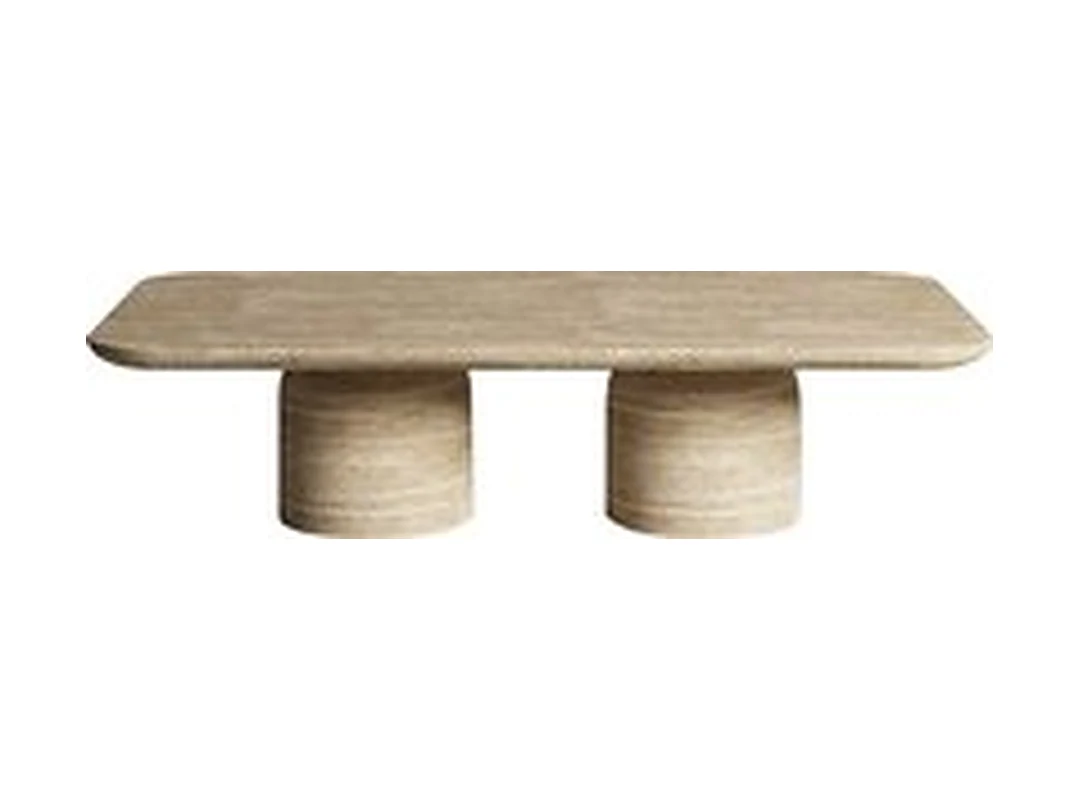
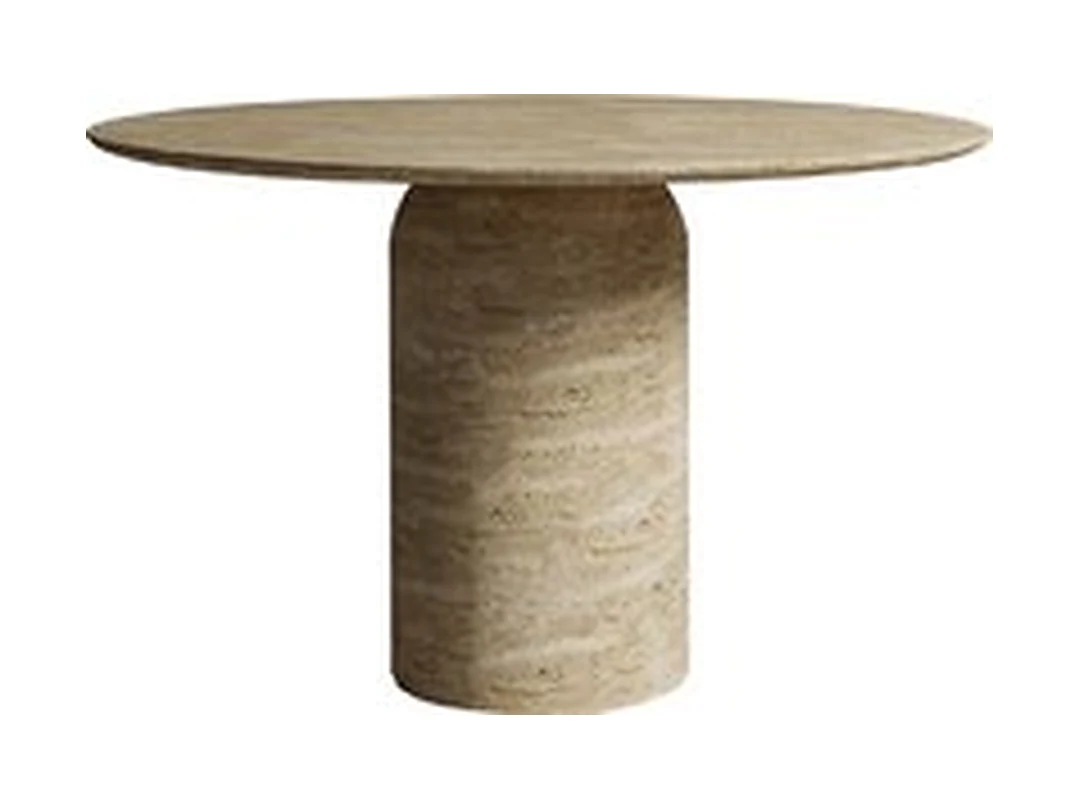
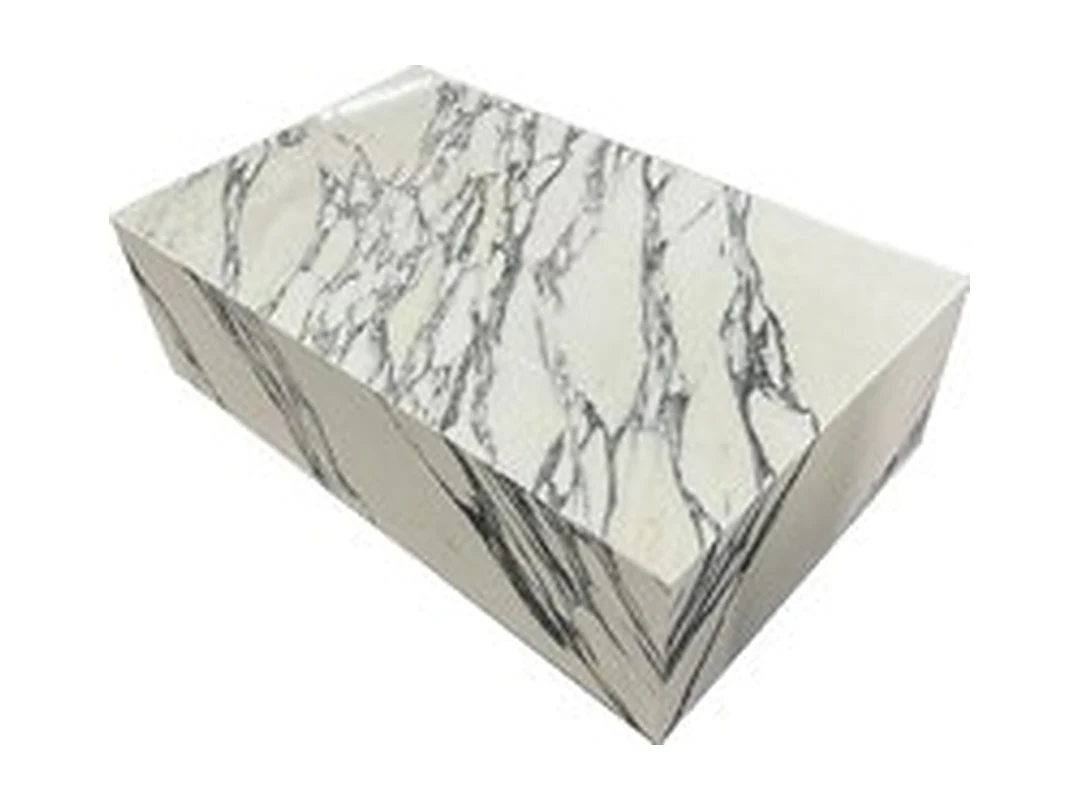
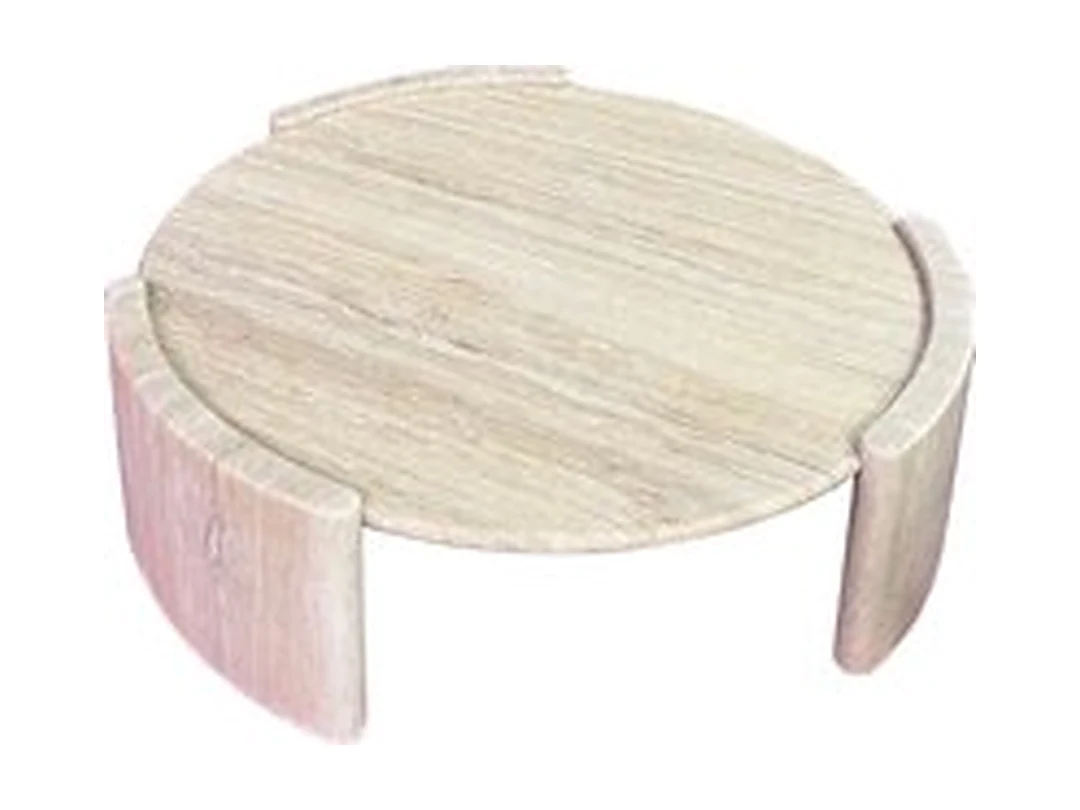
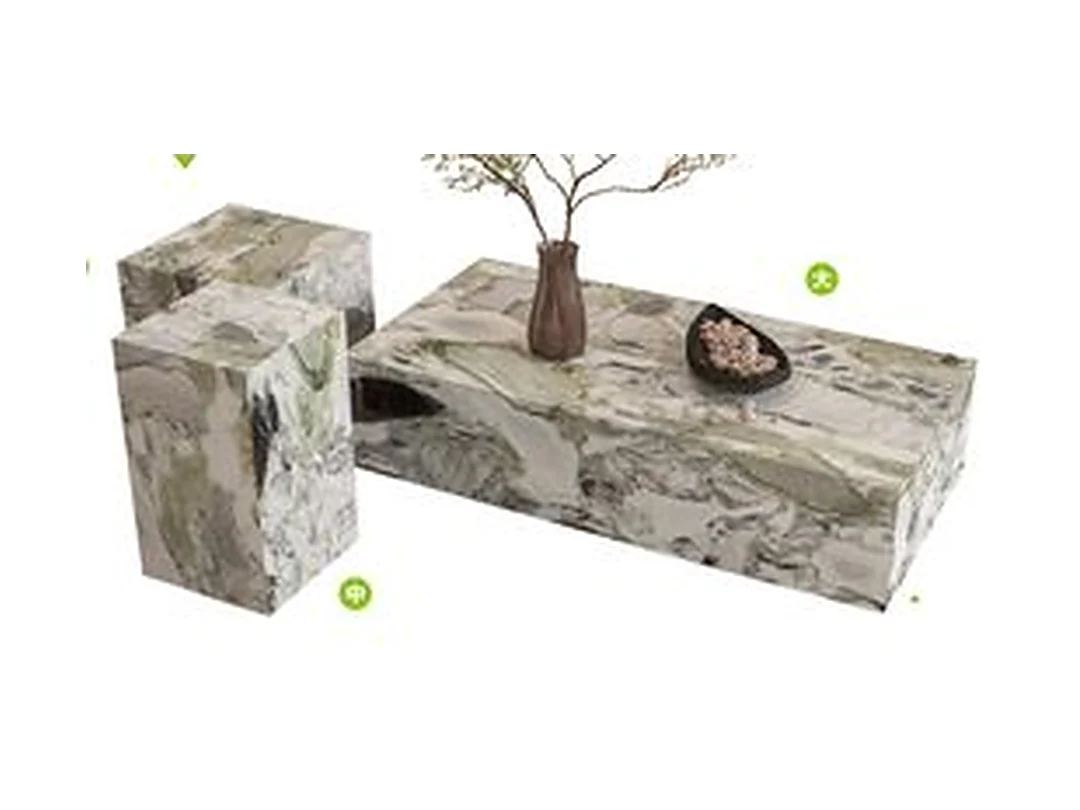
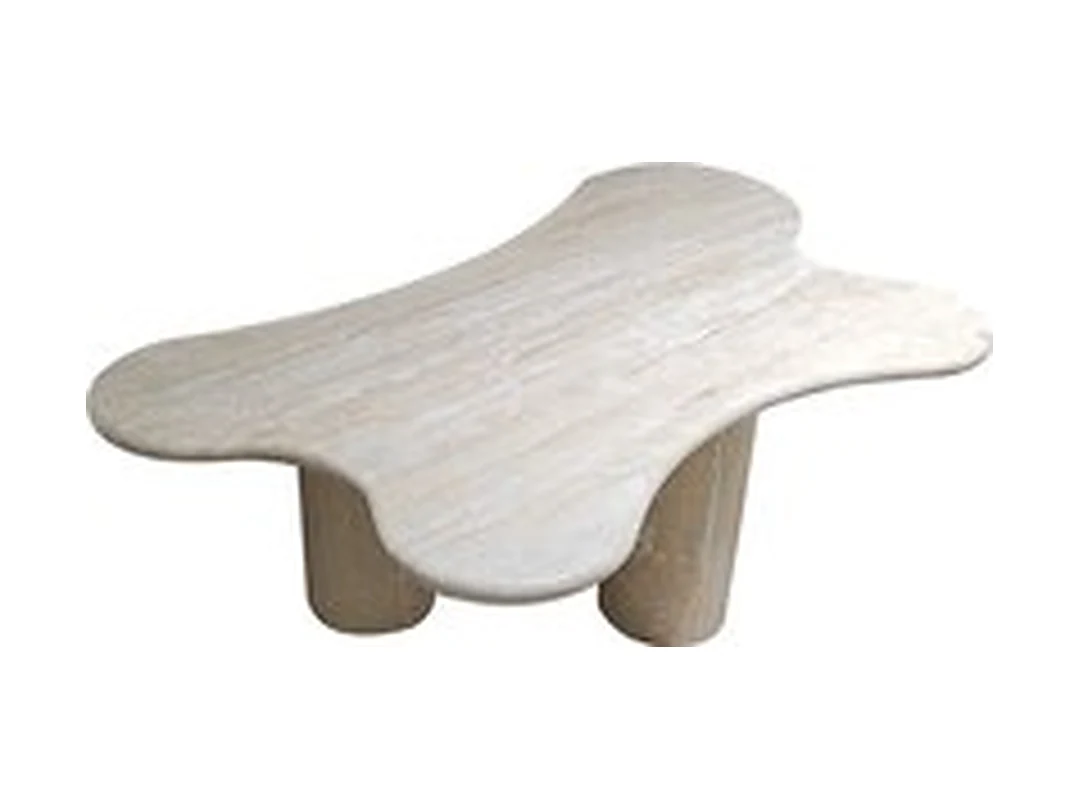
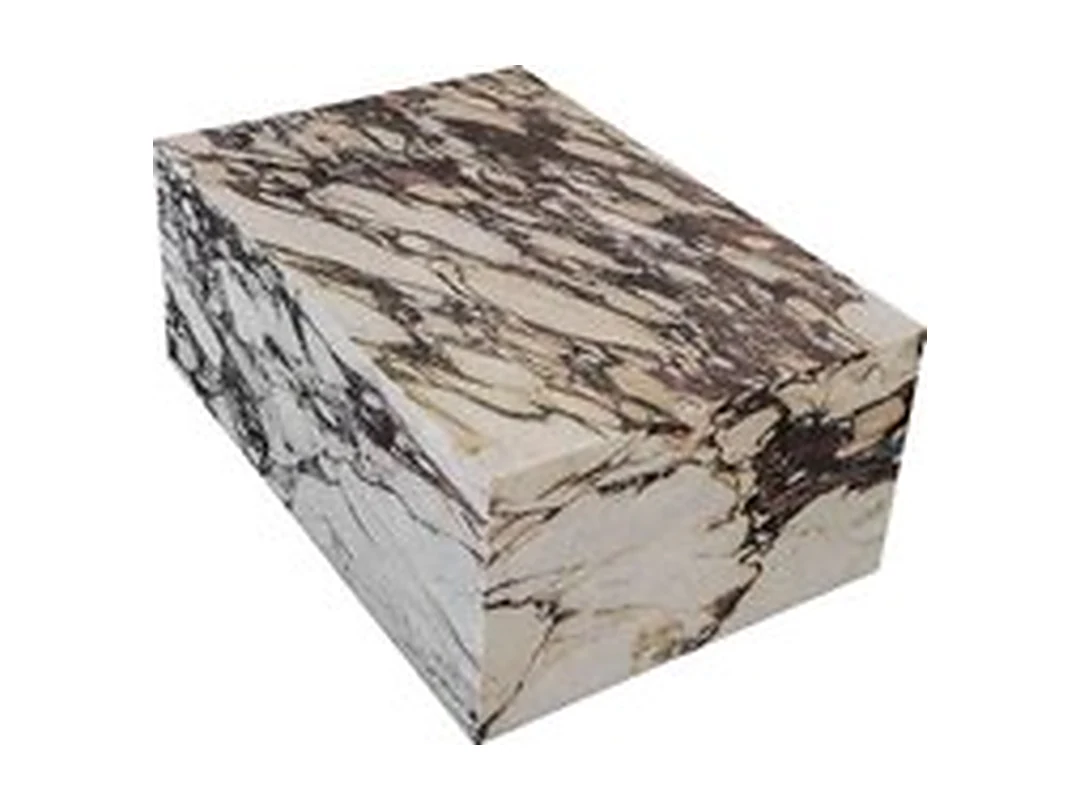
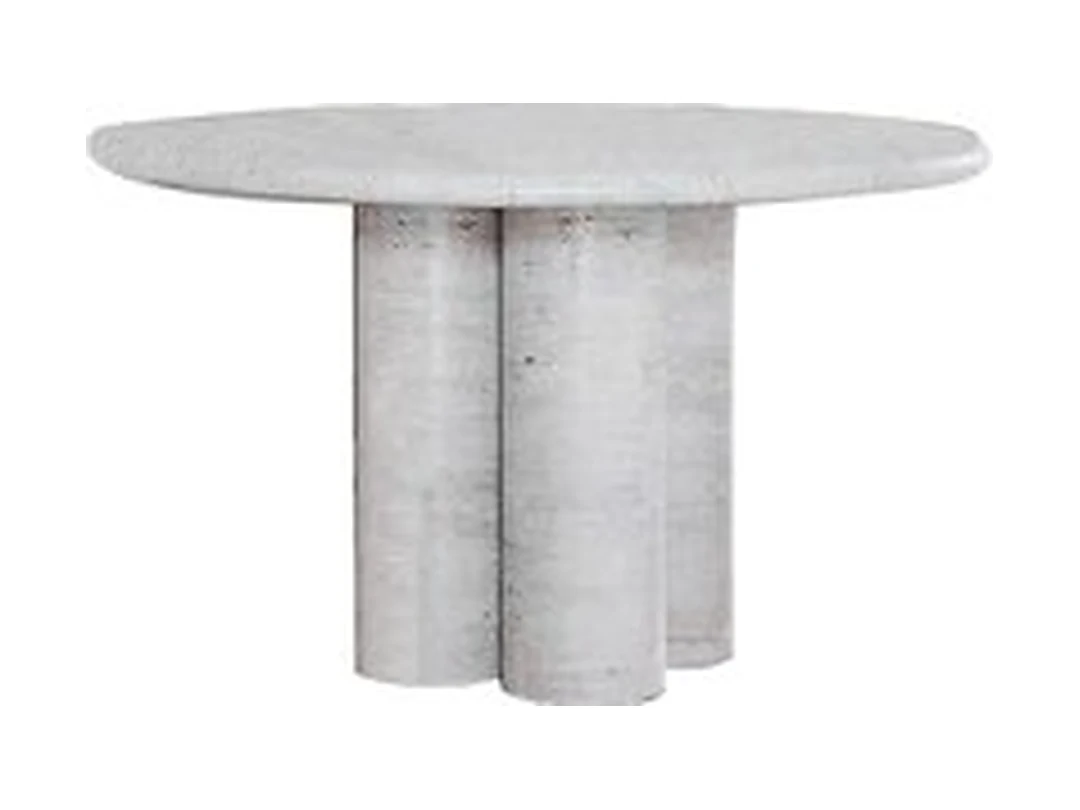
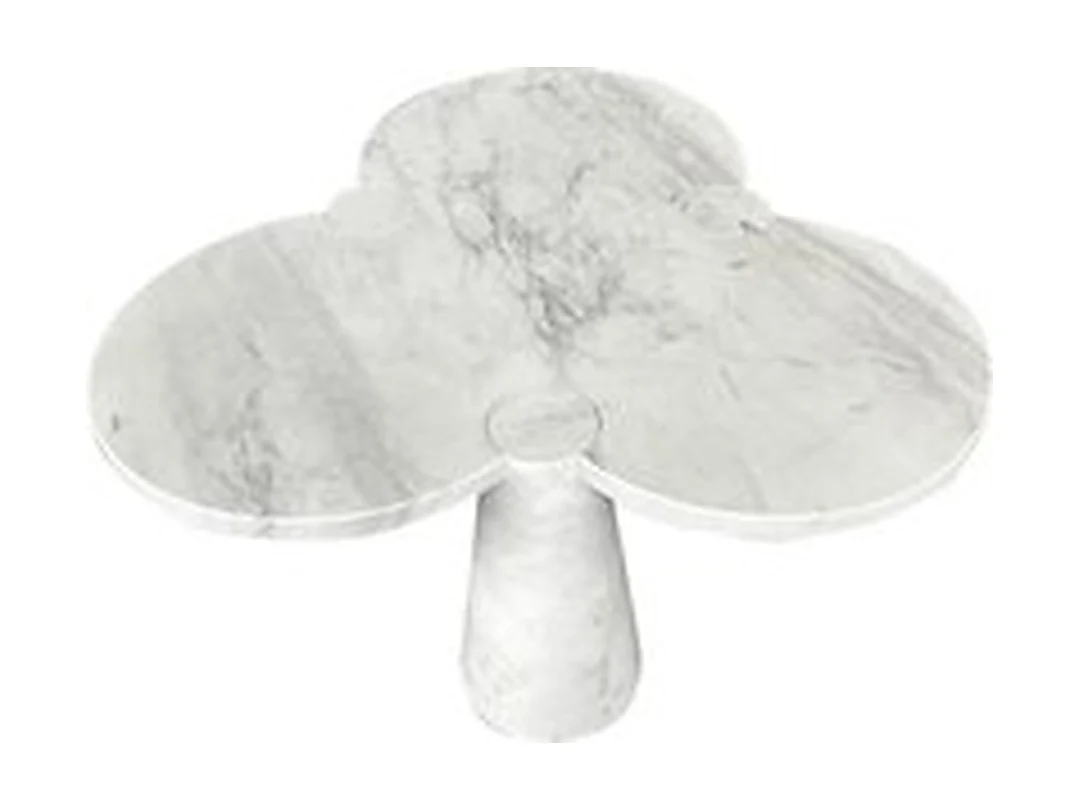
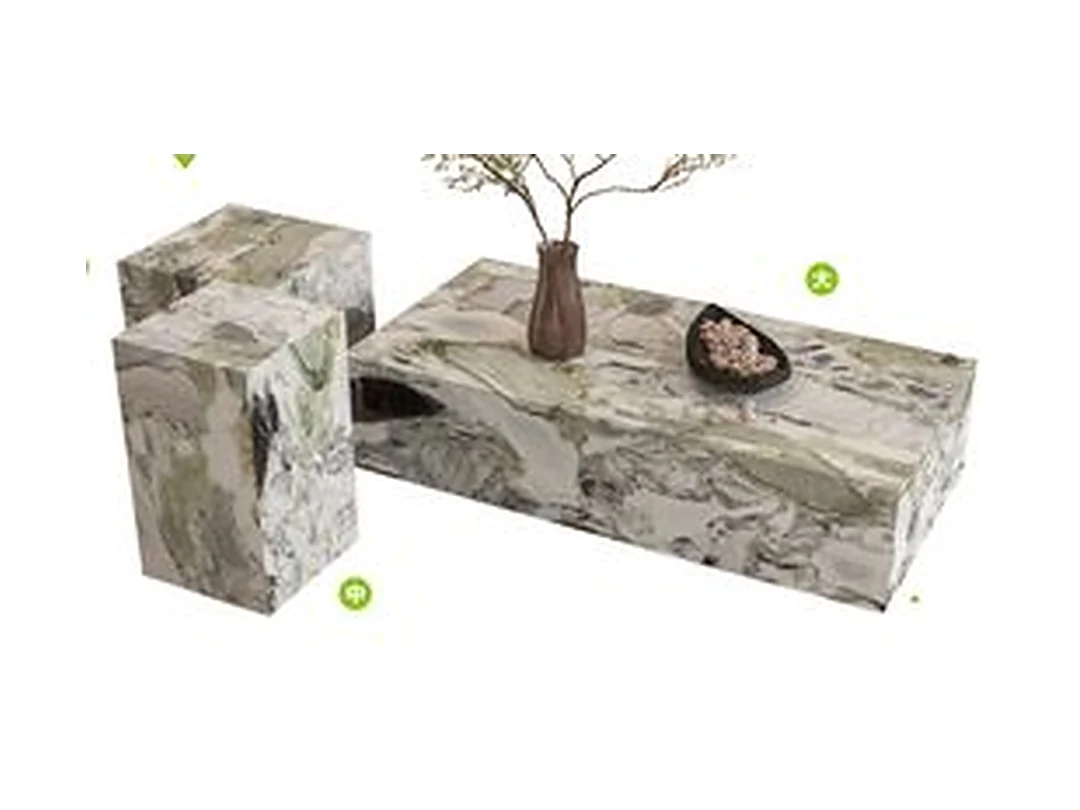
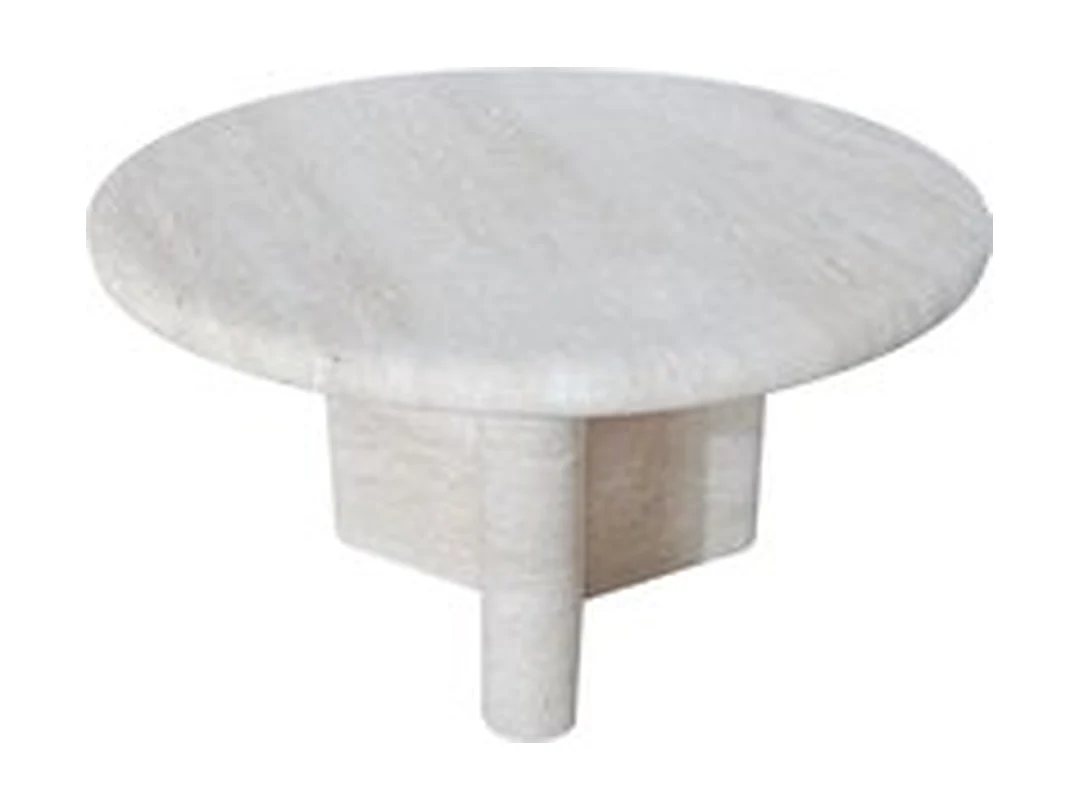
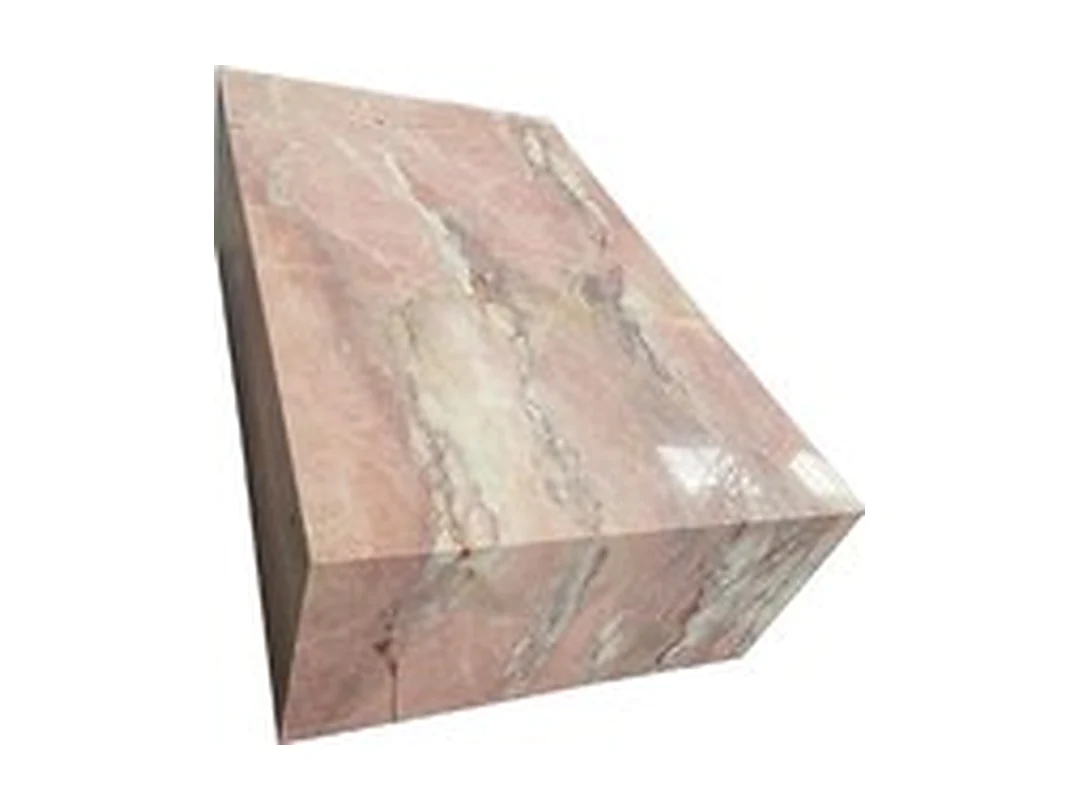
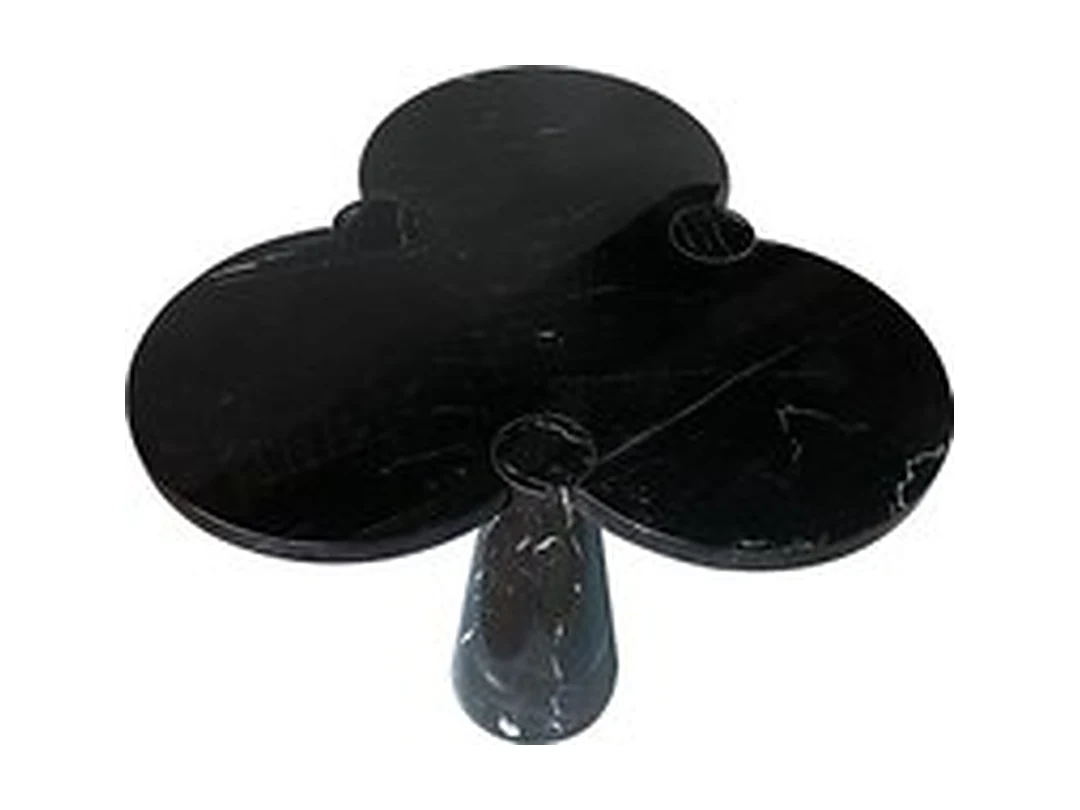
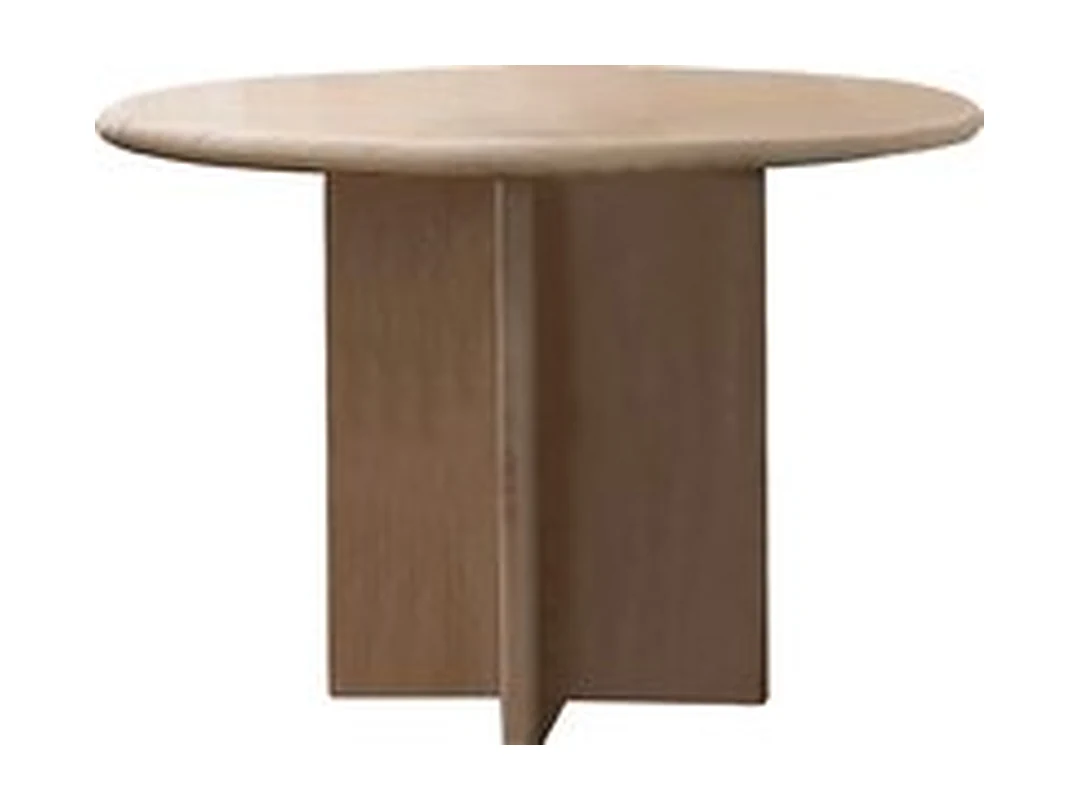
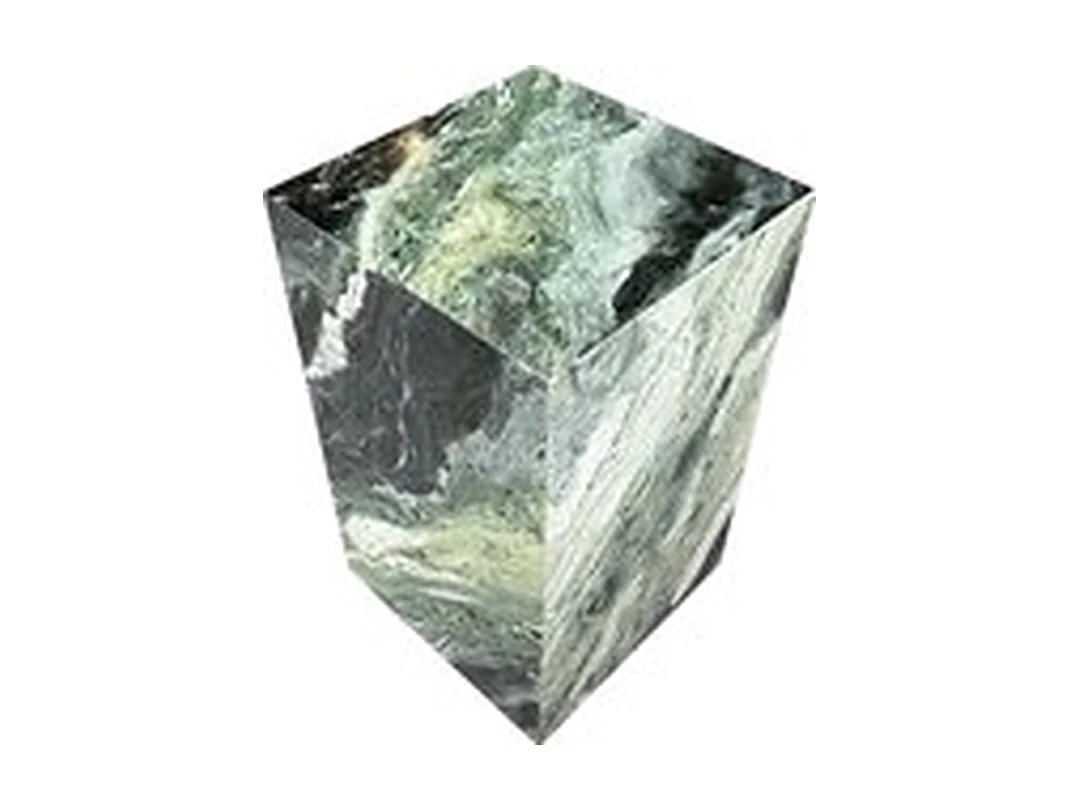
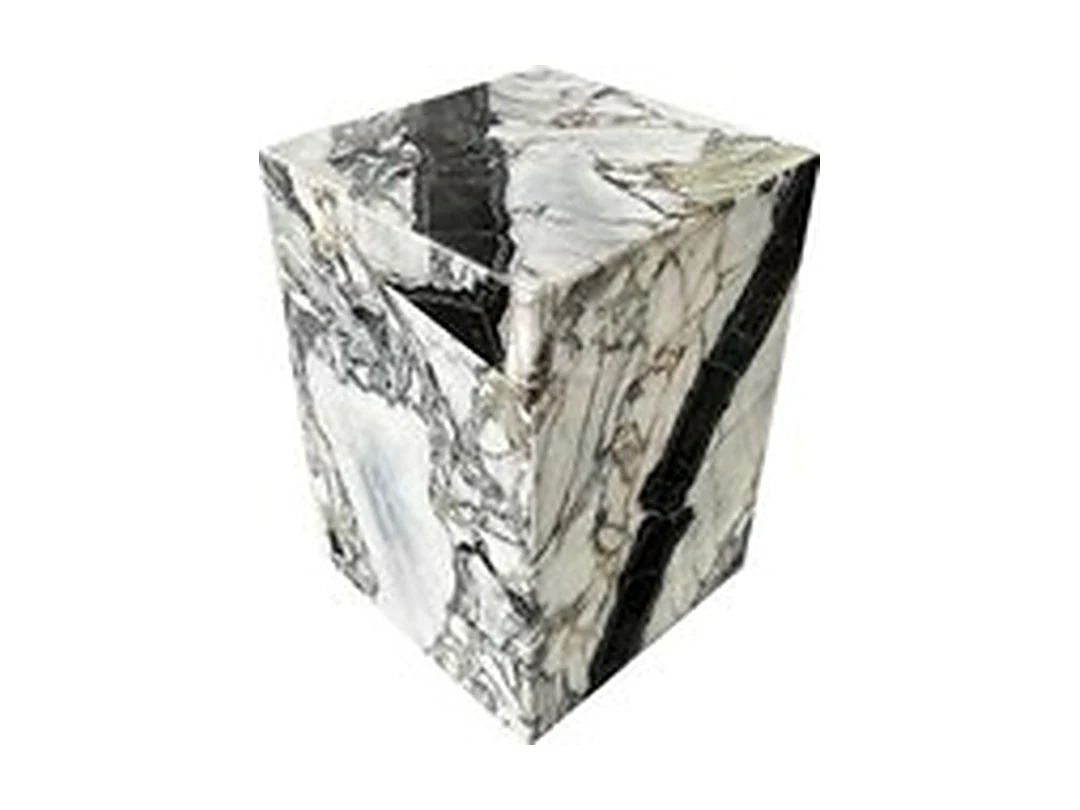
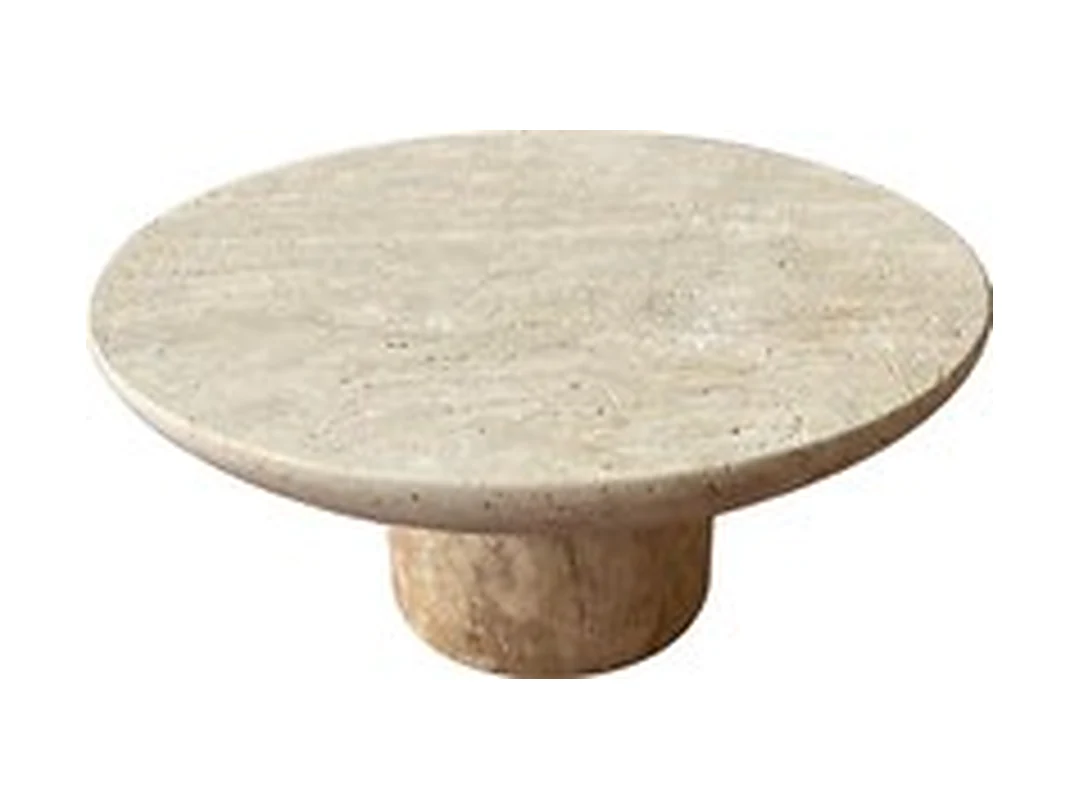
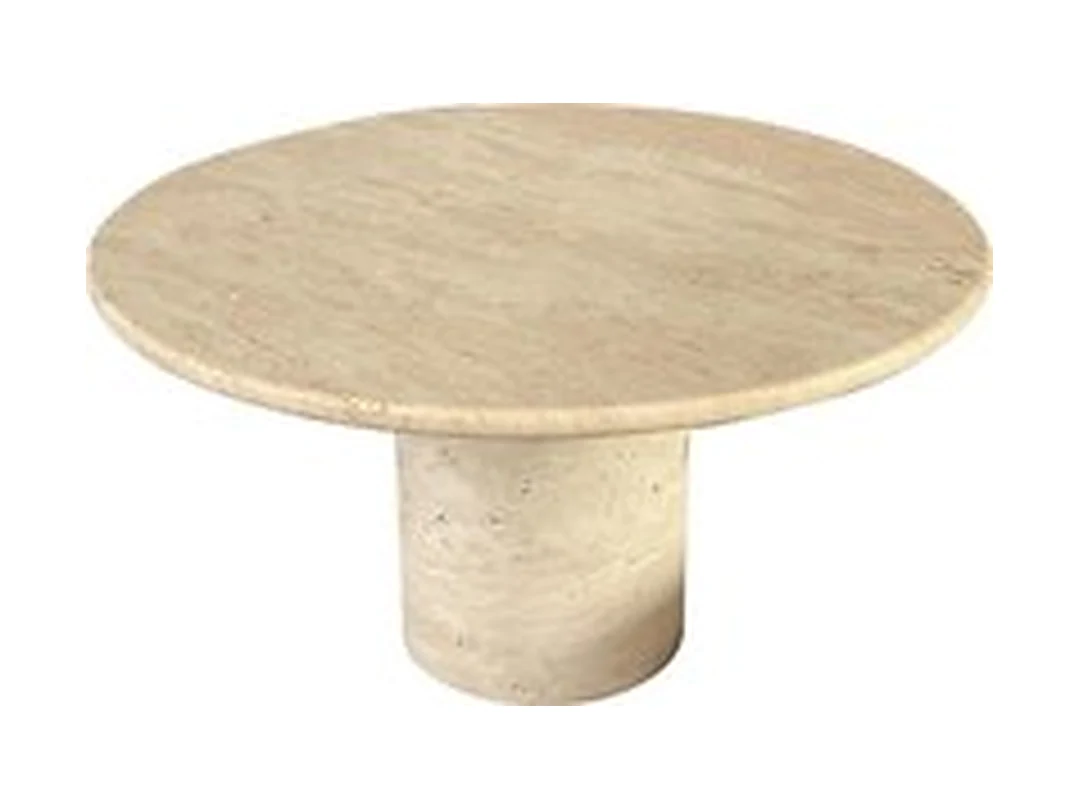
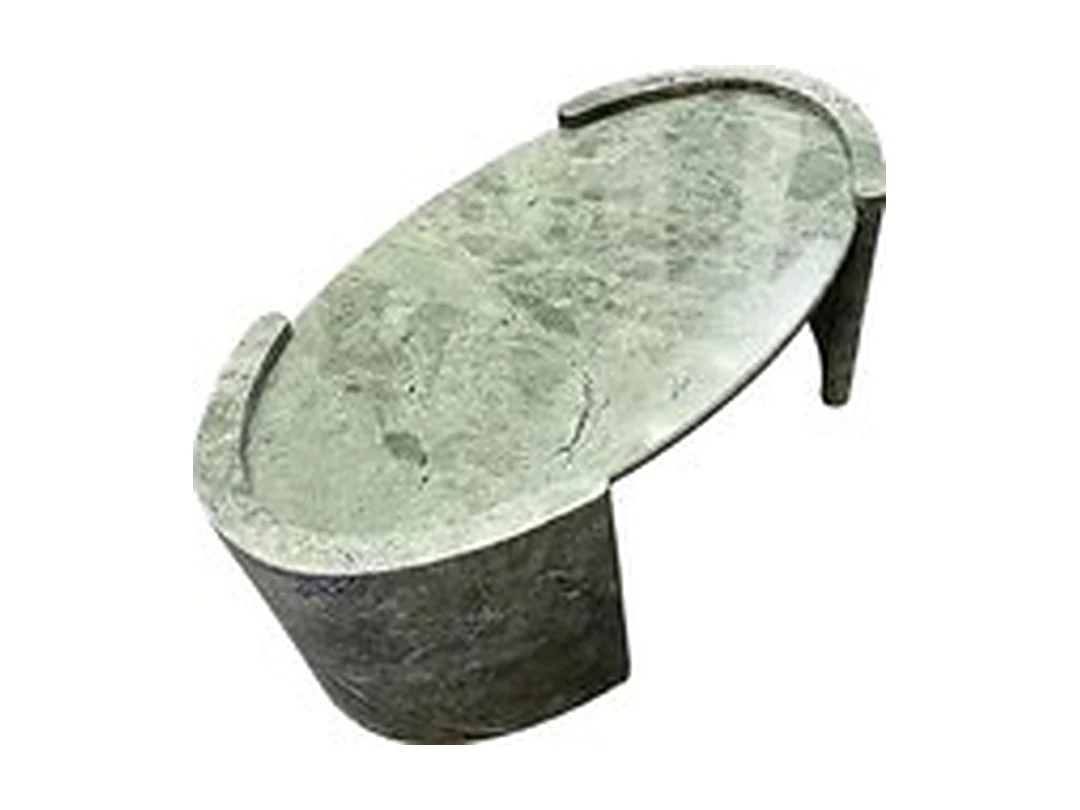
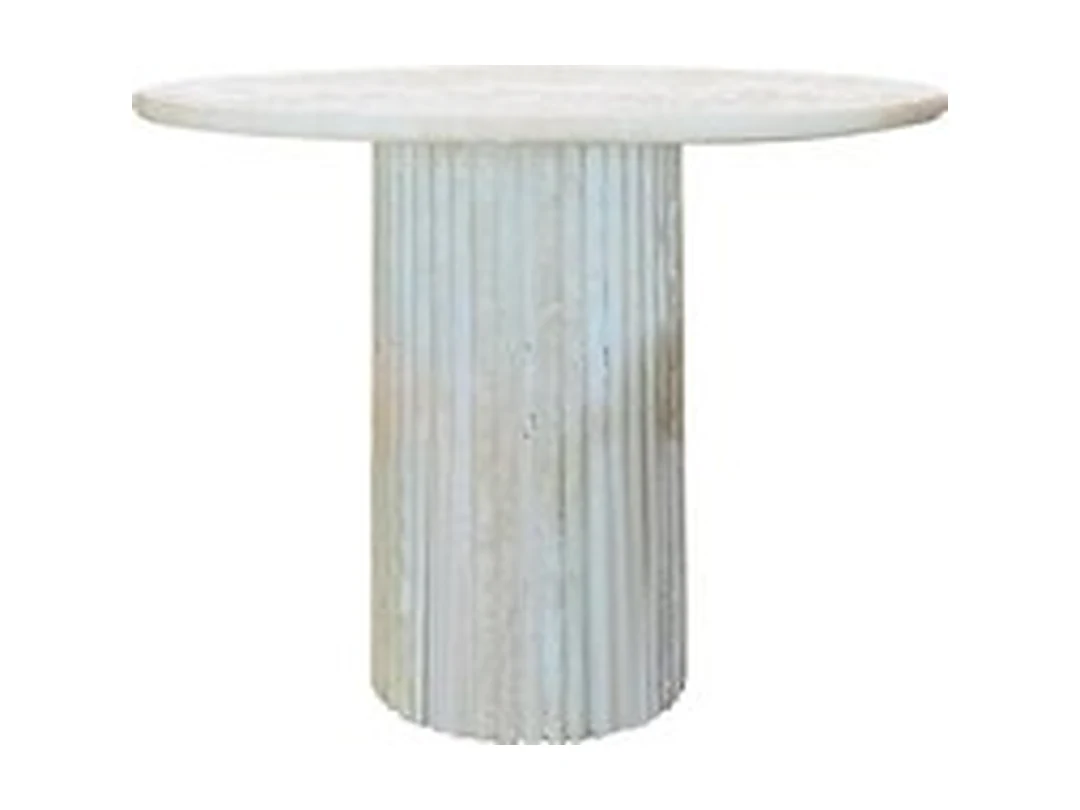
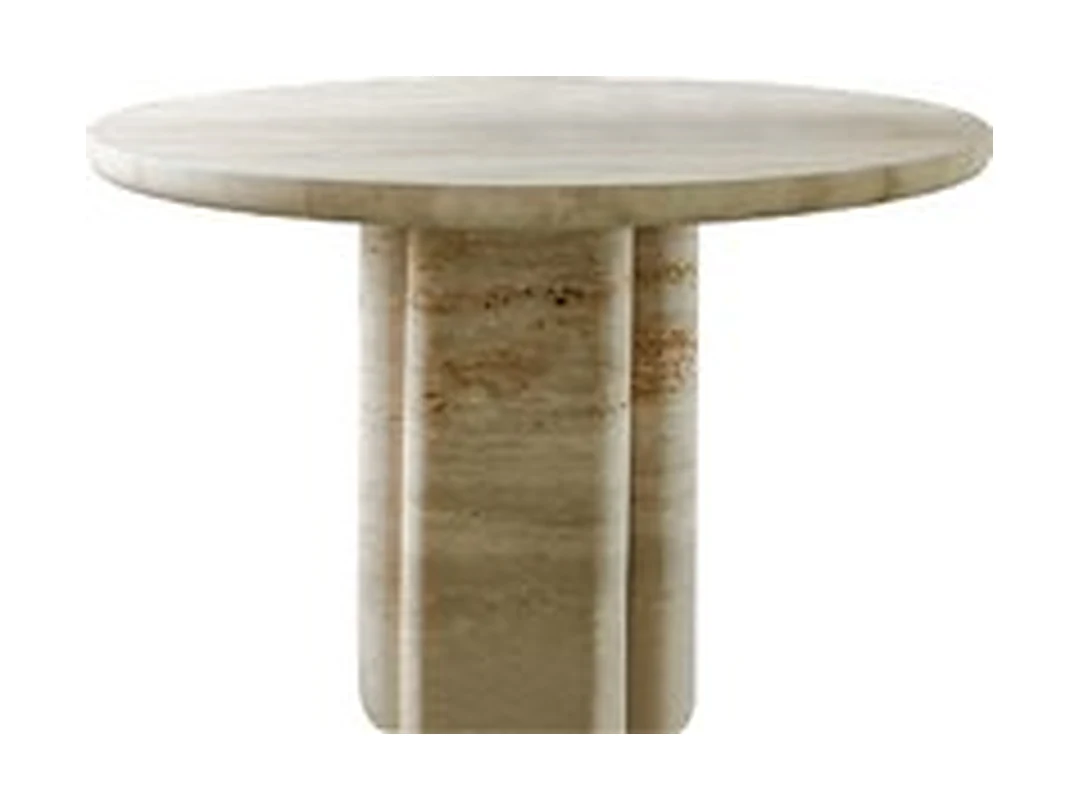
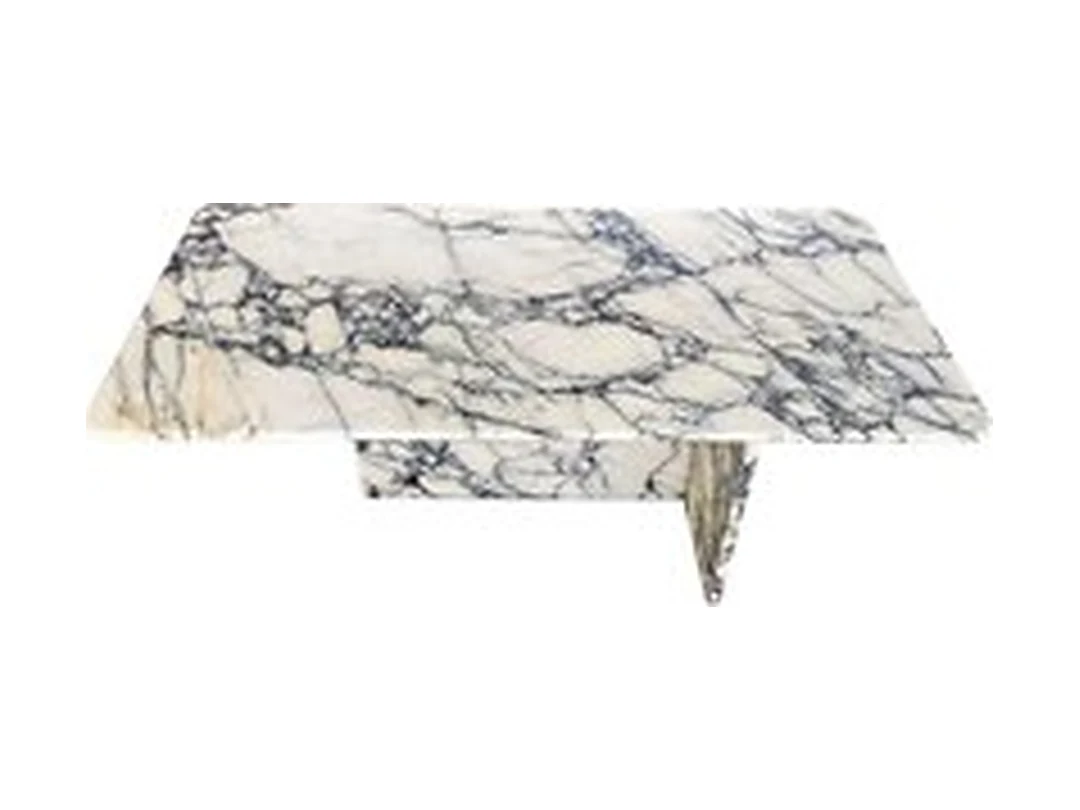
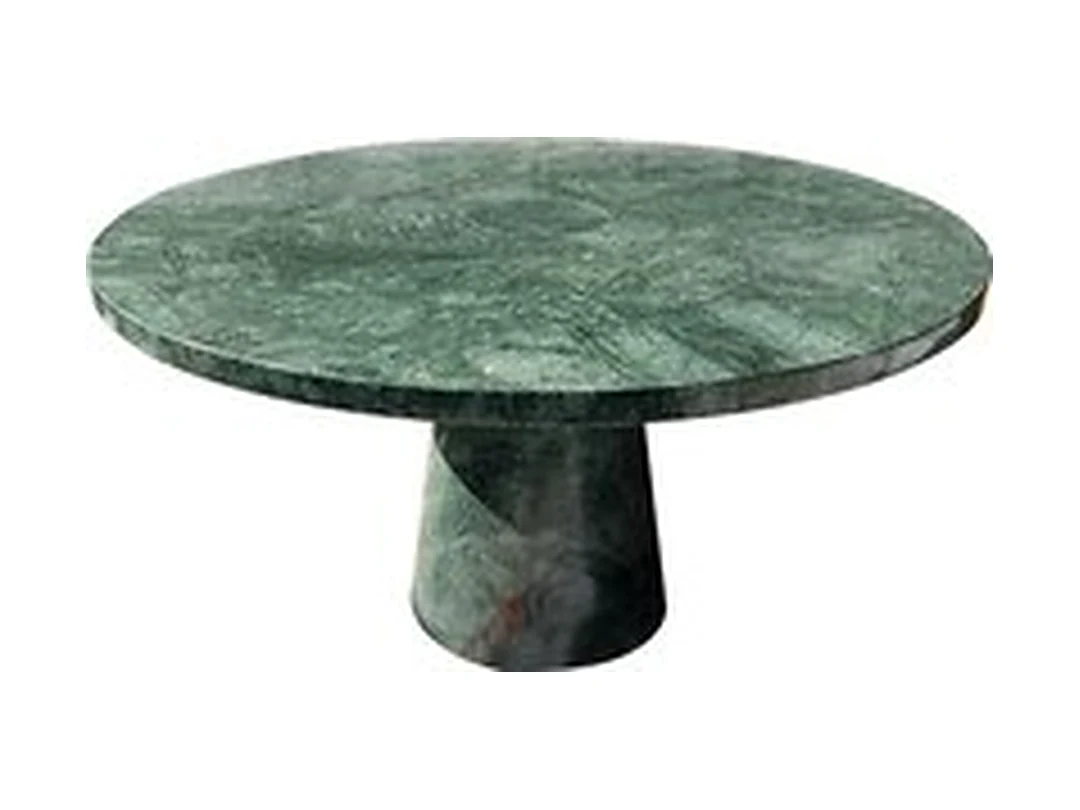
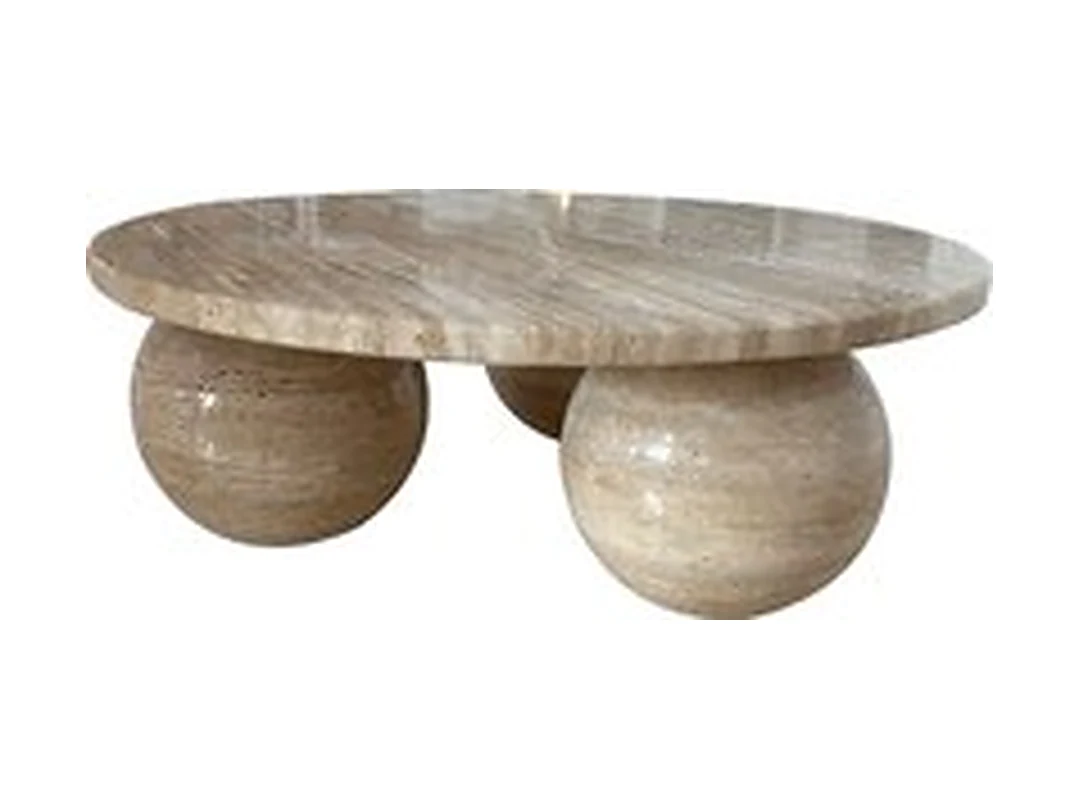
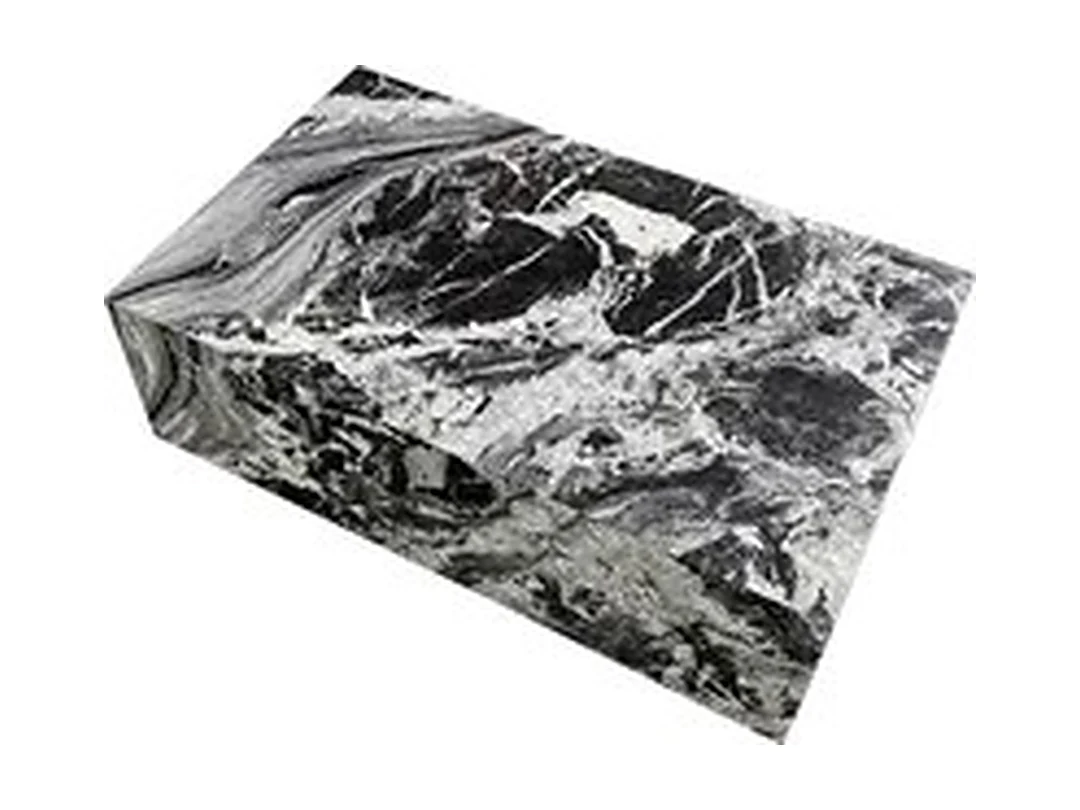
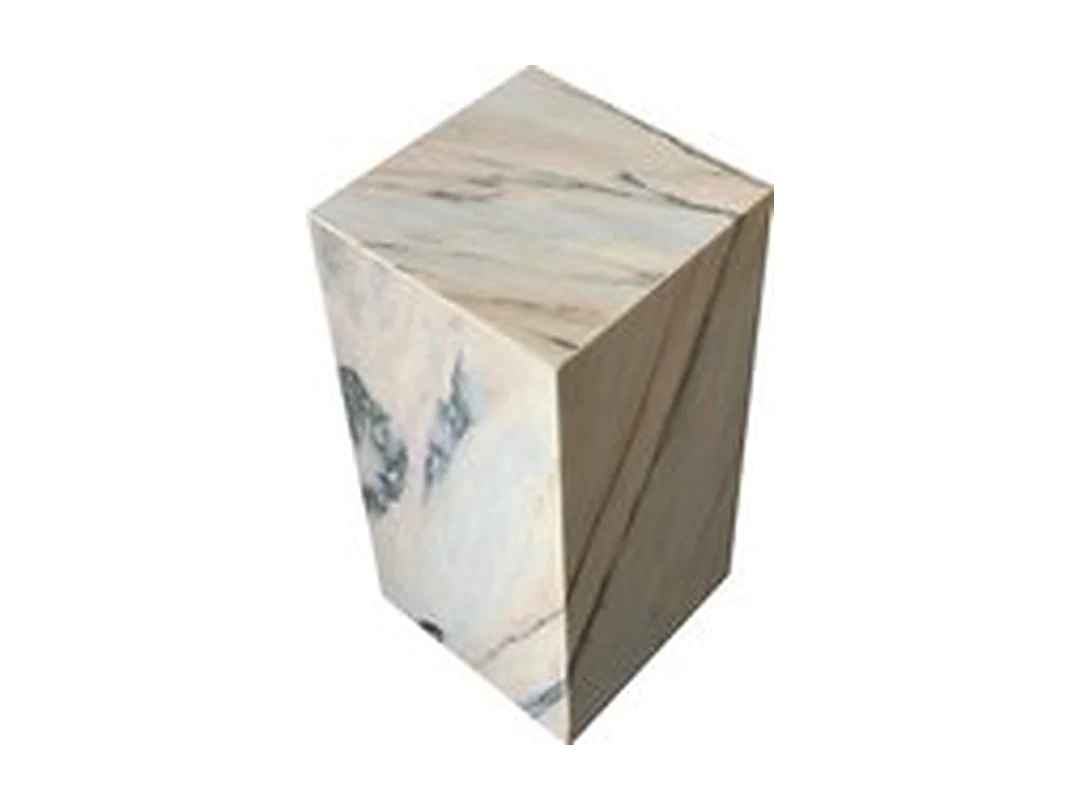
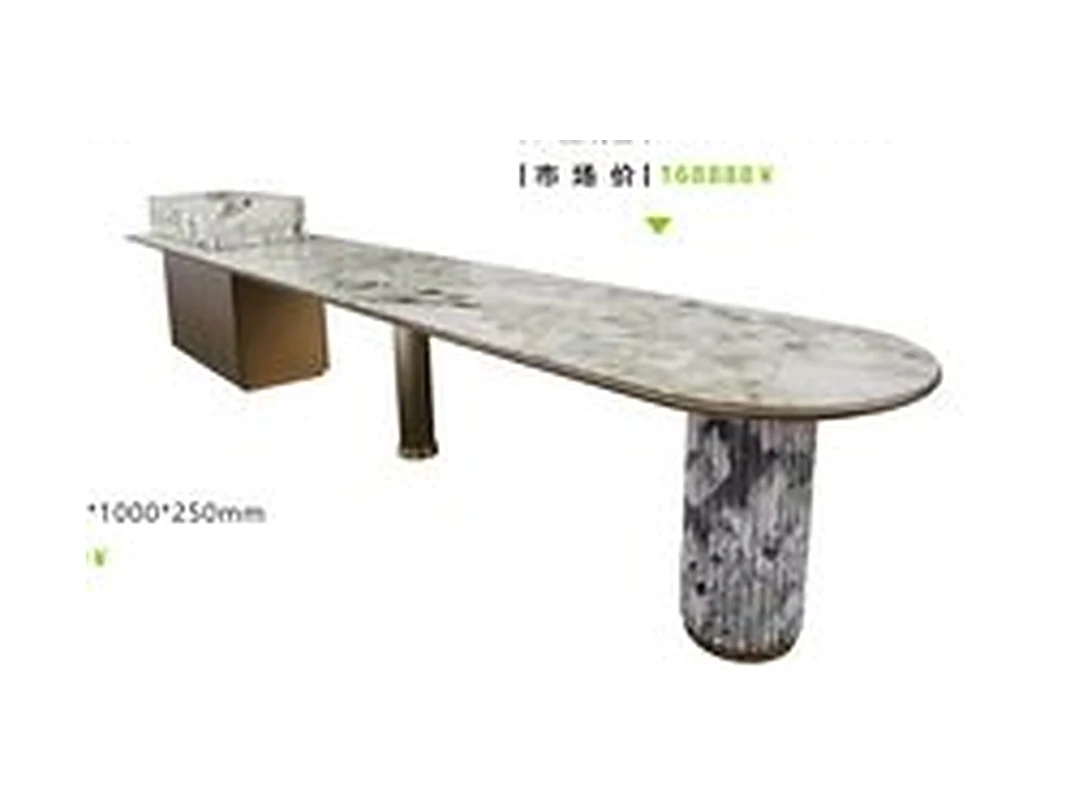
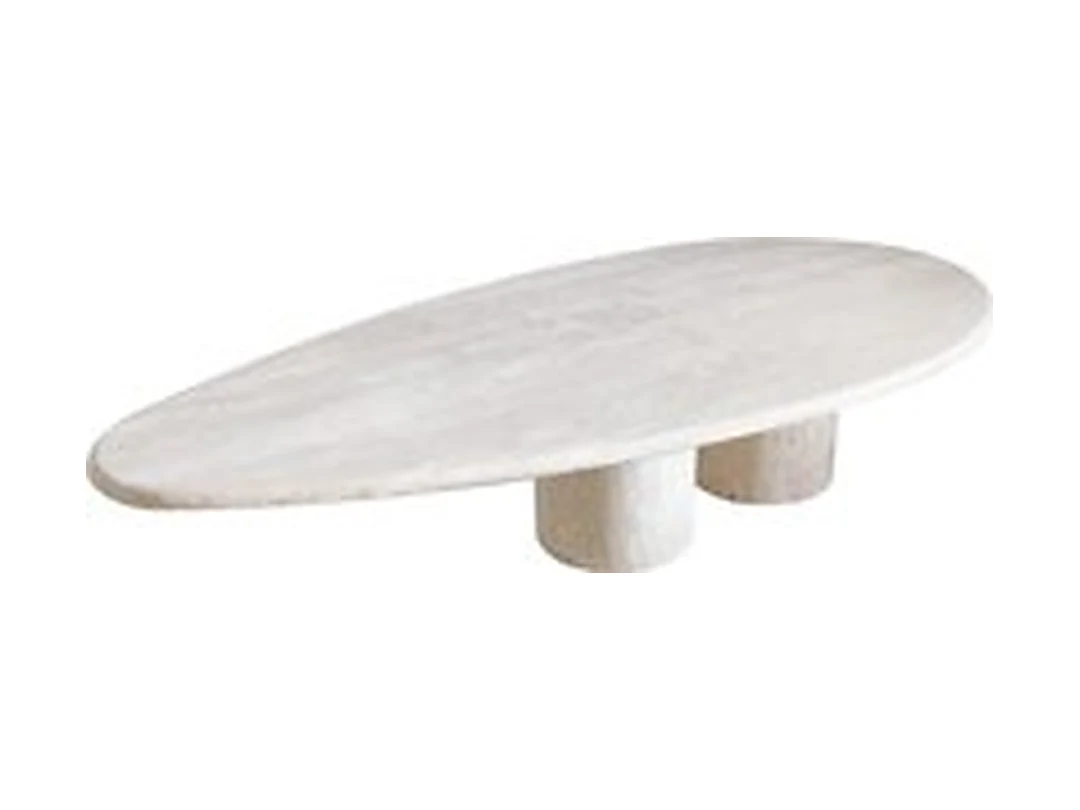
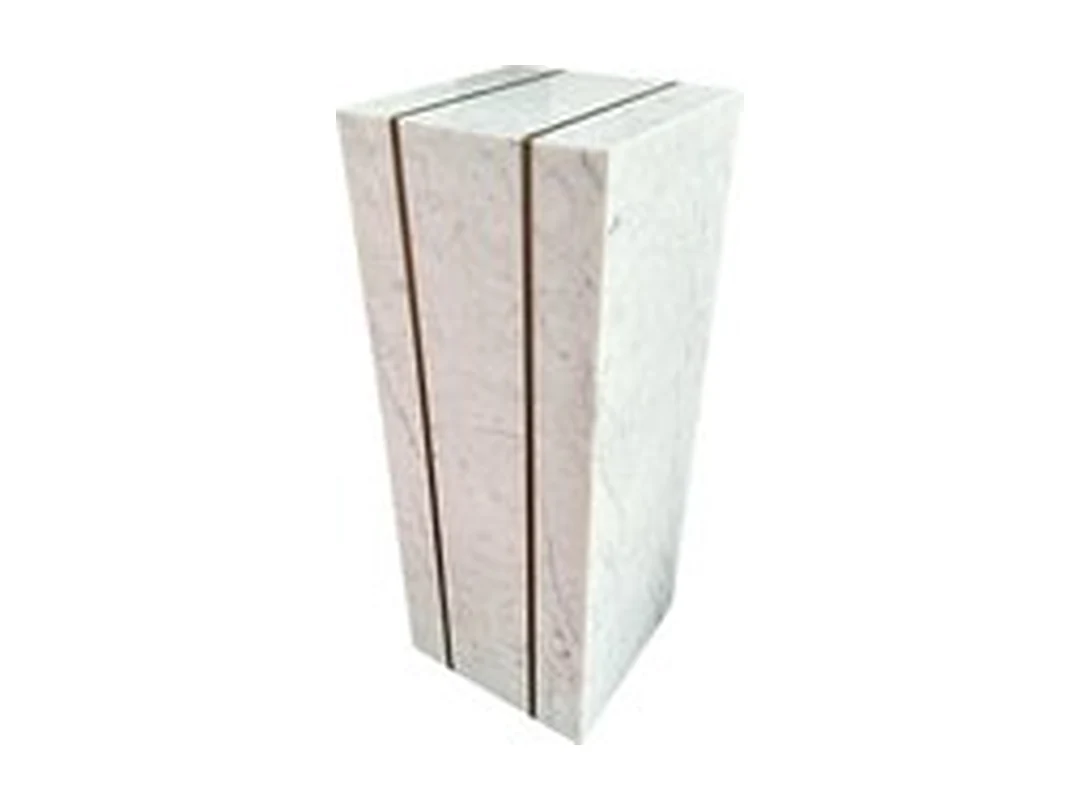
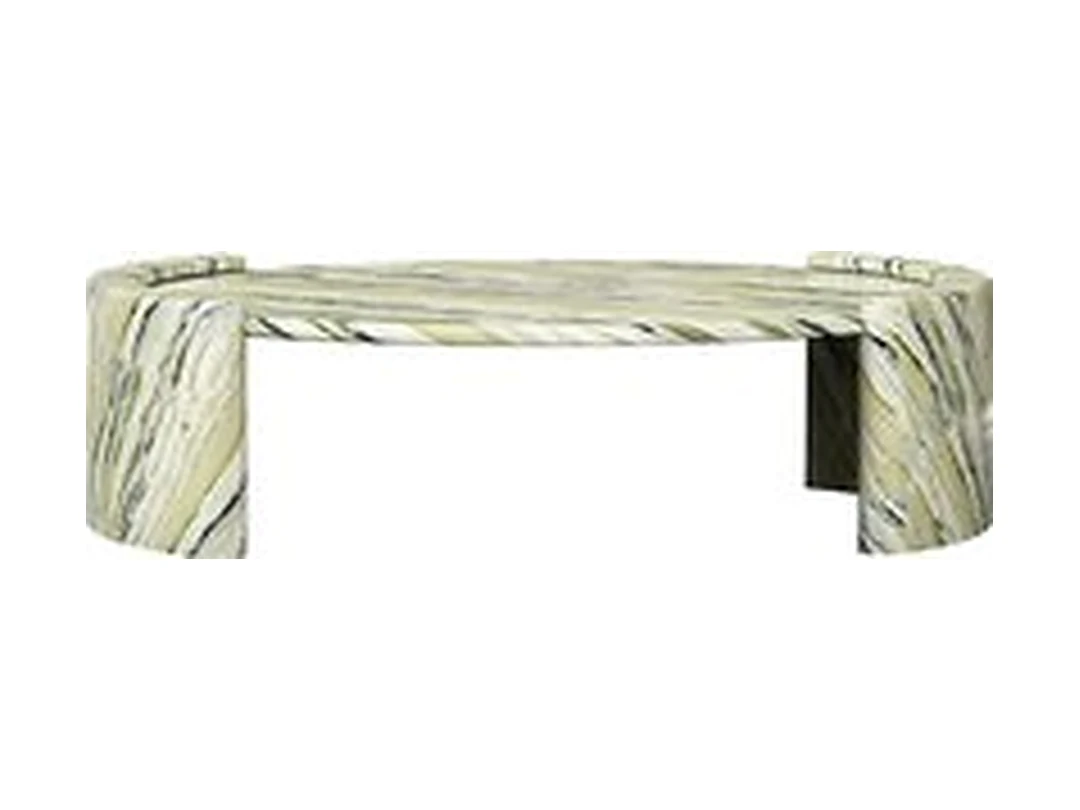
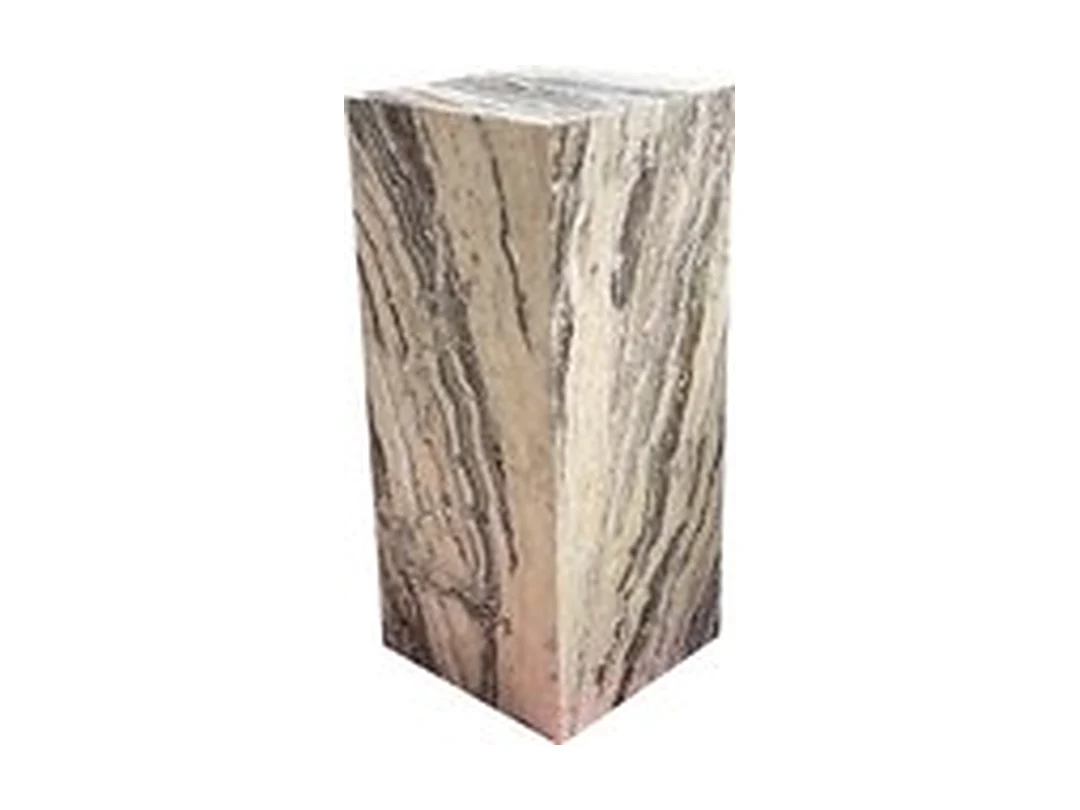
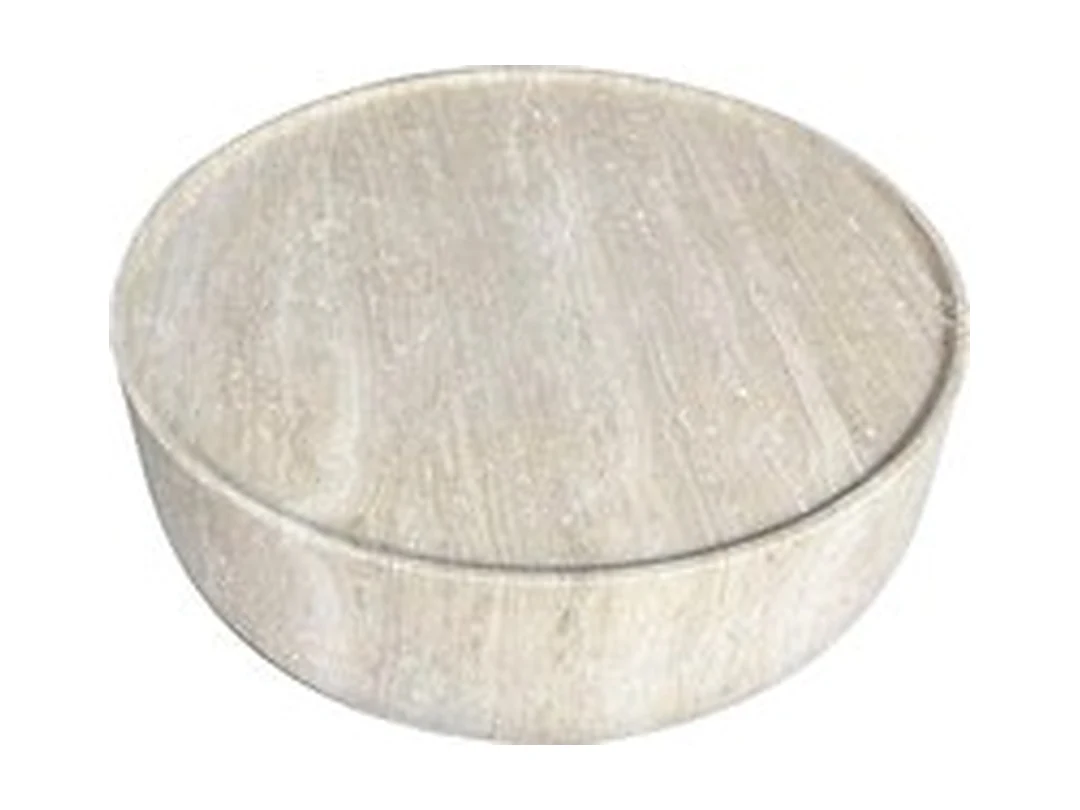
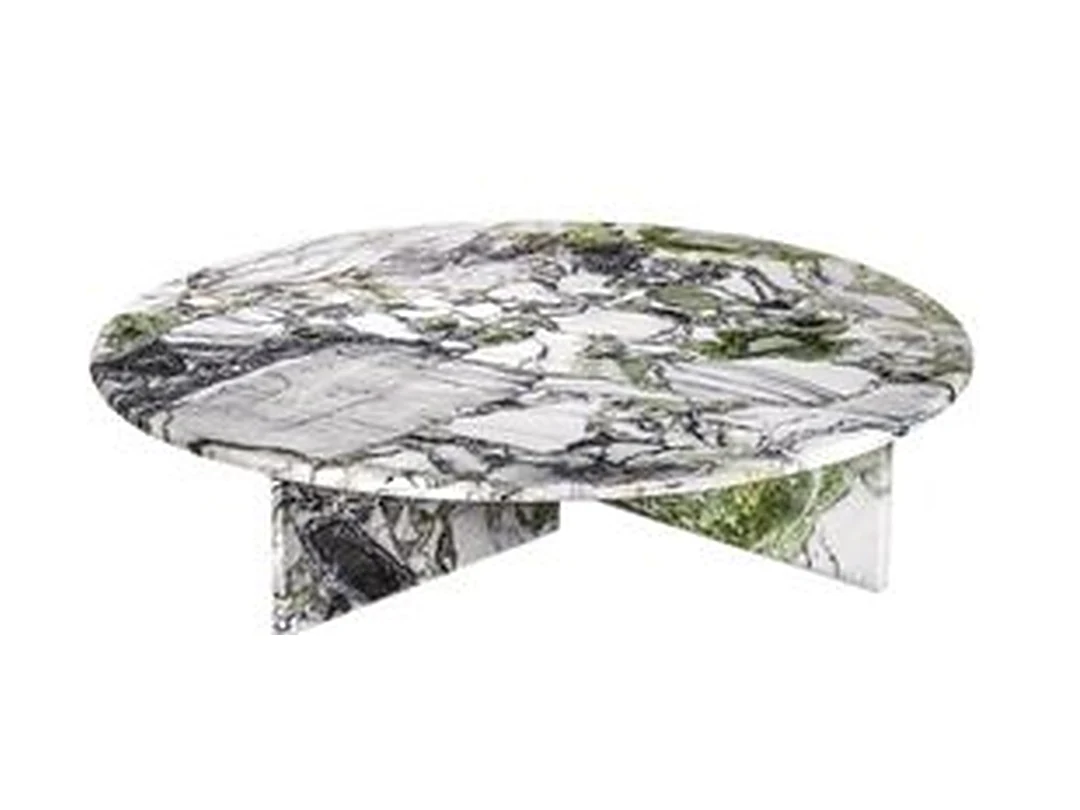
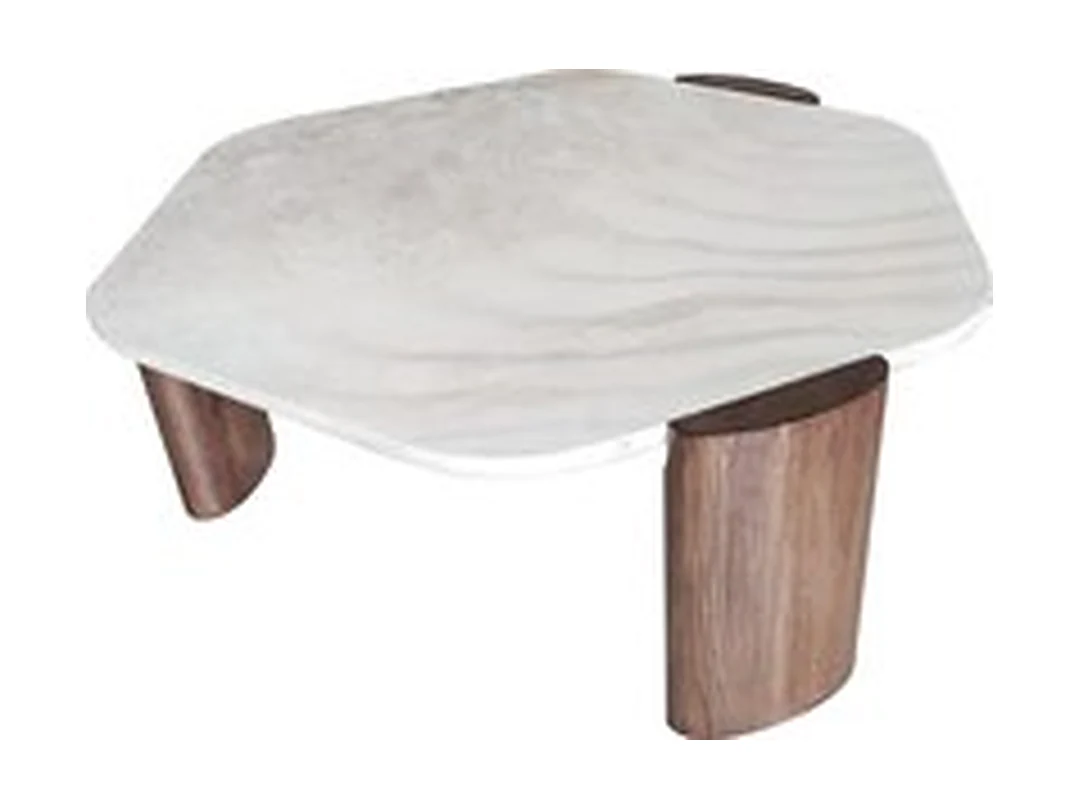
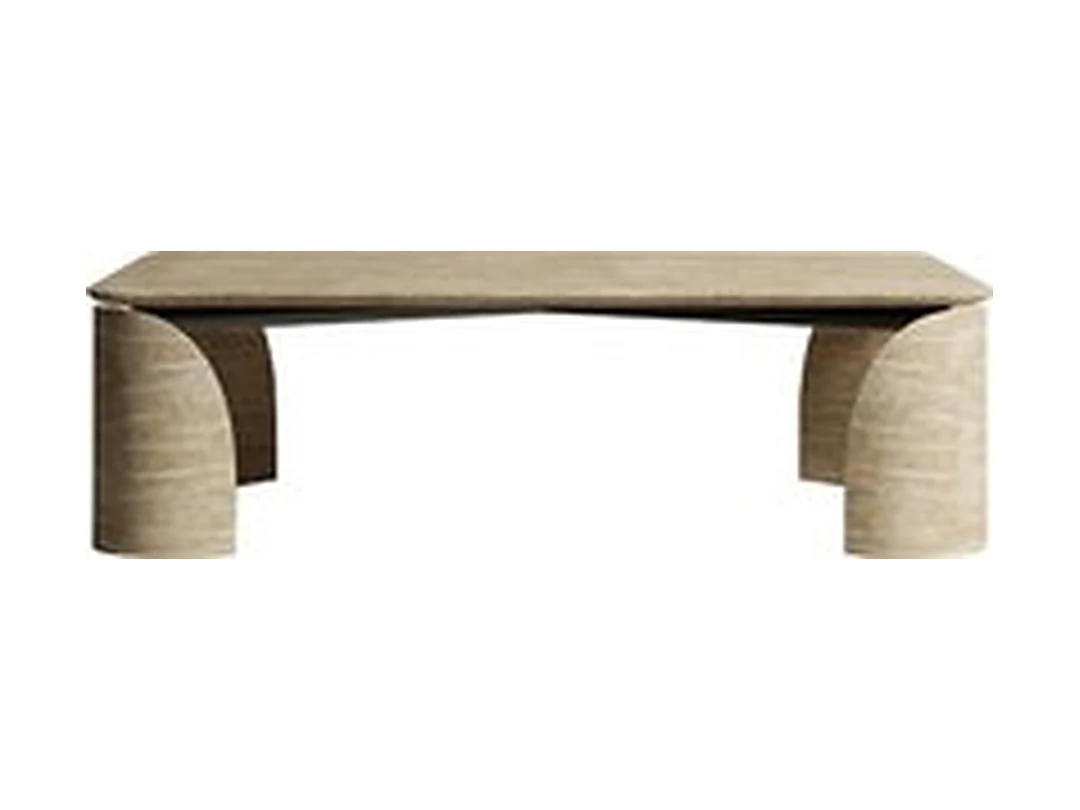
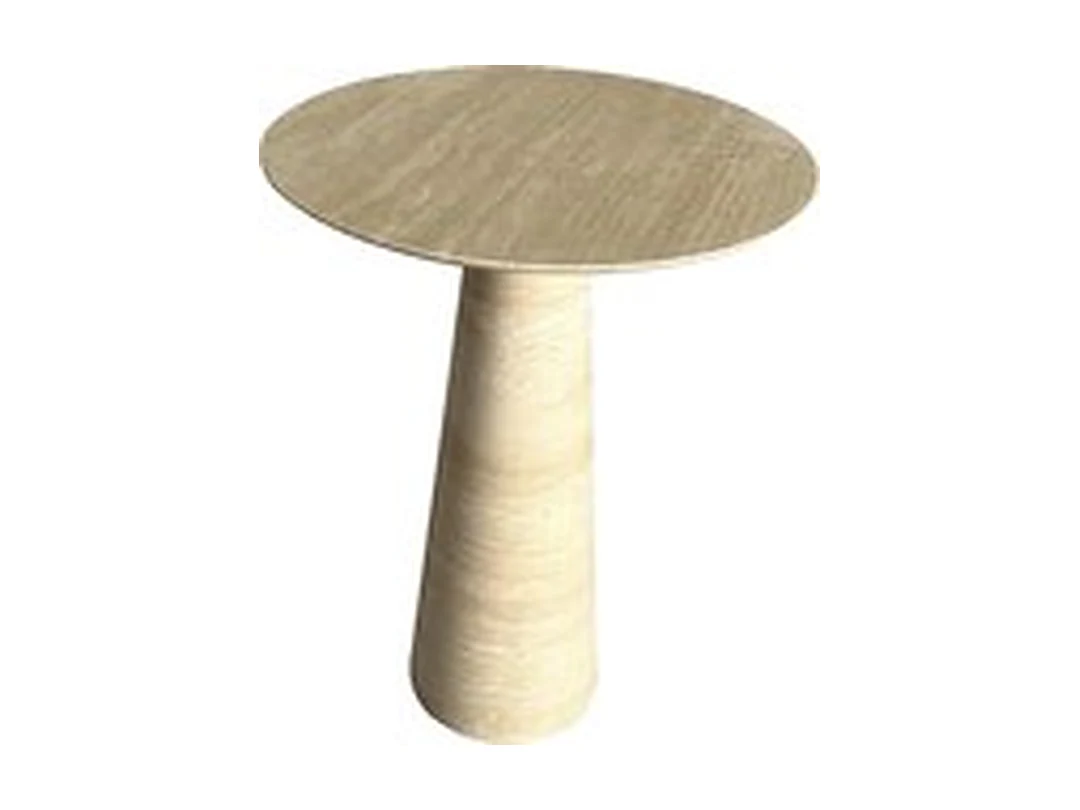
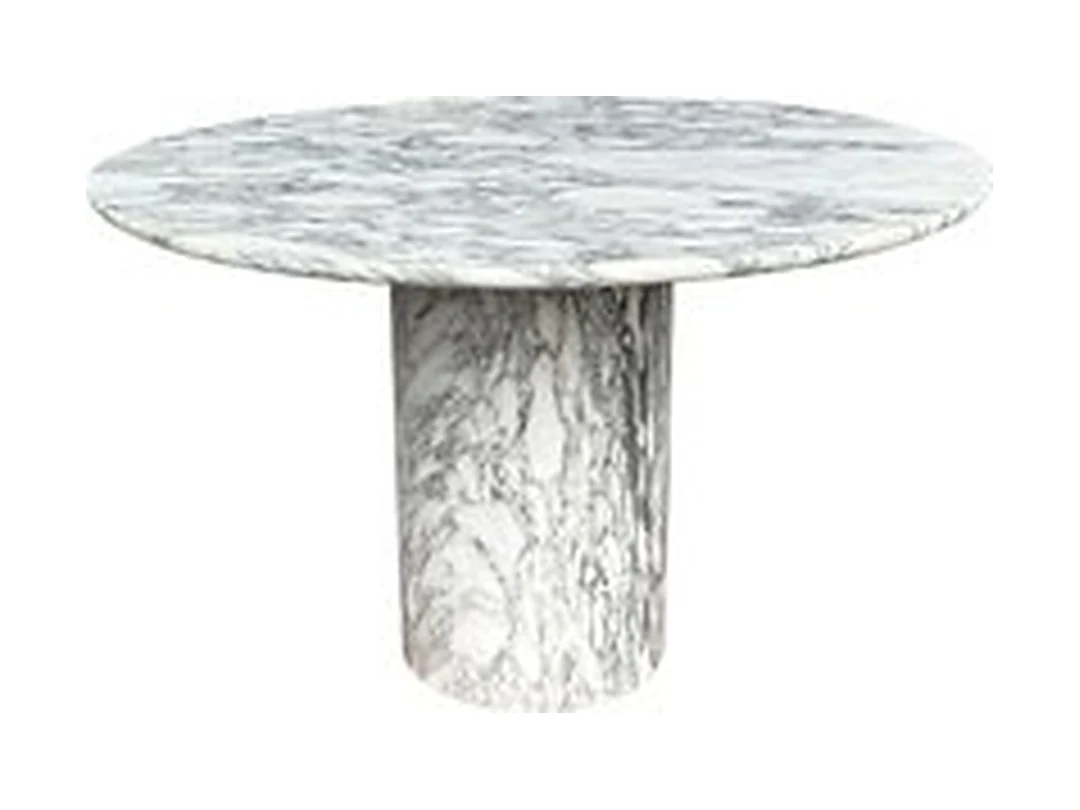
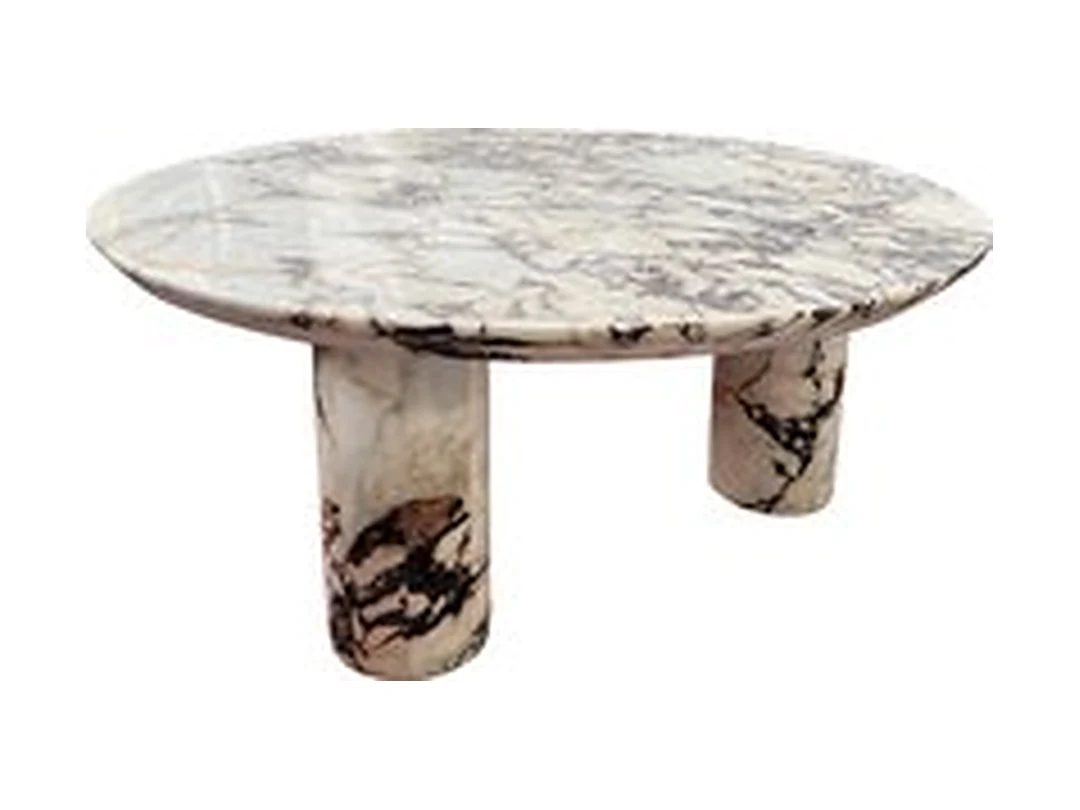
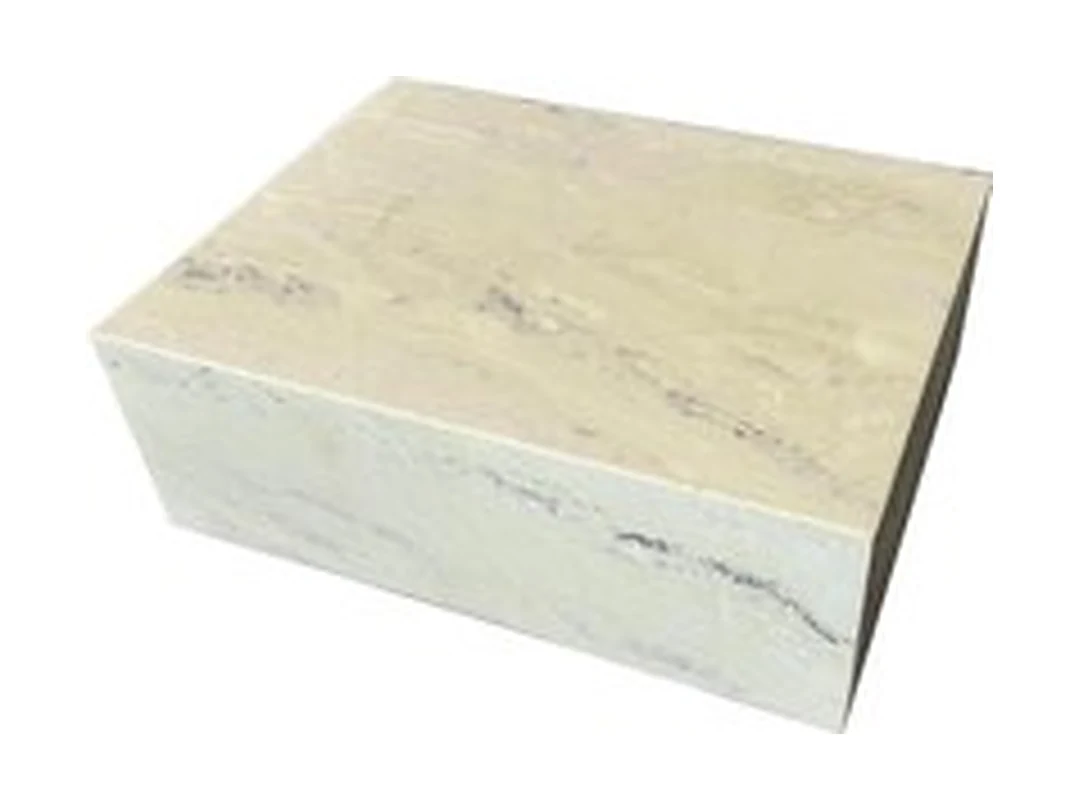
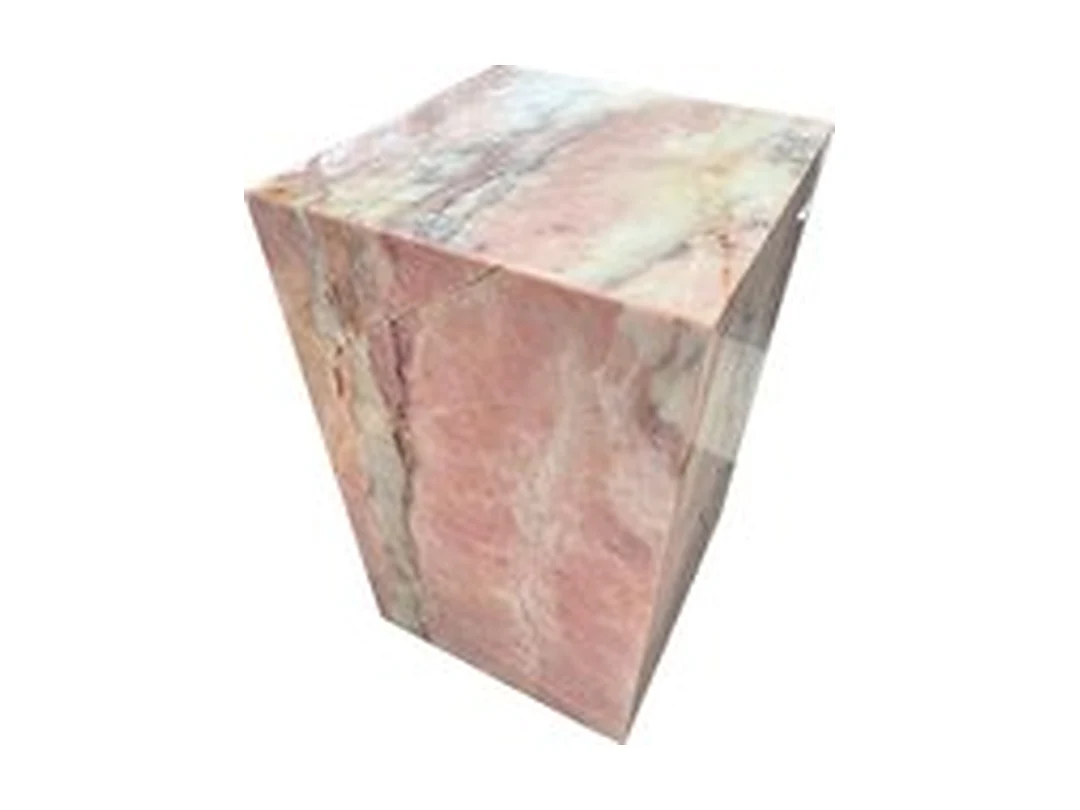
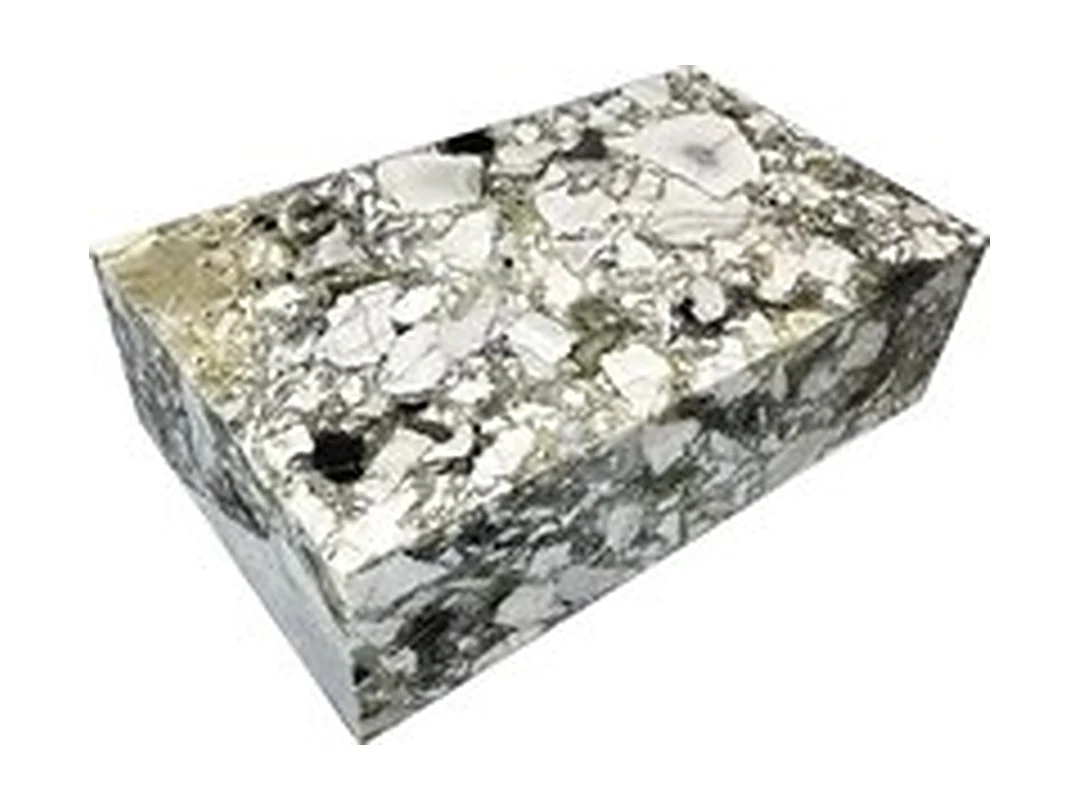
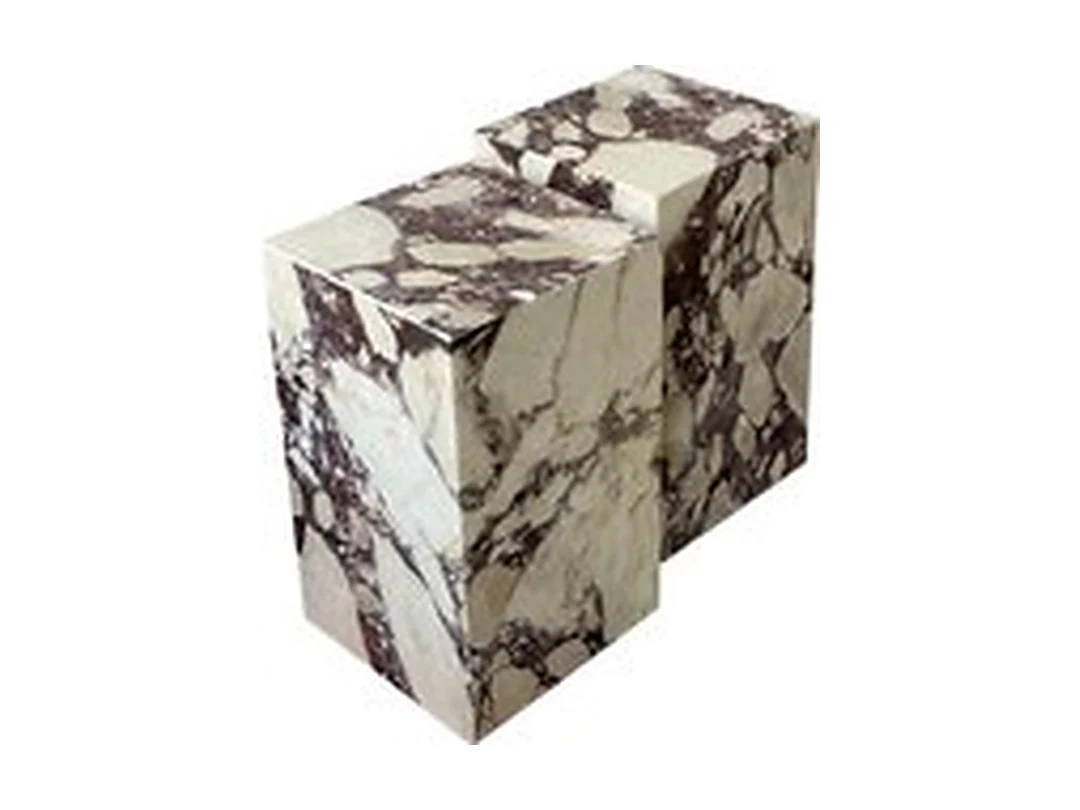
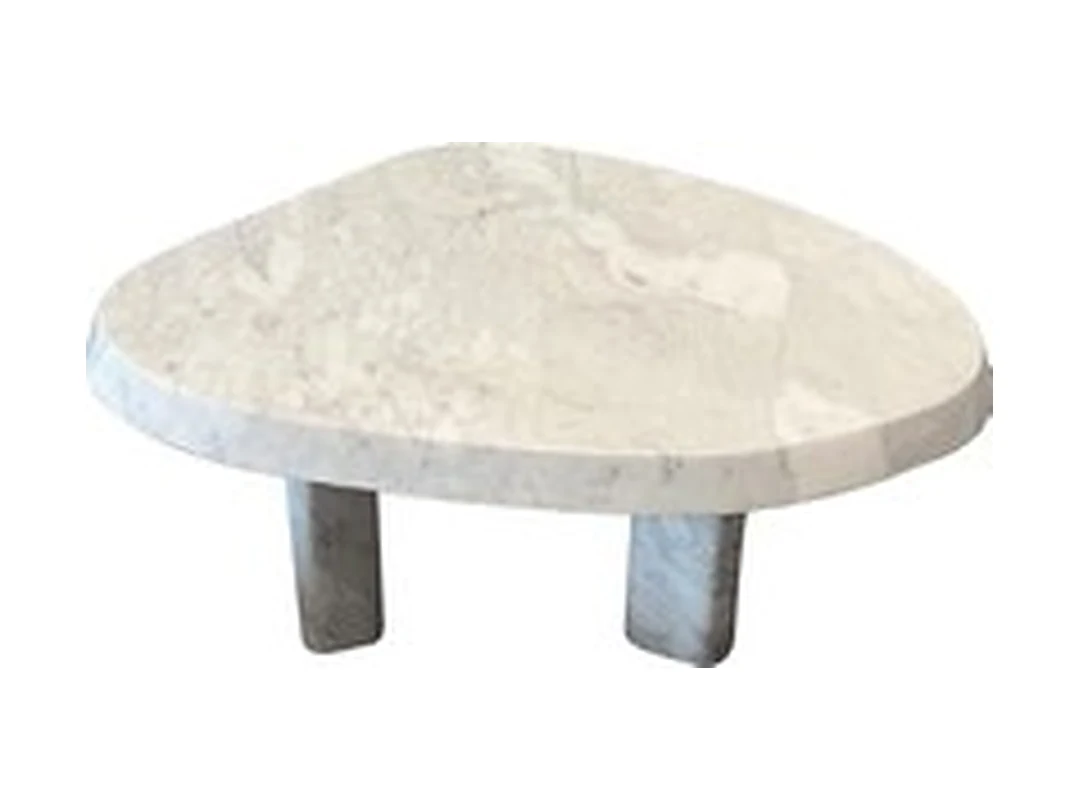
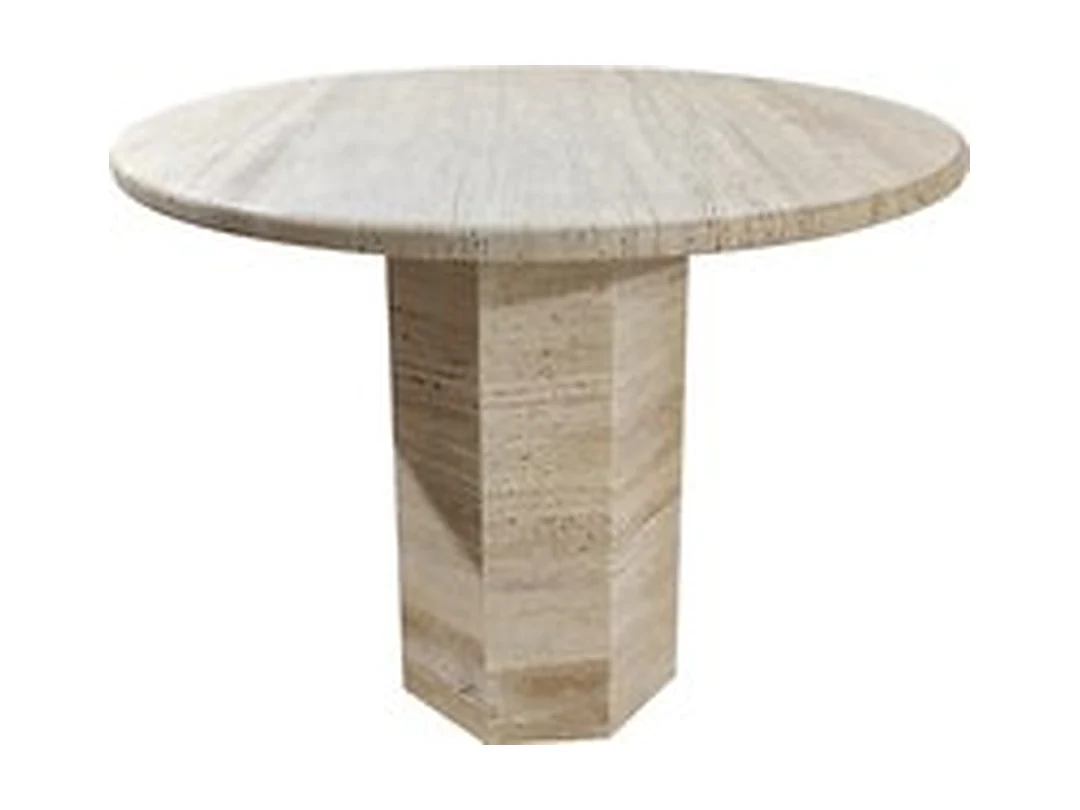
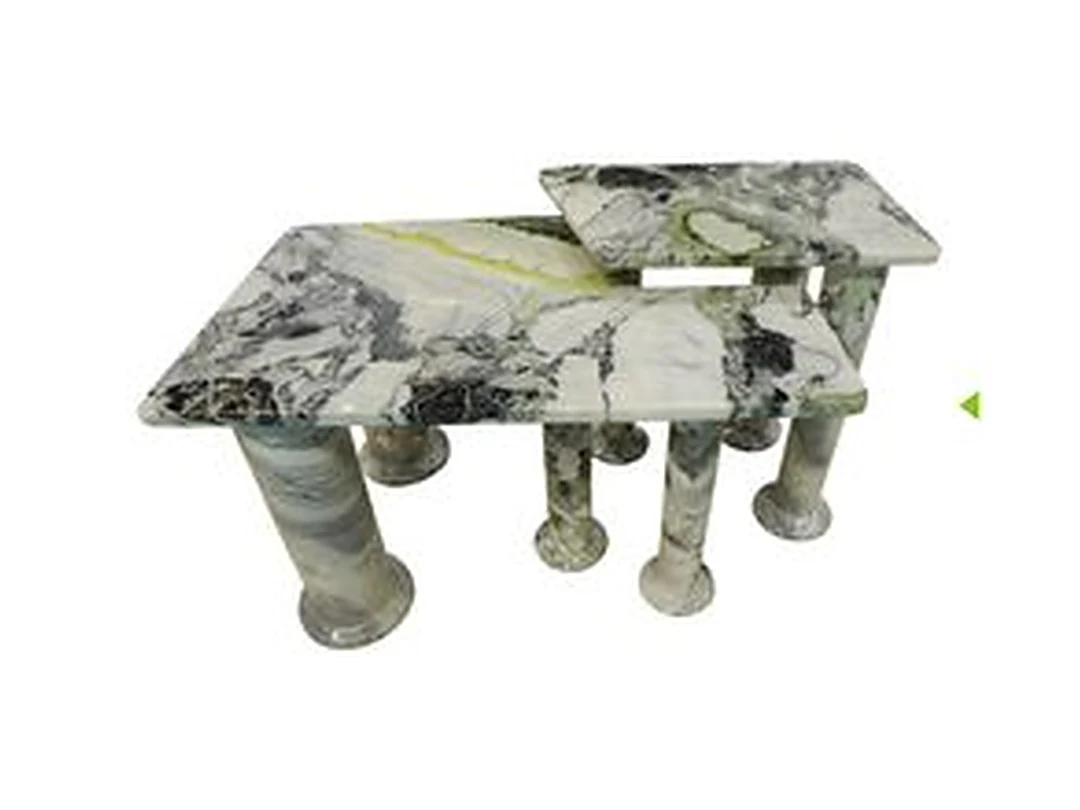
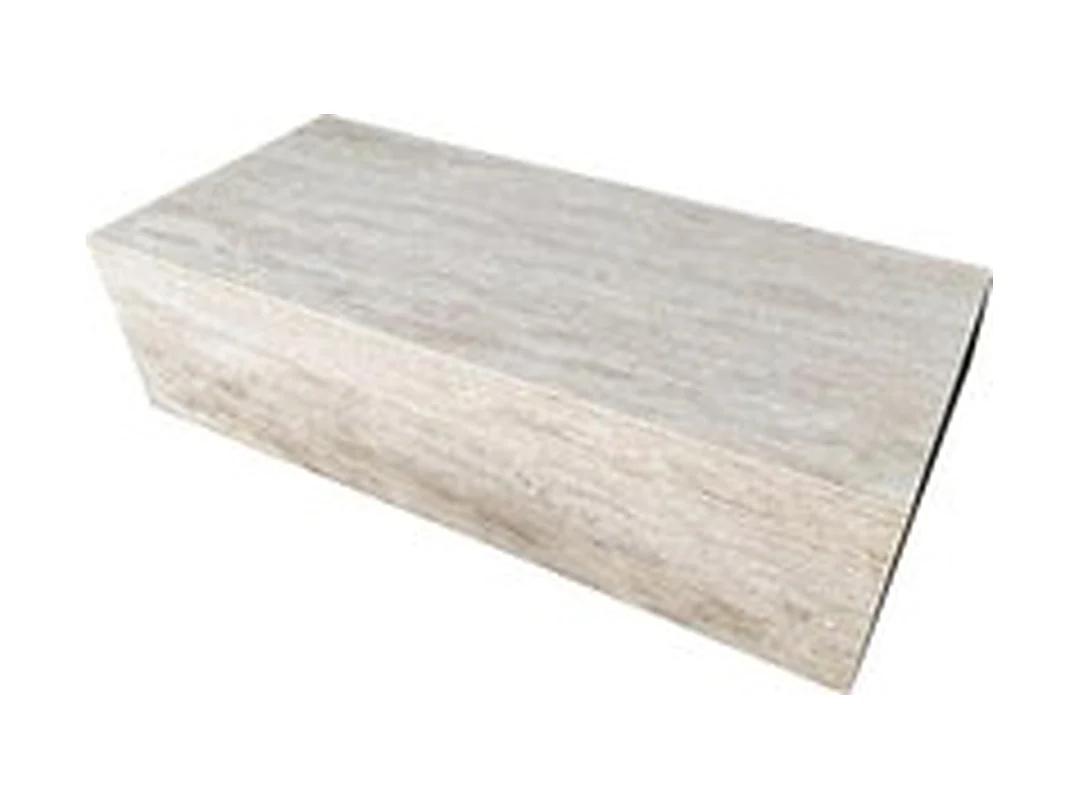
A marble coffee table carries a room quietly — a single honed surface doing the work of decoration. This collection spans travertine coffee tables with soft, pitted warmth, monolithic cube forms, and drum and pebble profiles in veined marble. Every table is produced to order: your dimensions, your stone, your finish, confirmed on a drawing before cutting begins.
Made to Order
Made to Order
Made to Order
Made to Order
Made to Order
Made to Order
Made to Order
Made to Order
Made to Order
Made to Order
Made to Order

Made to Order
Made to Order
Made to Order
Made to Order
Made to Order
Made to Order
Made to Order
Made to Order
Made to Order
Made to Order
Made to Order
Made to Order
Made to Order

Made to Order
Made to Order
Made to Order
Made to Order
Made to Order
Made to Order
Made to Order
Made to Order
Made to Order
Made to Order
Made to Order
Made to Order
Made to Order
Made to Order
Made to Order
Made to Order
Made to Order
Made to Order
Made to Order
Made to Order
Made to Order
Made to Order

Made to Order
Made to Order
Made to Order
Made to Order
Made to Order
Made to Order
Made to Order
Made to Order
Made to Order
Made to Order
Made to Order
Made to Order
Made to Order
Made to Order
Made to Order
Made to Order
Made to Order
Made to Order
Made to Order
Made to Order
Made to Order
Made to Order
Made to Order
Made to Order
Made to Order
Made to Order

Made to Order
Made to Order
FAQ
Ours are solid stone, tops cut from full-thickness slabs, drum and cube forms cut from blocks, with no honeycomb cores, MDF substrates or thin veneers presented as stone. You can verify this on any piece from the specification: the drawing states the actual stone thickness, and the quoted weight follows from it (solid stone is heavy in a way veneer construction cannot fake). Solid construction is why edges can be profiled, why chips can be repaired invisibly by re-working the material itself, and why the table can be fully re-finished decades later. The trade-off is honest weight, which is exactly why the enquiry form asks about access, and why bases are engineered for the mass they carry.
For a table that hosts drinks daily, travertine, specifically filled, honed travertine, is the forgiving choice: its matte surface hides fine wear, small etches disappear into the texture, and its warmth suits casual rooms. Marble is the graphic choice: veining makes the table an event, but a polished marble top shows etch rings from wine and citrus more readily, so it favours households that use coasters or a honed finish that softens the risk. Both are calcium-based, both want sealing, and both are repairable. The genuinely practical answer is finish plus habit: honed surfaces on either stone, a sealer, and coasters in reach, with that regime, choose the stone your room wants to look at.
Work from three numbers. Length: roughly half to two-thirds of your sofa’s length keeps the proportions calm, a 2.4 m sofa pairs naturally with a 1.2–1.6 m table. Height: within about 30–50 mm of your sofa’s seat cushion height makes reaching a drink effortless; our reference heights sit in the common 300–450 mm band and can be cut to your exact seat. Clearance: 400–450 mm between sofa edge and table edge is the comfortable walking-and-reaching gap. Round and pebble forms suit rooms where people cut corners; rectangles suit long sofas. Since every table is made to order, measure the room, not the catalogue, the reference dimensions are starting points we adjust on the drawing.
Solid stone runs roughly 2.5–2.8 tonnes per cubic metre, so a typical slab-top coffee table lands in the tens of kilograms and monolithic drums and cubes can reach low hundreds, your quotation states the figure for your exact configuration rather than a generic guess. For floors: residential concrete slabs and sound timber floors handle coffee tables without drama, because the load spreads across legs or a base footprint and is comparable to other heavy furniture. The questions that actually matter are the route (stairs, lift dimensions, asked at enquiry) and point loads on delicate finished floors, where felt pads or a base plate distribute contact. Genuinely marginal structures, old suspended floors, boats, deserve a mention at enquiry so we can advise.
The stone will match; the pattern will be your block’s own. Veining is geological, not printed, so two Arabescato tables share colour family, contrast character and finish while carrying different figuring, that individuality is what you are buying. For coffee tables where the top is the whole show, we manage it rather than leave it to chance: the slab or block proposed for your order is photographed for your confirmation before cutting, and for directional veining we agree on the drawing how it should run (with the length, across it, or centred on a feature). If you have a strong pattern preference, calm and open versus dense and dramatic, say so at enquiry; selection starts from that brief.
Yes, monolithic forms scale well, within stone logic. A cube can be cut larger, smaller, or as a rectangle; drums can change diameter and height; the drawing simply states the new dimensions and the quotation re-prices the block volume honestly (block yield, not surface area, drives monolith cost, which is why a modest size increase can move the price more than expected). Two engineering notes we apply automatically: very large single blocks are checked against access and floor route before you approve anything, and hollowed constructions can be proposed where a full solid would be needlessly heavy, visually identical, drawn explicitly, never substituted silently. Send the size your room wants and the drawing will show exactly what is buildable.
They are as safe as their edges and their stability, both of which are specification choices you control. Edges: we profile to your household; a softened bullnose or generous radius on corners removes the sharp-arris risk entirely and is a standard drawing note, not an upcharge conversation. Stability: solid stone’s weight works for you here, these tables do not tip or slide the way lightweight furniture does. Surfaces shrug off toys and homework; the realistic child-related risks are juice etches (a honed finish plus sealer makes these minor) and small fingers versus a very heavy object during any repositioning, which is an adult-lifting rule rather than a product issue. Tell us the ages at enquiry and the edge specification will reflect them.
Three habits cover it. Coasters under drinks, wine, coffee and citrus are the acids that etch calcium-based stone, and the etch ring under a glass is the classic coffee-table injury. Wipe spills when they happen, with water or a pH-neutral stone cleaner; never the multi-surface spray. And keep the penetrating sealer topped up, when water stops beading on the surface, reapply; it is a ten-minute task that keeps oils and colour out of the pores. Skip abrasive pads, and lift objects rather than dragging them. That is the whole regime. If a mark does happen, most are recoverable, the Care & Maintenance page covers poultices for absorbed stains and re-finishing for etches.
It depends on the form, and your delivery notes state it per piece. Monolithic designs, cubes, drums, pebble tops on integral bases, arrive as one crated piece: unpack, position, done. Tables with separate bases or legs ship as components packed so they cannot contact each other, with assembly that is deliberately simple: set the top onto the base at the marked registration, with fixing details (pads, pins or adhesive discs) stated in the included guidance. The only real requirement is lifting help proportionate to the top’s weight, which your quotation states. Placement-level delivery service, where available for your destination, includes this assembly; kerbside and to-the-door levels leave it with you or your contractor, with the instructions in the crate either way.
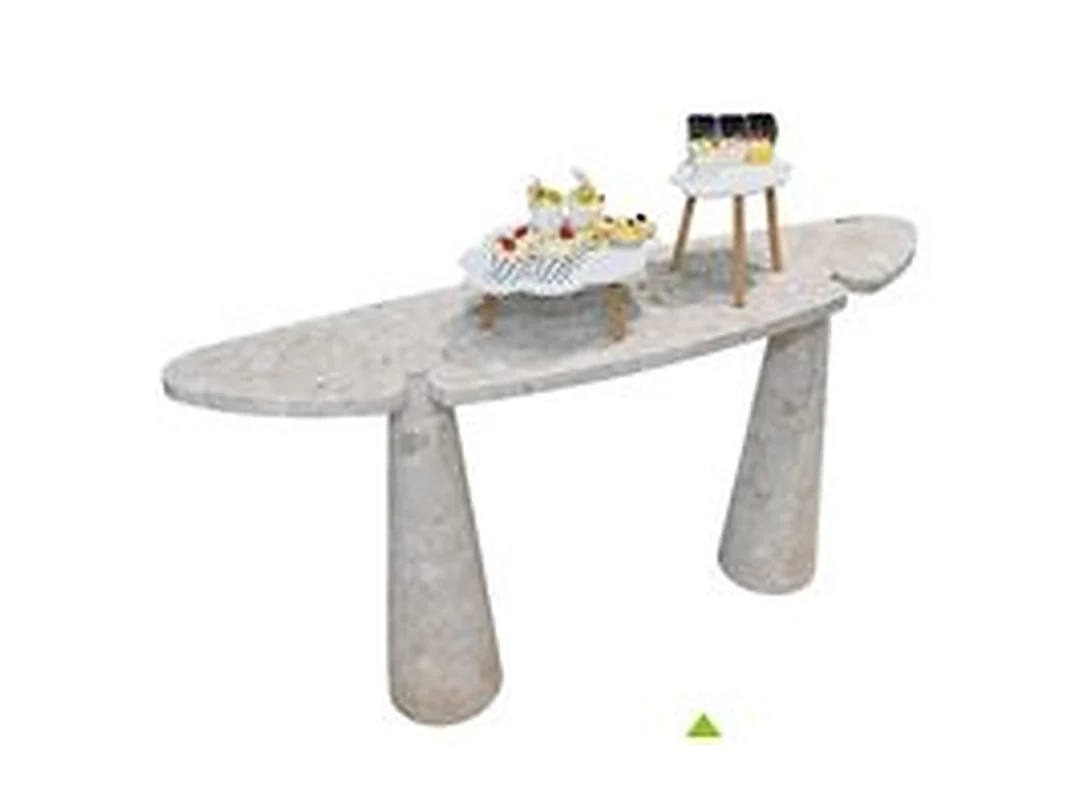
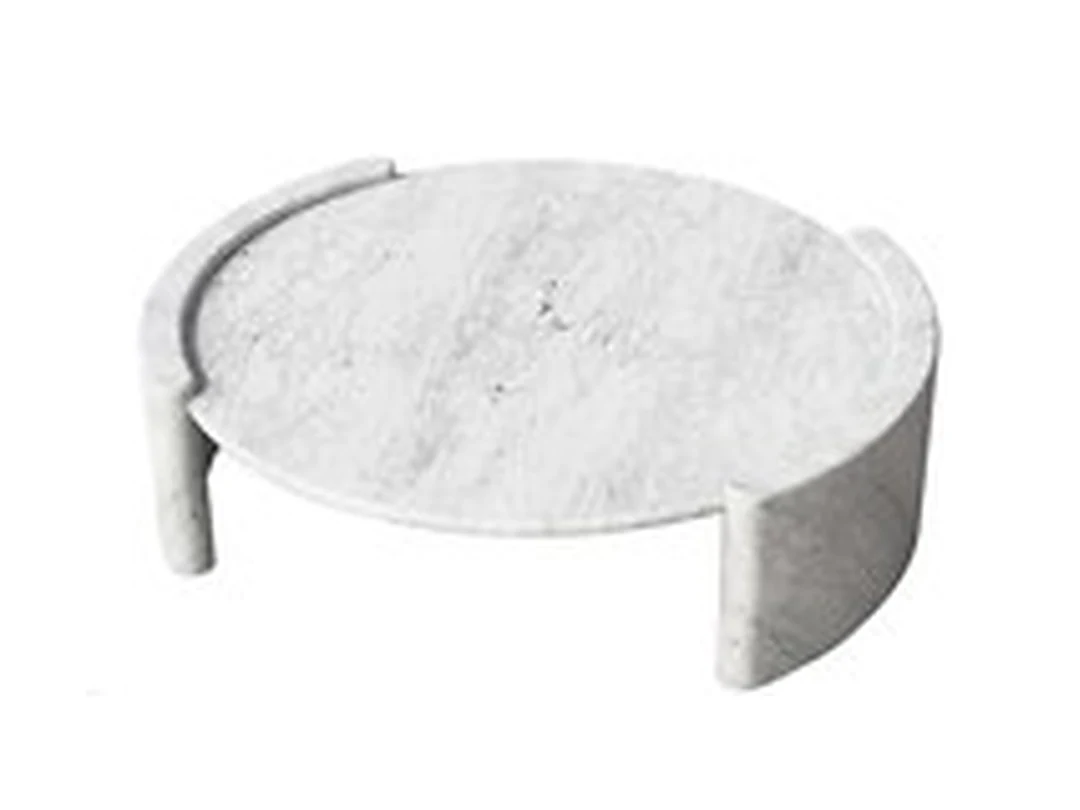
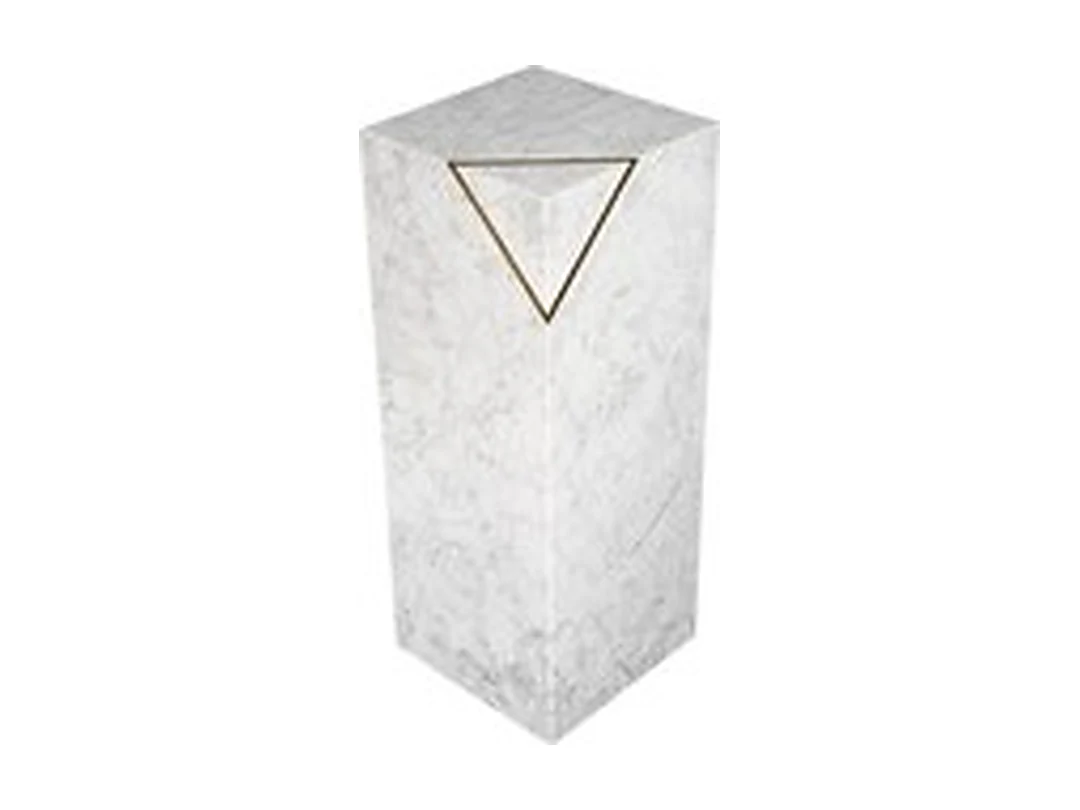
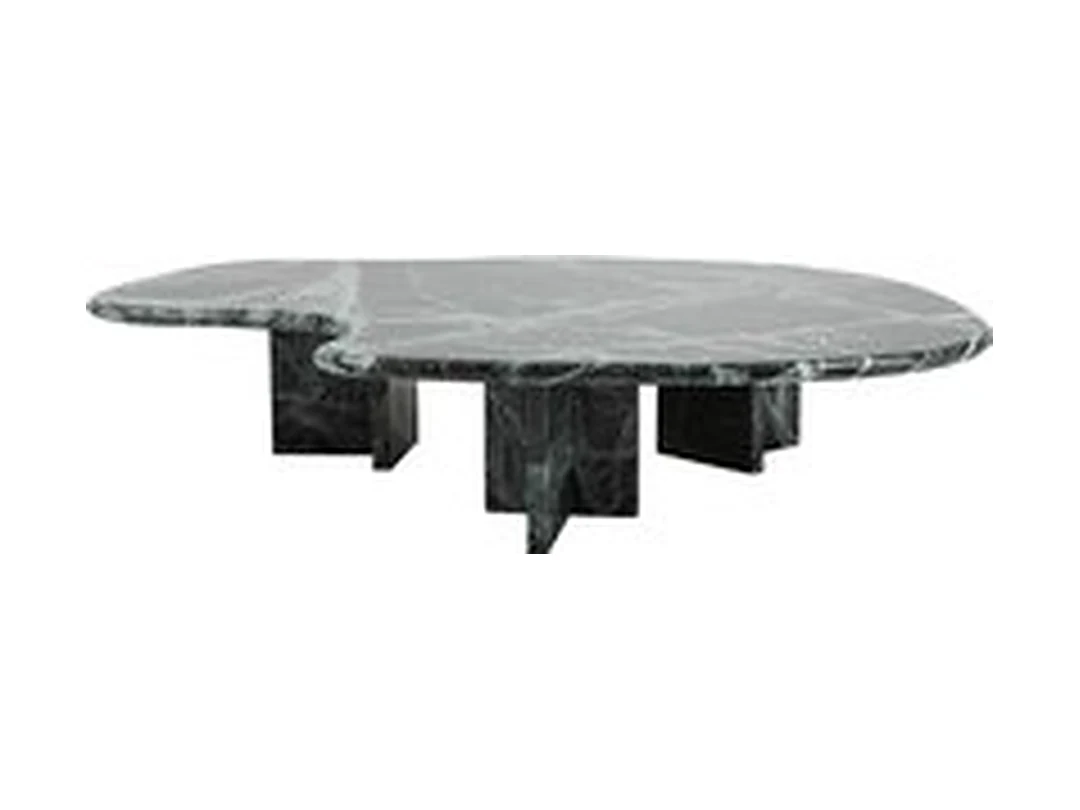
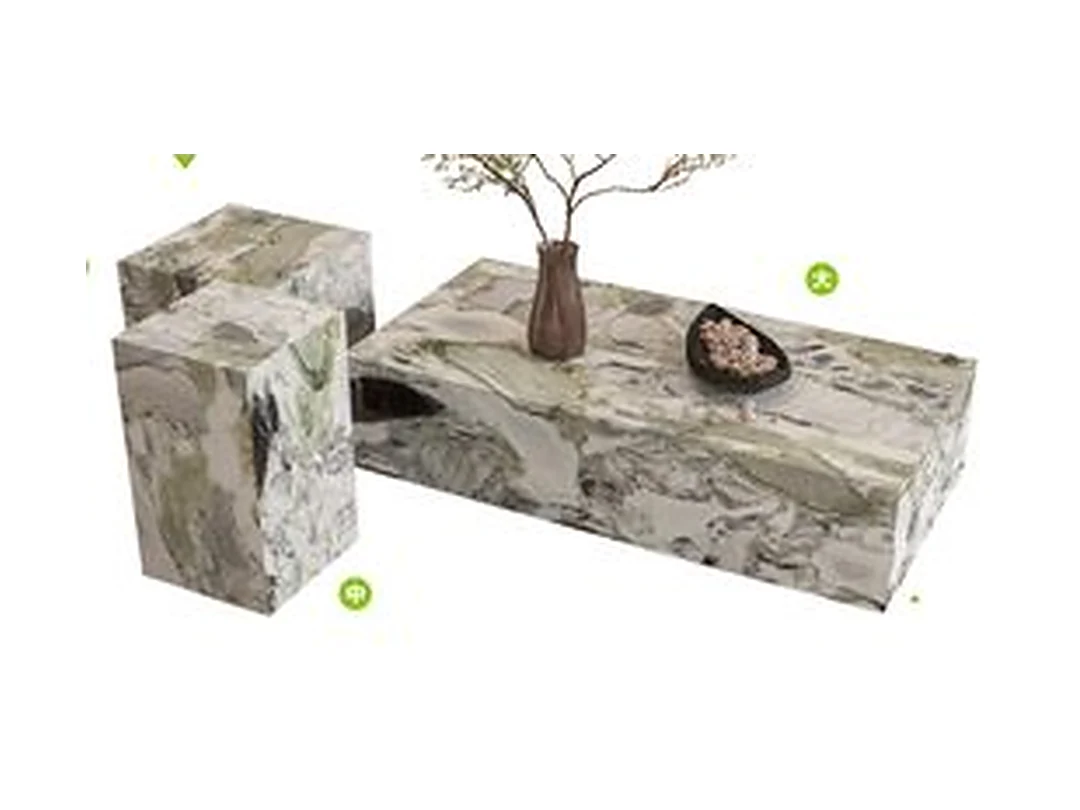
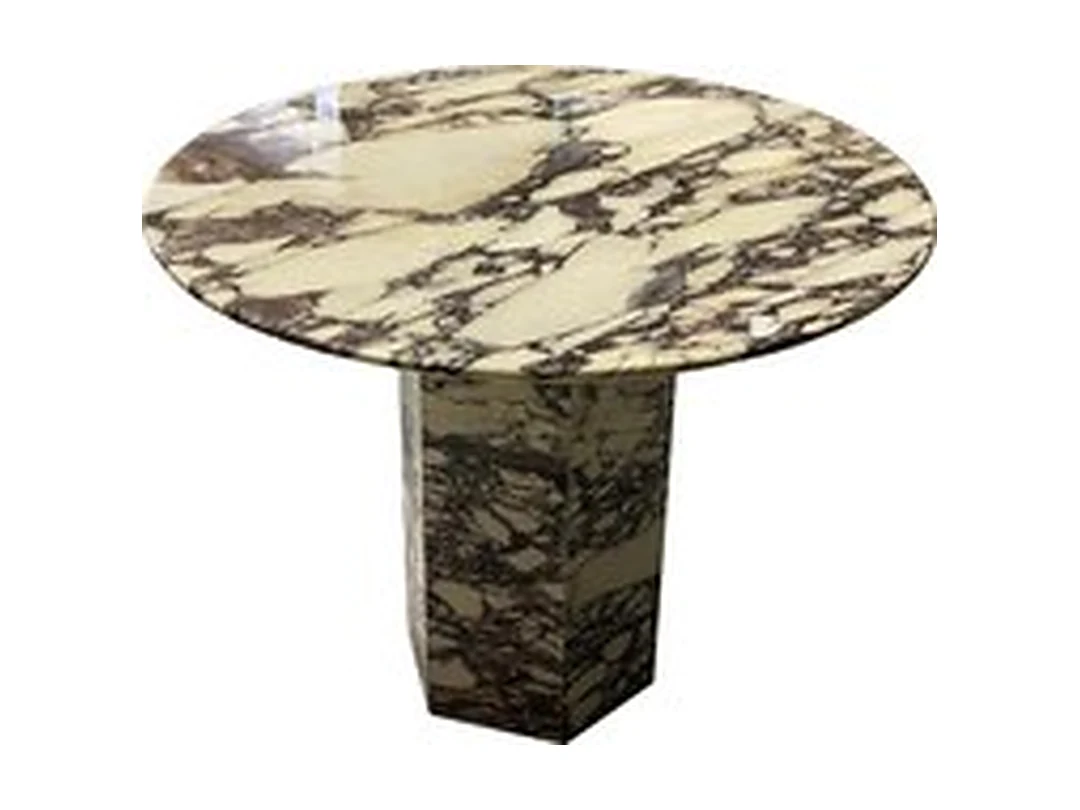
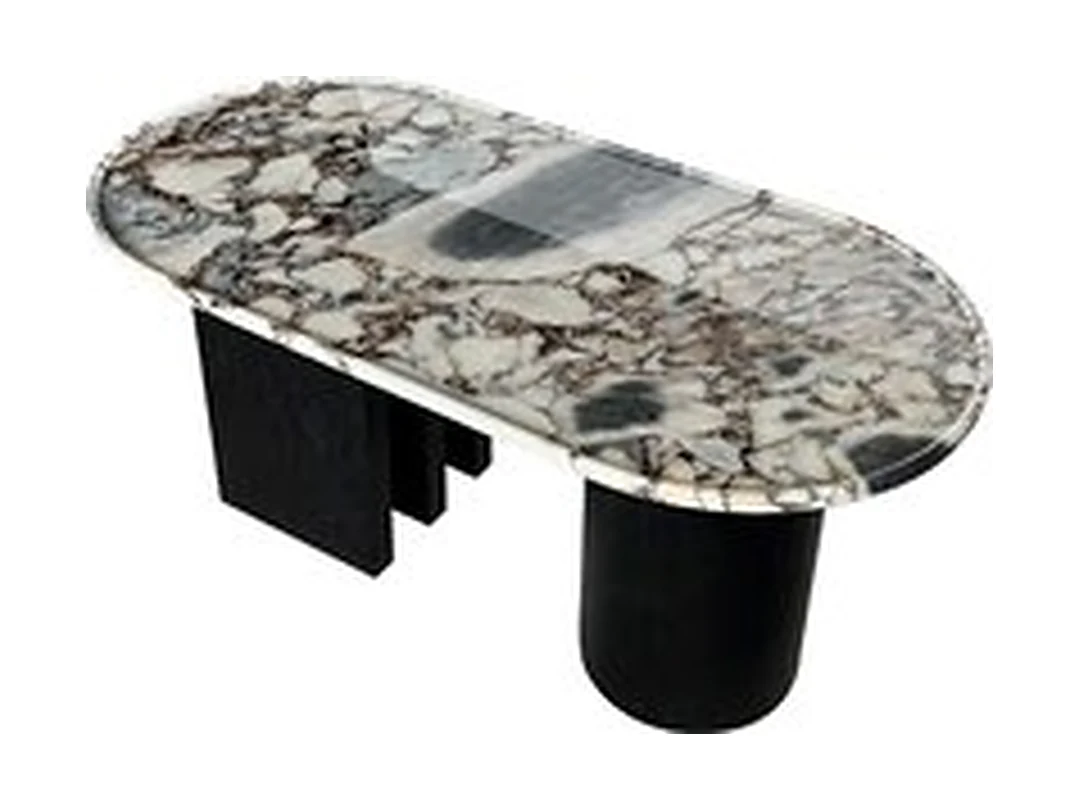
Four families, four temperaments. Slab-and-leg tables, a flat top on cylindrical or shaped supports, are the versatile default: lightest visually, easiest to scale, friendly to under-table storage baskets. Drums and bowls read as sculpture: a rounded monolithic mass, strongest in rooms with space around them. Cubes are the architectural option: crisp arrises, veining wrapping every face, equally at home singly or in offset pairs. Pebble and organic tops soften a rectilinear room and remove corners entirely, a practical virtue with children. All four are cut to order, so the choosing question is not availability but the room: sofa length, walking lines, and whether the table should sit quietly or hold the floor.