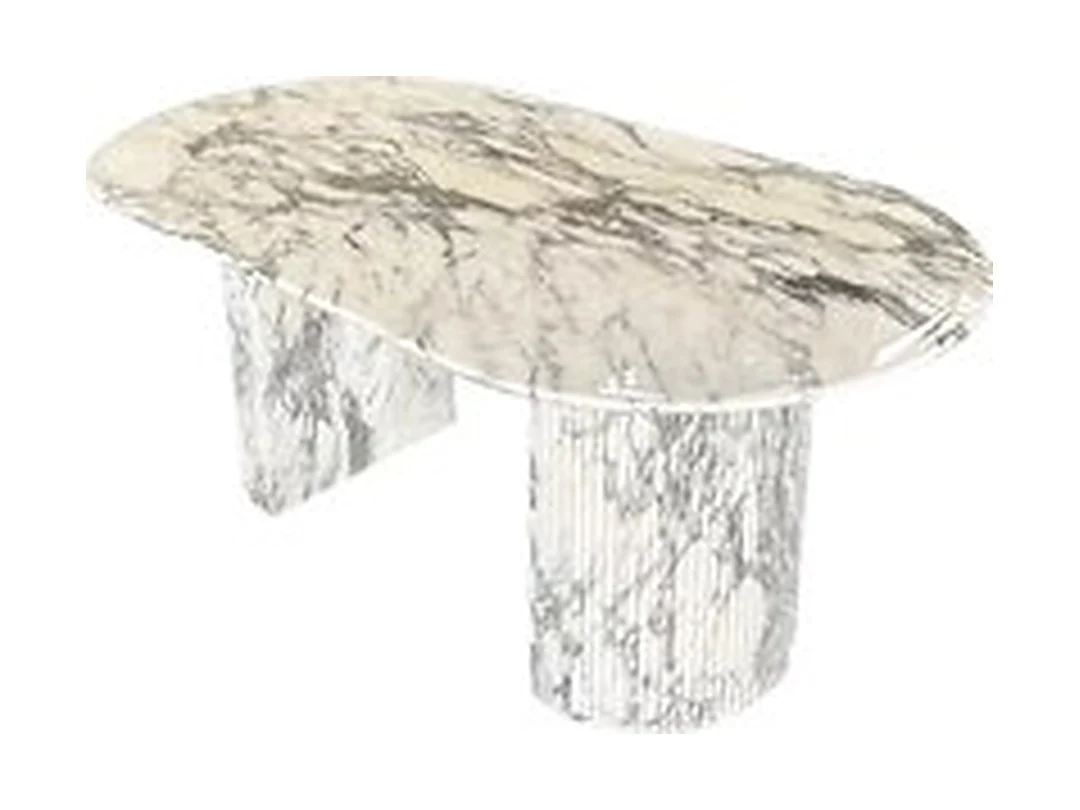
Aurelia Arabescato Dining Table
Arabescato Marble · Dining Tables
900 × 1800 × H 750 mm (35.4 × 70.9 × H 29.5 in)
Made to Order

Made to Order
A marble dining table is cut for the long run of a meal: tops selected for directional veining, bases sized to seat people comfortably at every position. Oval tops on twin columns, rectangular slabs on panel pedestals, round tables for compact rooms — each produced against an approved drawing with the edge profile agreed before finishing.
Arabescato Marble · Dining Tables
900 × 1800 × H 750 mm (35.4 × 70.9 × H 29.5 in)
Made to Order
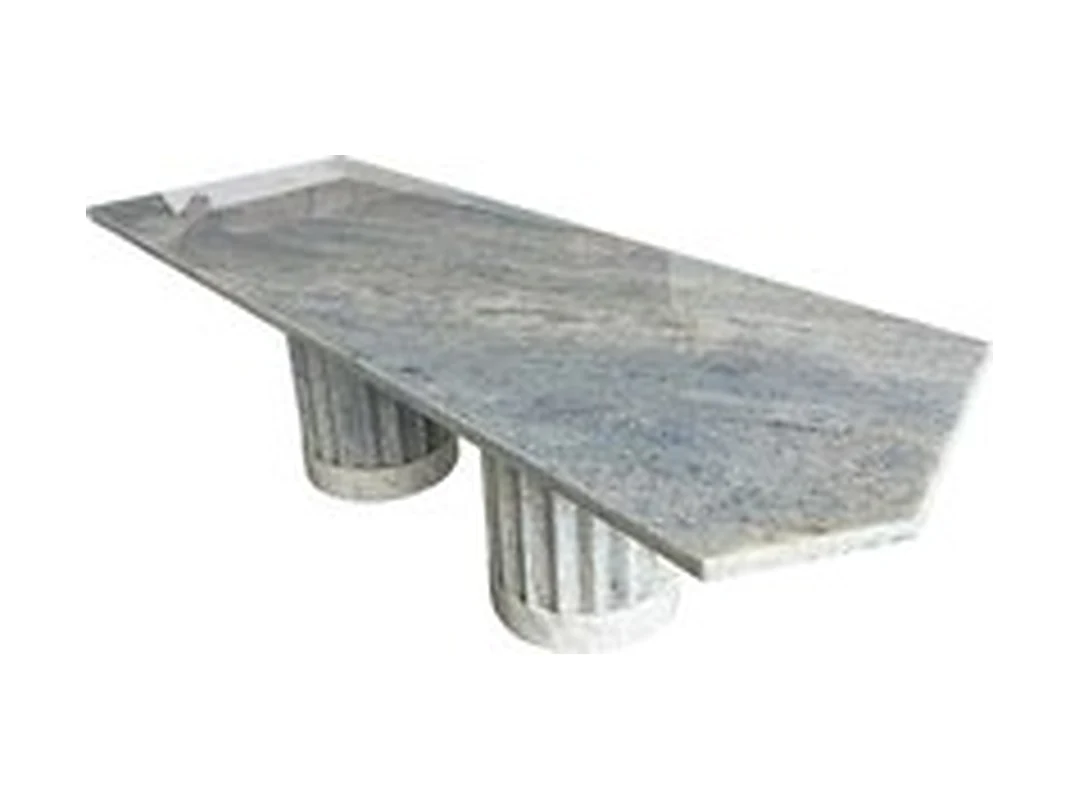
Blue Crystal · Dining Tables
2500 × 900 × H 750 mm (98.4 × 35.4 × H 29.5 in)
Made to Order
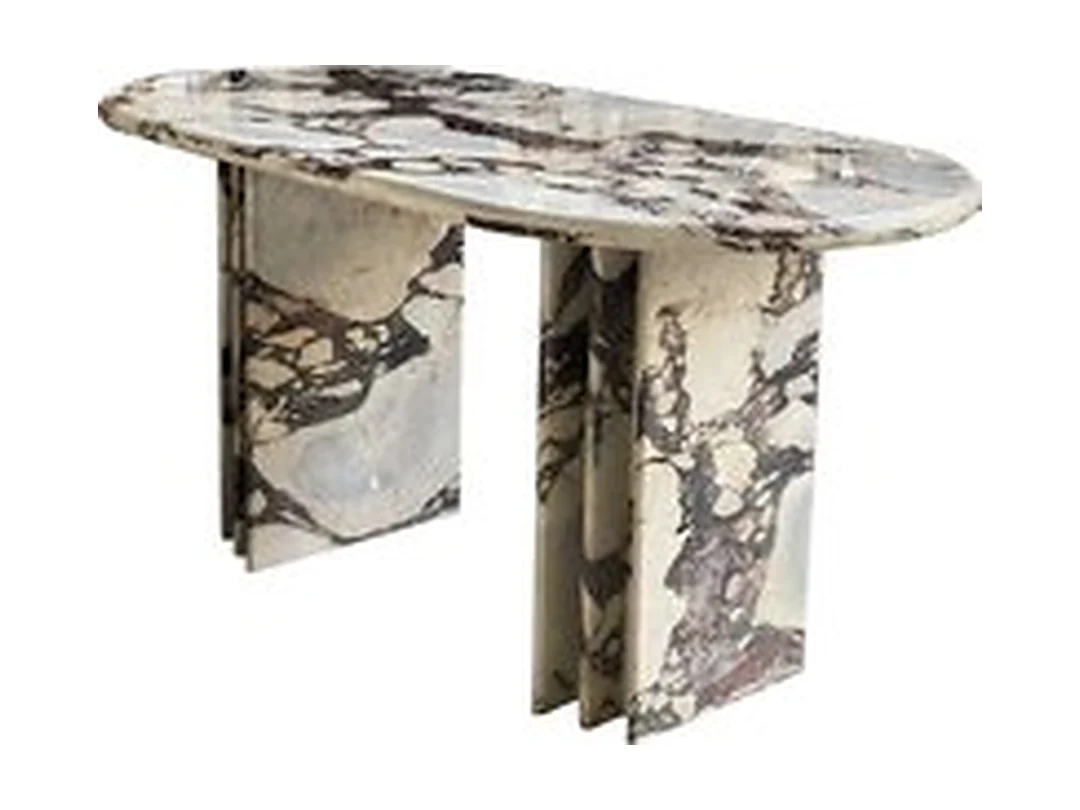
Calacatta Viola Marble · Dining Tables
1600 × 450 × H 750 mm (63.0 × 17.7 × H 29.5 in)
Made to Order
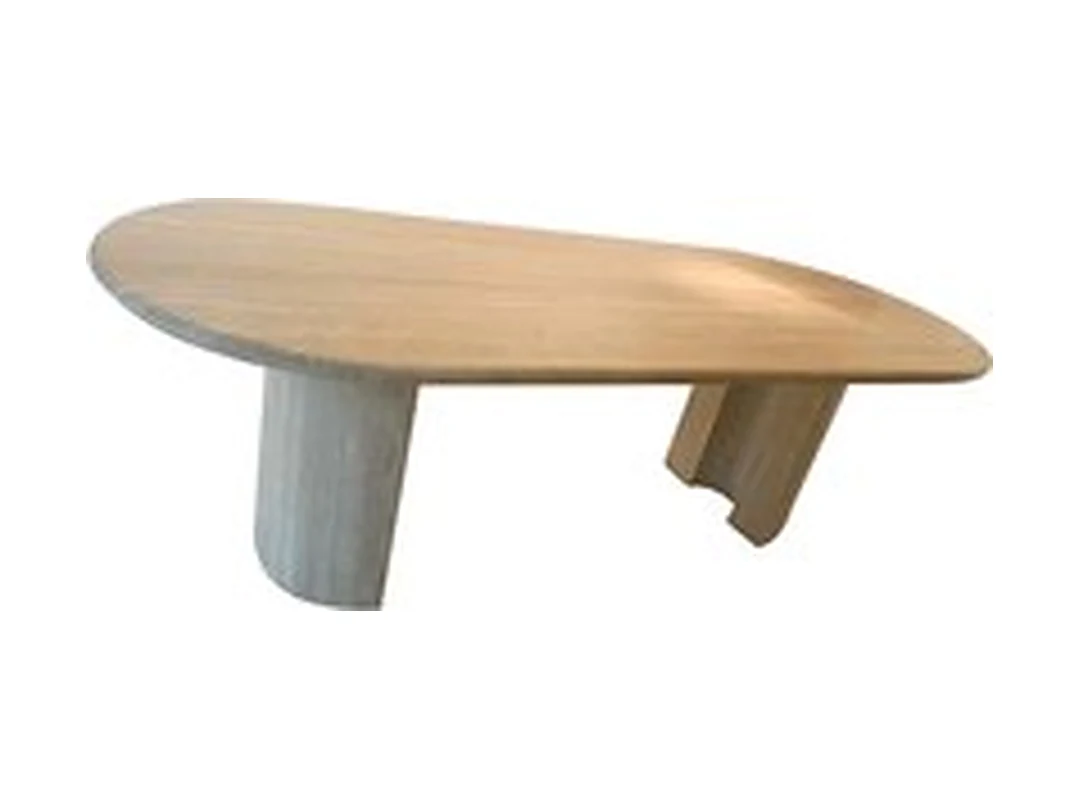
Beige Travertine · Dining Tables
900 × 1800 × H 750 mm (35.4 × 70.9 × H 29.5 in)
Made to Order
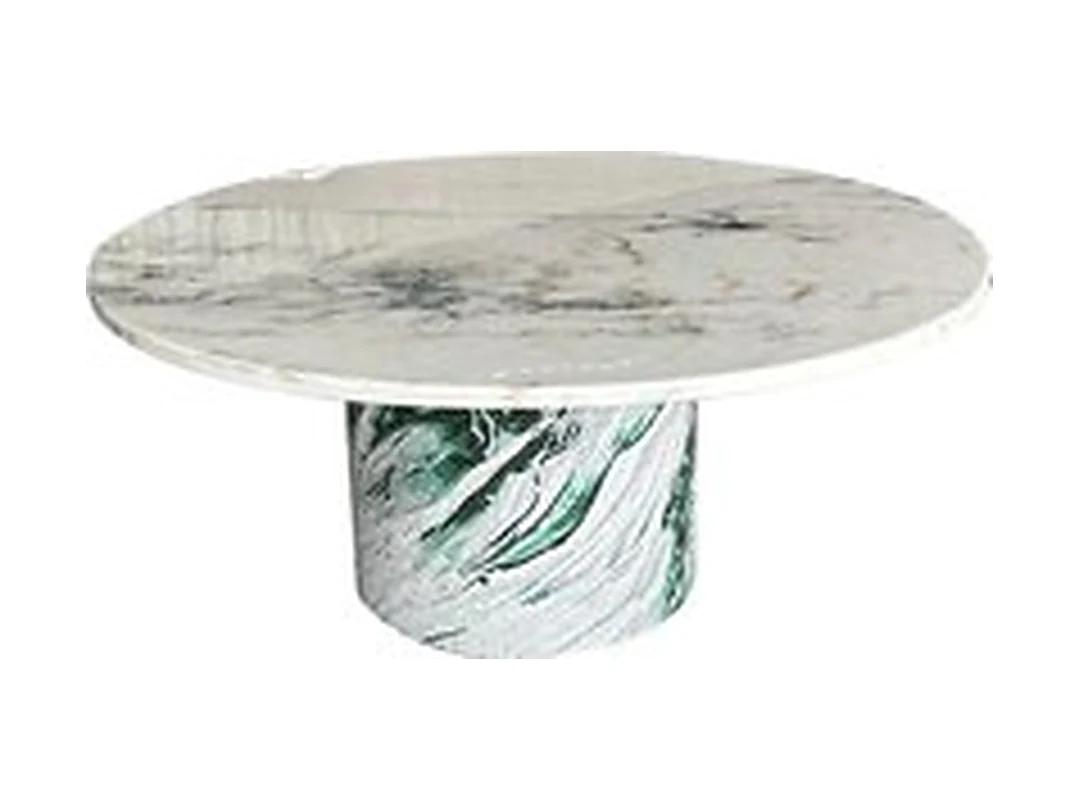
Bianco Oro + Mosaic Mural · Dining Tables
1700 × 1700 × H 750 mm (66.9 × 66.9 × H 29.5 in)
Made to Order
Beige Travertine · Dining Tables
600 × 1200 × H 730 mm (23.6 × 47.2 × H 28.7 in)
Made to Order
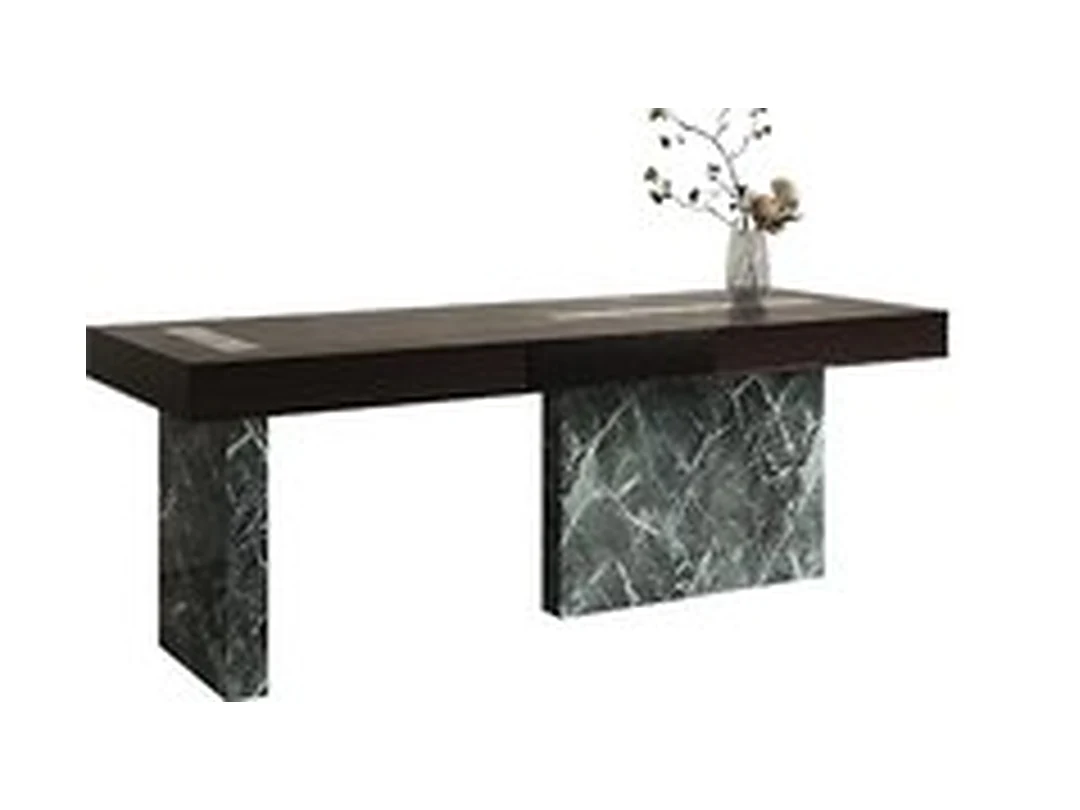
Verde Alpi Marble · Dining Tables
2200 × 800 × H 760 mm (86.6 × 31.5 × H 29.9 in)
Made to Order
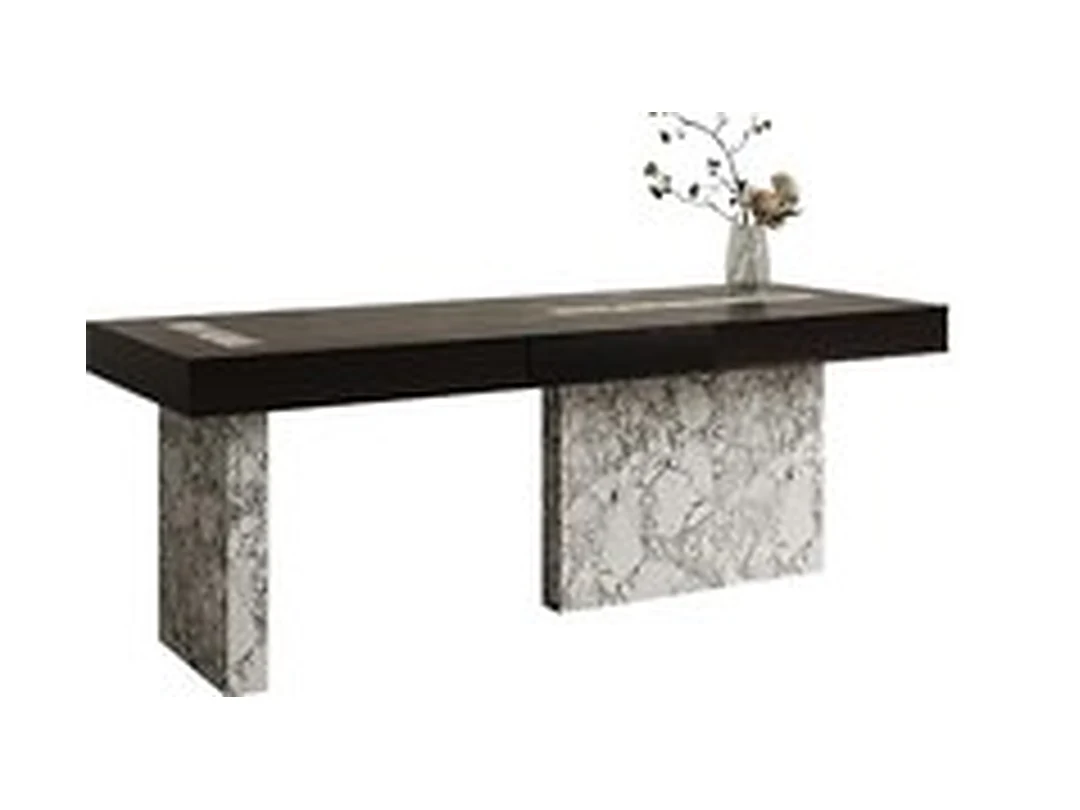
Arabescato Marble · Dining Tables
2200 × 800 × H 760 mm (86.6 × 31.5 × H 29.9 in)
Made to Order
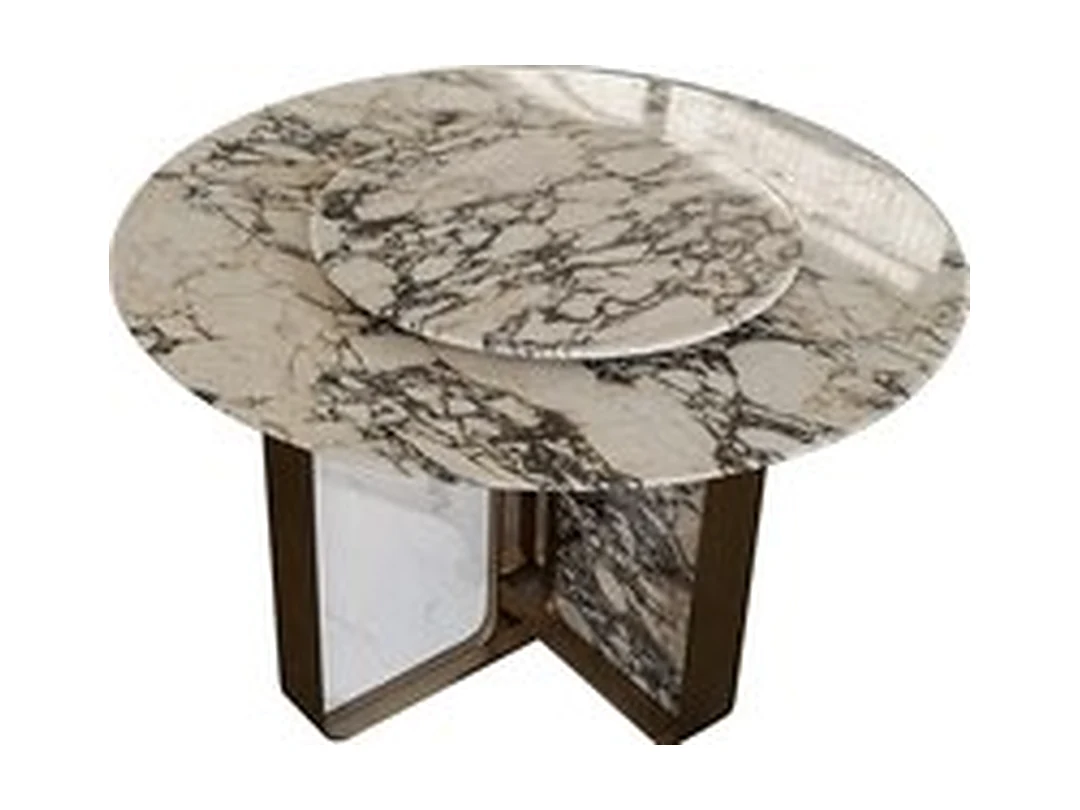
Calacatta Viola Marble · Dining Tables
1600 × 1600 × H 750 mm (63.0 × 63.0 × H 29.5 in)
Made to Order
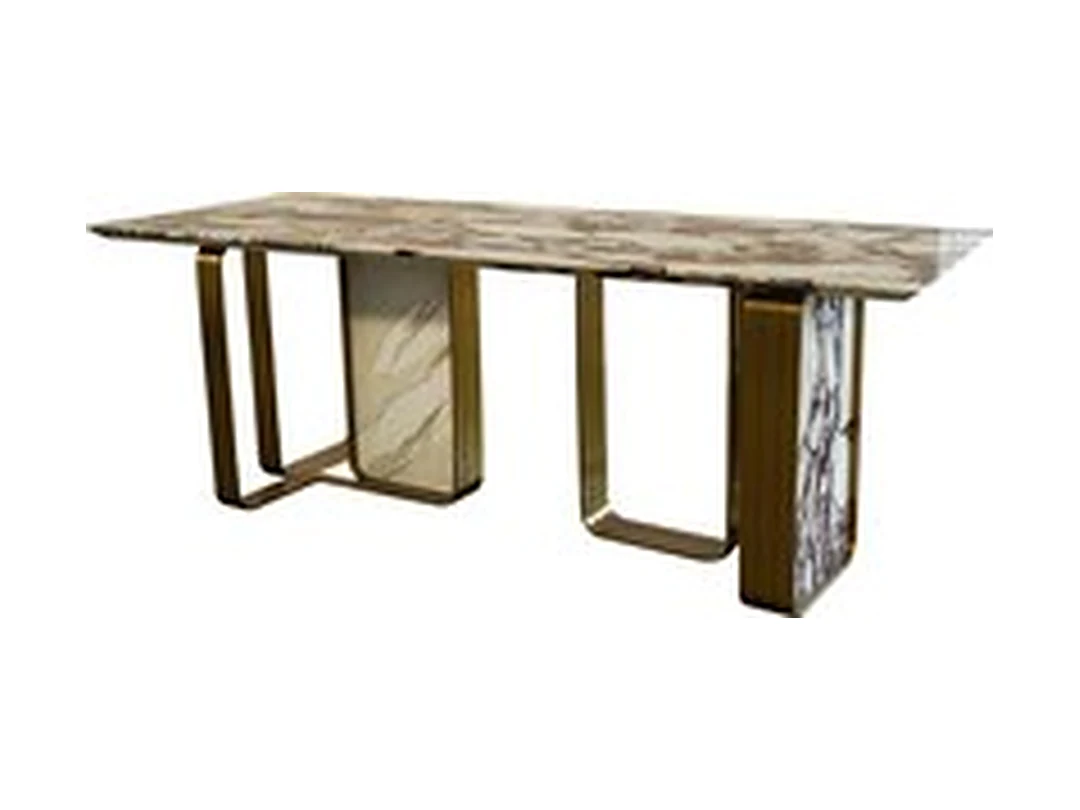
Calacatta Viola Marble · Dining Tables
2000 × 900 × H 750 mm (78.7 × 35.4 × H 29.5 in)
Made to Order
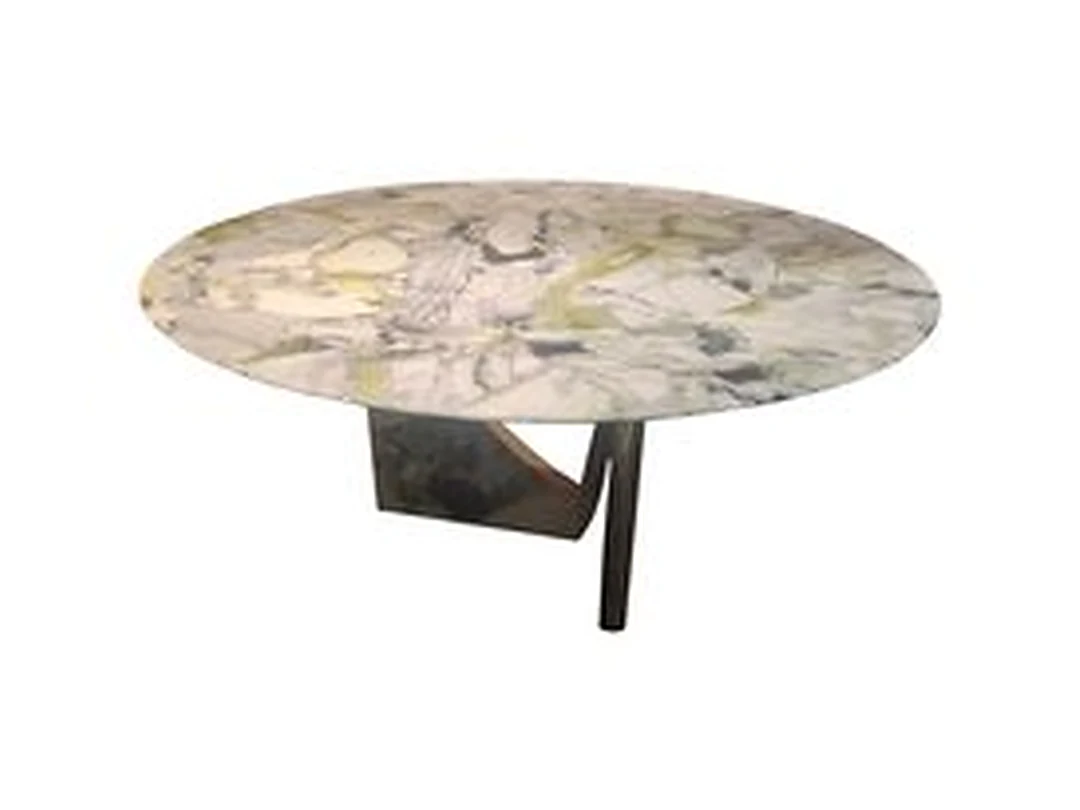
Cold Jade Marble · Dining Tables
1600 × 1600 × H 760 mm (63.0 × 63.0 × H 29.9 in)
Made to Order
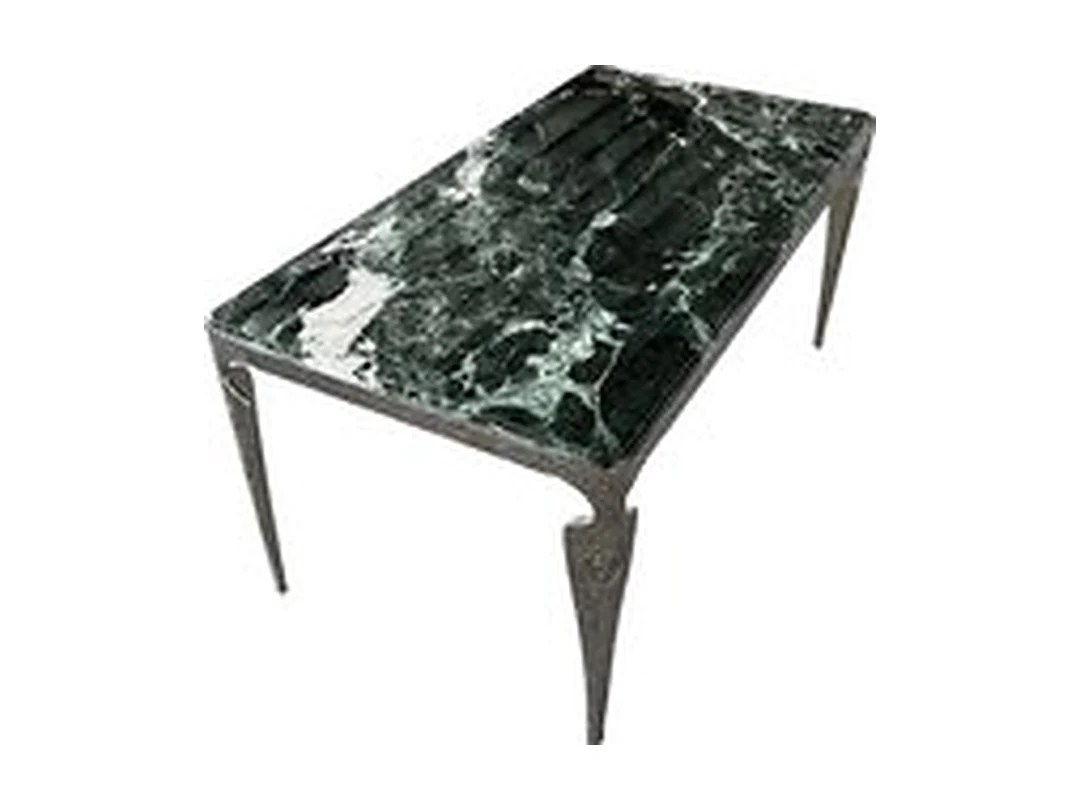
Verde Alpi Marble · Dining Tables
1600 × 850 × H 750 mm (63.0 × 33.5 × H 29.5 in)
Made to Order
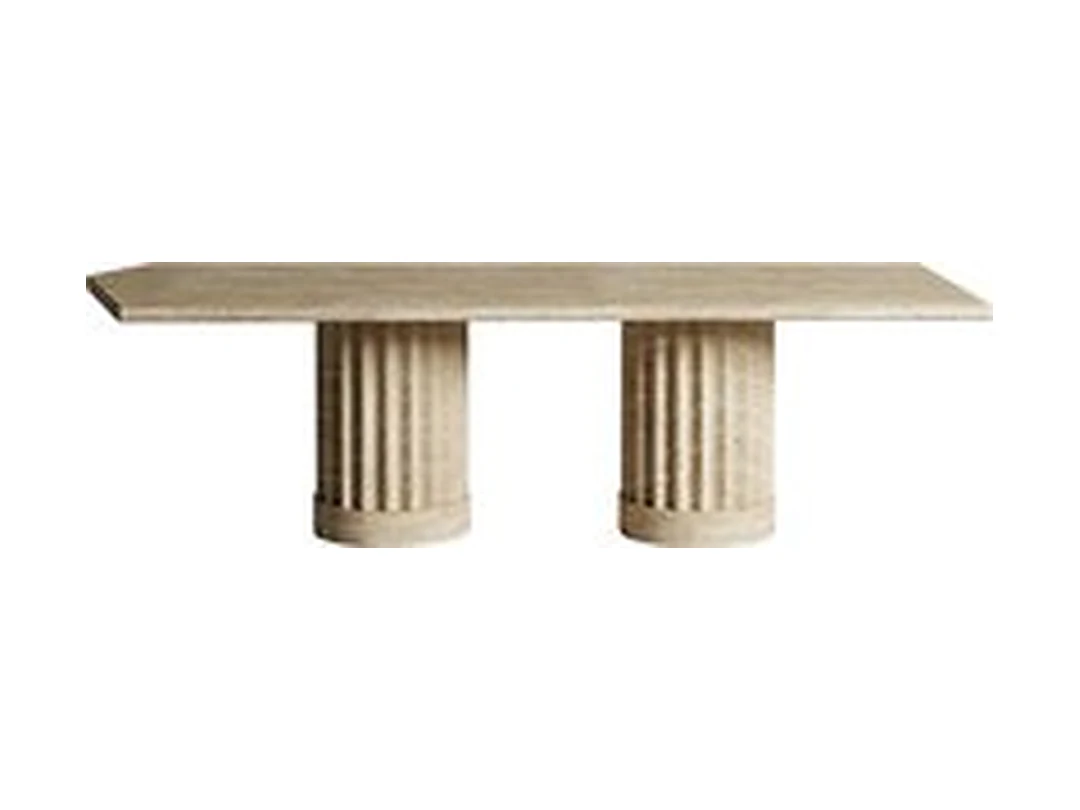
Beige Travertine · Dining Tables
2500 × 900 × H 750 mm (98.4 × 35.4 × H 29.5 in)
Made to Order
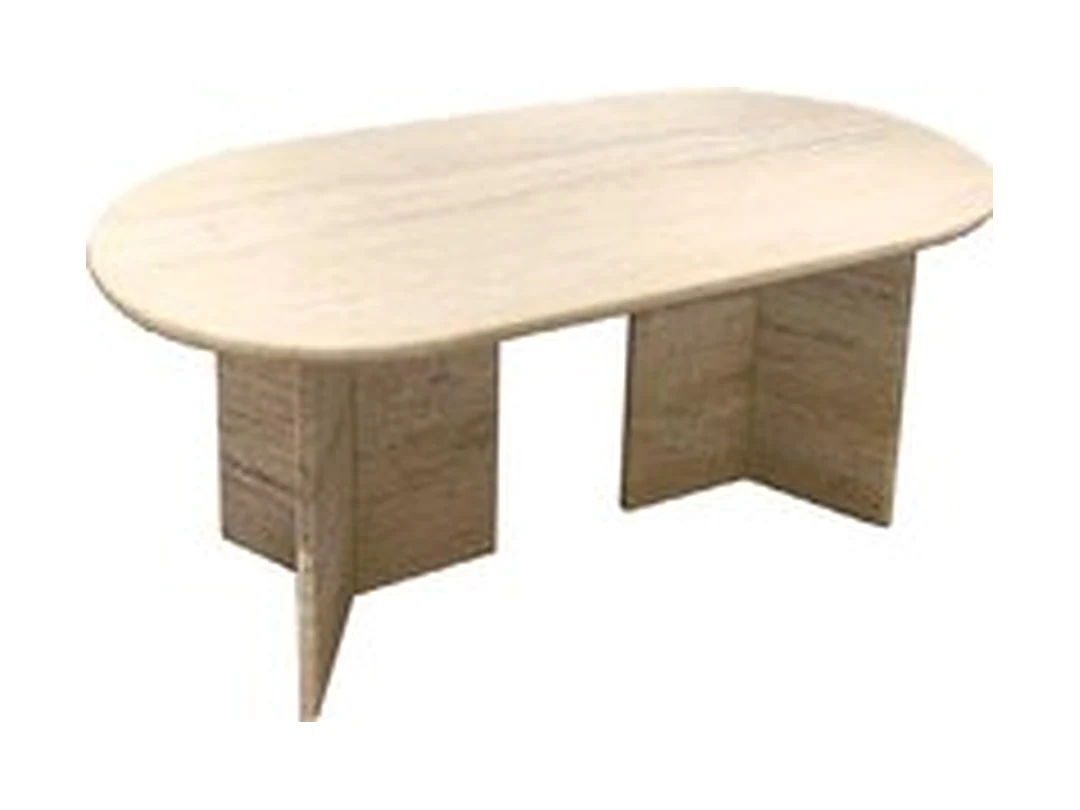
Beige Travertine · Dining Tables
900 × 1800 × H 750 mm (35.4 × 70.9 × H 29.5 in)
Made to Order
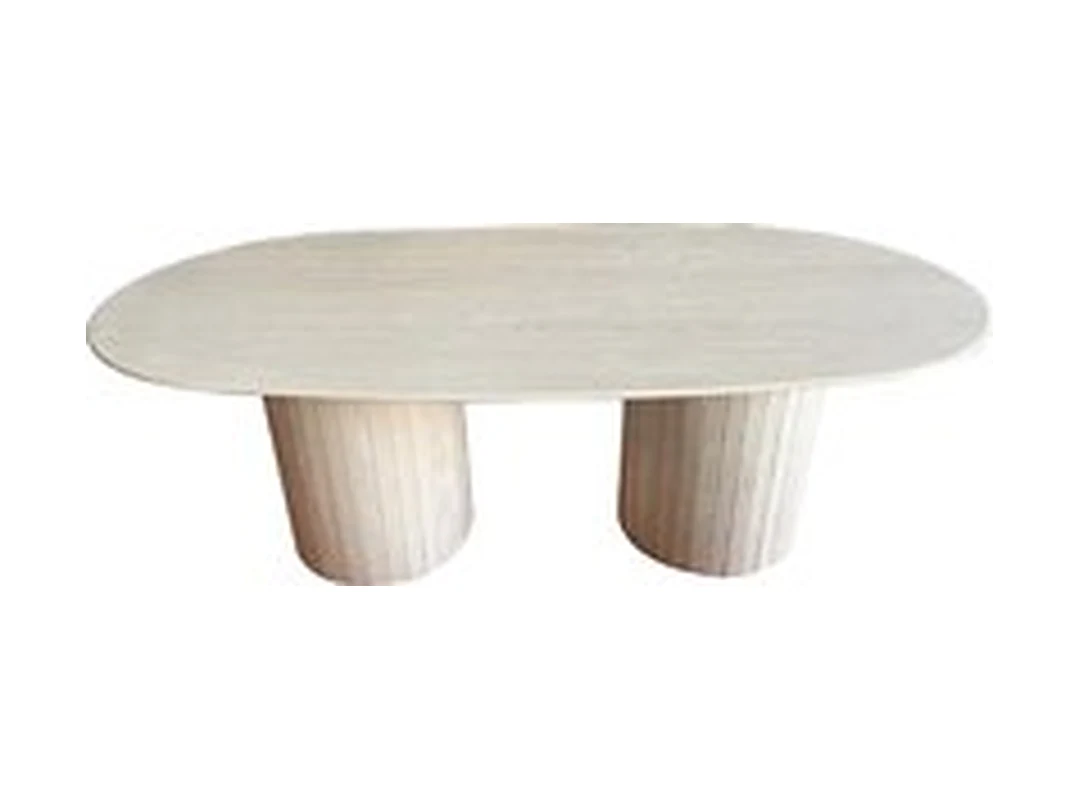
Beige Travertine · Dining Tables
900 × 1800 × H 750 mm (35.4 × 70.9 × H 29.5 in)
Made to Order
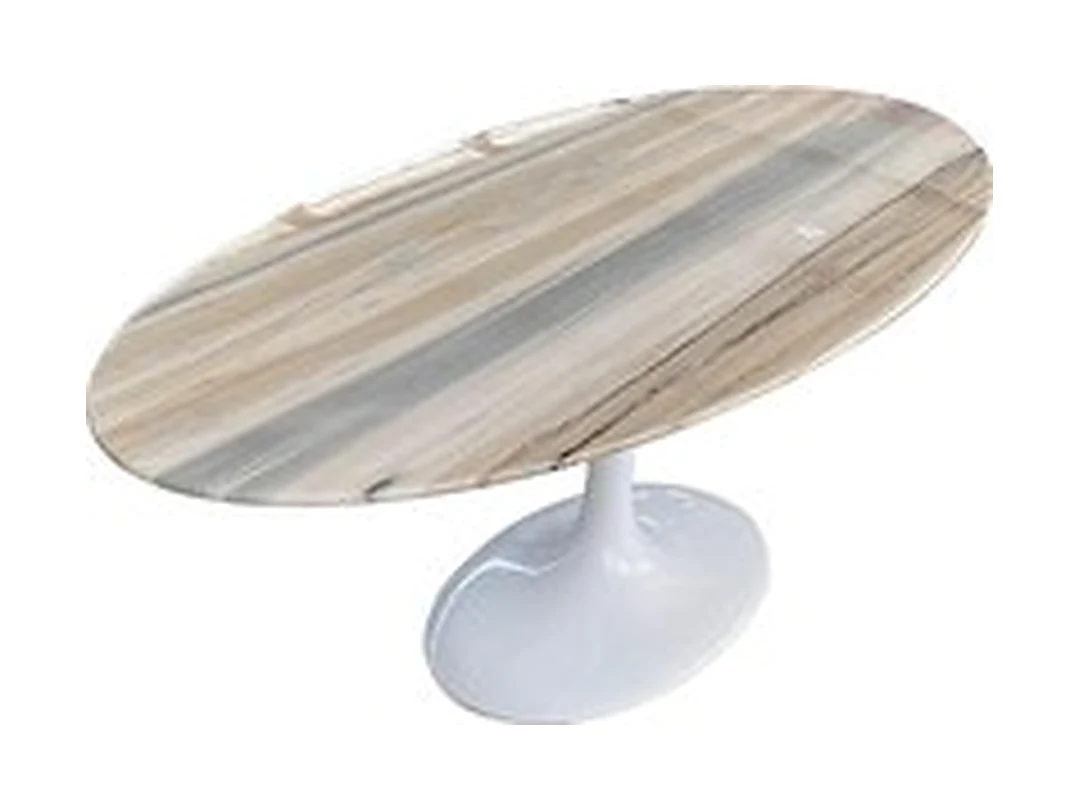
Palissandro Marble · Dining Tables
800 × 1600 × H 750 mm (31.5 × 63.0 × H 29.5 in)
Made to Order
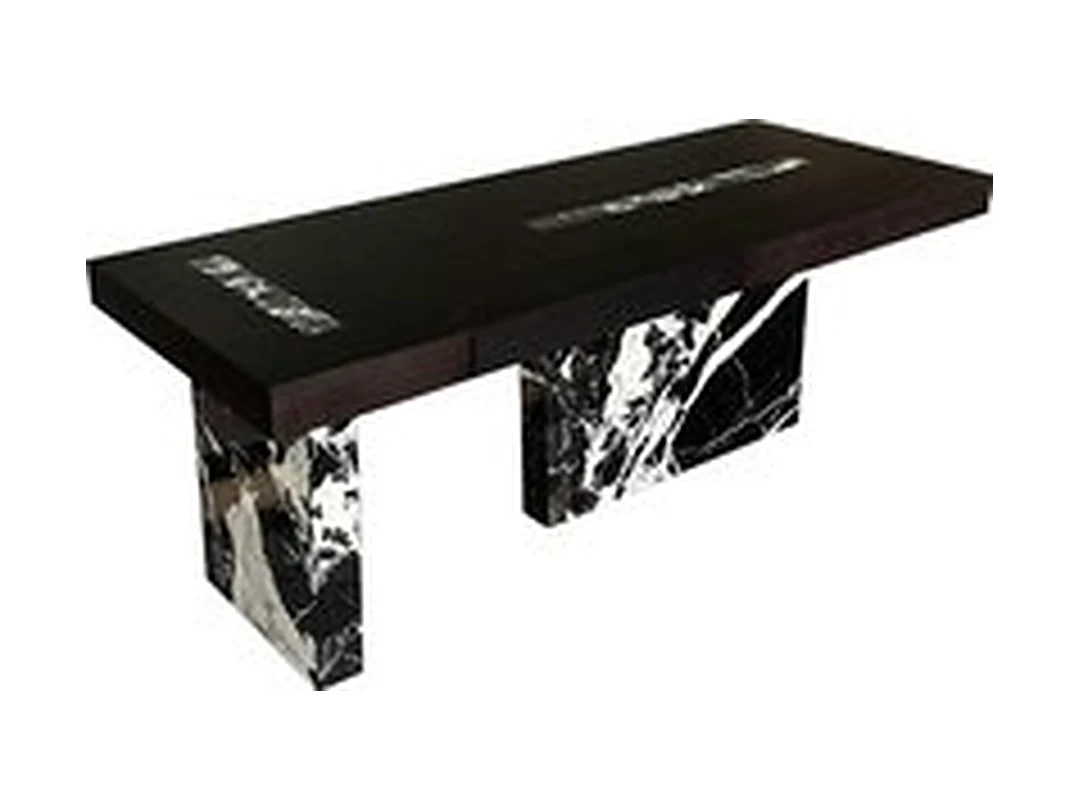
Noir Grand Antiquedark · Dining Tables
2200 × 800 × H 760 mm (86.6 × 31.5 × H 29.9 in)
Made to Order
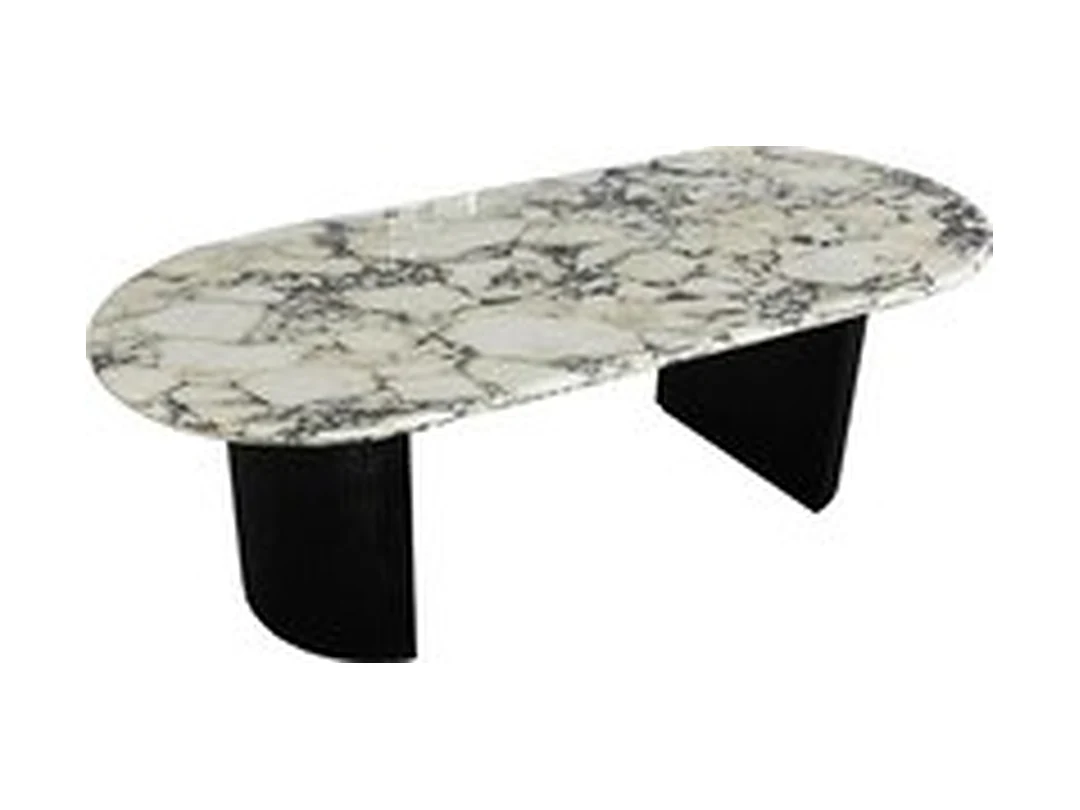
Calacatta Viola Marble · Dining Tables
900 × 1800 × H 750 mm (35.4 × 70.9 × H 29.5 in)
Made to Order
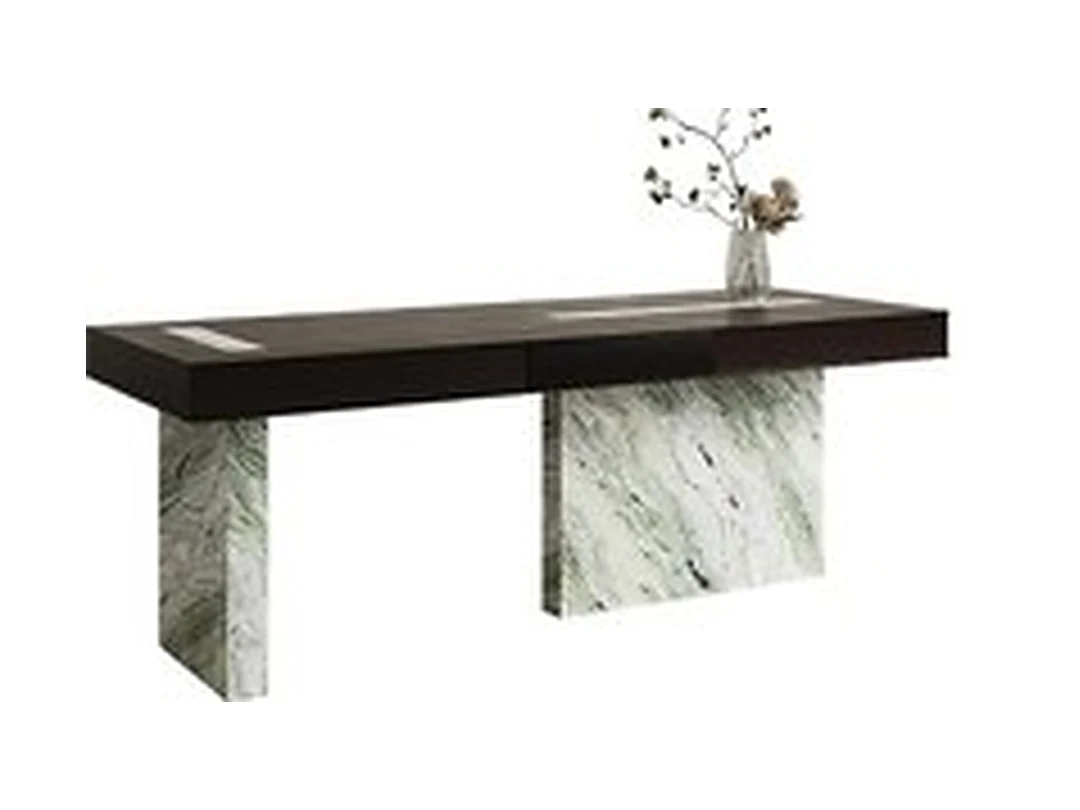
Shangri-La Marble · Dining Tables
2200 × 800 × H 760 mm (86.6 × 31.5 × H 29.9 in)
Made to Order
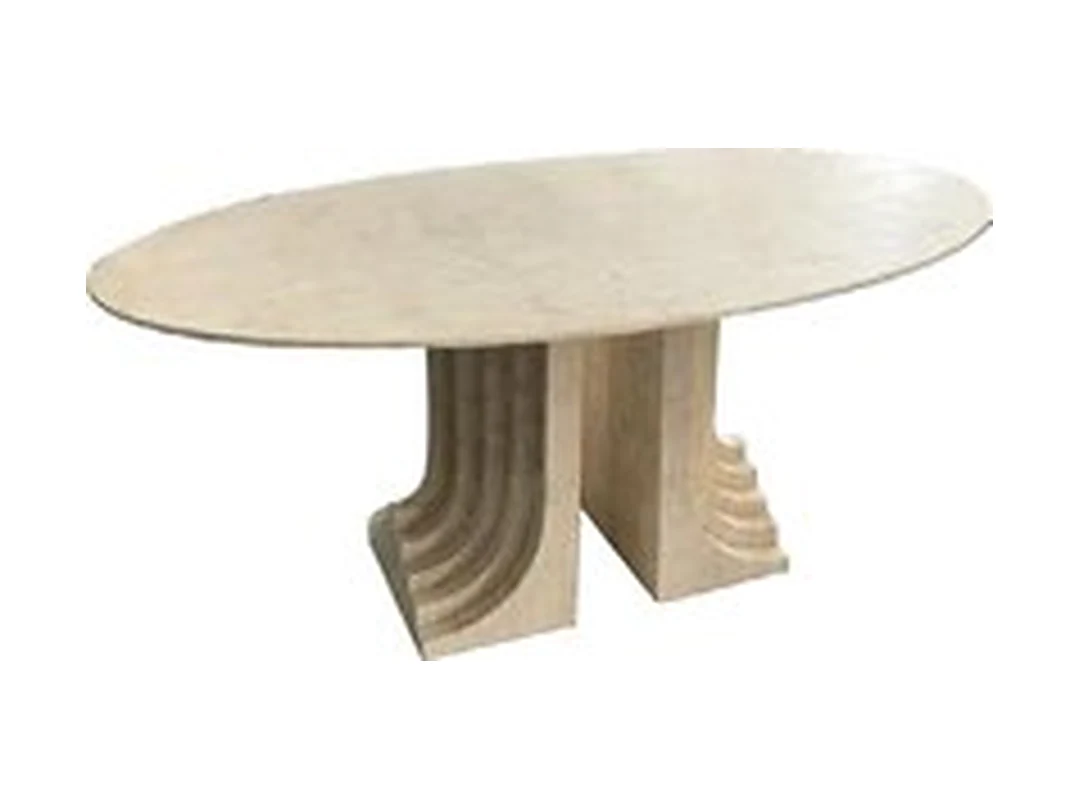
Beige Travertine · Dining Tables
800 × 1600 × H 750 mm (31.5 × 63.0 × H 29.5 in)
Made to Order
Calacatta Viola Marble · Dining Tables
2000 × 900 × H 750 mm (78.7 × 35.4 × H 29.5 in)
Made to Order
FAQ
Allow roughly 600 mm of table edge per place setting and it resolves itself. Rectangles: 1.6–1.8 m seats six, 2.0–2.4 m seats eight, 2.6 m+ moves toward ten, depths of 900–1,000 mm leave a shared centre. Rounds: about 1.2 m for four, 1.35–1.5 m for six; rounds seat “one more” gracefully because there are no corners. Ovals split the difference, rectangular capacity with round circulation. Add the room check: 900 mm minimum from table edge to wall for chairs to pull out, 1.2 m where people walk behind seated guests. Every table here is cut to order, so give us your seat count and room dimensions and the drawing will show the size that actually fits, not the nearest catalogue step.
Yes, with the right specification, and the specification is the honest part of the answer. Daily-use marble wants a honed finish (etches and fine wear disappear into matte far better than into gloss), a maintained penetrating sealer (oil and colour stay wipeable instead of absorbing), and table habits that cost nothing: trivets under hot cookware, boards under citrus and vinegar-based food, spills wiped at the meal rather than after it. With those three, a marble top takes years of family use and wears into patina rather than damage, and unlike laminates and veneers, it can be fully re-honed to fresh decades in. If your table life is homework-and-hot-pans chaotic, say so: we will steer stone and finish defensively rather than romantically.
They solve different problems. Pedestal and column bases free the corners, no leg in front of any chair, which is why our oval-on-twin-columns and panel-pedestal designs seat their full count comfortably; the engineering requirement is a footprint and mass that keep a heavy cantilevered top stable, which the drawing resolves explicitly. Leg-based designs put support at the perimeter, structurally simple and visually lighter, with the classic constraint that end seats live between legs. Stone tips the choice slightly: because tops are genuinely heavy, base geometry is calculated rather than styled, and pedestals in solid stone anchor the mass beautifully. Tell us your seat count and chair style; the base recommendation follows from where knees need to go.
Substantial and manageable, in that order. A dining-scale stone top commonly runs from many tens of kilograms into the low hundreds depending on size and thickness, with the base adding its own mass, your quotation states the actual figures for your configuration, because thickness and stone density move them meaningfully. Delivery is engineered around this: top and base travel as separate crated components, the route (doors, stairs, lifts) is checked from your enquiry answers before production, and placement-level delivery brings the piece in with a crew sized to the weight and assembles it in position. Floors are rarely the issue at dining-table loads spread over a base footprint; the route is, which is why we ask about it first.
Yes, vein direction on a dining top is a drawing decision, not luck. Directional stones like Arabescato can be cut so the movement runs the table’s length (the classic, calm read), across it, or centred on a dramatic feature; book-matched arrangements are possible where a design uses two slabs. The process makes it concrete: candidate slabs are photographed for your order, we mark the proposed cut on the photograph, and you confirm both material and orientation before the saw runs. If you have a reference image of veining you love, send it with the enquiry, selection starts from your picture. The only honest limit: we orient and select the pattern; the pattern itself is the block’s own.
Warm plates, no, stone handles serving temperatures easily, which is one reason it has dressed tables for centuries. The two genuine risks are extreme direct heat and chemistry: cookware straight from a hob or oven can thermally shock a top or scorch its sealer, so trivets under the genuinely hot things is the rule; and the sauces that come with dinner, lemon, vinegar, tomato, wine, are the acids that etch calcium-based stone if left to sit, so boards under the salad dressing and a wipe at the end of the meal matter more than the temperature ever will. With those two habits, everyday serving, hot food included, is exactly what the table is for.
Simply, and by design. The base positions first, checked level; the top then lifts onto marked registration points, with the connection method stated in your delivery notes, commonly discreet pads or pins plus the top’s own mass, occasionally an adhesive fixing where a design calls for it. The genuine requirement is lifting: a dining top needs two to four people depending on weight, lifting the slab itself rather than any overhang. Placement-level delivery includes all of this; if your own contractor is assembling, the crate includes the instructions and the quotation stated the component weights so they can crew accordingly. Disassembly for a future move reverses the same steps, one advantage of a mechanical rather than glued design.
Usually yes, and oversized tables are a core commission category. What changes at large scale is engineering, stated openly: slab availability sets a practical single-piece limit for each stone (beyond it, a planned two-piece top with a deliberate joint is the honest construction), thickness may increase to carry the span, base geometry is recalculated for the cantilevers, and access, the route into your room, is checked before you approve anything, because a 3-metre rigid object negotiates corners differently from a 2-metre one. Cost scales with block yield rather than linearly with length. Send the target size and the room plan; the feasibility answer comes back specific, with the construction drawn rather than promised.
It is dimensioned on the drawing, not left to hope. The numbers that matter: around 620–690 mm from floor to the underside of the top for comfortable knee clearance (our reference heights are set for this with standard chairs), apron-free designs, which stone tables naturally are, keep the full clearance, and on pedestal designs the base is positioned so end and side seats clear it at normal sitting depth. If you already own the chairs, send their seat height and arm height with the enquiry; arms that should tuck under the top are the detail that most often needs a height adjustment, and adjusting is exactly what made-to-order is for. The drawing you approve shows these clearances explicitly.