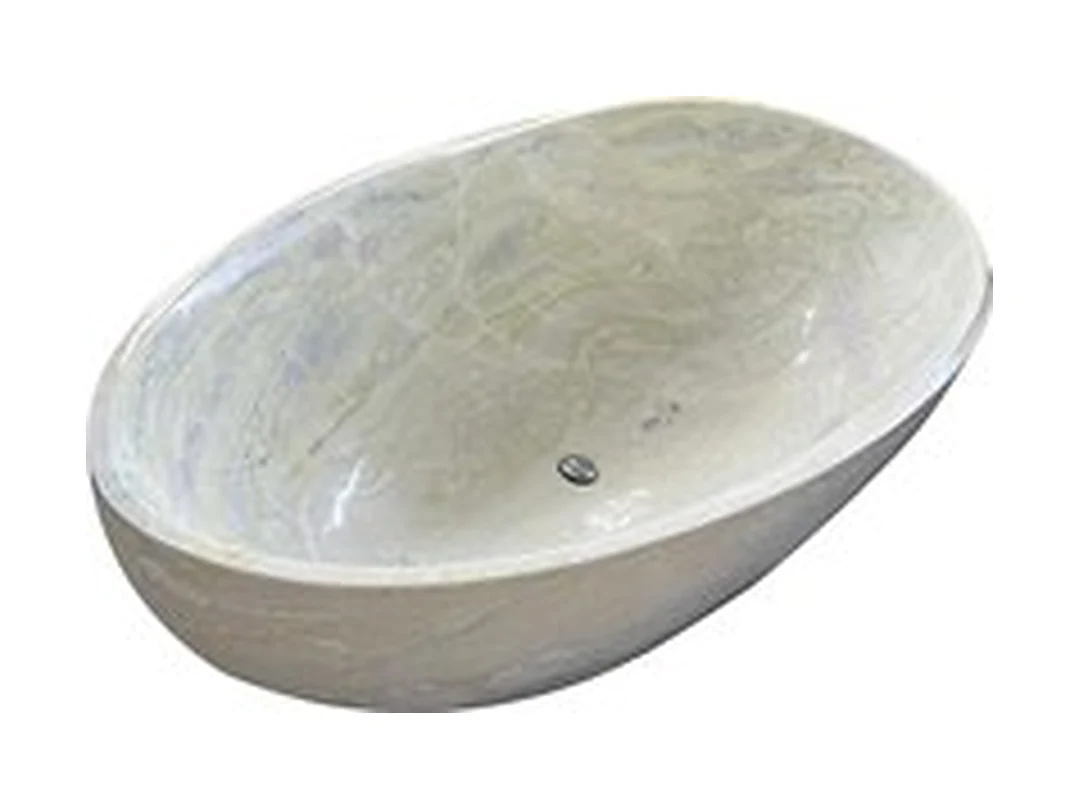
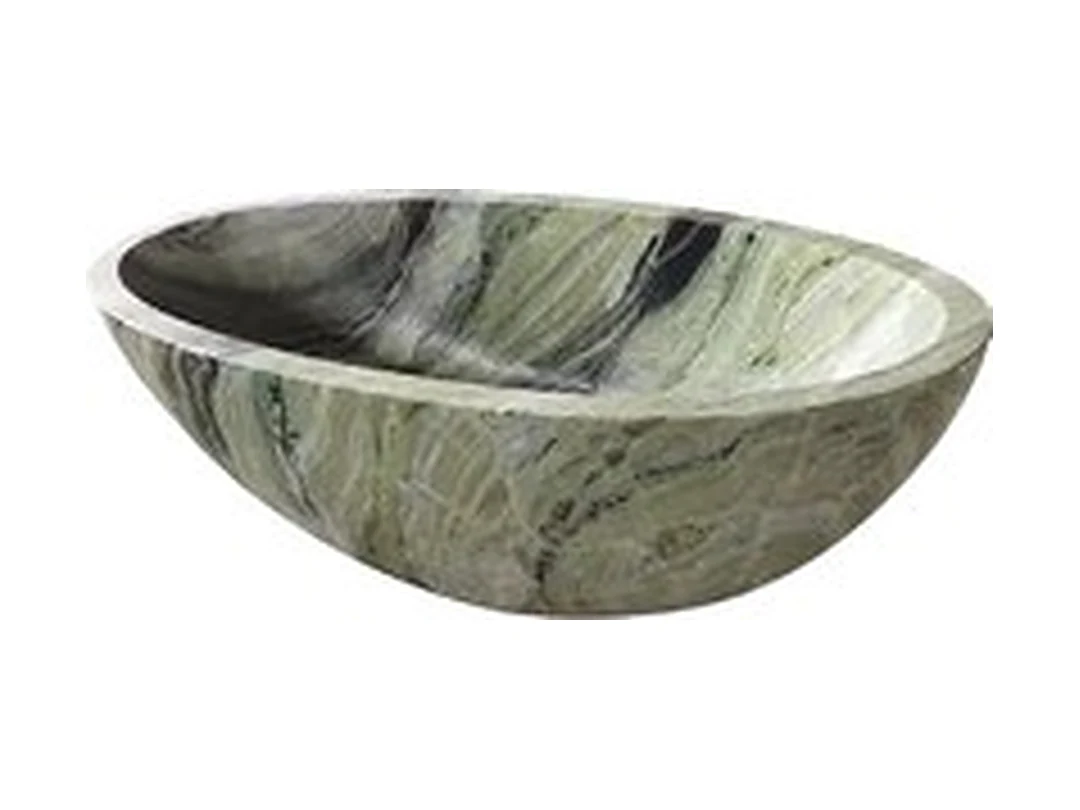
Aurelia Jade Green Cloud Bath
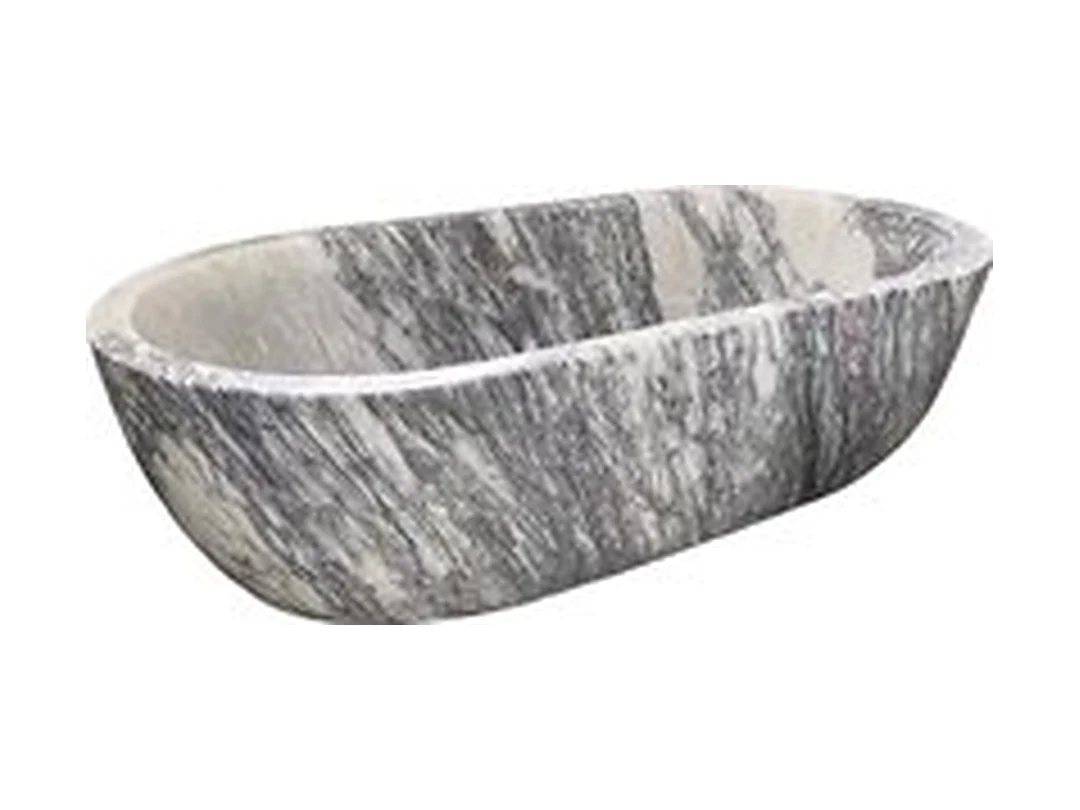
Jade Green Cloud Marble · Baths
1850 × 950 × H 550 mm (72.8 × 37.4 × H 21.7 in)
Made to Order

Made to Order
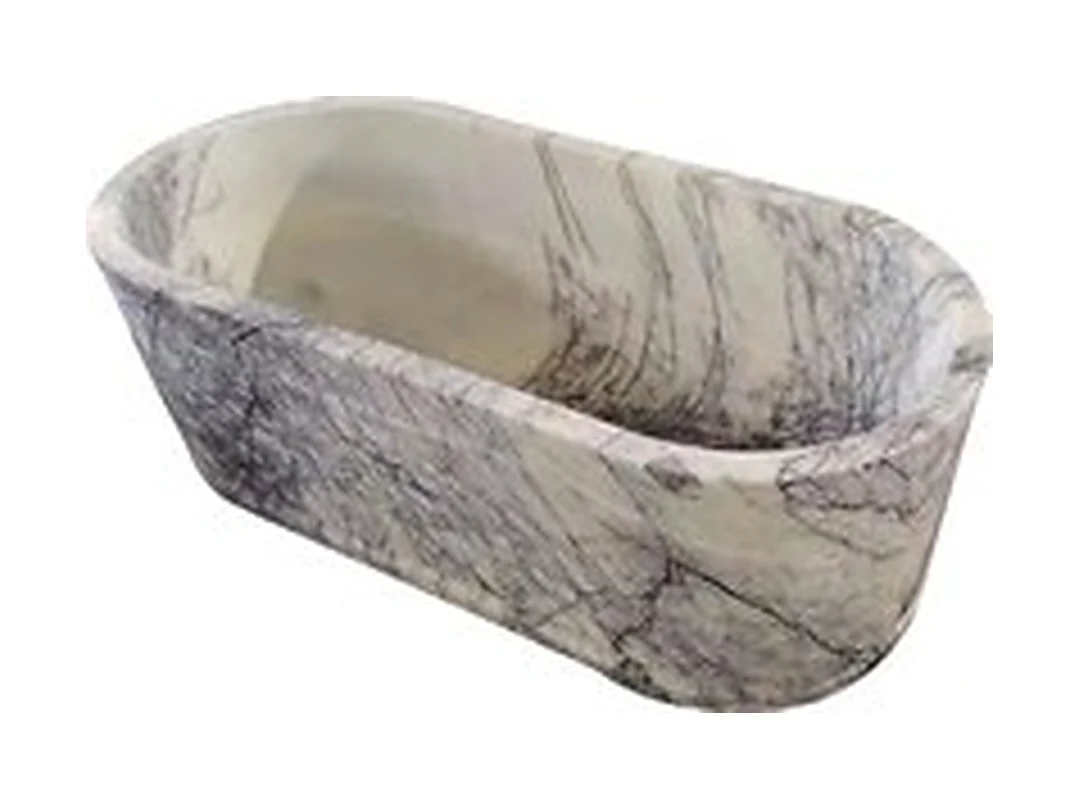
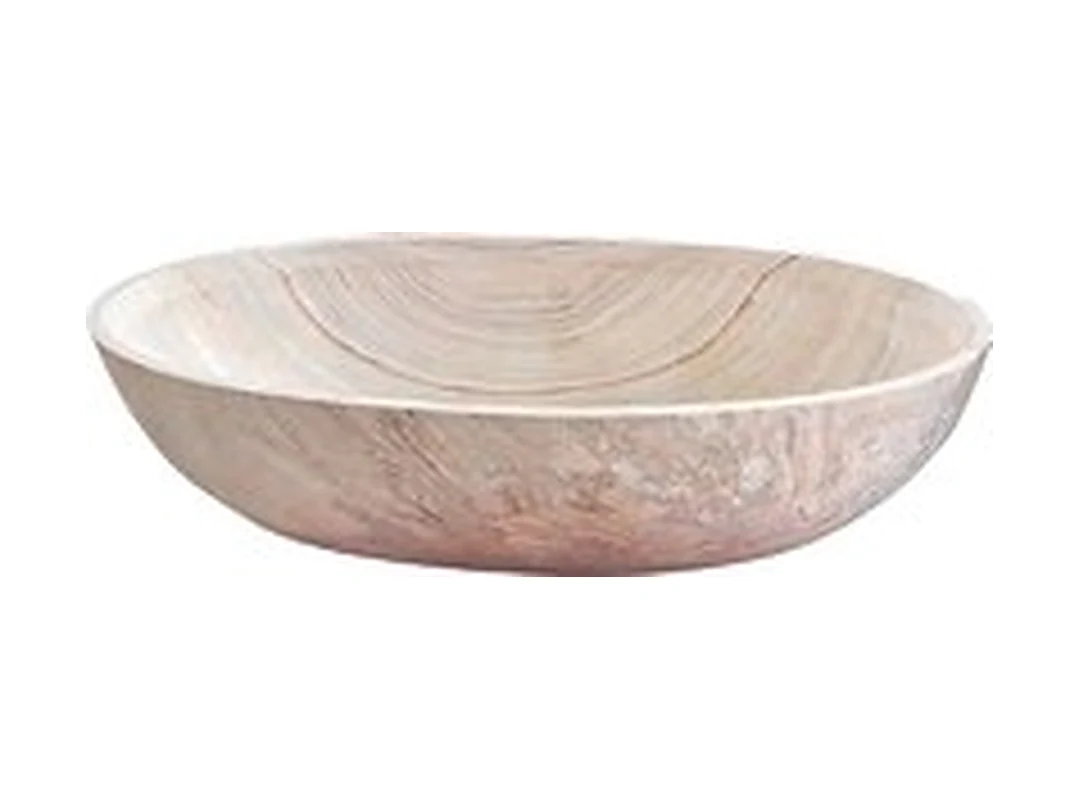
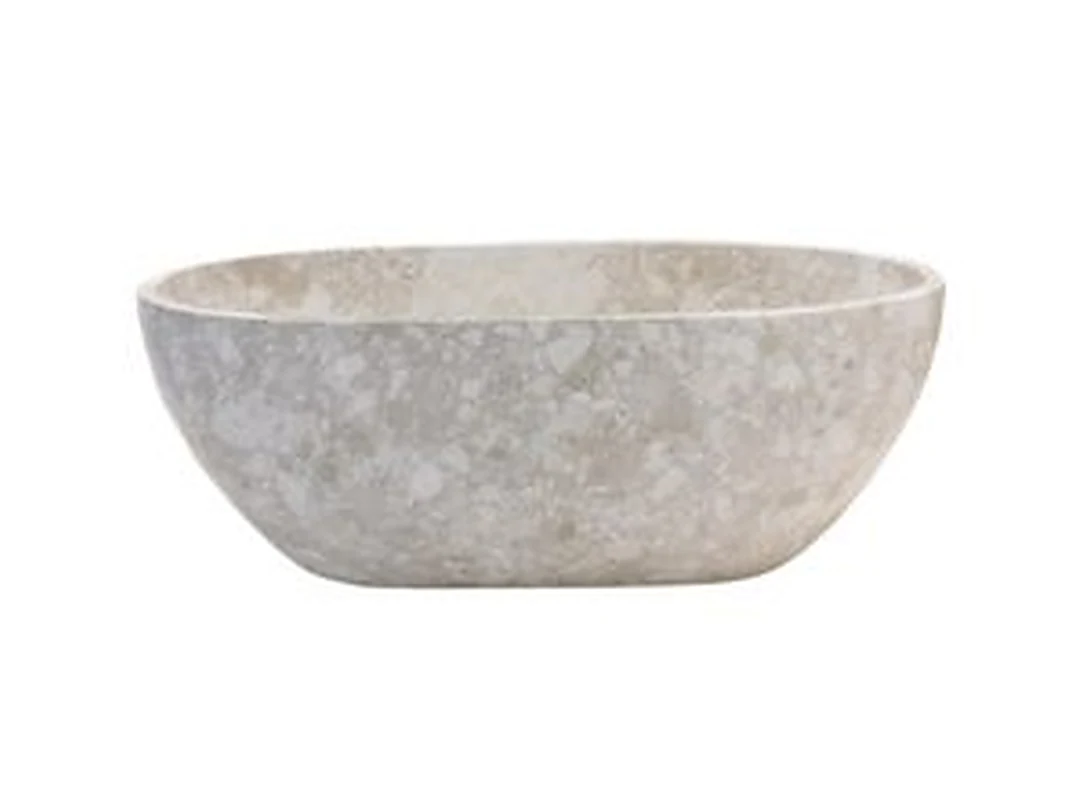
A stone bath is the slowest piece we make — hollowed from a single block, walls brought down to a bathing weight, interior honed smooth. Oval egg profiles and architectural rectangles, each planned around floor loading, access route and waste position before production begins.
Jade Green Cloud Marble · Baths
1850 × 950 × H 550 mm (72.8 × 37.4 × H 21.7 in)
Made to Order
Made to Order
Made to Order
Made to Order
Made to Order
Made to Order
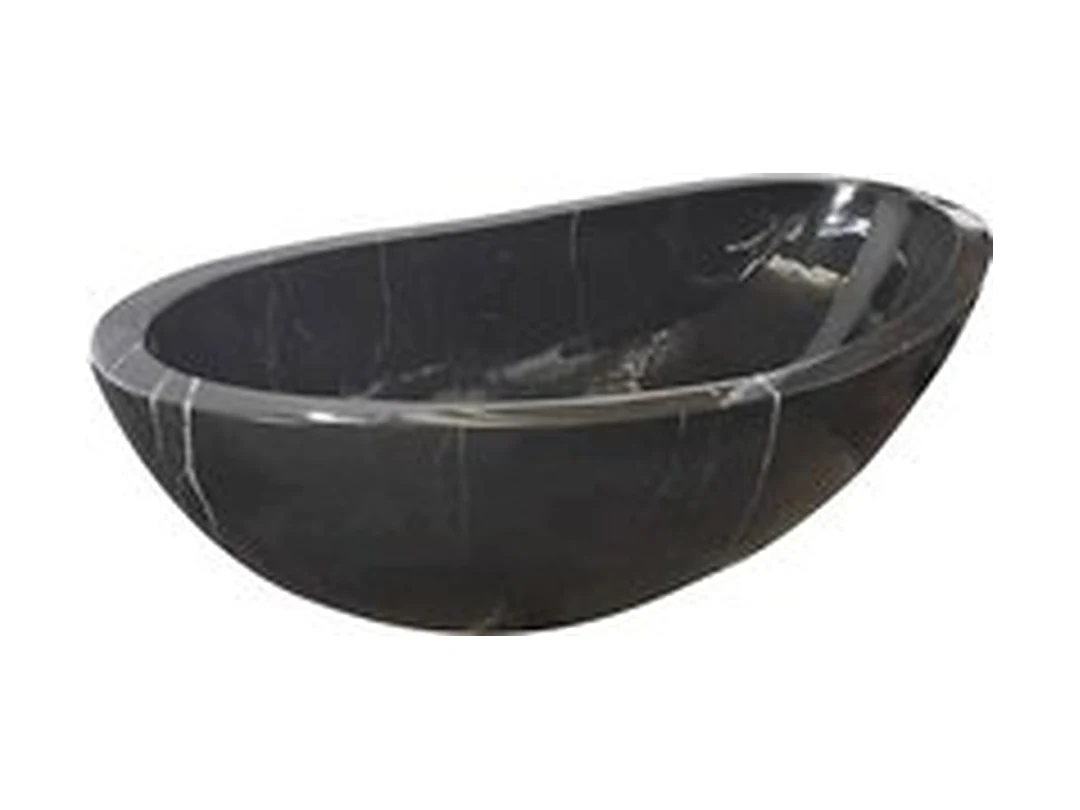
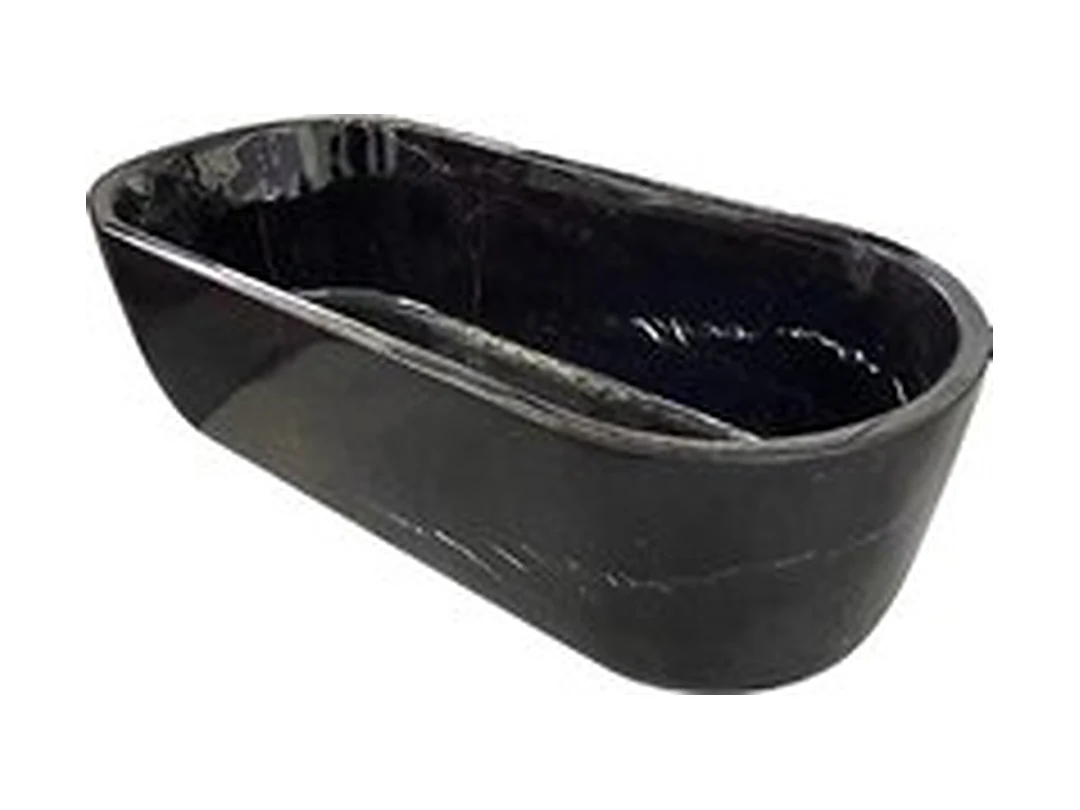
Nero Marquina Marble · Baths
1700 × 900 × H 550 mm (66.9 × 35.4 × H 21.7 in)
Made to Order
Made to Order
Made to Order
Made to Order
FAQ
A carved stone bath is genuinely heavy, several hundred kilograms empty is normal, before water and bather are added, so floor capacity is treated as a design input, not an installation surprise. Your quotation states the tub’s actual weight; combined with water volume, that gives your engineer or contractor the load case for the floor. Ground floors on slab almost always carry it without discussion; suspended timber floors and upper storeys need a competent person’s confirmation, occasionally with local stiffening. We raise this before production, every time, and where weight is the constraint we can adjust wall thickness within safe limits or advise honestly that a different product suits the structure better.
Along a route that is planned before the tub exists. At enquiry we ask for the path: door widths, corridor turns, stair or lift dimensions, and the bathroom door itself, a stone bath is a rigid object that cannot be tilted through gaps the way an acrylic shell can. The delivery plan then matches the reality: specialist multi-person carry crews, floor protection along the route, mechanical assistance where available, and in renovation projects the pragmatic best answer, placing the tub before walls or door frames close it in. Where a route is genuinely impossible, we say so at drawing stage and discuss alternatives, because discovering it on delivery day serves nobody.
Yes, in a characteristic way worth understanding. Stone has high thermal mass: the tub itself absorbs heat, so the first fill warms the stone as well as you, running the tub briefly with hot water before bathing pre-warms the shell, and thereafter the mass gives heat back slowly, holding bath temperature noticeably longer than thin acrylic. The same mass means a stone bath in a cold room starts cold to the touch; in climates or bathrooms where that matters, underfloor heating nearby or the pre-warm habit resolves it. None of this needs special plumbing, a standard hot supply and the tub’s specified waste are all the installation requires.
Three things, all on the production drawing that ships with the tub: the waste position and size (cut to your stated location, floor outlet position is the one dimension that truly cannot be improvised after carving), the overflow arrangement where the design includes one, and the tub’s footprint and levelling requirements, since a carved base wants a flat, level floor and arrives with its bearing surface finished accordingly. Freestanding tubs pair naturally with floor-mounted or wall-mounted fillers, which are your fitting choice; send the filler’s spec at drawing stage if it affects clearances. Give your plumber the drawing before delivery day, and the installation is positioning, connecting, testing, in that order, without surprises.